

Motmot

チャバラマユミソサザイ 対 シロハラミソサザイ

Thryothorus ludovicianus 対 Thryomanes bewickii

チャバラマユミソサザイとシロハラミソサザイのクイズ

チャバラマユミソサザイ (Thryothorus ludovicianus) チャバラマユミソサザイ
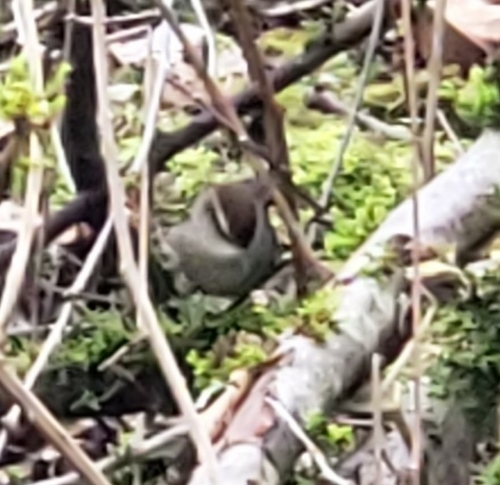
シロハラミソサザイ (Thryomanes bewickii) シロハラミソサザイ

メディア

読み込み中…

要点

カロライナミソサザイとシロハラミソサザイを区別する最も信頼できるフィールドマークは尾です:シロハラミソサザイは、はっきりと長い尾を持ち、太い白いコーナーと黒いバーがあり、頻繁に尾を振ったり扇形に広げたりします。一方、カロライナミソサザイの尾は短く、丸く、より均一にバーが入っています。幼鳥と成鳥のシロハラミソサザイはどちらも白い外尾コーナーを示し、これはカロライナミソサザイには決して見られません。カロライナミソサザイは体が大きく、上面は豊かな栗色で、太い白いスーパーシリウムを持っていますが、腹部はシロハラミソサザイのきれいな白ではなく、暖かいバフ色です。両者ともに目立つ眉毛を持っていますが、全体的な色合い、尾のパターン、構造が最も良いフィールドの手がかりです。声は似ていて混乱を招くことがあるため、まず視覚的なマークに頼ってください。

識別のコツ

  1. Tail pattern is the most reliable mark: シロハラミソサザイは常に白い外尾コーナーと強い黒い尾のバーをすべての年齢と季節で示します;カロライナミソサザイは決して白い尾コーナーを持たず、均一な茶色のバーのみです。
  2. Tail length and behavior: シロハラミソサザイは明らかに長く、細い尾を持ち、頻繁に尾を振ったり扇形に広げたりし、しばしば背中の上に傾けられます;カロライナミソサザイの尾は短く、丸く、通常は直立していますが、シロハラミソサザイほど表現力豊かではありません。
  3. Underpart color: シロハラミソサザイは下がきれいな白(顎から腹まで)ですが、カロライナミソサザイは特に側腹部と腹部で暖かいバフからルーフ色です。
  4. Upperpart tone: カロライナミソサザイは上面がより豊かな栗色または赤褐色です;シロハラミソサザイは灰褐色から茶色で、暖かい栗色のトーンが欠けています。
  5. Supercilium (eyebrow): 両者ともに強い白いスーパーシリウムを持っていますが、カロライナミソサザイの方が幅広く、上と下に黒い縁取りがあり、目を超えてよく伸びています;シロハラミソサザイは狭く、シャープで、長さもそれほどではありません。
  6. Bill shape: 両者ともに長く、わずかに下向きのくちばしを持っていますが、シロハラミソサザイの方が細く、よりスレンダーです;幼鳥のシロハラミソサザイは短く、太いくちばしを持つことがありますが、それでもカロライナミソサザイのものよりは細いです。
  7. Wing coverts (juveniles): 幼鳥のカロライナミソサザイはバフ色の先端を持つ翼の覆羽と淡いスーパーシリウムを持っています;シロハラミソサザイの幼鳥は成鳥のように見えますが、腹部に淡い斑点があるかもしれず、くちばしが短くなっています。
  8. Flight views: 飛行中、シロハラミソサザイの白い尾コーナーは明らかです;カロライナミソサザイは白のない、均等にバーが入った尾を示します。
  9. Size and structure: カロライナミソサザイは体が大きく、丸く、重いです;シロハラミソサザイはスリムで、特に尾のためにより細長いです。
  10. Habitat context: 東部では、カロライナミソサザイは密な湿ったカバーに一般的です;シロハラミソサザイは現在ミシシッピ川の東では稀で、西部では茂みの多い、開けた、または乾燥した生息地を好みます。
  11. Vocalizations: 両者ともに大きく、複雑な歌を歌います;地元の方言に非常に慣れていない限り、声だけに頼らないでください。
  12. Sex and season: 両種は性的二形性がほとんど見られません;上記のすべてのフィールドマークは年間を通じて両性に適用されます。
  13. Subspecific variation: カロライナミソサザイの亜種はトーン(錆色から鈍い茶色)に変化することがありますが、白い尾コーナーやきれいな白い腹部を示すことはありません。
  14. Perched posture: カロライナミソサザイはしばしばよりコンパクトで直立しているように見えます;シロハラミソサザイは尾が長く、より水平に見えます。
  15. Common pitfalls: スーパーシリウムやくちばしの形だけに頼らないでください;自信を持った同定のために、常に尾のパターンと腹部の色を確認してください。

大きさ

カロライナミソサザイは明らかに重く、より頑丈で、体重は平均19.3 g [wikidata]で、シロハラミソサザイの軽い体型(8–12 g)と比較されます。カロライナミソサザイはアメリカで2番目に大きいミソサザイで、長さは12.5–14 cm、翼幅は29 cmですが、シロハラミソサザイはスリムで、約13–14 cmの長さですが、翼幅ははるかに短い(18 cm)です。フィールドでは、カロライナミソサザイはよりずんぐりして丸く見え、シロハラミソサザイはより細く、特に尾のために細長く見えます。

羽色

幼鳥と成鳥のシロハラミソサザイは、強い黒いバーと目立つ白い外コーナーを持つ長い茶色の尾で最もよく認識され、これは止まっているときも飛んでいるときも見えます。この尾のパターンはこれら2種の間でユニークで、カロライナミソサザイにはどの年齢でも見られません。シロハラミソサザイは上面が灰褐色で、下面はきれいな白で、シャープな白いスーパーシリウムを持っています。幼鳥のシロハラミソサザイは下に淡い斑点を示すことがあり、短くて太いくちばしを持つことがありますが、尾のパターンは診断的です。カロライナミソサザイは、成鳥と幼鳥の両方が上面がより豊かな栗色で、バフ色から暖かい腹部の洗い流し、黒で縁取られた太い白いスーパーシリウム、短くて丸い尾を持ち、細かく均等なバーが入っていますが、白いコーナーはありません。幼鳥のカロライナミソサザイはより淡く、柔らかい質感を持ち、バフ色の先端を持つ翼の覆羽と淡い眉毛を持っていますが、シロハラミソサザイの白い尾コーナーは依然として欠けています。カロライナミソサザイの亜種の変異は全体的なトーン(錆色から鈍い茶色)に影響を与えることがありますが、重要な尾や腹部のマークには影響しません。

行動

シロハラミソサザイは非常に活発で、頻繁に長い尾を振ったり扇形に広げたりし、しばしば傾けて左右に振り、白いコーナーをフラッシュさせます。低い茂みの中で餌を探し、しばしば逆さまにぶら下がります。カロライナミソサザイはより頑丈で、強い跳躍で移動する傾向があり、しばしば尾を上げていますが、シロハラミソサザイほど長くも表現力豊かでもありません。両種ともに好奇心が強く、声も出しますが、カロライナミソサザイは密な絡み合いを探ったり、目立つ止まり木から歌ったりするのがより一般的です。

生息環境

カロライナミソサザイはアメリカ東部で一般的で、森林、農場の端、郊外の庭の密なカバーを好みます。その範囲はメキシコ南東部と中央アメリカ北部に広がりますが、非常に開けたまたは乾燥した生息地は避けます。シロハラミソサザイは歴史的に広範囲に分布していましたが、現在はミシシッピ川の東では稀で、最もよく茂み、茂みの山、開けた森林、低木地帯、特に西部のアメリカの近くの小川の近くで見られます。重複は限られていますが、両者が存在する場所では、カロライナミソサザイはより密で湿ったカバーを好み、シロハラミソサザイは開けた茂みの多いまたは乾燥したエッジの生息地により適しています。

声

両種ともに大きく、メロディックな歌を持ち、耳で混乱を招くことがあります。カロライナミソサザイの歌は変動があり、しばしば繰り返されるフレーズの連続で、時にはケンタッキーウグイスやタフテッドティットマウスと混同されることがあります。シロハラミソサザイの歌も大きく複雑ですが、やや音楽的で、鳴り響くことは少ないです。呼び声はほとんどの観察者にとってフィールドで信頼性のある区別ができないため、視覚的なマークが好まれます。

より良い説明を送る

比較と同じ項目を使ってください。文章はすぐに公開されます。

The most reliable field mark to separate Carolina Wren from Bewick's Wren is the tail: Bewick's Wren has a noticeably longer tail with bold white corners and black bars, which it frequently flicks and fans, while Carolina Wren's tail is shorter, rounder, and more uniformly barred. Juvenile and adult Bewick's Wrens both show white outer tail corners, a feature never present on Carolina Wren. Carolina Wren is bulkier, richer chestnut above, and has a bold white supercilium, but its underparts are warm buff rather than the clean white of Bewick's. Both have prominent eyebrows, but the overall coloration, tail pattern, and structure are the best field clues. Vocalizations are similar and can be confusing, so rely on visual marks first.

  1. Tail pattern is the most reliable mark: Bewick's Wren always shows white outer tail corners and strong black tail barring in all ages and seasons; Carolina Wren never has white tail corners, only even brown barring.
  2. Tail length and behavior: Bewick's Wren has a noticeably longer, thinner tail, which it frequently flicks and fans, often cocked above the back; Carolina Wren's tail is shorter, rounder, and usually held upright but not as expressive.
  3. Underpart color: Bewick's Wren is clean white below (from chin to belly), while Carolina Wren is warm buff to rufous below, especially on the flanks and belly.
  4. Upperpart tone: Carolina Wren is richer chestnut or reddish-brown above; Bewick's Wren is gray-brown to brown, lacking the warm chestnut tones.
  5. Supercilium (eyebrow): Both have a strong white supercilium, but Carolina Wren's is broader, bordered with black above and below, and extends well past the eye; Bewick's is narrower, crisp, and not as long.
  6. Bill shape: Both have long, slightly decurved bills, but Bewick's is finer and more slender; juvenile Bewick's may have a shorter, stubbier bill, but still thinner than Carolina Wren's.
  7. Wing coverts (juveniles): Juvenile Carolina Wrens have buff-tipped wing coverts and a paler supercilium; Bewick's juveniles look like adults but may have faint belly speckling and a shorter bill.
  8. Flight views: In flight, Bewick's Wren's white tail corners are obvious; Carolina Wren shows a plain, evenly barred tail with no white.
  9. Size and structure: Carolina Wren is bulkier, rounder, and heavier; Bewick's is slimmer and more elongated, especially due to the tail.
  10. Habitat context: In the east, Carolina Wren is common in dense, moist cover; Bewick's is now rare east of the Mississippi and prefers brushy, open, or arid habitats in the west.
  11. Vocalizations: Both sing loud, complex songs; do not rely on voice alone unless highly familiar with local dialects.
  12. Sex and season: Both species show little sexual dimorphism; all field marks above apply year-round and to both sexes.
  13. Subspecific variation: Carolina Wren subspecies may vary in tone (from rusty to dull brown), but never show white tail corners or clean white underparts.
  14. Perched posture: Carolina Wren often appears more compact and upright; Bewick's looks longer-tailed and more horizontal.
  15. Common pitfalls: Do not rely solely on supercilium or bill shape; always check tail pattern and underpart color for a confident ID.

Carolina Wren is noticeably heavier and more robust, with a body mass averaging 19.3 g [wikidata], compared to Bewick's Wren's lighter build (8–12 g). Carolina Wren is the second largest wren in the US, measuring 12.5–14 cm in length with a 29 cm wingspan, while Bewick's Wren is slimmer, about 13–14 cm long but with a much shorter wingspan (18 cm). In the field, Carolina Wren appears chunkier and rounder, while Bewick's Wren is more slender and elongated, especially due to its longer tail.

Juvenile and adult Bewick's Wrens are best recognized by their long, brown tails with strong black barring and prominent white outer corners, which are visible both perched and in flight. This tail pattern is unique among these two species and is never shown by Carolina Wren at any age. Bewick's Wrens are gray-brown above and clean white below, with a crisp white supercilium. Juvenile Bewick's may show faint speckling below and a shorter, stubbier bill, but the tail pattern remains diagnostic. Carolina Wrens, both adult and juvenile, are richer chestnut above with a buffy to warm underpart wash, a bold white supercilium bordered with black, and a shorter, rounder tail with fine, even barring but no white corners. Juvenile Carolina Wrens are paler and softer-textured, with buff-tipped wing coverts and a paler eyebrow, but still lack the white tail corners of Bewick's. Subspecific variation in Carolina Wren can affect overall tone (from rusty to dull brown), but not the key tail or underpart marks.

Bewick's Wren is highly active, frequently flicking and fanning its long tail, often cocked and swung side-to-side, making the white corners flash. It forages low in brush, often hanging upside down. Carolina Wren is more robust and tends to move with strong, bounding hops, often with its tail held up but not as long or expressive as Bewick's. Both species are inquisitive and vocal, but Carolina Wren is more likely to be seen probing dense tangles or singing from a prominent perch.

Carolina Wren is common in the eastern United States, favoring dense cover in forests, farm edges, and suburban gardens. Its range extends into the southeast of Mexico and northern Central America, but it avoids very open or arid habitats. Bewick's Wren, historically widespread, is now rare east of the Mississippi and is most often found in thickets, brush piles, open woodlands, and scrubby areas, often near streams, especially in the western US. Overlap is limited, but where both occur, Carolina Wren prefers denser, moister cover, while Bewick's is more at home in open, brushy, or arid edge habitats.

Both species have loud, melodious songs and can be confusing by ear. Carolina Wren's song is variable, often a rolling series of repeated phrases, sometimes confused with Kentucky Warbler or Tufted Titmouse. Bewick's Wren's song is also loud and complex, but slightly more musical and less ringing. Calls are not reliably separable in the field for most observers, so visual marks are preferable.

変更を破棄しますか?

保存していない編集があります。今離れると失われます。

チャバラマユミソサザイ · シロハラミソサザイ · 苦手な鳥