

Motmot

カリブシラギクタイランチョウ 対 ドミニカヒタキモドキ

Elaenia martinica 対 Myiarchus oberi

カリブシラギクタイランチョウとドミニカヒタキモドキのクイズ
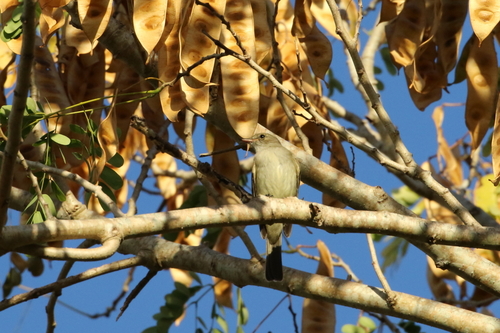
カリブシラギクタイランチョウ (Elaenia martinica) カリブシラギクタイランチョウ
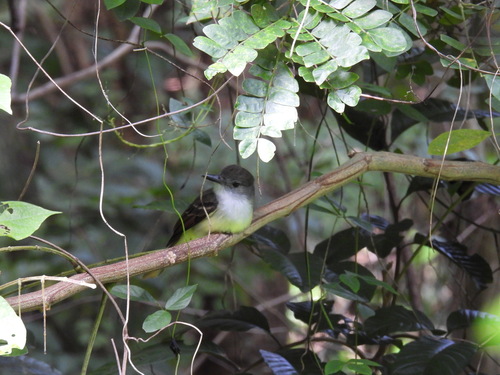
ドミニカヒタキモドキ (Myiarchus oberi) ドミニカヒタキモドキ

メディア

読み込み中…

要点

カリブシラギクタイランチョウとドミニカヒタキモドキを区別する最も信頼できるフィールドマークは、全体的な構造と羽色のトーンです:カリブシラギクタイランチョウは小さく、ふさふさした冠羽を持ち、上面は鈍いオリーブ色で、淡い翼帯とわずかな赤褐色を持っています。一方、ドミニカヒタキモドキは大きく、尾が長く、翼と尾に広範囲な赤褐色を示します。飛んでいる時や止まっている時には、カリブシラギクタイランチョウの黄色がかった腹部と鮮明で淡い翼帯に注目し、ドミニカヒタキモドキのより大胆な赤褐色の縁とより飽和した黄色の腹部と比較してください。両種は冠羽を持つことがありますが、カリブシラギクタイランチョウの冠羽はよりふさふさしていて淡いです。サイズ、構造、翼と尾における赤褐色の有無は、最も一貫したフィールドの手がかりです。

識別のコツ

  1. Size and structure: ドミニカヒタキモドキはカリブシラギクタイランチョウよりもかなり大きく、重いです。2羽の鳥が一緒にいる場合、サイズの違いは明らかですが、単独でも、ドミニカヒタキモドキの長い尾とより頑丈な体は良い手がかりです。このマークはすべての年齢と性別に対して信頼できます。
  2. Crest shape: カリブシラギクタイランチョウは、白い中央ストライプを持つふさふさした目立つ冠羽を持ち、しばしば立ち上がって明らかです。ドミニカヒタキモドキの冠羽はあまりふさふさしておらず、強い淡いストライプが欠けています。鳥が警戒している時や興奮している時にこれを使用してください。
  3. Wing pattern: カリブシラギクタイランチョウは、2つの鮮明で淡い翼帯(カバーの白っぽい先端)と飛翔羽の黄色がかったまたは白っぽい縁を示しますが、赤褐色はありません。ドミニカヒタキモドキの翼帯は淡く、灰白色または赤褐色である可能性がありますが、重要なのは、初列と三列に赤褐色の縁があることです—カリブシラギクタイランチョウでは見られません。これは、止まっている鳥や良好な飛行ビューで最も役立ちます。
  4. Tail coloration: ドミニカヒタキモドキは尾羽の内側の羽軸に広い赤褐色のストライプを持っています(1つの亜種を除く)、一方、カリブシラギクタイランチョウの尾は赤褐色がなく、単純な鈍い色です。尾が扇状になっている時や逆光の時にこれを探してください。
  5. Upperparts color: カリブシラギクタイランチョウは鈍いオリーブ色から茶色がかったオリーブ色で、時にはほとんど地味に見えます;ドミニカヒタキモドキはより暗いオリーブグリーンで、しばしばより豊かなトーンと赤褐色の上尾覆いを持っています。良い光の中でこれを使用してください。
  6. Underparts: 両種は黄色がかった腹部を持っていますが、カリブシラギクタイランチョウの腹部はより淡く、白っぽいまたは鈍い黄色がかっている可能性がありますが、ドミニカヒタキモドキの腹部はより飽和した黄色で、時には側面に緑がかった洗いがかっています。ドミニカヒタキモドキの胸と喉は灰色で、喉はより淡いです;カリブシラギクタイランチョウの喉はすすけた灰色で、胸は淡い灰色です。
  7. Bill color: 両種は暗いくちばしを持っていますが、カリブシラギクタイランチョウの下顎は鈍いピンク色の基部を示すことがありますが、ドミニカヒタキモドキのくちばしは均一に暗いです。これは微妙で、近距離で見るのが最適です。
  8. Iris color: 両種は暗い茶色の虹彩を持っています;区別にはなりません。
  9. Legs and feet: 両種は暗い足と足を持っています;区別にはなりません。
  10. Behavior: カリブシラギクタイランチョウはしばしばより活発で、冠羽と尾をひらひらさせ、よりコンパクトに見えます。ドミニカヒタキモドキはより直立して座り、より大きく見え、落ち着きがないように見えることがあります。
  11. Habitat: 重複は広範ですが、密な低木や庭で見られた場合、カリブシラギクタイランチョウの可能性が高いです;成熟した森林ではドミニカヒタキモドキを考慮しますが、これだけに頼らないでください。
  12. Subspecies variation: 一部のドミニカヒタキモドキの亜種は尾に赤褐色が欠けています(M. o. sclateri)、したがって、翼の赤褐色も常に確認してください。一部のカリブシラギクタイランチョウの亜種はより淡いまたは暗いですが、赤褐色は決して示しません。
  13. Voice: 提供されたメモには記載されていません;区別には使用しないでください。
  14. Season and sex: 両種は性別において単形であり、強い季節的な羽毛の変化はありません;上記のすべてのマークは年間を通じて両性に適用されます。
  15. Pitfalls: 未熟または摩耗したカリブシラギクタイランチョウは特に地味で小さく見えることがありますが、翼や尾に赤褐色は決して示しません。ドミニカヒタキモドキは悪い光の中で色が薄く見えることがありますが、良いビューでは赤褐色の縁が通常見えます。

大きさ

ドミニカヒタキモドキはカリブシラギクタイランチョウ(体重約21g、長さ14–18cm)よりも明らかに大きく、重いです(体重約35g、長さ19–22cm)[wikidata]。ドミニカヒタキモドキの比率はより細長く、尾が長く、わずかに重いくちばしを持っています。フィールドでは、カリブシラギクタイランチョウはしばしばコンパクトで短い尾に見え、一方、ドミニカヒタキモドキはより細長く、頑丈に見えます。

羽色

どちらの種にも年齢特有の幼鳥または未熟な翼のパターンは記載されていないため、焦点は成鳥と一般的な羽毛にあります。カリブシラギクタイランチョウは鈍いオリーブ色から茶色がかったオリーブ色で、白い中央ストライプを持つふさふさした冠羽と、カバーの白っぽい先端によって形成された2つの淡い翼帯を持っています。翼は鈍い色で、黄色がかったまたは白っぽい縁がありますが、赤褐色はありません。腹部は淡い灰色から白っぽいまたは鈍い黄色がかっており、黄色がかった尾覆いがあります。ドミニカヒタキモドキは、上面がより暗いオリーブグリーンで、冠羽はありますが、あまりふさふさしておらず、初列、三列、および上尾覆いに赤褐色の縁を示します。翼帯は淡く、灰白色または赤褐色である可能性がありますが、カリブシラギクタイランチョウのものよりも明確ではありません。尾には内側の羽軸に広い赤褐色のストライプがあり(1つの亜種では欠如)、腹部は胸と喉が灰色で、腹部は黄色で、尾覆いはしばしば側面に緑がかった洗いがあります。ドミニカヒタキモドキの翼と尾の赤褐色は、カリブシラギクタイランチョウの単純な鈍い翼と尾との重要な区別点です。

行動

両種は典型的なタイランヒタキであり、しばしば露出した止まり木から昆虫を捕まえるために飛び出します。カリブシラギクタイランチョウはより活発で落ち着きがないように見えることがあり、冠羽と尾をひらひらさせますが、ドミニカヒタキモドキはより直立して座り、より大きく見えることがあります。ドミニカヒタキモドキはまた、わずかに高いまたはより開けた止まり木を好むことがありますが、これは微妙で常に信頼できるわけではありません。

生息環境

両種はカリブ海の島々の森林やエッジの生息地に生息していますが、ドミニカヒタキモドキはより小アンティル諸島に制限されているのに対し、カリブシラギクタイランチョウは西インド諸島や隣接する本土地域に広く分布しています。生息地の重複は重要であるため、場所だけでは診断にはなりませんが、ドミニカヒタキモドキは成熟した森林や森林のエッジにより結びついている可能性があり、カリブシラギクタイランチョウはより広範囲の低木、庭、二次成長に見られることがあります。

より良い説明を送る

比較と同じ項目を使ってください。文章はすぐに公開されます。

The most reliable field mark to separate Caribbean Elaenia from Lesser Antillean Flycatcher is overall structure and plumage tone: the elaenia is smaller, bushier-crested, and dull olive above with pale wingbars and little rufous, while the flycatcher is larger, longer-tailed, and shows extensive rufous in the wings and tail. In flight or perched, look for the elaenia’s yellowish-tinged underparts and crisp, pale wingbars versus the flycatcher’s bolder rufous edges and more saturated yellow belly. Both species can show a crest, but the elaenia’s is bushier and paler. Size, structure, and the presence or absence of rufous in the wings and tail are the most consistent field clues.

  1. Size and structure: The Lesser Antillean Flycatcher is substantially larger and heavier than the Caribbean Elaenia. If two birds are together, size difference is obvious, but even singly, the flycatcher’s longer tail and more robust body are good clues. This mark is reliable for all ages and sexes.
  2. Crest shape: Caribbean Elaenia has a bushy, prominent crest with a white central stripe, often raised and obvious. The flycatcher’s crest is less bushy and lacks a strong pale stripe. Use this when birds are alert or agitated.
  3. Wing pattern: Elaenia shows two crisp, pale wingbars (whitish tips to coverts) and yellowish to whitish edges on the flight feathers, but no rufous. The flycatcher’s wingbars are faint and may be grayish white or rufous, but the key is the presence of rufous edges on primaries and tertials—never seen in elaenia. This is most helpful on perched birds or in good flight views.
  4. Tail coloration: The flycatcher has a broad rufous stripe on the inner vanes of the tail feathers (except in one subspecies), while the elaenia’s tail is plain dusky with no rufous. Look for this when the tail is fanned or backlit.
  5. Upperparts color: Elaenia is dull olive to brownish olive, sometimes appearing almost drab; the flycatcher is darker olive-green, often with a richer tone and rufous uppertail coverts. Use this in good light.
  6. Underparts: Both have yellowish bellies, but the elaenia’s is paler and can be whitish to dull yellowish, while the flycatcher’s is more saturated yellow, sometimes with a greenish wash on the flanks. The flycatcher’s breast and throat are gray, paler on the throat; the elaenia’s throat is sooty gray and the breast pale gray.
  7. Bill color: Both have dark bills, but the elaenia’s lower mandible can show a dusky pinkish base, while the flycatcher’s bill is uniformly dark. This is subtle and best seen at close range.
  8. Iris color: Both have dark brown irises; not a separator.
  9. Legs and feet: Both species have dark legs and feet; not a separator.
  10. Behavior: Elaenia is often more active, flicking crest and tail, and appears more compact. The flycatcher sits more upright and can seem bulkier and less restless.
  11. Habitat: Overlap is extensive, but if seen in dense scrub or gardens, elaenia is more likely; in mature woodland, consider the flycatcher, but do not rely on this alone.
  12. Subspecies variation: Some flycatcher subspecies lack rufous in the tail (M. o. sclateri), so always check for rufous in the wings as well. Some elaenia subspecies are paler or darker, but never show rufous.
  13. Voice: Not described in the provided notes; do not use for separation.
  14. Season and sex: Both species are sexually monomorphic and do not have strong seasonal plumage changes; all marks above apply year-round and to both sexes.
  15. Pitfalls: Immature or worn elaenias may look especially drab and small, but never show rufous in wings or tail. Flycatchers may appear less colorful in poor light, but rufous edges are usually visible in good views.

Lesser Antillean Flycatcher is noticeably larger and heavier (body mass ~35 g, length 19–22 cm) than Caribbean Elaenia (body mass ~21 g, length 14–18 cm) [wikidata]. The flycatcher’s proportions are more elongated, with a longer tail and slightly heavier bill. In the field, the elaenia often appears compact and short-tailed, while the flycatcher looks rangier and more robust.

No age-specific juvenile or immature wing patterns are described for either species, so focus is on adult and general plumage. Caribbean Elaenia is dull olive to brownish olive above, with a bushy crest that has a white central stripe, and two pale wingbars formed by whitish tips to the coverts. Its wings are dusky with yellowish or whitish edges, but lack any rufous. Underparts are pale gray to whitish or dull yellowish, with yellowish undertail coverts. Lesser Antillean Flycatcher is darker olive-green above, with a crest but less bushy, and shows rufous edges on the primaries, tertials, and uppertail coverts. Its wingbars are faint and can be grayish white or rufous, but are less distinct than the elaenia’s. The tail has a broad rufous stripe on the inner vanes (absent in one subspecies), and the underparts are gray on the breast and throat, with a yellow belly and undertail coverts, often with a greenish wash on the flanks. The flycatcher’s rufous in the wings and tail is a key separator from the elaenia’s plain dusky wings and tail.

Both species are typical tyrant flycatchers, often sallying from exposed perches to catch insects. The elaenia may appear more active and restless, flicking its crest and tail, while the flycatcher tends to sit more upright and can seem bulkier. The flycatcher may also favor slightly higher or more open perches, but this is subtle and not always reliable.

Both species occur in wooded and edge habitats on Caribbean islands, but the Lesser Antillean Flycatcher is more restricted to the Lesser Antilles, while Caribbean Elaenia is more widespread in the West Indies and adjacent mainland areas. Habitat overlap is significant, so location alone is not diagnostic, but the flycatcher may be more tied to mature woodland or forest edge, while the elaenia can be found in a broader range of scrub, gardens, and secondary growth.

変更を破棄しますか?

保存していない編集があります。今離れると失われます。

カリブシラギクタイランチョウ · ドミニカヒタキモドキ · 苦手な鳥