

Motmot

シロゴイサギ 対 キムネゴイ

Pilherodius pileatus 対 Syrigma sibilatrix

シロゴイサギとキムネゴイのクイズ

シロゴイサギ (Pilherodius pileatus) シロゴイサギ
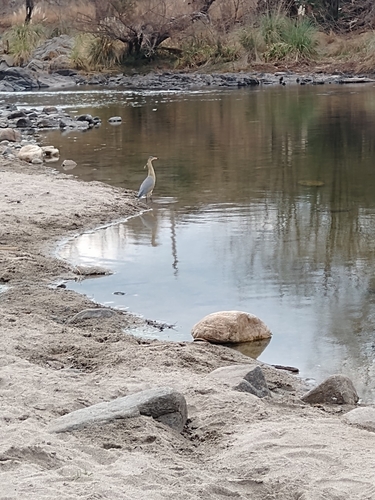
キムネゴイ (Syrigma sibilatrix) キムネゴイ

メディア

読み込み中…

要点

シロゴイサギとキムネゴイを区別する最も信頼できるフィールドマークは、シロゴイサギの固体の黒い冠、青い顔とくちばし、そして長い白い後頭羽の独特の組み合わせであり、これはキムネゴイには見られません。飛んでいる時や休んでいる時、シロゴイサギは全体的に驚くほど淡い色合いで青い顔を持ち、キムネゴイは灰色がかった色合いで対照的な黒またはスレート色の冠、ピンク色のくちばし、シナモンまたはハニー色の上翼の覆い羽を持っています。両種の幼鳥の羽色はそれぞれの成鳥に似ていますが、より鈍い色合いであるため、年齢は主なフィールドマークを根本的に変えることはありません。両種は中型のサギですが、キムネゴイは平均してやや重いです。行動的には、シロゴイサギは森林湿地で単独で見られる可能性が高いのに対し、キムネゴイはしばしば開けた国で餌を探し、より陸生です。

識別のコツ

  1. Crown and face color: シロゴイサギは常に固体の黒い冠と明るい青い顔とくちばしを示し、キムネゴイは黒またはスレートグレーの冠と冠羽を持っていますが、顔は淡く、目の周りに大きな裸の青みがかった部分とピンク色のくちばしがあります。
  2. Nape plumes: シロゴイサギは冠から伸びる3〜4本の長い白い後頭羽を持ち、すべての年齢で見られます。キムネゴイは黒またはスレートの羽毛の短い冠を持っていますが、長い白い後頭羽は決してありません。
  3. Bill color: シロゴイサギのくちばしは完全に青く、顔と一致します。キムネゴイのくちばしはピンク色で青または紫の基部と黒い先端を持ち、決して固体の青ではありません。
  4. Overall plumage: シロゴイサギは全体的に淡い色合いで、白い翼と背中、黄色がかったクリーム色の首と腹部を持っています。キムネゴイは灰色がかった色合いで青灰色の上部、白い下背部、シナモンまたはハニー色の上翼の覆い羽を持っています。
  5. Juvenile differences: 幼鳥のシロゴイサギはやや灰色がかっていますが、黒い冠と青い顔を示します。幼鳥のキムネゴイは成鳥よりも鈍い色合いで、より明るい冠と汚れのない白い喉を持っていますが、成鳥と同じパターンを保持しています。
  6. Flight appearance: シロゴイサギは飛行中は淡い色合いで、翼に強いコントラストはありません。キムネゴイは白い後部と対照的な色の上翼の覆い羽を示し、その飛行は速くアヒルのようで、首は完全には引っ込んでいません。
  7. Leg color: シロゴイサギには特定の脚の色は言及されていませんが、キムネゴイの脚は緑がかった色で比較的短いです。
  8. Behavior: シロゴイサギは孤独で、ゆっくりと動き、通常は日陰の森林湿地で見られます。キムネゴイはしばしば開けた野原を歩いているのが見られ、より陸生です。
  9. Habitat: 鳥が密な熱帯雨林や日陰の川にいる場合、シロゴイサギの可能性が高いです。開けた草原、サバンナ、または農地ではキムネゴイを期待してください。
  10. Voice: キムネゴイだけが大きく、メロディックな口笛や厳しい警報音を出します。シロゴイサギは基本的に静かです。
  11. Size: 両者はサイズが似ていますが、キムネゴイはやや重く見えることがありますが、これはフィールドでは信頼できません。
  12. Sex and season: 両種に性的二形や強い季節変化はありません。フィールドマークは年間を通じて信頼でき、両性に対しても同様です。
  13. Pitfalls: シロゴイサギの黒い冠をキムネゴイの黒またはスレートの冠羽と混同しないでください。シロゴイサギのために青い顔と長い白い後頭羽を探してください。ピンクのくちばしとシナモン/ハニーの翼の覆い羽はキムネゴイに特有です。
  14. Perched vs. in flight: シロゴイサギは常に淡く、止まっている時も飛んでいる時も青い顔とくちばしを示します。キムネゴイは飛行中により多くのコントラストを示し、特に白い後部と色のついた覆い羽が目立ちます。
  15. Group size: シロゴイサギは通常一羽で、キムネゴイはペアや小さな群れで見られることがあります、特に巣作りの時に。

大きさ

両種は中型のサギで、長さの範囲が重なっています。シロゴイサギは51〜59 cmの長さで、キムネゴイは53〜64 cmとやや長いです。しかし、キムネゴイはやや重いです(成鳥の質量521〜546 g対シロゴイサギの444〜632 g、中央値は似ています)。くちばしと足の長さは直接比較されていませんが、キムネゴイは南部亜種において体のサイズに対して短いくちばしが特徴です。フィールドでは、サイズだけでは信頼できる区別にはなりません。

羽色

幼鳥と成鳥のシロゴイサギは非常に似ており、主な違いは幼鳥がやや灰色がかった白い羽毛を持っていることです。すべての年齢での重要なフィールドマークは、固体の黒い冠、青い顔とくちばし、そして長い白い後頭羽です。残りの羽毛は淡い色合いで、首と腹部は黄色がかった白またはクリーム色、翼と背中は純白です。対照的に、キムネゴイの成鳥は黒(指名型)またはスレートグレー(fostersmithi)の冠と冠羽を持ち、上部は青灰色で下背部は白です。上翼の覆い羽はシナモンまたはハニー色で、くちばしはピンクで青または紫の基部と黒い先端を持っています。脚は緑がかった色です。幼鳥は鈍い色合いで、より明るい冠と汚れのない白い喉と側面を持っていますが、同じパターンを保持しています。飛行中、キムネゴイは速くアヒルのような翼の打撃と白い後部を示し、シロゴイサギは全体的に淡い色合いで、対照的な上翼のパネルや覆い羽はありません。

行動

シロゴイサギは通常孤独で、森林湿地でゆっくりと意図的に餌を探し、しばしば日中または薄暮に見られます。主に魚や水生昆虫を狩るため、より水生的な習性を持っています。対照的に、キムネゴイはしばしば開けた野原やサバンナを歩いているのが見られ、水から遠く離れていることもあり、より陸生です。その飛行は速くアヒルのような翼の打撃と、ほとんどのサギとは異なり、完全には引っ込んでいない首が特徴です。キムネゴイは高い木に単独で巣を作るのが見られることもありますが、シロゴイサギの繁殖行動はあまり知られていませんが、家族群を含む可能性があります。

生息環境

シロゴイサギは熱帯雨林の湿地に生息し、パナマから南ブラジルまで分布し、通常は森林の川、池、湿地に見られます。日陰で密に植生がある生息地を好み、開けた国ではめったに見られません。一方、キムネゴイはしばしばサバンナ、草原、農地などの開けた風景に見られ、水から遠く離れていることもあります。より陸生で、乱されたり開けた生息地に対して耐性があります。

声

シロゴイサギは一般的に静かで、特有の鳴き声は知られていません。キムネゴイはその大きく、メロディックで遠くまで届く口笛のために名付けられ、'kee, kee, kee'または'wueeee'と表現され、簡単に模倣され、しばしば連続して出されます。また、厳しい警報音('quah-h-h')も出します。もし口笛のような鳴き声を出すサギを聞いたら、それはほぼ確実にキムネゴイです。

より良い説明を送る

比較と同じ項目を使ってください。文章はすぐに公開されます。

The most reliable field mark to separate Capped Heron from Whistling Heron is the Capped Heron's unique combination of a solid black crown, blue face and bill, and long white nape plumes, which are never shown by Whistling Heron. In flight or at rest, Capped Heron is strikingly pale overall with a blue face, while Whistling Heron appears grayish with a contrasting black or slate crown, a pink-based bill, and cinnamon or honey-toned upperwing coverts. Juvenile plumages of both species are similar to their respective adults but duller, so age does not radically alter the main field marks. Both species are medium-sized herons, but Whistling Heron is slightly heavier on average. Behaviorally, Capped Heron is more likely to be seen alone in forested wetlands, while Whistling Heron often forages in open country and is more terrestrial.

  1. Crown and face color: Capped Heron always shows a solid black crown and a bright blue face and bill; Whistling Heron has a black or slate-gray crown and crest, but the face is pale with a large bare bluish area around the eye and a pink-based bill.
  2. Nape plumes: Capped Heron has three to four long, white nape plumes extending from the crown, visible at all ages; Whistling Heron has a short crest of black or slate plumes but never long white nape feathers.
  3. Bill color: Capped Heron's bill is entirely blue, matching the face; Whistling Heron's bill is pink with a blue/violet base and a black tip, never solid blue.
  4. Overall plumage: Capped Heron is pale overall—white wings and back, yellowish-cream neck and underparts; Whistling Heron is grayish with blue-gray upperparts, white lower back, and cinnamon or honey-toned upperwing coverts.
  5. Juvenile differences: Juvenile Capped Herons are slightly grayer but still show the black crown and blue face; juvenile Whistling Herons are duller than adults, with a lighter crown and unstained white throat, but retain the same pattern as adults.
  6. Flight appearance: Capped Heron is pale in flight, with no strong contrast in the wings; Whistling Heron shows white rear parts and contrasting colored upperwing coverts, and its flight is fast and duck-like, with the neck not fully retracted.
  7. Leg color: Capped Heron has no specific leg color mentioned, but Whistling Heron's legs are greenish and relatively short.
  8. Behavior: Capped Heron is solitary, slow-moving, and usually found in shaded, forested wetlands; Whistling Heron is often seen walking in open fields and is more terrestrial.
  9. Habitat: If the bird is in dense rainforest or along a shaded river, Capped Heron is more likely; in open grassland, savanna, or agricultural land, expect Whistling Heron.
  10. Voice: Only Whistling Heron gives loud, melodious whistles or harsh alarm calls; Capped Heron is essentially silent.
  11. Size: Both are similar in size, but Whistling Heron may appear slightly heavier and longer, though this is not reliable in the field.
  12. Sex and season: No sexual dimorphism or strong seasonal changes in either species; field marks are reliable year-round and for both sexes.
  13. Pitfalls: Do not confuse the black crown of Capped Heron for the black or slate crest of Whistling Heron—look for the blue face and long white nape plumes for Capped Heron. The pink bill and cinnamon/honey wing coverts are unique to Whistling Heron.
  14. Perched vs. in flight: Capped Heron is always pale and shows blue face and bill, perched or flying; Whistling Heron shows more contrast in flight, especially the white rear and colored coverts.
  15. Group size: Capped Heron is usually alone; Whistling Heron may be seen in pairs or small groups, especially when nesting.

Both species are medium-sized herons with overlapping length ranges: Capped Heron measures 51–59 cm in length, while Whistling Heron is slightly longer at 53–64 cm. However, Whistling Heron is somewhat heavier (adult mass 521–546 g vs. Capped Heron's 444–632 g, though the median is similar). Bill and tarsus lengths are not directly compared, but Whistling Heron is noted for a shorter bill relative to body size in its southern subspecies. In the field, size alone is not a reliable separator.

Juvenile and adult Capped Herons are very similar, with the main difference being that juveniles have slightly grayer white feathers. The key field mark at all ages is the solid black crown, blue face and bill, and long white nape plumes. The rest of the plumage is pale: yellowish-white or cream on the neck and underparts, and pure white on the wings and back. In contrast, Whistling Heron adults have a black (nominate) or slate-gray (fostersmithi) crown and crest, with upperparts blue-gray except for a white lower back. The upper wing coverts are cinnamon or honey-colored, and the bill is pink with a blue/violet base and black tip. The legs are greenish. Juveniles are duller, with a lighter crown and unstained white throat and sides, but retain the same pattern. In flight, Whistling Heron shows fast, duck-like wingbeats and white rear parts, while Capped Heron remains pale overall with no contrasting upperwing panels or coverts.

Capped Heron is typically solitary, foraging slowly and deliberately in forested wetlands, often during the day or at twilight. It is more aquatic in its habits, hunting mainly for fish and aquatic insects. Whistling Heron, by contrast, is often seen walking in open fields or savannas, sometimes far from water, and is more terrestrial. Its flight is distinctive for fast, duck-like wingbeats and a neck that is not fully retracted, unlike most herons. Whistling Heron may also be seen nesting alone in tall trees, while Capped Heron's breeding behavior is less well known but likely involves family groups.

Capped Heron is a bird of rainforest wetlands, ranging from Panama to southern Brazil, and is usually found along forested rivers, ponds, and swamps. It prefers shaded, densely vegetated habitats and is rarely seen in open country. Whistling Heron, on the other hand, is often found in open landscapes such as savannas, grasslands, and agricultural fields, sometimes far from water. It is much more terrestrial and tolerant of disturbed or open habitats.

Capped Heron is generally silent and not known for distinctive calls. Whistling Heron is named for its loud, melodious, far-carrying whistles, described as 'kee, kee, kee' or 'wueeee,' which are easily imitated and often given in series. It also gives a harsh alarm call ('quah-h-h'). If you hear a heron giving a whistled or flute-like call, it is almost certainly a Whistling Heron.

変更を破棄しますか?

保存していない編集があります。今離れると失われます。

シロゴイサギ · キムネゴイ · 苦手な鳥