

Motmot

ケープインコ 対 ムラクモインコ

Poicephalus robustus 対 Poicephalus meyeri

ケープインコとムラクモインコのクイズ
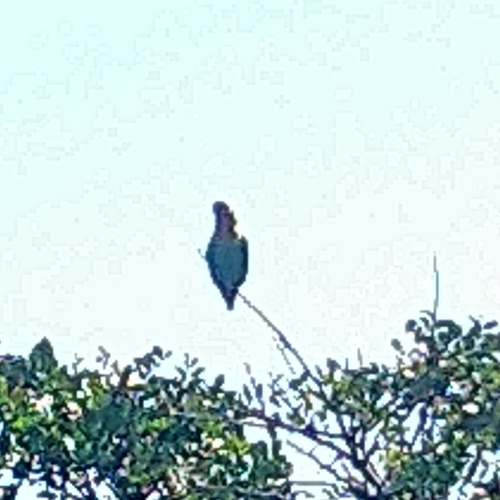
ケープインコ (Poicephalus robustus) ケープインコ
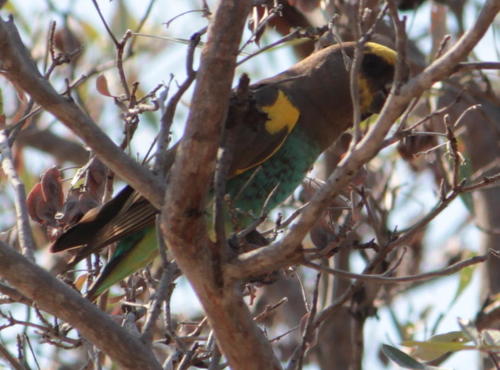
ムラクモインコ (Poicephalus meyeri) ムラクモインコ

メディア

読み込み中…

要点

ケープインコとムラクモインコの最も信頼できるフィールドマークは、手首関節に明るい黄色があることであり、ほとんどの亜種ではムラクモインコの頭頂部にも見られる特徴です。ケープインコにはこの特徴はありません。ケープインコは大きく、目立つほど大きなくちばしと短い尾を持ち、成鳥の雌や幼鳥はしばしばオレンジ色またはピンクがかった額の斑点を示します。ムラクモインコは小さく、青い尾、トルコ石色の腹部、よりコンパクトで暗い頭の外観を持っています。幼いケープインコはより大きなオレンジ色のピンクの額の斑点を示すことがありますが、ムラクモインコの黄色い翼と頭のマーキングは欠けています。これらの違いは、止まっている時と飛んでいる時の両方で見ることができますが、飛行中の視点ではムラクモインコの黄色い手首の斑点と青い尾が強調されることがあります。両種はポイセファルス属のインコですが、構造と色彩は注意深く観察すると明確に異なります。

識別のコツ

  1. 黄色い手首の斑点(ムラクモインコのみ): 翼の曲がり部分に明るい黄色の斑点を探してください。これはすべての年齢と亜種のムラクモインコに特有であり(程度は異なる場合があります)、ケープインコには決して見られません。
  2. 頭頂部の黄色(ムラクモインコ、ほとんどの亜種): ほとんどのムラクモインコは頭の上に黄色を示しますが、ケープインコは決してそうではありません。黄色がないことはムラクモインコを除外するものではなく、一部の亜種は黄色が少ないです。
  3. 青い尾とトルコ石色の腹部(ムラクモインコのみ): 飛行中または羽繕い中に、ムラクモインコは青い尾とトルコ石色の腹部を示します。ケープインコはこれらの特徴を欠き、より均一に緑がかっています。
  4. オレンジ/ピンクの額の斑点(ケープインコの雌と幼鳥): 雌と幼鳥のケープインコはしばしば額に明確なオレンジ色またはピンクがかった斑点を持っていますが、これはムラクモインコには決して見られません。成鳥のオスのケープインコはこのマークを欠くことがあります。
  5. くちばしの大きさと形状: ケープインコは大きく、淡いくちばしを持ち、ムラクモインコの小さく暗いくちばしよりも明らかに大きくて頑丈です。これは双眼鏡で遠くからでも見ることができます。
  6. 尾の長さと形状: ケープインコは短く四角い尾を持ち、ムラクモインコの尾は相対的に長く、より先細りです。
  7. 全体のサイズ: ケープインコはムラクモインコよりも明らかに大きく、ずんぐりとしています。一緒に見たり経験があれば、サイズの違いは明らかです。
  8. 頭の色: ムラクモインコは顔の周りが特に暗く、ほぼ黒っぽい頭を持ち、黄色と青のハイライトと対照的です。ケープインコの頭は緑がかっており、強いコントラストはありません。
  9. 性差(ケープインコ): ケープインコのみが性差を示し、雌は通常オレンジの額の斑点を持っています。ムラクモインコの性別は似ています。
  10. 幼鳥の混乱: 幼いケープインコはより大きなオレンジ色のピンクの額の斑点を持っていますが、黄色や青を示すことはありません。幼いムラクモインコはパターンが成鳥に似ていますが、色が鈍いことがあります。
  11. 生息地の文脈: 黄色木のある温帯林ではケープインコを期待してください。開けた森林やサバンナ、特に南アフリカの外ではムラクモインコがはるかに可能性が高いです。
  12. 飛行パターン: ケープインコは遅い漕ぎ動作で飛び、小さな群れで巣に往復することが多いです。ムラクモインコは開けた森林でペアや小さな群れで見られる可能性が高いです。
  13. 羽毛の均一性: ケープインコはより均一に緑がかっており、ムラクモインコの対照的な黄色と青を欠いています。
  14. ケープインコに黄色や青がない: 翼や頭に黄色の兆候、または尾に青があれば、ケープインコは除外されます。
  15. 羽毛の変異性(ムラクモインコ): ムラクモインコの亜種は黄色と青の量が異なりますが、すべてが手首関節に少なくともいくらかの黄色を示し、これは最も信頼できるマークです。

大きさ

ケープインコはより大きく、頑丈な種であり、非常に大きく強力なくちばしと短い尾を持っています。ムラクモインコは小さく、よりコンパクトで、相対的に小さなくちばしとより繊細な外観を持っています。サイズの違いは、並んで見たり経験があれば最も明らかですが、ケープインコの体格とくちばしの大きさは通常遠くからでも明らかです。

羽色

幼いケープインコと成鳥は手首関節や頭頂部に黄色を示すことはありません。代わりに、成鳥の雌や幼鳥はしばしば額にオレンジ色またはピンクがかった斑点を持ち、これはムラクモインコには欠けています。ムラクモインコは明るい黄色の手首の斑点(すべての年齢とほとんどの亜種で見られる)、頭頂部の黄色(ほとんどの亜種で)、青い尾、トルコ石色の腹部で特徴づけられます。残りの羽毛は主に暗いまたは茶色がかっており、頭には黒っぽい羽毛があります。ケープインコは一般的に緑がかっており、大きく淡いくちばしを持ち、青や黄色のハイライトは欠けています。幼いケープインコはより大きなオレンジ色のピンクの額の斑点を持っていますが、ムラクモインコの青や黄色は示しません。飛行中、ムラクモインコは青い尾と黄色い手首を示し、ケープインコはより均一に見え、これらの色のフラッシュを欠いています。

行動

両種は強力な飛行者であり、騒がしく移動する群れで見ることができます。ケープインコは温帯林の巣に往復する際に、特に遅い漕ぎ動作で飛ぶことが多いです。ムラクモインコはサバンナや森林の環境で見られる可能性が高く、しばしばペアや小さなグループで見られます。両種は鳴いたり餌を食べたりする際に目立ちますが、ケープインコはその飛行スタイルと鳴き声のために森林の端で数えやすいかもしれません。

生息環境

ケープインコは南アフリカの温帯、しばしば山地の森林の専門家であり、アフリカの黄色木に密接に関連しています。ムラクモインコはアフリカのサバンナや森林の広範な種であり、密な森林ではめったに見られません。もし鳥が閉じたキャノピーの温帯森林にいる場合、ケープインコがはるかに可能性が高いです。開けた森林やサバンナ、特に南アフリカの外ではムラクモインコがデフォルトです。

より良い説明を送る

比較と同じ項目を使ってください。文章はすぐに公開されます。

The most reliable field mark between Cape Parrot and Meyer's Parrot is the presence of bright yellow at the carpal (wrist) joint and, in most subspecies, on the crown of Meyer's Parrot—features never shown by Cape Parrot. Cape Parrot is larger, with a noticeably massive bill and a short tail, and adult females and juveniles often show an orange or pinkish forehead patch. Meyer's Parrot is smaller, with a blue rump, turquoise belly, and a more compact, dark-headed look. Juvenile Cape Parrots may show a larger orange-pink forehead patch but lack the yellow wing and head markings of Meyer's. These differences are visible both perched and in flight, but flight views may emphasize the yellow carpal patch and blue rump of Meyer's. Both species are Poicephalus parrots, but their structure and coloration are distinct when carefully observed.

  1. Yellow carpal patch (Meyer's only): Look for a bright yellow patch at the bend of the wing; this is diagnostic for Meyer's Parrot of all ages and subspecies (though extent may vary), and never present on Cape Parrot.
  2. Yellow on crown (Meyer's, most subspecies): Most Meyer's show yellow on the top of the head; Cape Parrot never does. Absence of yellow does not rule out Meyer's, as some subspecies have less yellow.
  3. Blue rump and turquoise belly (Meyer's only): In flight or when preening, Meyer's Parrot shows a blue rump and turquoise belly. Cape Parrot lacks both features and is more uniformly greenish.
  4. Orange/pink forehead patch (Cape Parrot females and juveniles): Female and juvenile Cape Parrots often have a distinct orange or pinkish patch on the forehead; this is never present in Meyer's Parrot. Note that adult male Cape Parrots may lack this mark.
  5. Bill size and shape: Cape Parrot has a massive, pale bill, noticeably larger and more robust than the small, dark bill of Meyer's Parrot. This is visible even at a distance with binoculars.
  6. Tail length and shape: Cape Parrot has a short, squared tail, while Meyer's Parrot's tail is proportionally longer and more tapered.
  7. Overall size: Cape Parrot is distinctly larger and bulkier than Meyer's Parrot. If seen together or with experience, the size difference is obvious.
  8. Head color: Meyer's Parrot has a dark, almost blackish head, especially around the face, contrasting with the yellow and blue highlights. Cape Parrot's head is greenish and lacks strong contrast.
  9. Sexual dimorphism (Cape Parrot): Only Cape Parrot shows sexual dimorphism, with females usually having the orange forehead patch. Meyer's Parrot sexes are similar.
  10. Juvenile confusion: Juvenile Cape Parrots have a larger orange-pink forehead patch but never show yellow or blue; juvenile Meyer's resemble adults in pattern but may have duller colors.
  11. Habitat context: In temperate forest with yellowwood trees, expect Cape Parrot; in open woodland or savanna, especially outside South Africa, Meyer's is much more likely.
  12. Flight pattern: Cape Parrot flies with a slow, rowing motion, often in small groups to and from roosts; Meyer's is more likely to be seen in pairs or small flocks in open woodland.
  13. Plumage uniformity: Cape Parrot is more uniform greenish, lacking the contrasting yellow and blue of Meyer's.
  14. No yellow or blue in Cape Parrot: Any sign of yellow on the wing or head, or blue on the rump, rules out Cape Parrot.
  15. Plumage variability (Meyer's): Meyer's Parrot subspecies vary in the amount of yellow and blue, but all show at least some yellow at the carpal joint, which is the most reliable mark.

Cape Parrot is the larger and more robust species, with a very large, powerful bill and a short tail. Meyer's Parrot is smaller and more compact, with a proportionally smaller bill and a more delicate appearance. The size difference is most obvious when seen side by side or with experience, but the Cape Parrot's bulk and bill size are usually apparent even at a distance.

Juvenile and adult Cape Parrots never show yellow on the carpal joint or crown. Instead, adult females and juveniles often have an orange or pinkish patch on the forehead, which is absent in Meyer's Parrot. Meyer's Parrot is distinctive for its bright yellow carpal patch (visible in all ages and most subspecies), yellow on the crown (in most subspecies), blue rump, and turquoise belly. The rest of the plumage is mostly dark or brownish, with blackish feathers on the head. Cape Parrot is generally greenish with a large, pale bill, and lacks any blue or yellow highlights. Juvenile Cape Parrots have a larger orange-pink forehead patch but do not show the blue or yellow of Meyer's. In flight, Meyer's shows a blue rump and yellow carpal, while Cape Parrot appears more uniform and lacks these color flashes.

Both species are strong fliers and can be seen in noisy, mobile flocks. Cape Parrots are often seen flying slowly with a rowing motion, especially to and from roosts in temperate forests. Meyer's Parrots are more likely to be encountered in savanna or woodland settings, often in pairs or small groups. Both species are conspicuous when vocalizing or feeding, but Cape Parrots may be easier to count at forest edges due to their flight style and calls.

Cape Parrot is a specialist of temperate, often montane forests in South Africa, closely tied to African yellowwood trees. Meyer's Parrot is a widespread species of African savanna and woodland, rarely found in dense forest. If the bird is in a closed-canopy temperate forest, Cape Parrot is much more likely; in open woodland or savanna, especially outside South Africa, Meyer's is the default.

変更を破棄しますか?

保存していない編集があります。今離れると失われます。

ケープインコ · ムラクモインコ · 苦手な鳥