

Motmot

ゼレドンミソサザイ 対 カワマユミソサザイ

Cantorchilus zeledoni 対 Cantorchilus semibadius

ゼレドンミソサザイとカワマユミソサザイのクイズ
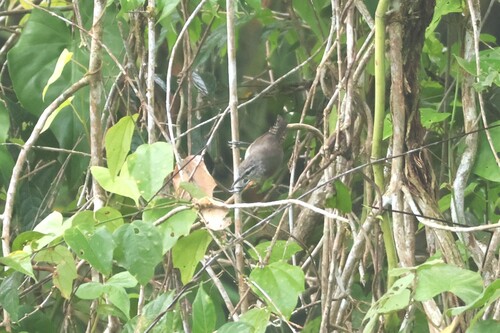
ゼレドンミソサザイ (Cantorchilus zeledoni) ゼレドンミソサザイ
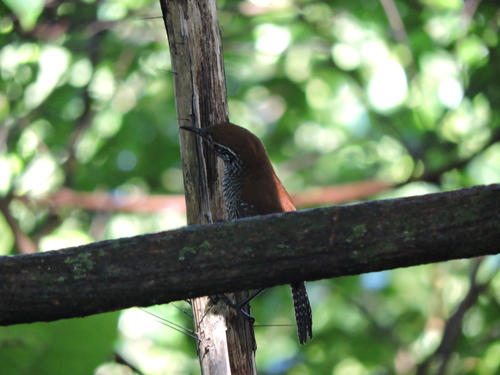
カワマユミソサザイ (Cantorchilus semibadius) カワマユミソサザイ

メディア

読み込み中…

要点

ゼレドンミソサザイとカワマユミソサザイの最も信頼できるフィールドマークは、頭部と上面の色彩の強い違いです:カワマユミソサザイは明るいオレンジ褐色の冠と栗色の背中を示し、一方ゼレドンミソサザイは全体的に褐色がかった灰色で、オリーブ色の尾羽を持っています。カワマユミソサザイの顔は黒と白のストライプと黒の上に白のスーパシリウムで大胆に模様が施されており、ゼレドンミソサザイの白いスーパシリウムとより控えめでまだらな顔と対照的です。すべての羽色において、カワマユミソサザイの腹部は薄い灰色で狭い黒の横縞があり、ゼレドンミソサザイはこの横縞がなく、下側はよりシンプルに見えます。両種の幼鳥はより鈍い色合いですが、顔と腹部の違いは持続します。コスタリカとパナマでは生息地の重複が可能なので、これらの羽色の詳細に注意を払うことが重要です。

識別のコツ

  1. Crown and Upperparts: カワマユミソサザイは明るいオレンジ褐色の冠と栗色の背中/尾羽を持ち、ゼレドンミソサザイは褐色の冠と褐色がかった灰色の上面、オリーブ色の灰色の尾羽を持っています。これは良い光の中で最も迅速な視覚的手がかりです。
  2. Facial Pattern: カワマユミソサザイの顔は大胆に黒と白のストライプと斑点があり、黒の上に白のスーパシリウムがあります。ゼレドンミソサザイは白いスーパシリウム、灰褐色の目のストライプ、まだらな灰色/オフホワイトの頬を持ち、よりシンプルな外観を与えます。
  3. Underparts: カワマユミソサザイは喉から肛門までの薄い灰色の腹部に狭い黒の横縞を示し、後方に向かってバフィーになります。ゼレドンミソサザイは喉がオフホワイト、胸が灰色、下腹部が灰色バフで、横縞はありません。
  4. Tail Pattern: ゼレドンミソサザイの尾羽はオリーブ色の褐色で、はっきりとした暗いバーがあります。カワマユミソサザイの尾羽は黒っぽく、バフホワイトのバーがありますが、これはフィールドでは微妙かもしれません。
  5. Juvenile Plumage: 幼鳥のカワマユミソサザイは冠に細かい黒のスケーリングがあり、下部の横縞はあまりはっきりしていませんが、依然として成鳥の一般的なパターンを示しています。幼鳥のゼレドンミソサザイは鈍い色合いで、顔の模様があまりはっきりしていませんが、カワマユミソサザイの黒のスケーリングや横縞はありません。
  6. Supercilium: 両種は目立つスーパシリウムを持っていますが、カワマユミソサザイのスーパシリウムは黒の上に白でよりはっきりと定義されており、ゼレドンミソサザイのスーパシリウムはシンプルな白です。
  7. Face Contrast: 顔が大胆に模様が施されているかストライプがある場合はカワマユミソサザイを疑い、柔らかくまだらでシンプルに見える場合はゼレドンミソサザイを疑ってください。
  8. Underpart Barring: 腹部に黒の横縞の兆候があればカワマユミソサザイを指し示し、ゼレドンミソサザイは常に下側がシンプルです。
  9. Habitat Context: 密な川岸や湿地の植生、特に太平洋側ではカワマユミソサザイがより可能性が高いです。水から離れているか、乾燥した茂みではゼレドンミソサザイがより可能性が高いですが、重複が発生します。
  10. Group Behavior: カワマユミソサザイはしばしばペアや家族グループで見られ、時にはアリの群れに参加します。ゼレドンミソサザイの社会的行動は文献であまり記録されていないため、これは弱い区別要因です。
  11. Size and Structure: 両者はサイズと構造が非常に似ており、体重や長さに頼って区別しないでください。
  12. Vocalizations: カワマユミソサザイの歌と鳴き声のみが記述されていますが、比較データがないため、声を主要なフィールドマークとして使用しないでください。
  13. Season and Age: 両種の幼鳥は鈍い色合いですが、主要なパターンの違い(顔、冠、腹部の横縞)はすべての年齢で有用です。
  14. Lighting and View: 光が悪い場合は、顔のコントラストと下部の横縞の兆候に焦点を当て、明るい光の中では冠と背中の色の違いがより明らかになります。
  15. Pitfalls: 鈍い幼鳥に注意してください—わずかな黒の横縞(カワマユ)やその欠如(ゼレドン)を探し、顔の模様の大胆さを確認してください。

大きさ

両種は長さが非常に似ており、ゼレドンミソサザイは約14 cm、カワマユミソサザイは13 cmから14 cmの範囲です。カワマユミソサザイは平均してやや重い(17 g)ですが、この違いはフィールドでは明らかではないでしょう。構造的には、両者は典型的なミソサザイであり、文献に記載されたくちばしや尾の形状に強い違いはありません。

羽色

幼鳥のゼレドンミソサザイは鈍い腹部とあまりはっきりしない顔の模様を持っていますが、依然として白いスーパシリウムとまだらな頬を示しています。幼鳥のカワマユミソサザイも全体的に鈍いですが、冠に細かい黒のスケーリングがあり、下部の黒の横縞はあまりはっきりしていません。成鳥では、ゼレドンミソサザイは褐色の冠と褐色がかった灰色の上面、オリーブ色の灰色の尾羽、白いスーパシリウム、シンプルな灰色の胸と腹を持っています。尾羽はオリーブ色の褐色で、はっきりとした暗いバーがあります。カワマユミソサザイの成鳥は、はるかに明るいオレンジ褐色の冠、栗色の後頭部/背中/尾羽、バフホワイトのバーがある黒っぽい尾羽を持っています。顔は黒の上に白のスーパシリウムと黒と白のストライプと斑点で際立った模様が施されています。腹部は薄い灰色で、喉から肛門まで狭い黒の横縞があり、後方に向かってバフィーになります。これらの腹部のバーはゼレドンミソサザイにはありません。両種の幼鳥は鈍い色合いですが、主要なパターンの違いは依然として見えます。

行動

カワマユミソサザイはしばしば地面近くでペアや家族グループで採餌し、時にはアリの群れで混成種の群れに参加します。ゼレドンミソサザイの行動は文献で詳述されていませんが、両種は典型的な活発なミソサザイで、密な植生の中を移動します。カワマユミソサザイは精巧な巣を作り、寝床のような巣に留まることで知られていますが、これはフィールドでの区別要因ではありません。

生息環境

両種はコスタリカとパナマに生息していますが、ゼレドンミソサザイはニカラグアにも分布しています。カワマユミソサザイは太平洋側に制限されており、水路に沿った密な植生、湿地の森林の端、または急な斜面を好み、海面から1,200 mまで生息します。ゼレドンミソサザイの生息地はあまり具体的に記述されていませんが、低地や丘陵の茂みでの重複が可能です。水から離れているか、乾燥した茂みで見られた場合、ゼレドンミソサザイの可能性が高いですが、両者が生息する場所では生息地だけでは診断できません。

声

カワマユミソサザイは繰り返されるフレーズとさまざまな鳴き声を持つ大きく響く歌を持ち、厳しいチャーやクリアなチンク音を含みます。ゼレドンミソサザイの声に関する詳細は文献に記載されていないため、手元の情報では声を信頼できる区別要因として使用しないでください。

より良い説明を送る

比較と同じ項目を使ってください。文章はすぐに公開されます。

The most reliable field mark between Canebrake Wren and Riverside Wren is the strong difference in head and upperpart coloration: Riverside Wren shows a bright orange-brown crown and chestnut back, while Canebrake Wren is overall brownish-gray with an olivaceous rump. Riverside Wren's face is boldly patterned with black-and-white streaks and a black-over-white supercilium, contrasting with the Canebrake Wren's white supercilium and more subdued, mottled face. In all plumages, Riverside Wren's underparts are pale gray with narrow black barring, while Canebrake Wren lacks this barring and appears plainer below. Juveniles of both species are duller, but the facial and underpart differences persist. Habitat overlap is possible in Costa Rica and Panama, so careful attention to these plumage details is essential.

  1. Crown and Upperparts: Riverside Wren has a bright orange-brown crown and chestnut back/rump, while Canebrake Wren is brown-crowned with brownish-gray upperparts and an olivaceous gray rump. This is the quickest visual cue in good light.
  2. Facial Pattern: Riverside Wren's face is boldly streaked and spotted black-and-white, with a black-over-white supercilium. Canebrake Wren has a white supercilium, gray-brown eye-stripe, and mottled gray/off-white cheeks, giving a much plainer look.
  3. Underparts: Riverside Wren shows narrow black barring across pale gray underparts from throat to vent, becoming buffy toward the rear. Canebrake Wren is off-white on the throat, gray on the chest, and gray-buff on the lower belly, with no barring.
  4. Tail Pattern: Canebrake Wren's tail is olivaceous brown with well-defined darker bars. Riverside Wren's tail is blackish with buff-white bars, but this may be subtle in the field.
  5. Juvenile Plumage: Juvenile Riverside Wrens have fine black scaling on the crown and less crisp barring below, but still show the general pattern of adults. Juvenile Canebrake Wrens are duller and have less distinct facial markings, but lack the black scaling and barring of Riverside Wren.
  6. Supercilium: Both species have a prominent supercilium, but Riverside Wren's is black-over-white and more sharply defined, while Canebrake Wren's is plain white.
  7. Face Contrast: If the face looks boldly patterned or streaked, suspect Riverside Wren; if it looks softly mottled and plain, suspect Canebrake Wren.
  8. Underpart Barring: Any sign of black barring on the underparts points to Riverside Wren, as Canebrake Wren is always plain below.
  9. Habitat Context: In dense riverside or swampy vegetation, especially on the Pacific slope, Riverside Wren is more likely. Away from water or in drier thickets, Canebrake Wren is more probable, but overlap occurs.
  10. Group Behavior: Riverside Wren is often seen in pairs or family groups, sometimes at ant swarms. Canebrake Wren's social behavior is less documented, so this is a weak separator.
  11. Size and Structure: Both are similar in size and structure; do not rely on bulk or length for separation.
  12. Vocalizations: Only Riverside Wren's song and calls are described, but without comparative data, do not use voice as a primary field mark.
  13. Season and Age: Both species' juveniles are duller, but the main pattern differences (face, crown, underpart barring) remain useful at all ages.
  14. Lighting and View: In poor light, focus on the contrast of the face and any hint of barring below; in bright light, the crown and back color differences become more obvious.
  15. Pitfalls: Beware of dull juveniles—look for even faint black barring (Riverside) or the lack thereof (Canebrake), and check for the boldness of the facial pattern.

Both species are very similar in length, with Canebrake Wren at about 14 cm and Riverside Wren ranging from 13 to 14 cm. Riverside Wren is slightly heavier on average (17 g), but this difference is not likely to be apparent in the field. Structurally, both are typical wrens with no strong differences in bill or tail shape noted in the sources.

Juvenile Canebrake Wrens have duller underparts and less distinct facial markings, but still show a white supercilium and mottled cheeks. Juvenile Riverside Wrens are also duller overall, but show fine black scaling on the crown and less crisp black barring below. In adults, Canebrake Wren is brown-crowned with brownish-gray upperparts and olivaceous gray rump, a white supercilium, and a plain grayish chest and belly. Its tail is olivaceous brown with clear dark bars. Riverside Wren adults have a much brighter orange-brown crown, chestnut nape/back/rump, and a blackish tail with buff-white bars. The face is strikingly patterned with a black-over-white supercilium and black-and-white streaks and spots. Underparts are pale gray with narrow black barring from throat to vent, becoming buffy toward the rear. These underpart bars are absent in Canebrake Wren. In both species, juveniles are duller but the main pattern differences remain visible.

Riverside Wren often forages near the ground in pairs or family groups, sometimes joining mixed-species flocks at army ant swarms. Canebrake Wren's behavior is not detailed in the sources, but both species are typical active wrens, moving through dense vegetation. Riverside Wren is noted for constructing elaborate nests and roosting 'dormitory' nests, but this is not a field separation.

Both species occur in Costa Rica and Panama, but Canebrake Wren also ranges into Nicaragua. Riverside Wren is restricted to the Pacific slope, favoring dense vegetation along watercourses, swampy woodland edges, or steep slopes, from sea level up to 1,200 m. Canebrake Wren's habitat is less specifically described, but overlap is possible in lowland and foothill thickets. If seen away from water or in drier thickets, Canebrake Wren is more likely, but habitat alone is not diagnostic where both occur.

Riverside Wren has a loud, ringing song with repeated phrases and a variety of calls, including harsh churrs and clear tinkling notes. No vocal details are given for Canebrake Wren in the sources, so voice is not a reliable separator with the information at hand.

変更を破棄しますか?

保存していない編集があります。今離れると失われます。

ゼレドンミソサザイ · カワマユミソサザイ · 苦手な鳥