

Motmot

カナダガン 対 カナダヅル

Branta canadensis 対 Antigone canadensis

カナダガンとカナダヅルのクイズ
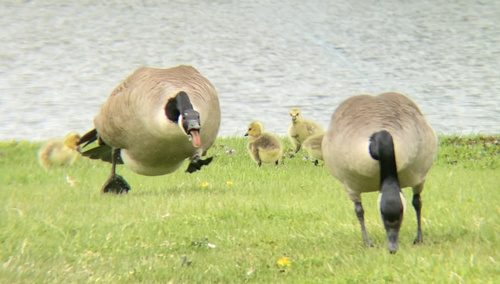
カナダガン (Branta canadensis) カナダガン
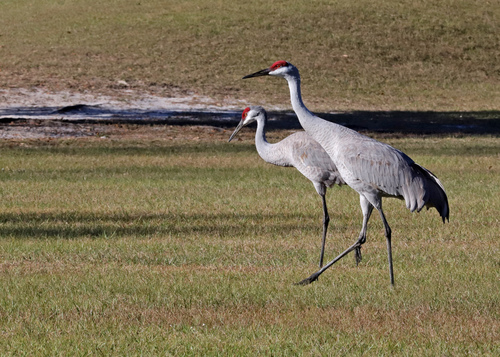
カナダヅル (Antigone canadensis) カナダヅル

メディア

読み込み中…

要点

カナダガンとカナダヅルを区別する最も信頼できる方法は、全体の構造と姿勢によるものです:カナダガンは、黒い首と白い顎ひもを持つずっしりとした短足の水鳥であり、一方カナダヅルは、細い首を持つ背の高い長足の鳥で、灰色の羽毛と赤い額を持っています。飛行中、ヅルは後ろに引きずる足とまっすぐな首を示し、ガンは首を伸ばしたまま足を引っ込めます。幼鳥のカナダヅルは赤い額が欠けていますが、依然として灰色で細長く、カナダガンの茶色い体や黒い首を示すことはありません。両種が遠くで見られたりシルエットで見られたりすると誤認が最も起こりやすいですが、形状や羽毛に注意を払うことでほとんどの混乱を解消できます。

識別のコツ

  1. Head and neck pattern: カナダガンは常に黒い頭と首を持ち、はっきりとした白い顎ひもがあります;カナダヅルは灰色の首と頭を持ち、成鳥には赤い額と白い頬がありますが、顎ひもは示しません。これは年齢に関係なく最も信頼できるフィールドマークです。
  2. Body color: カナダガンは茶色の体を持ちます;カナダヅルは灰色です(繁殖期には時々オーカー色の染みがあります)。幼鳥のヅルは上が赤茶色で下が灰色であり、決してガンのように茶色ではありません。
  3. Legs: カナダヅルは長くて暗い足を持ち、飛行中は尾の後ろに引きずり、歩いているときは明らかです;カナダガンは短い足を持ち、飛行中はほとんど見えず、歩くときはよたよたした歩き方をします。
  4. Bill shape: カナダヅルは長くてまっすぐな尖ったくちばし(ほぼサギのよう)を持ちます;カナダガンは短くて三角形のアヒルのようなくちばしを持っています。これは双眼鏡で中程度の距離で見ることができます。
  5. Posture and jizz: カナダヅルは背が高く直立しており、しばしばガンよりも高くそびえ立ち、細いプロファイルを持っています;カナダガンはより水平でコンパクトです。
  6. Flight silhouette: 飛行中、ヅルは長い首と足をまっすぐに伸ばし、遅く深い羽ばたきや滑空をします;ガンは首を伸ばしたまま足を引っ込めて飛び、長時間滑空することはありません。
  7. Wing pattern: どちらの種にも特有の幼鳥の上翼のマークはありませんが、全体の翼の色が診断的です:ヅルは灰色、ガンは茶色です。
  8. Red forehead: 成鳥のカナダヅルだけが額に赤い斑点を示します;カナダガンは決して示しません。幼鳥のヅルはこれを欠いていますが、依然としてガンには似ていません。
  9. Voice: 違いを聞いてください:ガンはホーンを鳴らし、ヅルはバグルを鳴らします。ヅルの鳴き声は長く、より音楽的で、遠くまで響きます。
  10. Group behavior: カナダガンはしばしば密集した群れで泳いだり草を食べたりし、時には都市公園で見られます;ヅルはしばしば開けた野原や浅い湿地を歩いているのが見られ、時には非常に大きな移動群れで見られます。
  11. Habitat: 鳥が開けた水の上にいる場合、それはほぼ確実にガンです;湿った草地や農業用地を歩いている場合、特に背が高く直立した姿勢であれば、それはおそらくヅルです。
  12. Size impression: ヅルは背が高く細長く、遠くからでも「足が長い」と見えることがよくあります;ガンはよりがっしりしていて地面に近いです。
  13. Juvenile confusion: 幼鳥のカナダヅルは赤い額が欠けていますが、依然として灰色で、顎ひもや茶色の体を発達させることはありません;幼鳥のガンは成鳥の小型で鈍いバージョンのように見えますが、黒と白の頭のパターンを保持しています。
  14. Aggression: カナダガンは巣の近くに近づくと hiss し、突進することがあります;ヅルは人間に対してはあまり攻撃的ではありませんが、お互いにダンスやディスプレイをすることがあります。
  15. Pitfalls: 遠くからの視界や逆光の状況では、両方の鳥が暗く見え、サイズが似ているように見えることがありますが、首の長さ、足の投影、頭のパターンに注意を払うことでほとんどの混乱を解消できます。

大きさ

カナダガンは大きなガンですが、カナダヅルはさらに背が高く、翼が長いです。カナダガンの平均体重は3564 gで、長さは75–110 cm、翼幅は127–185 cmです。カナダヅルは平均してより重く(オスは4.57 kg、メスは4.02 kg)、高さは80–136 cmで、翼幅は約200 cmであり、しばしばどのガンよりも背が高く細長く見えます。カナダガンはよりがっしりしていてコンパクトですが、カナダヅルは細長く手足が長いです。

羽色

幼鳥と未熟なカナダヅルは上が赤茶色で下が灰色であり、成鳥の赤い額が欠けていますが、依然としてほぼ灰色で均一な外観を示します;彼らは決してカナダガンの黒い首や白い顎ひもを持ちません。成鳥のカナダヅルは全体が灰色で、時々オーカー色の染みがあり、赤い額と白い頬を持っています。それに対して、すべてのカナダガン(年齢や亜種に関係なく)は茶色の体、黒い首と頭、そして特有の白い顎ひもを持っています。カナダガンは頭に赤を示したり、全体が灰色の羽毛を持ったりすることはありません。飛行中、カナダヅルは長い後ろ足と灰色の翼を示し、カナダガンは短い足(飛行中は見えない)、茶色の上翼、そしてよりコンパクトな体を持っています。両種の性別は似ています。

行動

カナダガンは通常、水の近くで泳いだり草を食べたりしているのが見られ、しばしば家族群や大きな群れで行動し、領土を守る際には攻撃的になることがあります。彼らはV字型の編隊で飛び、安定した羽ばたきをします。カナダヅルはしばしば開けた野原や浅い湿地を歩いているのが見られ、ゆっくりとした慎重な歩き方で餌を探します。飛行中、ヅルは熱気流に乗って首を伸ばし、後ろ足を引きずりながら、しばしば緩い群れや大きな移動群れで見られます。彼らの姿勢は直立して優雅であり、ガンのかがんだ水平の姿勢と比較されます。

生息環境

両種は水の近くで見られますが、カナダガンは湖、池、川により密接に関連しており、しばしば都市公園や草地で見られます。カナダヅルは開けた湿地、沼地、ボグ、農業用地を好み、特に移動中に見られます。ヅルは開けた水に見られる可能性が低く、より浅く、葦の生えたまたは草のある地域に見られることが多いです。移動の中継地点では重複が見られますが、生息地の好みや行動は通常異なります。

声

カナダガンはお馴染みのホーンを鳴らします(オスは低音、メスは高音)、飛行中や警戒時によく聞かれます。カナダヅルは大きなトランペットのような鳴き声を持ち、長距離にわたって響きます;ペアは同期したユニゾンコールを行います。ヅルの鳴き声はより共鳴し、バグリングし、ガンの鳴き声は鼻にかかったホーンです。これらの鳴き声は聞くと明確で診断的です。

より良い説明を送る

比較と同じ項目を使ってください。文章はすぐに公開されます。

The most reliable way to separate Canada Goose from Sandhill Crane is by overall structure and posture: Canada Goose is a hefty, short-legged waterfowl with a black neck and white chinstrap, while Sandhill Crane is a tall, long-legged bird with a slim neck, gray plumage, and a red forehead. In flight, cranes show trailing legs and straight necks, while geese keep their necks extended but legs tucked. Juvenile Sandhill Cranes lack the red forehead but are still grayish and lanky, never showing the brown body and black neck of Canada Goose. Mistakes are most likely when both species are seen at a distance or in silhouette, but careful attention to shape and plumage will resolve nearly all confusion.

  1. Head and neck pattern: Canada Goose always has a black head and neck with a bold white chinstrap; Sandhill Crane has a gray neck and head, with a red forehead and white cheeks in adults, and never shows a chinstrap. This is the single most reliable field mark at any age.
  2. Body color: Canada Goose is brown-bodied; Sandhill Crane is gray (sometimes ochre-stained in breeding season). Juvenile cranes are reddish-brown above and gray below, never brown like a goose.
  3. Legs: Sandhill Crane has long, dark legs that trail far behind the tail in flight and are obvious when walking; Canada Goose has short legs, barely visible in flight, and walks with a waddling gait.
  4. Bill shape: Sandhill Crane has a long, straight, pointed bill (almost heron-like); Canada Goose has a shorter, triangular, duck-like bill. This is visible at moderate range with binoculars.
  5. Posture and jizz: Sandhill Crane stands tall and upright, often towering over geese, with a slender profile; Canada Goose is more horizontal and compact.
  6. Flight silhouette: In flight, cranes show long necks and legs both extended straight, with slow, deep wingbeats or soaring; geese fly with necks outstretched but legs tucked, and do not soar for long periods.
  7. Wing pattern: No distinctive juvenile upperwing marks for either species, but overall wing color is diagnostic: cranes are gray, geese are brown.
  8. Red forehead: Only adult Sandhill Cranes show a red patch on the forehead; Canada Goose never does. Juvenile cranes lack this but still do not resemble geese.
  9. Voice: Listen for the difference: geese honk, cranes bugle. The crane's call is longer, more musical, and carries farther.
  10. Group behavior: Canada Geese often swim or graze in tight flocks, sometimes in urban parks; cranes are more likely to be seen walking in open fields or shallow marshes, sometimes in very large migratory flocks.
  11. Habitat: If the bird is on open water, it's almost certainly a goose; if it's striding through a wet meadow or agricultural field, especially with a tall, upright posture, it's likely a crane.
  12. Size impression: Cranes are taller and more slender, often appearing 'leggy' even at a distance; geese are stockier and lower to the ground.
  13. Juvenile confusion: Juvenile Sandhill Cranes lack the red forehead but remain grayish and never develop a chinstrap or brown body; juvenile geese look like smaller, duller versions of adults but retain the black-and-white head pattern.
  14. Aggression: Canada Geese may hiss and charge when approached near nests; cranes are less aggressive toward humans but may dance or display to each other.
  15. Pitfalls: Distant or backlit views can make both birds look dark and similar in size, but careful attention to neck length, leg projection, and head pattern will resolve most confusion.

Canada Goose is a large goose, but Sandhill Crane is even taller and longer-winged. Canada Goose averages 3564 g in body mass [wikidata], with a length of 75–110 cm and wingspan of 127–185 cm [wikipedia]. Sandhill Crane is heavier on average (males 4.57 kg, females 4.02 kg), stands 80–136 cm tall, and has a wingspan of about 200 cm, often appearing taller and more slender than any goose [wikipedia]. Canada Goose is bulkier and more compact, while Sandhill Crane is lanky and long-limbed.

Juvenile and immature Sandhill Cranes are reddish-brown above and gray below, lacking the red forehead of adults but still showing a mostly gray, uniform look; they never have the black neck or white chinstrap of Canada Goose. Adult Sandhill Cranes are gray overall, sometimes stained ochre, with a red forehead and white cheeks. In contrast, all Canada Geese (regardless of age or subspecies) have a brown body, black neck and head, and a distinctive white chinstrap. Canada Goose never shows red on the head or overall gray plumage. In flight, Sandhill Cranes show long trailing legs and gray wings, while Canada Geese have shorter legs (not visible in flight), brown upperwings, and a more compact body. Sexes are similar in both species.

Canada Geese are typically seen swimming or grazing near water, often in family groups or large flocks, and may be aggressive when defending territory. They fly in V-formations with steady wingbeats. Sandhill Cranes are often found walking in open fields or shallow wetlands, foraging with a slow, deliberate gait. In flight, cranes soar on thermals with outstretched necks and trailing legs, often in loose groups or large migratory flocks. Their posture is upright and elegant compared to the hunched, horizontal stance of geese.

Both species can be found near water, but Canada Goose is more closely associated with lakes, ponds, and rivers, often in urban parks and grassy areas. Sandhill Crane prefers open wetlands, marshes, bogs, and agricultural fields, especially during migration. Cranes are less likely to be found on open water and more often in shallow, reedy or grassy areas. Overlap occurs in migration stopover areas, but habitat preference and behavior usually differ.

Canada Goose gives a familiar honking call (deep in males, higher-pitched in females), often heard in flight or when alarmed. Sandhill Crane has a loud, trumpeting call with a rolling 'r' quality, carrying over long distances; pairs perform synchronized unison calls. The crane's call is more resonant and bugling, while the goose's is nasal and honking. These vocalizations are distinct and diagnostic when heard.

変更を破棄しますか?

保存していない編集があります。今離れると失われます。

カナダガン · カナダヅル · 苦手な鳥