

Motmot

カナダガン 対 アラビアサバクヒタキ

Branta canadensis 対 Oenanthe lugentoides

カナダガンとアラビアサバクヒタキのクイズ
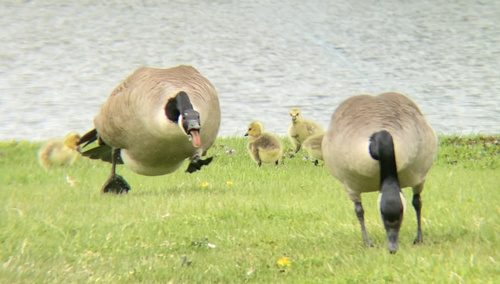
カナダガン (Branta canadensis) カナダガン
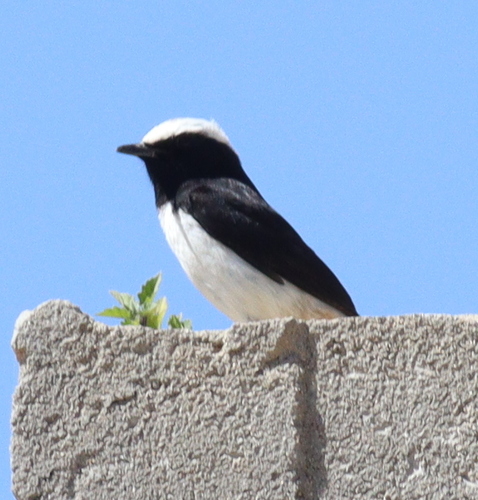
アラビアサバクヒタキ (Oenanthe lugentoides) アラビアサバクヒタキ

メディア

読み込み中…

要点

カナダガンとアラビアサバクヒタキは、サイズ、構造、全体的な外観が非常に異なるため、混乱が生じるのはクイズや非常に視界が悪い場合のみです。カナダガンは、長い首と大胆な黒と白の頭の模様を持つ巨大な水鳥であり、アラビアサバクヒタキは、小さく、直立した止まり木にとまる歌鳥です。これらの種の間には、年齢特有の翼や飛行パターンの重複は存在しません。黒い首と白い顎ひもを持つ大きな茶色の鳥を見たら、それはカナダガンです。アラビアで見かける小さく、直立した昆虫を食べる鳥は、サバクヒタキです。距離があっても、サイズと姿勢は間違いありません。

識別のコツ

  1. サイズが最も即座の手がかり: カナダガンは巨大で重い体を持つ鳥です。アラビアサバクヒタキは小さくて繊細です。同じ双眼鏡の視界で両方を見ることができれば、その違いは圧倒的です。
  2. 頭と首の模様: カナダガンは常に黒い頭と首を持ち、白い頬の斑点と顎ひもを示します。これは、カカカンやバーナクルガンを除いて、その範囲内の鳥の中でユニークです(サバクヒタキではありません)。
  3. 体の色: カナダガンは茶色の体を持ち、淡い腹部を持っています。アラビアサバクヒタキは全体が茶色になることはなく、サバクヒタキに典型的な対照的な暗い部分と淡い部分を示します。
  4. くちばしの形: カナダガンは草を食べるための広く平らなくちばしを持っています。アラビアサバクヒタキは昆虫を捕まえるための細く尖ったくちばしを持っています。
  5. 姿勢と動き: ガンは水平で、水の上や草を食べることが多いです。サバクヒタキは直立して、岩やワイヤーにとまり、短い飛行をします。
  6. 飛行スタイル: カナダガンは力強く、遅い翼の拍動と長い滑空を持ち、しばしば編隊を組みます。アラビアサバクヒタキは素早く、止まり木の間を飛び回ります。
  7. 生息地: 北アメリカやヨーロッパの湿地、湖、草原にいる場合はカナダガンを期待してください。アラビアの岩だらけの乾燥した地域にいる場合はアラビアサバクヒタキを期待してください。
  8. 声: 大きなホーンやシュー音はカナダガンを意味します。柔らかい、チクチクした、または短い歌はサバクヒタキの可能性が高いです。
  9. 群れのサイズ: カナダガンは通常、特に移動中は群れで見られます。アラビアサバクヒタキは通常、単独またはペアで見られます。
  10. 年齢/性別の混乱: アラビアサバクヒタキの年齢や性別は、カナダガンに似ることはありませんし、その逆もありません。
  11. 飛行パターン: サバクヒタキは飛行中にガンのような長い首と引きずる脚を示すことはありません。
  12. クイズの潜在的な落とし穴: サイズの参照がないシルエットクイズだけがこれらを混乱させる可能性がありますが、それでも首の長さと体の形は診断的です。
  13. 異常な羽毛: 白化したり変異したカナダガンでさえ、基本的な頭の模様を保持します。サバクヒタキはこれを示すことはありません。
  14. 地理的文脈: アラビアの外にいる場合、アラビアサバクヒタキを見る可能性は非常に低いです。カナダガンは広く分布していますが、アラビアではまれな迷鳥としてのみ見られます。
  15. 要約のヒント: 黒と白の頭を持ち、長い首の鳥を見たら、それはガンです。小さく、直立して、尾を振る鳥を見たら、それはサバクヒタキです。

大きさ

カナダガンは非常に大きく、平均で3500g以上の質量を持ち、長さは75〜110 cm、翼幅は127〜185 cmです。アラビアサバクヒタキは小さなスズメ目の鳥です(ここでは測定されていませんが、典型的なサバクヒタキは30g未満で約15 cmの長さです)。現場では、ガンは巨大で長い首を持つ鳥であり、サバクヒタキはスズメサイズで岩やワイヤーに直立してとまります。サイズやシルエットにおいて重複は考えられません。

羽色

年齢や飛行羽毛の混乱は不可能です。すべての年齢と性別のカナダガンは、白い頬の斑点と顎ひもを持つ特徴的な黒い頭と首、茶色がかった体、淡い腹部を示します。白化したり変異した個体でさえ、基本的なパターンを保持します。アラビアサバクヒタキは、すべての羽毛において黒と白の頭の模様を欠き、代わりに典型的なサバクヒタキの色合いを示します:暗いまたは黒っぽい顔と喉、淡い腹部、そしてしばしば白い尾羽と黒い端のバンドを持っています(これらのメモには詳細はありませんが、属に一致しています)。幼鳥や未熟なカナダガンは、サバクヒタキに遠く似た羽毛を発達させることはなく、その逆もありません。

行動

カナダガンは通常、水の近くで群れで泳いだり、草を食べたり、陸を歩いたり、騒がしいV字編隊で飛んでいるのが見られます。アラビアサバクヒタキは、岩、ポスト、または低い低木に直立してとまり、昆虫を捕まえるために短い飛び出しをする単独またはペアの鳥です。彼らの動き、食事、社会的行動は全く異なります。

生息環境

カナダガンは北アメリカに自生していますが、広く導入されています。湿地、湖、川、草原に見られ、常に水の近くにいます。アラビアサバクヒタキは、オマーン、サウジアラビア、イエメンの乾燥した地域に制限され、岩だらけの丘や乾燥した低木を好みます。両者は自然の範囲や生息地の好みで重複しません。

声

カナダガンは非常に声が大きく、雄は大きなホーンの鳴き声を、雌は高音のヒンクの鳴き声を持っています。アラビアサバクヒタキは、他のサバクヒタキと同様に、短く鋭い鳴き声やシンプルな歌を発しますが、ここでは詳細は提供されていません。いずれにせよ、ガンの鳴き声は間違いなく、はるかに大きいです。

より良い説明を送る

比較と同じ項目を使ってください。文章はすぐに公開されます。

The Canada Goose and Arabian Wheatear are so different in size, structure, and overall appearance that confusion is only likely in a quiz or with extremely poor views. The Canada Goose is a massive waterfowl with a long neck and bold black-and-white head pattern, while the Arabian Wheatear is a small, upright perching songbird. No age-specific wing or flight pattern overlap exists between these species. If you see a large brown bird with a black neck and white chinstrap, it is a Canada Goose; any small, upright, insect-eating bird in Arabia is the wheatear. Even at a distance, the size and jizz are unmistakable.

  1. Size is the most immediate clue: Canada Goose is a huge, heavy-bodied bird; Arabian Wheatear is tiny and delicate. If you can see both in the same binocular view, the difference is overwhelming.
  2. Head and neck pattern: Canada Goose always shows a black head and neck with a white cheek patch and chinstrap—unique among birds in its range except for Cackling and Barnacle Geese (not the wheatear).
  3. Body color: Canada Goose is brown-bodied with pale underparts; Arabian Wheatear is never brown all over and shows contrasting dark and pale areas typical of wheatears.
  4. Bill shape: Canada Goose has a broad, flat bill for grazing; Arabian Wheatear has a thin, pointed bill for catching insects.
  5. Posture and movement: Geese are horizontal, often on water or grazing; wheatears are upright, perching on rocks or wires and making short flights.
  6. Flight style: Canada Goose is powerful, with slow wingbeats and long glides, often in formation; Arabian Wheatear is quick and flits between perches.
  7. Habitat: If you are in a wetland, lake, or grassy field in North America or Europe, expect Canada Goose; if in rocky, arid regions of Arabia, expect Arabian Wheatear.
  8. Voice: Loud honking or hissing means Canada Goose; any soft, ticking, or short song is more likely the wheatear.
  9. Flock size: Canada Geese are usually in flocks, especially in migration; Arabian Wheatear is usually solitary or in pairs.
  10. Age/sex confusion: No age or sex of Arabian Wheatear ever resembles a Canada Goose, and vice versa.
  11. Flight pattern: No wheatear shows the long neck and trailing legs of a goose in flight.
  12. Potential quiz pitfalls: Only a silhouette quiz with no size reference could possibly confuse these, and even then, the neck length and body shape are diagnostic.
  13. Unusual plumages: Even leucistic or variant Canada Geese retain the basic head pattern; no wheatear ever shows this.
  14. Geographic context: If you are outside Arabia, you are extremely unlikely to see Arabian Wheatear; Canada Goose is widespread but not in Arabia except as a rare vagrant.
  15. Summary tip: If you see a black-and-white-headed, long-necked bird, it is a goose; if you see a small, upright, tail-flicking bird, it is a wheatear.

Canada Goose is vastly larger, averaging over 3500g in mass [wikidata], with a length of 75–110 cm and a wingspan of 127–185 cm [wikipedia]. Arabian Wheatear is a small passerine (not measured here, but typical wheatears are under 30g and about 15 cm long). In the field, the goose is a hulking, long-necked bird, while the wheatear is sparrow-sized and perches upright on rocks or wires. There is no conceivable overlap in size or silhouette.

No age or flight plumage confusion is possible. Canada Goose of all ages and sexes shows a distinctive black head and neck with a white cheek patch and chinstrap, brownish body, and pale underparts. Even leucistic or variant individuals retain the basic pattern. Arabian Wheatear, in all plumages, lacks any black-and-white head pattern and instead shows typical wheatear coloration: dark or blackish face and throat, pale underparts, and often a white rump and tail with a black terminal band (not detailed in these notes, but consistent with the genus). Juvenile or immature Canada Geese do not develop any plumage remotely similar to a wheatear, and vice versa.

Canada Goose is usually seen swimming or grazing in flocks near water, walking on land, or flying in noisy V-formations. Arabian Wheatear is a solitary or paired bird, perching upright on rocks, posts, or low shrubs, and making short sallies to catch insects. Their movement, feeding, and social behavior are entirely different.

Canada Goose is native to North America but introduced widely; it is found in wetlands, lakes, rivers, and grassy fields, always near water [wikipedia]. Arabian Wheatear is restricted to arid regions of Oman, Saudi Arabia, and Yemen, favoring rocky hillsides and dry scrub. The two do not overlap in natural range or habitat preference.

Canada Goose is highly vocal, with loud honking calls (male) and higher-pitched hrink calls (female) [wikipedia]. Arabian Wheatear, like other wheatears, gives short, sharp calls and simple songs, but no details are provided here. In any case, the goose's calls are unmistakable and much louder.

変更を破棄しますか?

保存していない編集があります。今離れると失われます。

カナダガン · アラビアサバクヒタキ · 苦手な鳥