

Motmot

ニシルリガシラタイヨウチョウ 対 キノドタイヨウチョウ

Cyanomitra oritis 対 Chalcomitra adelberti

ニシルリガシラタイヨウチョウとキノドタイヨウチョウのクイズ
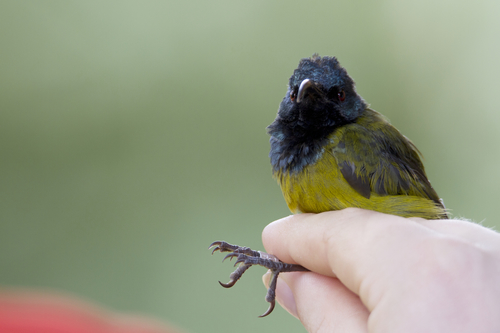
ニシルリガシラタイヨウチョウ (Cyanomitra oritis) ニシルリガシラタイヨウチョウ
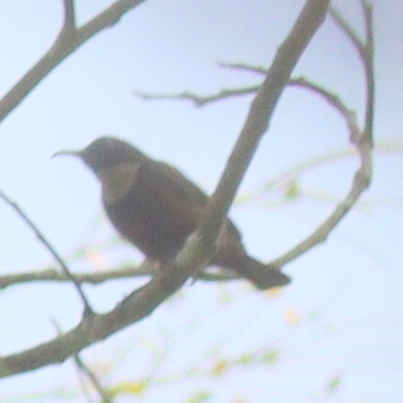
キノドタイヨウチョウ (Chalcomitra adelberti) キノドタイヨウチョウ

メディア

読み込み中…

要点

カメルーンタイヨウチョウとキノドタイヨウチョウの最も信頼できるフィールドマークは、特に成鳥のオスにおける羽毛の色合いと構造的な違いの組み合わせです。カメルーンタイヨウチョウのオスは、紫色の反射を伴う金属的なスチールブルーの上胸とオリーブグリーンの体を示します。一方、キノドタイヨウチョウのオス(ここでは詳細には説明されていませんが、他の情報源から知られています)は、特徴的なバフ色の喉とより広範な金属的な色合いを持っています。カメルーンタイヨウチョウの雌と幼鳥は一般的に鈍いオリーブブラウンで、黄色がかった腹部を持ち、幼鳥はさらに鈍く、明るい黄色の腹部を持っています。構造的な違いにはくちばしが含まれます:カメルーンタイヨウチョウの雌と幼鳥は、キノドタイヨウチョウの典型的な長く湾曲したくちばしに比べて、短く、あまり曲がっていないくちばしを持っています。両種はカメルーンとナイジェリアで分布が重なりますが、カメルーンタイヨウチョウは山地の森林に限定されているのに対し、キノドタイヨウチョウはより広範な低地や二次生息地に見られます。

識別のコツ

  1. 成鳥オスの胸の色: カメルーンタイヨウチョウのオスは、紫色の反射を伴う金属的なスチールブルーの上胸とオリーブグリーンの体を示します。キノドタイヨウチョウのオスは、特徴的なバフ色の喉の斑点と他の部分でより広範な金属的な色合いを持っています。このコントラストを良い光の中で探してください。
  2. 雌と幼鳥のくちばしの形: カメルーンタイヨウチョウの雌と幼鳥は、キノドタイヨウチョウよりも明らかに短く、あまり曲がっていないくちばしを持っています。これは羽毛が鈍いときに特に有用です。
  3. 幼鳥/幼体の腹部: 幼いカメルーンタイヨウチョウは、上も下も鈍い茶色または灰色で、明るい黄色の腹部とスチールブルー(紫がかった青ではない)喉と胸を持っています。幼鳥は緑がかった頭の光沢と、胸の下まで伸びる金属的な青を示します。完全な成鳥の羽毛がない鳥にはこれらのマークを使用してください。
  4. 雌の羽毛: カメルーンタイヨウチョウの雌は、上がオリーブブラウンで、黄色がかった鈍い腹部を持ち、胸の房がありません。キノドタイヨウチョウの雌は一般的にあまり鮮やかではありませんが、特定の違いは微妙です。くちばしの形と構造にもっと頼ってください。
  5. アイリング: 成鳥のカメルーンタイヨウチョウは明るい淡い青のアイリングを持っており、近距離で見ることができ、キノドタイヨウチョウでは説明されていません。
  6. 生息地の文脈: 特にカメルーン、ナイジェリア、またはビオコの1000 m以上の山地の森林では、カメルーンタイヨウチョウがはるかに可能性が高いです。低地または二次成長では、キノドタイヨウチョウが優勢です。
  7. 地理的重複: 両種はカメルーンとナイジェリアに生息しているため、分布だけでは診断できません。常に生息地と標高を確認してください。
  8. くちばしの色: 両種は黒いくちばしと足を持っているため、これは区別にはなりません。
  9. 虹彩の色: カメルーンタイヨウチョウは暗い茶色の虹彩を持っており、キノドタイヨウチョウでは説明されていません。これは現場ではあまり役に立ちません。
  10. 性差: カメルーンタイヨウチョウのオスは雌よりもはるかに鮮やかで、明確なスチールブルーとオリーブグリーンのコントラストがあります。雌は鈍く、キノドタイヨウチョウの雌と混同される可能性があるため、構造と生息地の手がかりがより重要になります。
  11. 飛行時の視点: どちらの種にも特有の上翼や飛行パターンのマークは説明されていないため、構造と全体的な色合いに頼ってください。
  12. 止まっている時の視点: 特に良い光の中で、止まっている鳥の胸の色、アイリング、くちばしの形に注目してください。
  13. 季節的変化: 強い季節的な羽毛の変化は説明されていません。年齢と性別の違いがより重要です。
  14. 鳴き声: 利用可能なメモには説明されていません。地元の知識がない限り、声に頼って区別しないでください。
  15. 一般的な落とし穴: 両種の幼鳥と雌は非常に似て見えることがあります。常に複数のフィールドマーク(くちばしの形、生息地、微妙な羽毛の色合い)を組み合わせて、単一の特徴に頼らないでください。

大きさ

カメルーンタイヨウチョウのみが文書化された平均体重(11.2 g [wikidata])を持っています。キノドタイヨウチョウはサイズが似ている可能性がありますが、両者は典型的な小型のタイヨウチョウであり、直接的な測定は利用できません。現場では、サイズだけではこれら二種を信頼できる区別にはなりません。

羽色

幼鳥と幼体のカメルーンタイヨウチョウは、成鳥よりも上も下も鈍い色合いで、金属的な部分が茶色または灰色に置き換わり、明るい黄色の腹部を持っています。喉と胸はスチールブルー(深い紫がかった青ではない)で、幼鳥はより暗いオリーブトーンを持ち、緑がかった頭の光沢と胸の下まで伸びる金属的な青の部分を持っています。雌は上がオリーブブラウンで、黄色がかった鈍い腹部を持ち、胸の房がありません。成鳥のオスは、紫色の反射を伴う金属的なスチールブルーの上胸、オリーブグリーンの後頭部と体、淡い青のアイリングを持っています。キノドタイヨウチョウについては、年齢特有の羽毛の詳細はここでは提供されていませんが、成鳥のオスはバフ色の喉の斑点と他の部分でより広範な金属的な色合いを持っていることが知られています。雌と幼鳥のキノドタイヨウチョウは一般的にあまり鮮やかではありませんが、カメルーンタイヨウチョウの雌/幼鳥との特定のコントラストはこれらのメモには詳細に記載されていません。要約すると、カメルーンタイヨウチョウのオスのスチールブルーの胸とオリーブグリーンの体、キノドタイヨウチョウのオスのバフ色の喉を探してください。雌と幼鳥については、くちばしの形と微妙な羽毛の色合いがより有用です。

行動

両種は蜜を食べる鳥であり、花の中で活発に採餌しているのが見られることが多く、しばしば樹冠や森林の端で見られます。利用可能な情報源には、これら二種の間に診断的な行動の違いは記載されていません。

生息環境

カメルーンタイヨウチョウはカメルーン、ナイジェリア、赤道ギニア(ビオコを含む)の山地の森林に限定され、高地の森林環境を好みます。キノドタイヨウチョウは、カメルーンやナイジェリアを含む西部および中央アフリカ全体の低地の森林、二次成長、森林の端に広範な範囲で生息しています。1000 m以上の真の山地の森林で観察された場合、カメルーンタイヨウチョウの可能性が高く、低地または乱れた生息地ではキノドタイヨウチョウがデフォルトです。

より良い説明を送る

比較と同じ項目を使ってください。文章はすぐに公開されます。

The most reliable field mark between Cameroon Sunbird and Buff-throated Sunbird is the combination of plumage coloration and structural differences, especially in adult males. Cameroon Sunbird males show a metallic steel-blue upper breast with violet reflections and olive-green body, while Buff-throated Sunbird males (not described in detail here, but known from other sources) have a distinctive buff-colored throat and more extensive metallic coloration. Females and immatures of Cameroon Sunbird are generally duller olive-brown with yellow-tinged underparts, and juveniles are even duller with a bright yellow belly. Structural differences include the bill: Cameroon Sunbird females and immatures have a shorter, less curved bill compared to the long, decurved bill typical of Buff-throated Sunbird. Both species overlap in range in Cameroon and Nigeria, but Cameroon Sunbird is restricted to montane forests, while Buff-throated Sunbird is found in a wider range of lowland and secondary habitats.

  1. Adult male breast color: Cameroon Sunbird males show a metallic steel-blue upper breast with violet reflections and olive-green body. Buff-throated Sunbird males have a distinctive buff throat patch and more extensive metallic coloration elsewhere; look for this contrast in good light.
  2. Female and immature bill shape: Cameroon Sunbird females and immatures have a noticeably shorter, less curved bill than Buff-throated Sunbird, which typically has a longer, decurved bill. This is especially useful when plumage is dull.
  3. Juvenile/immature underparts: Juvenile Cameroon Sunbirds are dull brown or grey above and below, with a bright yellow belly and steel-blue (not purplish-blue) throat and breast. Immatures show a greenish head gloss and a metallic blue that extends farther down the breast. Use these marks for birds lacking full adult plumage.
  4. Female plumage: Cameroon Sunbird females are olive-brown above with yellow-tinged, dull underparts and lack pectoral tufts. Buff-throated Sunbird females are generally less vibrant but specific differences are subtle; rely more on bill shape and structure.
  5. Eyering: Adult Cameroon Sunbirds have a bright, pale blue eyering, which may be visible at close range and is not described for Buff-throated Sunbird.
  6. Habitat context: In montane forest above 1000 m, especially in Cameroon, Nigeria, or Bioko, Cameroon Sunbird is much more likely. In lowland or secondary growth, Buff-throated Sunbird predominates.
  7. Geographic overlap: Both species occur in Cameroon and Nigeria, so range alone is not diagnostic; always check habitat and elevation.
  8. Bill color: Both species have black bills and legs, so this is not a separator.
  9. Iris color: Cameroon Sunbird has a dark brown iris, which is not described for Buff-throated Sunbird; this is rarely useful in the field.
  10. Sexual dimorphism: Cameroon Sunbird males are much more vibrant than females, with clear steel-blue and olive-green contrasts. Females are duller and can be confused with Buff-throated Sunbird females, so structural and habitat clues become more important.
  11. Flight views: No distinctive upperwing or flight pattern marks are described for either species, so rely on structure and overall coloration.
  12. Perched views: Focus on breast color, eyering, and bill shape for perched birds, especially in good light.
  13. Seasonal variation: No strong seasonal plumage changes are described; age and sex differences are more important.
  14. Vocalizations: Not described in the available notes; do not rely on voice for separation unless local knowledge is available.
  15. Common pitfalls: Immature and female sunbirds of both species can appear very similar; always combine multiple field marks (bill shape, habitat, subtle plumage tones) rather than relying on a single feature.

Only Cameroon Sunbird has a documented average mass (11.2 g [wikidata]); Buff-throated Sunbird is likely similar in size, as both are typical small sunbirds, but no direct measurement is available. In the field, size alone is unlikely to be a reliable separator between these two species.

Juvenile and immature Cameroon Sunbirds are duller above and below than adults, with brown or grey replacing metallic areas and a bright yellow belly. Their throat and breast are steel-blue (not deep purplish-blue), and immatures have a darker olive tone with a greenish head gloss and a metallic blue area extending farther down the breast. Females are olive-brown above with yellow-tinged, dull underparts and lack pectoral tufts. Adult males have a metallic steel-blue upper breast with violet reflections, olive-green hindneck and body, and a pale blue eyering. For Buff-throated Sunbird, detailed age-specific plumage is not provided here, but adult males are known to have a buff throat patch and more extensive metallic coloration elsewhere. Female and immature Buff-throated Sunbirds are generally less vibrant, but specific contrasts with Cameroon Sunbird females/immatures are not detailed in these notes. In summary, look for the steel-blue breast and olive-green body on Cameroon Sunbird males, and the buff throat on Buff-throated Sunbird males; for females and immatures, bill shape and subtle plumage tones are more useful.

Both species are nectar feeders and are likely to be seen actively foraging among flowers, often in the canopy or at forest edges. There is no diagnostic behavioral difference noted between these two species in the available sources.

Cameroon Sunbird is restricted to montane forests in Cameroon, Nigeria, and Equatorial Guinea (including Bioko), favoring high-altitude forest environments. Buff-throated Sunbird has a much broader range, occurring in lowland forests, secondary growth, and forest edges across West and Central Africa, including Cameroon and Nigeria. If observed in true montane forest above 1000 m, Cameroon Sunbird is more likely; in lowland or disturbed habitats, Buff-throated Sunbird is the default.

変更を破棄しますか?

保存していない編集があります。今離れると失われます。

ニシルリガシラタイヨウチョウ · キノドタイヨウチョウ · 苦手な鳥