

Cameroon Sunbird vs Buff-throated Sunbird
Cyanomitra oritis contro Chalcomitra adelberti
Fai un quiz con Cameroon Sunbird e Buff-throated Sunbird
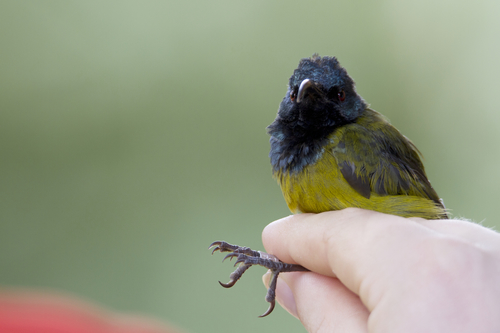 Cameroon Sunbird
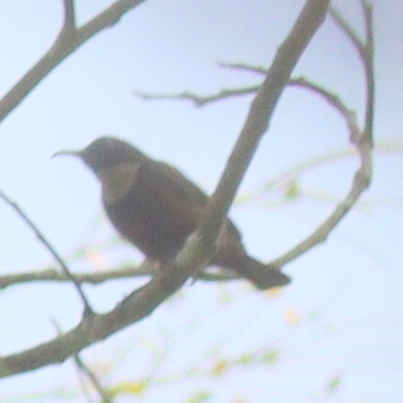 Buff-throated Sunbird
In breve
Il segno di campo più affidabile tra il Cameroon Sunbird e il Buff-throated Sunbird è la combinazione di colorazione del piumaggio e differenze strutturali, specialmente nei maschi adulti. I maschi di Cameroon Sunbird mostrano un petto superiore blu acciaio metallico con riflessi viola e un corpo verde oliva, mentre i maschi di Buff-throated Sunbird (non descritti in dettaglio qui, ma noti da altre fonti) hanno una gola di un distintivo colore buff e una colorazione metallica più estesa. Le femmine e gli immaturi di Cameroon Sunbird sono generalmente di un marrone oliva più opaco con parti inferiori tendenti al giallo, e i giovani sono ancora più opachi con una pancia gialla brillante. Le differenze strutturali includono il becco: le femmine e gli immaturi di Cameroon Sunbird hanno un becco più corto e meno curvo rispetto al lungo becco ricurvo tipico del Buff-throated Sunbird. Entrambe le specie si sovrappongono nell'areale in Camerun e Nigeria, ma il Cameroon Sunbird è limitato alle foreste montane, mentre il Buff-throated Sunbird si trova in un'ampia gamma di habitat di pianura e secondari.
Consigli di identificazione
- Colore del petto del maschio adulto: I maschi di Cameroon Sunbird mostrano un petto superiore blu acciaio metallico con riflessi viola e un corpo verde oliva. I maschi di Buff-throated Sunbird hanno una distintiva macchia di gola buff e una colorazione metallica più estesa altrove; cerca questo contrasto in buona luce.
- Forma del becco delle femmine e degli immaturi: Le femmine e gli immaturi di Cameroon Sunbird hanno un becco visibilmente più corto e meno curvo rispetto al Buff-throated Sunbird, che tipicamente ha un becco più lungo e ricurvo. Questo è particolarmente utile quando il piumaggio è opaco.
- Parti inferiori dei giovani/immaturi: I giovani Cameroon Sunbirds sono di un marrone o grigio opaco sopra e sotto, con una pancia gialla brillante e una gola e un petto blu acciaio (non porpora). Gli immaturi mostrano un riflesso verde sulla testa e un blu metallico che si estende più in basso sul petto. Usa questi segni per gli uccelli privi di piumaggio adulto completo.
- Piumaggio delle femmine: Le femmine di Cameroon Sunbird sono di un marrone oliva sopra con parti inferiori opache tendenti al giallo e mancano di ciuffi pettorali. Le femmine di Buff-throated Sunbird sono generalmente meno vivaci, ma le differenze specifiche sono sottili; fai affidamento di più sulla forma e sulla struttura del becco.
- Anello oculare: Gli adulti di Cameroon Sunbirds hanno un anello oculare blu chiaro e brillante, che può essere visibile a distanza ravvicinata e non è descritto per Buff-throated Sunbird.
- Contesto dell'habitat: Nelle foreste montane sopra i 1000 m, specialmente in Camerun, Nigeria o Bioko, il Cameroon Sunbird è molto più probabile. Nelle foreste di pianura o nella crescita secondaria, il Buff-throated Sunbird predomina.
- Sovrapposizione geografica: Entrambe le specie si trovano in Camerun e Nigeria, quindi l'areale da solo non è diagnostico; controlla sempre l'habitat e l'elevazione.
- Colore del becco: Entrambe le specie hanno becchi e zampe neri, quindi questo non è un separatore.
- Colore dell'iride: Il Cameroon Sunbird ha un'iride marrone scuro, che non è descritta per il Buff-throated Sunbird; questo è raramente utile sul campo.
- Dimorfismo sessuale: I maschi di Cameroon Sunbird sono molto più vivaci delle femmine, con chiari contrasti blu acciaio e verde oliva. Le femmine sono più opache e possono essere confuse con le femmine di Buff-throated Sunbird, quindi gli indizi strutturali e dell'habitat diventano più importanti.
- Visioni in volo: Non sono descritti segni distintivi sulle ali superiori o schemi di volo per nessuna delle due specie, quindi fai affidamento sulla struttura e sulla colorazione generale.
- Visioni in perching: Concentrati sul colore del petto, sull'anello oculare e sulla forma del becco per gli uccelli in perching, specialmente in buona luce.
- Variazione stagionale: Non sono descritti forti cambiamenti nel piumaggio stagionale; le differenze di età e sesso sono più importanti.
- Vocalizzazioni: Non descritte nelle note disponibili; non fare affidamento sulla voce per la separazione a meno che non sia disponibile una conoscenza locale.
- Trappole comuni: Gli immaturi e le femmine di entrambe le specie possono apparire molto simili; combina sempre più segni di campo (forma del becco, habitat, toni di piumaggio sottili) piuttosto che fare affidamento su una singola caratteristica.
Taglia
Solo il Cameroon Sunbird ha una massa media documentata (11.2 g [wikidata]); il Buff-throated Sunbird è probabilmente simile in dimensioni, poiché entrambi sono tipici piccoli sunbirds, ma non è disponibile alcuna misurazione diretta. Sul campo, la dimensione da sola è improbabile che sia un separatore affidabile tra queste due specie.
Piumaggio
I giovani e gli immaturi di Cameroon Sunbird sono più opachi sopra e sotto rispetto agli adulti, con marrone o grigio che sostituisce le aree metalliche e una pancia gialla brillante. La loro gola e il loro petto sono blu acciaio (non blu porpora profondo), e gli immaturi hanno una tonalità oliva più scura con un riflesso verde sulla testa e un'area blu metallica che si estende più in basso sul petto. Le femmine sono di un marrone oliva sopra con parti inferiori opache tendenti al giallo e mancano di ciuffi pettorali. I maschi adulti hanno un petto superiore blu acciaio metallico con riflessi viola, un collo e un corpo verde oliva, e un anello oculare blu pallido. Per il Buff-throated Sunbird, il piumaggio specifico per età non è fornito qui, ma si sa che i maschi adulti hanno una macchia di gola buff e una colorazione metallica più estesa altrove. Le femmine e gli immaturi di Buff-throated Sunbird sono generalmente meno vivaci, ma i contrasti specifici con le femmine/gli immaturi di Cameroon Sunbird non sono dettagliati in queste note. In sintesi, cerca il petto blu acciaio e il corpo verde oliva nei maschi di Cameroon Sunbird, e la gola buff nei maschi di Buff-throated Sunbird; per le femmine e gli immaturi, la forma del becco e i toni di piumaggio sottili sono più utili.
Comportamento
Entrambe le specie sono nettarivore e sono probabilmente viste mentre cercano attivamente cibo tra i fiori, spesso nella chioma o ai margini della foresta. Non è stata notata alcuna differenza comportamentale diagnostica tra queste due specie nelle fonti disponibili.
Habitat
Il Cameroon Sunbird è limitato alle foreste montane in Camerun, Nigeria e Guinea Equatoriale (incluso Bioko), preferendo ambienti forestali ad alta quota. Il Buff-throated Sunbird ha un'ampia gamma, presente in foreste di pianura, crescita secondaria e margini forestali in tutta l'Africa occidentale e centrale, compresi Camerun e Nigeria. Se osservato in una vera foresta montana sopra i 1000 m, il Cameroon Sunbird è più probabile; in habitat di pianura o disturbati, il Buff-throated Sunbird è il default.
Cameroon Sunbird · Buff-throated Sunbird · I miei uccelli difficili