

Motmot

カリフォルニアカモメ 対 ワシカモメ

Larus californicus 対 Larus glaucescens

カリフォルニアカモメとワシカモメのクイズ
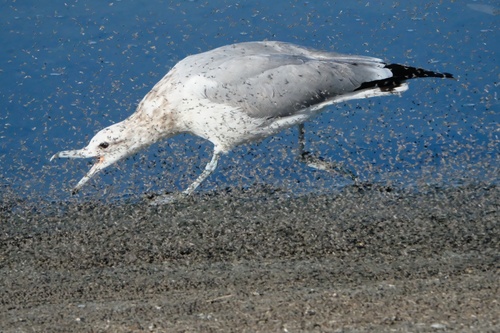
カリフォルニアカモメ (Larus californicus) カリフォルニアカモメ
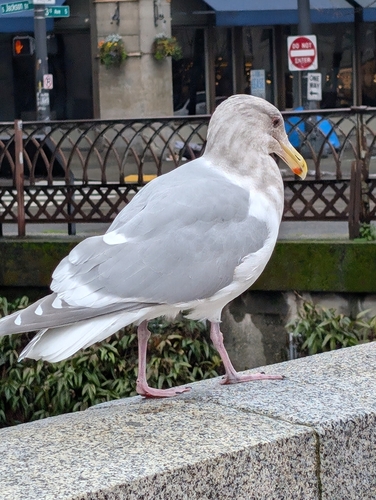
ワシカモメ (Larus glaucescens) ワシカモメ

メディア

読み込み中…

要点

カリフォルニアカモメとワシカモメの間で最も信頼できるフィールドマークは、成鳥の翼端の色です:カリフォルニアカモメは白い先端を持つ黒い一次羽を持ち、ワシカモメは背中に合った淡い灰色の翼端を持っています。すべての羽衣において、カリフォルニアカモメは黄色い脚と茶色い目を示し、ワシカモメのピンクの脚と淡い目と対照的です。サイズも役立ちます:ワシカモメはより大きく、長いですが、重複に注意してください。未熟な鳥は難しい場合がありますが、カリフォルニアカモメは全体的により茶色く見える傾向があり、ワシカモメの未熟な個体はより淡く、より均一です。まず翼端の色を確認し、その後脚と目の色を確認し、サイズを補助的な手がかりとして使用してください。

識別のコツ

  1. Adult wingtip color: カリフォルニアカモメの成鳥は白い先端を持つ黒い一次羽を持ち、ワシカモメの成鳥は背中に合った淡い灰色の一次羽を持っています。これはすべての季節で成鳥にとって最も信頼できるマークです。
  2. Leg color: カリフォルニアカモメは黄色い脚を持っています(すべての年齢);ワシカモメはピンクの脚を持っています。脚の色は、鳥が止まっているときや立っているときに見え、飛んでいるときにはあまり見えません。
  3. Eye color: カリフォルニアカモメは成鳥として茶色い目を持ち、ワシカモメは淡い目を持っています。これは距離があるときは微妙ですが、近くでは役立ちます。
  4. Bill pattern: カリフォルニアカモメの成鳥は、先端近くに黒いリングと赤い斑点を持つ黄色いくちばしを示し、ワシカモメは赤い斑点だけの黄色いくちばしを持っています。黒いリングは繁殖期の成鳥に特に役立ちます。
  5. Size and structure: ワシカモメはより大きく、長く、重く、より厚いくちばしと深い胸を持っています。カリフォルニアカモメはスリムで中型です。重複があるため、サイズは補助的な手がかりとしてのみ使用してください。
  6. Head shape: カリフォルニアカモメはより丸い頭を持ち、ワシカモメの頭はより大きく、ブロック状です。これは微妙で、他のマークと一緒に使用するのが最適です。
  7. Immature plumage: 幼鳥と未熟なカリフォルニアカモメはより茶色く、より模様があり、特に上面と翼においてそうです。ワシカモメの未熟な個体はより淡く、より均一な灰色がかった茶色で、翼の模様に強い対照がありません。飛んでいるとき、カリフォルニアカモメの未熟な個体は、暗い一次羽と淡い内翼の間により強い対照を示すことがありますが、これはワシカモメではあまり目立ちません。
  8. Adult mantle color: 両者は灰色の背中を持っていますが、ワシカモメのものはアメリカオオセグロカモメよりも淡く、シロカモメよりも暗く、カリフォルニアカモメと似ているか、わずかに淡いです。背中の色合いは、これら二つの主な区別要因ではありません。
  9. Nonbreeding head streaking: ワシカモメは非繁殖(冬)羽衣で頭により多くの斑点を示すことがあります;カリフォルニアカモメの頭は通常よりきれいです。
  10. Habitat context: 内陸で見られた場合、特に太平洋沿岸から離れている場合、カリフォルニアカモメの可能性がはるかに高いです。外側の太平洋沿岸、特にカリフォルニアの北部では、ワシカモメがより一般的です。
  11. Hybrid confusion: 太平洋北西部では、ハイブリッド(特にワシカモメ x アメリカオオセグロカモメ)に注意してください。これらは中間的な翼端と背中の色を示すことがあります。脚の色とくちばしのパターンを追加のチェックとして使用してください。
  12. Tail color: 両方の成鳥は白い尾を持っています;区別要因ではありません。
  13. Voice: 現在の情報では診断的ではありません。
  14. Behavior: フィールドで信頼できる違いはありません。
  15. Season: 上記のすべてのマークは年間を通じて適用されますが、頭の斑点は冬に最も役立ちます。

大きさ

ワシカモメはカリフォルニアカモメよりも明らかに大きく、重いです。平均体重は約1063gで、カリフォルニアカモメは775gです。ワシカモメはまた、体が長く(50–68 cm対46–55 cm)、翼が広い(翼幅120–150 cm対122–137 cm)ですが、重複があります。フィールドでは、ワシカモメはしばしばより頑丈で厚みがあるように見え、カリフォルニアカモメはスリムで中型に見えます。混合群れではサイズに注意を払い、大きなカリフォルニアカモメと小さなワシカモメが重複する可能性があるため、注意してください。

羽色

成鳥の場合、重要な違いは翼端にあります:カリフォルニアカモメは白い先端を持つ黒い一次羽を持ち、灰色の上翼との間に鋭い対照を生み出しますが、ワシカモメは背中に合った淡い灰色の一次羽を持ち、ほとんど対照のない「洗い流された」外観を与えます。カリフォルニアカモメは黄色い脚と茶色い目を持ち、ワシカモメはピンクの脚と淡い目を持っています。カリフォルニアカモメのくちばしは先端近くに黒いリングと赤い斑点を持つ黄色で、ワシカモメは赤い斑点だけの黄色いくちばしを持っています。未熟なカリフォルニアカモメはより茶色く、より模様がありますが、ワシカモメの未熟な個体はより淡く、より均一な灰色がかった茶色で、翼の模様に強い対照がありません。飛んでいるとき、幼鳥と未熟なカリフォルニアカモメは暗い一次羽と淡い内翼の間により強い対照を示すことがありますが、これはワシカモメではあまり目立ちません。尾と頭は両方の成鳥で主に白いですが、ワシカモメは非繁殖羽衣でより多くの斑点を示すことがあります。

行動

両種は行動において典型的な大型カモメであり、混合群れでくつろいだり、ゴミをあさったり、海岸や都市部で餌を探したりするのがよく見られます。ワシカモメはその大きなサイズのためにより支配的で鈍重に見えることがありますが、カリフォルニアカモメはより活発で敏捷に見えることがあります。フィールドで診断的な大きな行動の違いはありません。

生息環境

カリフォルニアカモメは北アメリカ西部全体に広く分布しており、内陸や沿岸で見られ、湖、農地、ゴミ捨て場でよく見られます。ワシカモメはより沿岸性で、特にアラスカからカリフォルニアまでの太平洋沿岸に生息し、内陸ではあまり見られません。範囲が重複する場所(太平洋沿岸)では、両者が一緒に発生することがありますが、ワシカモメは海洋生息地により結びついており、カリフォルニアカモメはより柔軟です。ハイブリッドのワシカモメ x アメリカオオセグロカモメは太平洋北西部で一般的で、識別を複雑にすることがあります。

より良い説明を送る

比較と同じ項目を使ってください。文章はすぐに公開されます。

The most reliable field mark between California Gull and Glaucous-winged Gull is the color of the wingtips in adults: California Gulls have black primaries with white tips, while Glaucous-winged Gulls have pale grey wingtips that match the mantle. In all plumages, California Gulls show yellow legs and brown eyes, contrasting with the pink legs and pale eyes of Glaucous-winged. Size can help: Glaucous-winged is bulkier and longer, but beware overlap. Immature birds can be tricky, but California Gulls tend to look browner overall, while Glaucous-winged immatures are paler and more uniform. Always check wingtip color first, then leg and eye color, and use size as a supporting clue.

  1. Adult wingtip color: California Gull adults have black primaries with white tips; Glaucous-winged adults have pale grey primaries matching the mantle. This is the single most reliable mark in all seasons for adults.
  2. Leg color: California Gull has yellow legs (all ages); Glaucous-winged has pink legs. Leg color is visible when birds are perched or standing, less so in flight.
  3. Eye color: California Gull has brown eyes as an adult; Glaucous-winged has pale eyes. This is subtle at distance but useful up close.
  4. Bill pattern: California Gull adults show a yellow bill with both a black ring and a red spot near the tip; Glaucous-winged has a yellow bill with only a red spot. The black ring is especially useful in breeding adults.
  5. Size and structure: Glaucous-winged is bulkier, longer, and heavier, with a thicker bill and deeper chest. California Gull is slimmer and more medium-sized. Use size only as a supporting clue due to overlap.
  6. Head shape: California Gull has a more rounded head; Glaucous-winged's head is larger and blockier. This is subtle and best used with other marks.
  7. Immature plumage: Juvenile and immature California Gulls are browner and more patterned, especially on the upperparts and wings. Glaucous-winged immatures are paler, more uniform grey-brown, and lack strong contrast in wing pattern. In flight, California Gull immatures may show more contrast between dark primaries and paler inner wing.
  8. Adult mantle color: Both have grey mantles, but Glaucous-winged's is paler than Western Gull, darker than Glaucous Gull, and similar to or slightly paler than California Gull. Mantle shade is not a primary separator between these two.
  9. Nonbreeding head streaking: Glaucous-winged can show more streaking on the head in nonbreeding (winter) plumage; California Gull's head is usually cleaner.
  10. Habitat context: If seen inland, especially away from the Pacific coast, California Gull is far more likely. On the outer Pacific coast, especially north of California, Glaucous-winged is more common.
  11. Hybrid confusion: In the Pacific Northwest, beware hybrids (especially Glaucous-winged x Western Gull), which can show intermediate wingtip and mantle colors. Use leg color and bill pattern as additional checks.
  12. Tail color: Both adults have white tails; not a separator.
  13. Voice: Not diagnostic with current information.
  14. Behavior: Not reliably different in the field.
  15. Season: All marks above apply year-round, but head streaking is most useful in winter.

Glaucous-winged Gull is noticeably larger and heavier than California Gull, with an average body mass of about 1063 g compared to 775 g for California Gull. Glaucous-winged also has a longer body (50–68 cm vs. 46–55 cm) and broader wings (wingspan 120–150 cm vs. 122–137 cm), though there is some overlap. In the field, Glaucous-winged often looks more robust and thick-set, while California Gull appears slimmer and more medium-sized. Use size with caution in mixed flocks, as large California Gulls and small Glaucous-winged can overlap.

For adults, the key difference is in the wingtips: California Gulls have black primaries with white tips, creating a sharp contrast with the grey upperwing, while Glaucous-winged Gulls have pale grey primaries that are similar in shade to the mantle, giving a 'washed-out' look with little contrast. California Gulls have yellow legs and brown eyes, while Glaucous-winged Gulls have pink legs and pale eyes. The bill of California Gull is yellow with both a black ring and a red spot near the tip; Glaucous-winged has a yellow bill with only a red spot. Immature California Gulls are browner and more patterned, while Glaucous-winged immatures are paler, more uniform grey-brown, and lack strong contrast in the wing pattern. In flight, juvenile and immature California Gulls may show more contrast between the dark primaries and paler inner wing, but this is less pronounced in Glaucous-winged, which looks more evenly pale. Tail and head are mostly white in both adults, but Glaucous-winged can show more streaking in nonbreeding plumage.

Both species are typical large gulls in behavior, often seen loafing in mixed flocks, scavenging, or foraging along shorelines and urban areas. Glaucous-winged Gulls may appear more dominant and sluggish due to their larger size, while California Gulls can seem more active and agile. No major behavioral differences are diagnostic in the field.

California Gulls are widespread across western North America, found inland and on coasts, often at lakes, agricultural fields, and garbage dumps. Glaucous-winged Gulls are more coastal, especially along the Pacific from Alaska to California, and are less likely inland. Where ranges overlap (Pacific coast), both can occur together, but Glaucous-winged is more tied to marine habitats, while California Gull is more flexible. Hybrid Glaucous-winged x Western Gulls are common in the Pacific Northwest and can complicate identification.

変更を破棄しますか?

保存していない編集があります。今離れると失われます。

カリフォルニアカモメ · ワシカモメ · 苦手な鳥