

Motmot

カリフォルニアカモメ 対 アメリカセグロカモメ

Larus californicus 対 Larus smithsonianus

カリフォルニアカモメとアメリカセグロカモメのクイズ
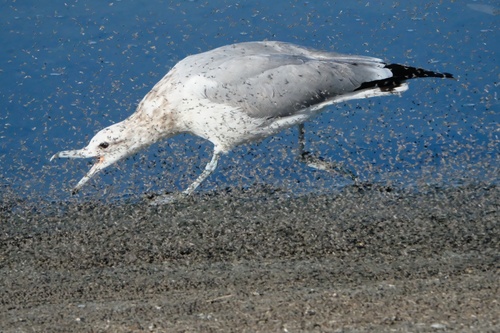
カリフォルニアカモメ (Larus californicus) カリフォルニアカモメ
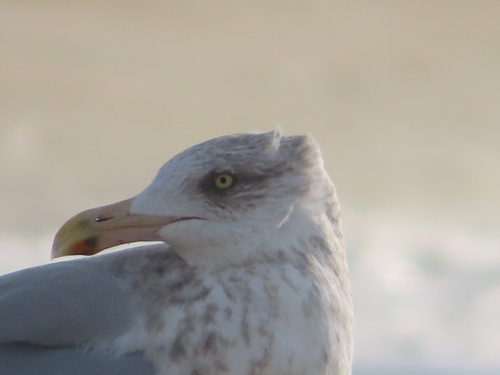
アメリカセグロカモメ (Larus smithsonianus) アメリカセグロカモメ

メディア

読み込み中…

要点

カリフォルニアカモメとアメリカセグロカモメの最も信頼できるフィールドマークは脚の色です:成鳥のカリフォルニアカモメは黄色の脚を持ち、アメリカセグロカモメはピンクの脚を持っています。幼鳥の場合、分離ははるかに難しくなりますが、Herring Gullはより大きく、より強力なくちばしを持ち、明確な暗い尾帯を持つ、より暗く均一な茶色の幼羽を持っています。カリフォルニアカモメはより小さく、より丸い頭、茶色の目、黒いリングと赤い斑点の両方を持つくちばしを持っています。飛行中、幼鳥のHerring Gullは暗い尾とより淡い内側の初列風切を示し、カリフォルニアカモメの幼鳥は全体的に一般的に茶色がかっています。両種は特に非繁殖羽衣では似ているように見えることがありますが、脚の色、サイズ、頭の形、くちばしのパターンに注意を払うことで区別するのに役立ちます。

識別のコツ

  1. Leg color (adults): カリフォルニアカモメは黄色の脚を持ち、アメリカセグロカモメはピンクの脚を持っています。これは成鳥にとって最も信頼できるフィールドマークです。
  2. Eye color (adults): カリフォルニアカモメは茶色の目を持ち、Herring Gullは淡いから中程度の黄色の目を持ち、黄色またはオレンジの眼窩リングがあります。これは微妙ですが、近距離では役立ちます。
  3. Bill pattern (adults): カリフォルニアカモメは先端近くに黒いリングと赤い斑点の両方を持つ黄色のくちばしを持っています。Herring Gullは下顎に赤い斑点のみを持つ黄色のくちばしを持ち、黒いリングはありません。
  4. Head shape: カリフォルニアカモメはより丸い頭を持ち、Herring Gullはよりふっくらした胸、傾斜のある額、より角ばったブロック状の頭のプロファイルを持っています。
  5. Size and structure: Herring Gullはより大きく、よりがっしりしており、より重厚に作られており、より長く、より太いくちばしを持っています。カリフォルニアカモメは中型で、スリムで軽量です。
  6. Immature plumage (first-winter): Herring Gullは灰色がかった茶色で、より暗く均一で、暗い尾帯、暗いバーのある茶色の尾羽、暗いくちばし(冬には基部が淡い)を持っています。カリフォルニアカモメの幼鳥も茶色ですが、全体的により淡く、均一性が少なく、強い尾帯が欠けており、しばしばよりまだらに見えます。
  7. Immature wing pattern (flight): Herring Gullは暗い外側の初列風切を持ち、より淡い内側の初列風切を持ち、飛行中に目立つ暗い尾帯を持っています。カリフォルニアカモメはそのような強いコントラストが欠けており、全体的に茶色がかり、尾のパターンがあまり明確ではありません。
  8. Adult wing pattern: 両方とも黒い翼先端と白い斑点を持つ灰色の上翼を持っていますが、Herring Gullはより広い白い後縁と初列風切のより大きな白い「ミラー」を持っています。
  9. Head streaking (non-breeding): 冬には、Herring Gullは頭と首に茶色のストリーキングを発達させますが、カリフォルニアカモメはよりクリーンな頭を保ちます。
  10. Bill size and shape: Herring Gullはより長く、より強力なくちばしを持ち、特に横から見たときや並んで見たときに目立ちます。
  11. Jizz in flight: Herring Gullは飛行中により重く、より鈍重に見えますが、カリフォルニアカモメはより浮力があり、あまり重くありません。
  12. Habitat: 範囲が重なる場所では診断的ではありませんが、カリフォルニアカモメは西部内陸でより一般的であり、Herring Gullは北アメリカ全体に広がっています。
  13. Voice: コールだけでフィールドで確実に分離することはできません。
  14. Sexual dimorphism: 両種は両性で似た羽衣を示しますが、サイズの違いはHerring Gullでより顕著で、オスはメスよりも大きいです。
  15. Pitfalls: 両種の幼鳥は非常に似ており、特に距離がある場合や光が悪い場合には非常に分離が難しいことがあります。可能な限り、サイズ、くちばしの構造、飛行中の尾/翼のパターンに焦点を当ててください。

大きさ

カリフォルニアカモメは平均体重約775.5gの中型カモメで、アメリカセグロカモメよりも小さいです。Herring Gullはより大きく、よりがっしりしており、オスは最大1,650g、メスは最大900gに達します。Herring Gullはより長く、より強力なくちばしを持ち、ふっくらした胸と一般的によりがっしりした構造を持っています。カリフォルニアカモメは小型のHerring Gullとサイズが重なりますが、通常は直接比較で明らかに軽く、スリムです。

羽色

幼鳥と初冬の鳥の場合、アメリカセグロカモメは灰色がかった茶色で、ヨーロッパセグロカモメよりも暗く均一で、暗い尾帯、暗いバーのある茶色の尾羽、暗いくちばし(冬には基部が淡い)を持っています。彼らの頭はしばしば体よりも淡いことがあり、初列風切は暗く、内側のウェブが淡いです。カリフォルニアカモメの幼鳥はHerring Gullの幼鳥に似ていますが、全体的により茶色がかり、Herring Gullの暗い尾帯と淡い頭の強いコントラストが欠けています。成鳥のカリフォルニアカモメは黄色の脚、茶色の目、より丸い頭、先端近くに黒いリングと赤い斑点の両方を持つ黄色のくちばしを持っています。彼らの上面は灰色で、黒い初列風切の先端は白です。成鳥のHerring Gullはピンクの脚、淡い目、赤い斑点のある黄色のくちばし(黒いリングなし)、よりがっしりした、より角ばった頭を持っています。冬には、Herring Gullは頭と首に茶色のストリーキングを発達させますが、カリフォルニアカモメはよりクリーンな外観を保ちます。両種は成鳥として白い頭と腹部、灰色の背中、黒い翼先端に白い斑点を持っています。

行動

両種は一般的な食物摂取者であり、さまざまな生息地で見られ、しばしばゴミ捨て場、駐車場、海岸でスカベンジングを行います。Herring Gullはその大きなサイズと重厚な体格のため、より支配的で攻撃的に見える傾向があります。カリフォルニアカモメはより敏捷で、あまり威圧的でないように見えることがあります。飛行スタイルは似ていますが、Herring Gullはより鈍重で力強く見えることがありますが、カリフォルニアカモメは飛行中にわずかに浮力があり、あまり重くありません。

生息環境

両種は北アメリカ全体に広がっており、多くの地域で重なり合っています。特に大陸の西部と北部で。Herring Gullは海岸、湖、川を含む広範囲で繁殖し、都市部でも一般的です。カリフォルニアカモメも西部で広く分布し、カナダからメキシコまで、水の近く、しばしば内陸でも海岸でも見られます。生息地だけでは、彼らの範囲が重なる場所では通常診断的ではありません。

声

提供された情報源には診断的な違いは記載されていません。両種は大型カモメに典型的なさまざまな大きくて厳しいコールを持っています。

より良い説明を送る

比較と同じ項目を使ってください。文章はすぐに公開されます。

The most reliable field mark between California Gull and American Herring Gull is leg color: adult California Gulls have yellow legs, while American Herring Gulls have pink legs. For immatures, separation is much tougher, but Herring Gulls are bulkier and have a more powerful bill and a darker, more uniform brown juvenile plumage with a distinctly dark tail band. California Gulls are smaller, with a more rounded head, brown eyes, and a bill with both a black ring and a red spot. In flight, immature Herring Gulls show a dark tail and paler inner primaries, while California Gull immatures are generally browner overall. Both species can appear similar, especially in non-breeding plumages, but careful attention to leg color, size, head shape, and bill pattern will help distinguish them.

  1. Leg color (adults): California Gulls have yellow legs; American Herring Gulls have pink legs. This is the single most reliable field mark for adults.
  2. Eye color (adults): California Gulls have brown eyes, while Herring Gulls have pale to medium yellow eyes with a yellow or orange orbital ring. This is subtle but useful at close range.
  3. Bill pattern (adults): California Gulls have a yellow bill with both a black ring and a red spot near the tip. Herring Gulls have a yellow bill with only a red spot on the lower mandible, no black ring.
  4. Head shape: California Gulls have a more rounded head; Herring Gulls have a fuller chest, sloping forehead, and a more angular, blocky head profile.
  5. Size and structure: Herring Gulls are larger, bulkier, and more heavily built, with a longer, thicker bill. California Gulls are medium-sized, slimmer, and lighter.
  6. Immature plumage (first-winter): Herring Gulls are gray-brown, darker and more uniform, with a dark tail band, brown rump with dark bars, and a dark bill (paler at base in winter). California Gull immatures are also brown but tend to be paler and less uniform, lacking the strong tail band and often appearing more mottled.
  7. Immature wing pattern (flight): Herring Gulls show dark outer primaries with paler inner primaries, and a dark tail band that is prominent in flight. California Gulls lack such strong contrast and are overall browner, with less distinct tail patterning.
  8. Adult wing pattern: Both have gray upperwings with black wingtips and white spots, but Herring Gulls have a broader white trailing edge and larger white 'mirrors' on the primaries.
  9. Head streaking (non-breeding): In winter, Herring Gulls develop brown streaking on the head and neck, while California Gulls remain cleaner-headed.
  10. Bill size and shape: Herring Gulls have a longer, more powerful bill, especially noticeable in profile or when seen side-by-side.
  11. Jizz in flight: Herring Gulls appear heavier and more ponderous in flight; California Gulls are more buoyant and less heavy.
  12. Habitat: Not diagnostic where ranges overlap, but California Gulls are more common inland in the west, while Herring Gulls are widespread across North America.
  13. Voice: Not reliably separable in the field based on calls alone.
  14. Sexual dimorphism: Both species show similar plumage in both sexes; size differences are more pronounced in Herring Gulls, with males larger than females.
  15. Pitfalls: Immature birds of both species are very similar and can be extremely difficult to separate, especially at a distance or in poor light. Focus on size, bill structure, and tail/wing pattern in flight when possible.

California Gull is a medium-sized gull with an average body mass of about 775.5 g [wikidata], smaller than the American Herring Gull. Herring Gulls are larger and more heavily built, with males reaching up to 1,650 g and females up to 900 g [wikipedia]. Herring Gulls have a longer, more powerful bill, fuller chest, and a generally bulkier structure. California Gulls overlap in size with smaller Herring Gulls but are usually noticeably lighter and more slender in direct comparison.

For immatures and first-winter birds, American Herring Gulls are gray-brown, darker and more uniform than European herring gulls, with a dark tail band, brown rump with dark bars, and a dark bill (paler at base in winter). Their head is often paler than the body, and the primaries are dark with paler inner webs. California Gull immatures are similar to immature Herring Gulls but tend to be browner overall, and lack the strong contrast of the Herring Gull's dark tail band and pale head. Adult California Gulls have yellow legs, brown eyes, a more rounded head, and a yellow bill with both a black ring and a red spot near the tip. Their upperparts are gray, with black primaries tipped white. Adult Herring Gulls have pink legs, pale eyes, a yellow bill with a red spot (no black ring), and a bulkier, more angular head. In winter, Herring Gulls develop brown streaking on the head and neck, while California Gulls retain a cleaner look. Both species have white heads and underparts, gray backs, and black wingtips with white spots as adults.

Both species are generalist feeders and can be found in a wide range of habitats, often scavenging at garbage dumps, parking lots, and shorelines. Herring Gulls tend to appear more dominant and aggressive due to their larger size and heavier build. California Gulls may seem more agile and less imposing. Flight style is similar, but Herring Gulls may appear more ponderous and powerful, while California Gulls are slightly more buoyant and less heavy in flight.

Both species are widespread in North America and overlap in many regions, especially in the western and northern parts of the continent. Herring Gulls breed across a wide range, including coasts, lakes, and rivers, and are common in urban settings. California Gulls are also widespread in the west, from Canada to Mexico, and are found near water, often inland as well as on the coast. Habitat alone is not usually diagnostic where their ranges overlap.

No diagnostic differences are noted in the provided sources. Both species have a variety of loud, harsh calls typical of large gulls.

変更を破棄しますか?

保存していない編集があります。今離れると失われます。

カリフォルニアカモメ · アメリカセグロカモメ · 苦手な鳥