

Motmot

ムジミソサザイ 対 パナマミソサザイ

Cantorchilus modestus 対 Cantorchilus elutus

ムジミソサザイとパナマミソサザイのクイズ
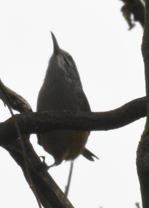
ムジミソサザイ (Cantorchilus modestus) ムジミソサザイ
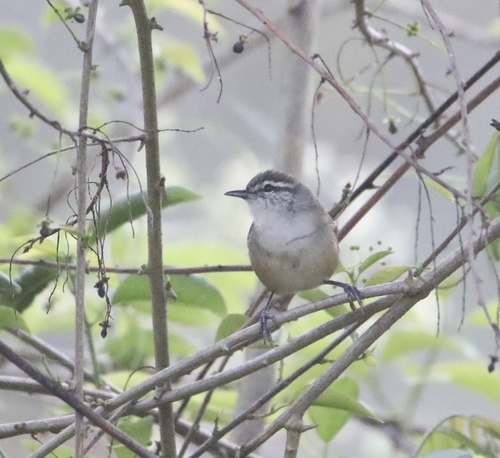
パナマミソサザイ (Cantorchilus elutus) パナマミソサザイ

メディア

読み込み中…

要点

カバニスミソサザイとパナマミソサザイの最も信頼できるフィールドマークは、臀部と尾の色です:カバニスミソサザイは明確にオレンジがかった赤褐色の臀部と赤褐色の尾を示しますが、パナマミソサザイはより淡い赤褐色の臀部と赤褐色の尾を持っています。両種はサイズと構造が似ており、顔の模様も似ていますが、背中と腹部の色合いの微妙な違いが役立つことがあります。未熟な鳥は両種ともに成鳥よりも鈍い色合いを持っているため、分離は同じ羽毛のコントラストに依存します。分布も強い手がかりです:カバニスミソサザイはコスタリカの北に生息し、パナマミソサザイはコスタリカとパナマに限定されています。

識別のコツ

  1. 臀部と尾の色: カバニスミソサザイは明るいオレンジがかった赤褐色の臀部と赤褐色の尾を持ち、パナマミソサザイはより淡い赤褐色の臀部と赤褐色の尾を示します。これはすべての年齢において最も一貫したフィールドマークです。
  2. 背中の色: カバニスミソサザイの背中は赤褐色で、パナマミソサザイの灰褐色の背中と対照的です。鈍い光や未熟な個体では微妙ですが、良い視界ではしばしば見えます。
  3. 腹部の色合い: カバニスミソサザイは淡い灰色がかったバフの胸とバフの白い腹部を持ち、オレンジがかったバフの側面があります;パナマミソサザイはより淡い灰色がかった胸、灰色がかった白い腹部、バフのシナモン色の側面と側腹を持っています。カバニスミソサザイの側面には特に暖かい色合いを探してください。
  4. 顔の模様: 両種は白い眉斑と灰褐色の目のストライプを持ち、まだらの頬があります。これらの特徴は分離には信頼できませんが、カバニスミソサザイはわずかに対照的に見えることがあります。
  5. 冠の色: カバニスミソサザイは暗い灰褐色の冠を持ち、パナマミソサザイの冠は灰褐色で、背中と一致しています。これは微妙で、他のマークと組み合わせて使用するのが最適です。
  6. 未熟な羽毛: 若い鳥は両種ともに成鳥よりも鈍いですが、臀部、背中、腹部の同じ違いが適用されます。特有の幼鳥の翼や飛行のマークは記載されていません。
  7. 分布: コスタリカとパナマの外で見られた場合、その鳥はカバニスミソサザイです。コスタリカでは両種が生息する可能性があるため、羽毛に依存してください。
  8. サイズと構造: 両種は同じサイズで、くちばし、尾、全体の形において記載された違いはありません。
  9. 生息地: 両者は地面近くの密な植生を占めています;生息地は分布が重なる場所では診断的ではありません。
  10. 声: ソースには区別できる声の違いは提供されていません;分離のために歌や鳴き声に依存しないでください。
  11. 落とし穴: 鳥の赤褐色の色合いを鈍くする照明条件に注意してください。カバニスミソサザイがパナマミソサザイに似て見えることがあります。未熟な個体は特に鈍く見える傾向があるため、可能な限り臀部と尾の色に焦点を当ててください。
  12. 季節と性別: 両種において季節的または性的な羽毛の違いは記載されていません;すべてのフィールドマークは年間を通じて両性に適用されます。
  13. 地理的変異: 分布の北端にいるカバニスミソサザイは、背中が暗く、赤褐色が少ない場合があり、パナマミソサザイにより近く見える可能性があります—この場合、臀部と尾の色を主なマークとして使用してください。

大きさ

両種はサイズ的には本質的に同一で、長さは12.5〜14 cmです。成鳥のカバニスミソサザイは16.0〜19.1 gの重さがありますが、パナマミソサザイの重さデータは提供されていません;フィールドでの意味のあるサイズの違いの証拠はありません。くちばしや尾を含む構造は、ソースでは異なるとは記載されていません。

羽色

両種において年齢特有の上翼や飛行パターンのマークは記載されていないため、分離は体の羽毛に依存します。すべての年齢において、カバニスミソサザイは暗い灰褐色の冠、赤褐色の背中、明確にオレンジがかった赤褐色の臀部と赤褐色の尾を持ち、狭い暗いバーがあります。対照的に、パナマミソサザイは灰褐色の冠と背中、淡い赤褐色の臀部、暗いバーのある赤褐色の尾を持っています。腹部は微妙に異なります:カバニスミソサザイは白い喉、淡い灰色がかったバフの胸、オレンジがかったバフの側面の間にバフの白い腹部を示します;パナマミソサザイは白い喉、淡い灰色がかった胸、灰色がかった白い腹部、バフのシナモン色の側面と側腹を持っています。両者は白い眉斑、灰褐色の目のストライプ、まだらの頬を持っていますが、カバニスミソサザイは全体的にわずかに赤褐色に見えることがあります、特に背中と臀部で。未熟な個体は両種ともに鈍いですが、同じ色のコントラストが適用されます。

行動

フィールドでこれら二種を信頼できるように分離する行動の違いは記載されていません。両者は典型的なミソサザイで、密な植生の中で隠れたり、餌を探したりしているのが見られる可能性があります。

生息環境

両種は地面近くの密な植生の類似した生息地を占めています。しかし、彼らの分布は異なります:カバニスミソサザイは南メキシコから中央アメリカを経てコスタリカまで見られ、パナマミソサザイはコスタリカとパナマに制限されています。コスタリカでは両者が生息する可能性があるため、生息地だけでは診断的ではありません。

より良い説明を送る

比較と同じ項目を使ってください。文章はすぐに公開されます。

The most reliable field mark between Cabanis's Wren and Isthmian Wren is the color of the rump and tail: Cabanis's Wren shows a distinctly orange-rufous rump and rufescent brown tail, while Isthmian Wren has a paler russet rump and russet brown tail. Both species are similar in size and structure, and their facial patterns are alike, but subtle differences in back and underpart coloration can help. Immature birds are duller versions of adults in both species, so separation relies on the same plumage contrasts. Range is also a strong clue: Cabanis's Wren occurs north of Costa Rica, while Isthmian Wren is limited to Costa Rica and Panama.

  1. Rump and tail color: Cabanis's Wren has a bright orange-rufous rump and rufescent brown tail, while Isthmian Wren shows a paler russet rump and russet brown tail. This is the most consistent field mark for all ages.
  2. Back color: Cabanis's Wren's back is rufous-brown, contrasting with the gray-brown back of Isthmian Wren. In dull light or on immatures, this can be subtle but is often visible in good views.
  3. Underpart tones: Cabanis's Wren shows a pale grayish buff chest and buffy white belly, with orange-buff flanks; Isthmian Wren has a paler grayish chest, grayish white belly, and buffy cinnamon sides and flanks. Look for warmer tones on Cabanis's Wren, especially on the flanks.
  4. Facial pattern: Both species have a white supercilium and gray-brown eye-stripe, with mottled cheeks. These features are not reliable for separation, but Cabanis's Wren may appear slightly more contrasting.
  5. Crown color: Cabanis's Wren has a dark gray-brown crown, while Isthmian Wren's is gray-brown, matching the back. This is subtle and best used in combination with other marks.
  6. Immature plumage: Young birds are duller than adults in both species, but the same differences in rump, back, and underparts apply. No unique juvenile wing or flight marks are described.
  7. Range: If seen outside Costa Rica and Panama, the bird is Cabanis's Wren. In Costa Rica, both species may occur, so rely on plumage.
  8. Size and structure: Both species are the same size and show no described differences in bill, tail, or overall shape.
  9. Habitat: Both occupy dense vegetation near the ground; habitat is not diagnostic where ranges overlap.
  10. Voice: No distinguishing vocal differences are provided in the sources; do not rely on song or call for separation.
  11. Pitfalls: Beware of lighting conditions that can mute rufous tones, making Cabanis's Wren appear more like Isthmian Wren. Immatures are especially prone to looking drab, so focus on rump and tail color when possible.
  12. Season and sex: No seasonal or sexual plumage differences are described for either species; all field marks apply year-round and to both sexes.
  13. Geographic variation: Cabanis's Wrens in the far north of their range may be darker and less rufous on the back, potentially resembling Isthmian Wren more closely—use rump and tail color as the primary mark in these cases.

Both species are essentially identical in size, measuring 12.5–14 cm in length. Adult Cabanis's Wrens weigh 16.0–19.1 g, but no weight data is provided for Isthmian Wren; there is no evidence of a meaningful size difference in the field. Structure, including bill and tail, is not described as different in the sources.

No age-specific upperwing or flight pattern marks are described for either species, so separation relies on body plumage. For all ages, Cabanis's Wren has a dark gray-brown crown, a rufous-brown back, and a distinctly orange-rufous rump and rufescent brown tail with narrow dark bars. Isthmian Wren, in contrast, has a gray-brown crown and back, a pale russet rump, and a russet brown tail with darker bars. Underparts differ subtly: Cabanis's Wren shows a white throat, pale grayish buff chest, and buffy white belly between orange-buff flanks; Isthmian Wren has a white throat, pale grayish chest, grayish white belly, and buffy cinnamon sides and flanks. Both have a white supercilium, gray-brown eye-stripe, and mottled cheeks, but Cabanis's Wren may appear slightly more rufous overall, especially on the back and rump. Immatures are duller in both species, but the same color contrasts apply.

No behavioral differences are described that would reliably separate these two species in the field. Both are typical wrens, likely to be seen skulking or foraging in dense vegetation.

Both species occupy similar habitats of dense vegetation, often near the ground. However, their ranges are distinct: Cabanis's Wren is found from southern Mexico through Central America to Costa Rica, while Isthmian Wren is restricted to Costa Rica and Panama. In Costa Rica, both may occur, so habitat alone is not diagnostic there.

変更を破棄しますか?

保存していない編集があります。今離れると失われます。

ムジミソサザイ · パナマミソサザイ · 苦手な鳥