

Motmot

Brown-throated Sunbird 対 アンハッセルトタイヨウチョウ

Anthreptes malacensis 対 Leptocoma brasiliana

Brown-throated Sunbirdとアンハッセルトタイヨウチョウのクイズ
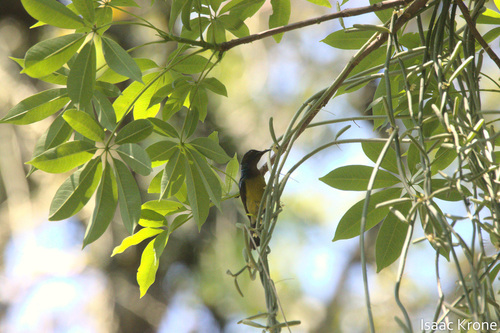
Brown-throated Sunbird (Anthreptes malacensis) Brown-throated Sunbird
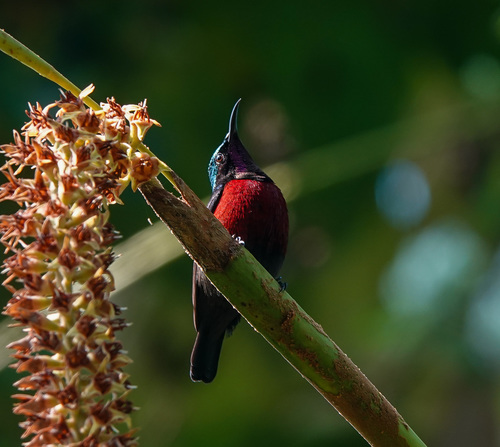
アンハッセルトタイヨウチョウ (Leptocoma brasiliana) アンハッセルトタイヨウチョウ

メディア

読み込み中…

要点

Brown-throated Sunbirdとアンハッセルトタイヨウチョウを区別する最も信頼できるフィールドマークは、オスのBrown-throatedにおける翼覆いと肩羽にある栗色の存在であり、アンハッセルトタイヨウチョウにはこれがありません。オスのBrown-throatedは、主に黄色の腹部とともに、虹色の緑と紫の上面を示しますが、アンハッセルトタイヨウチョウのオスは栗色なしでより均一に虹色です。両種の雌はあまり特徴的ではありませんが、Brown-throatedの雌は上面がオリーブグリーンで、下面が黄色がかっています。一方、アンハッセルトタイヨウチョウの雌は一般的に鈍く、黄色が少ないです。両種は東南アジアの多くの地域で重なっていますが、Brown-throatedは半開放的な生息地でより頻繁に見られ、アンハッセルトタイヨウチョウはより密な森林やマングローブを好みます。構造とサイズは似ていますが、Brown-throatedはわずかに大きく、重い傾向があります。

識別のコツ

  1. オスの翼覆いと肩羽: Brown-throatedのオスの翼覆いと肩羽に栗色の斑点を探してください。アンハッセルトタイヨウチョウのオスにはこの特徴がありません。これは成鳥のオスにとって最も信頼できるフィールドマークです。
  2. 上面の光沢: Brown-throatedのオスは上面に虹色の緑と紫を組み合わせていますが、アンハッセルトタイヨウチョウのオスは栗色や赤褐色のトーンなしで、より均一に金属的な緑または紫です。
  3. 下面の色(オス): Brown-throatedのオスは主に黄色の腹部を持っています。アンハッセルトタイヨウチョウのオスは黄色があまり広がらないかもしれませんが、これは変動があり、翼覆いよりも信頼性が低いです。
  4. 雌の羽毛: Brown-throatedの雌は上面がオリーブグリーンで、下面が黄色がかっています。アンハッセルトタイヨウチョウの雌は一般的に鈍く、黄色が少なく、より控えめなオリーブまたは灰色がかったトーンです。この違いは微妙で、他のマークと組み合わせて使用するのが最適です。
  5. くちばしの構造: 両種は太くて頑丈なくちばしを持っており、これはフィールドでの信頼できな区別にはなりません。
  6. サイズと体格: Brown-throatedはわずかに大きく、重いですが、これは直接比較しないと明らかではなく、強いフィールドマークではありません。
  7. 生息地の文脈: 半開放的または乱れた生息地(庭、公園、森林の端)では、Brown-throatedがより可能性が高いです。密な森林やマングローブでは、アンハッセルトタイヨウチョウがより可能性があります。生息地は補助的な手がかりとして使用し、主要な区別としては使用しないでください。
  8. 幼鳥/未成熟の羽毛: 両種に特有の年齢に特化した翼や飛行のマークは記録されていないため、未成熟の鳥は構造と文脈で特定するのが最適です。
  9. 飛行と動き: 両種は活発で敏捷で、花の間を素早く移動します。飛行スタイルと姿勢は信頼できるほど異なりません。
  10. 範囲に関する落とし穴: 両種は東南アジアで広く重なっています。識別のために範囲だけに頼らないでください。
  11. 歌や鳴き声の違いはない: 利用可能なメモには声の記述がないため、区別のために声を使用しないでください。
  12. 性的二形性: オスは雌よりもはるかに特徴的です。明るく虹色のオスを見た場合は、栗色の斑点のために翼覆いに焦点を合わせてください。
  13. 混合群れ: 両種は範囲が重なる場所で一緒に発生する可能性があります。特に花の木の中で、各個体を注意深く確認してください。
  14. 照明の影響: 虹色は角度や光によって変わることがあります。IDを結論付ける前に、良い光の中で栗色の斑点を常に探してください。
  15. 幼鳥における信頼できるフィールドマークはない: 地味なまたは未成熟なサンバードに直面した場合は、構造、微妙な羽毛のヒント、特に生息地の文脈の組み合わせを使用してください。ただし、一部の個体は特定できないまま残る可能性があることを受け入れてください。

大きさ

Brown-throated Sunbirdは比較的大きく、重いサンバードで、厚いくちばしを持ち、全長約14 cm、体重は7.4–13.5 gです。アンハッセルトタイヨウチョウは全体のサイズと構造が似ており、フィールドでの違いは微妙です。両種はサンバードとしては頑丈ですが、Brown-throatedは特に直接比較の際にわずかに体格が大きく見えることがあります。この違いは通常、両者が並んで見られない限り診断的ではありません。

羽色

成鳥のオスにおいて、Brown-throated Sunbirdは虹色の緑と紫の上面、翼覆いと肩羽に特徴的な栗色の斑点で最もよく認識されます。下面は明るい黄色です。対照的に、アンハッセルトタイヨウチョウのオスは栗色がなく、上面はより均一に虹色で、通常は金属的な緑または紫の光沢を持ち、翼には赤褐色のトーンがありません。両種の雌はあまり目立ちません。Brown-throatedの雌は上面がオリーブグリーンで、下面が黄色がかっていますが、アンハッセルトタイヨウチョウの雌は一般的に鈍く、黄色が少なく、より控えめなオリーブまたは灰色がかったトーンです。幼鳥と未成熟の羽毛は、利用可能なメモには詳細に記載されておらず、フィールドでの区別のために特定の年齢関連の翼や飛行のマークは記録されていません。したがって、成鳥のオスの羽毛が最も信頼できる視覚的手がかりです。

行動

両種は主に蜜を食べ、時折果物、ベリー、または昆虫を摂取します。彼らの採餌行動は似ており、花の茂みや木の間を活発に移動しているのがよく見られます。フィールドで彼らを信頼できるほど区別するための主要な行動の違いは記載されていません。

生息環境

Brown-throated Sunbirdは、東南アジア全体の庭、公園、二次成長、森林の端など、幅広い半開放的な生息地で見られます。アンハッセルトタイヨウチョウは範囲が重なっているものの、亜熱帯または熱帯の湿った低地森林やマングローブ森林により密接に関連しています。したがって、密な森林やマングローブでサンバードに出会うと、アンハッセルトタイヨウチョウの可能性が高まり、より開放的または乱れた生息地ではBrown-throatedが有利です。ただし、両者は重なり合うゾーンで発生する可能性があるため、生息地だけでは診断的ではありません。

より良い説明を送る

比較と同じ項目を使ってください。文章はすぐに公開されます。

The most reliable field mark to separate Brown-throated Sunbird from Van Hasselt's Sunbird is the presence of chestnut on the wing-coverts and scapulars in male Brown-throated, which is absent in Van Hasselt's. Male Brown-throated also shows a combination of iridescent green and purple upperparts with a primarily yellow underside, while Van Hasselt's males are more uniformly iridescent above without the chestnut. Females of both species are less distinctive, but Brown-throated females are olive-green above and yellowish below, whereas Van Hasselt's females are generally duller and less yellow. Both species overlap in much of Southeast Asia, but Brown-throated is more often found in semi-open habitats, while Van Hasselt's prefers denser forest and mangrove. Structure and size are similar, but Brown-throated averages slightly larger and heavier.

  1. Male wing-coverts and scapulars: Look for a chestnut patch on the wing-coverts and scapulars in Brown-throated males; Van Hasselt's males lack this feature. This is the single most reliable field mark for adult males.
  2. Upperparts gloss: Brown-throated males combine iridescent green and purple on the upperparts, while Van Hasselt's males are more uniformly metallic green or purple without chestnut or rufous tones.
  3. Underparts color (male): Brown-throated males are primarily yellow below; Van Hasselt's males may show less extensive yellow, but this is variable and less reliable than wing-coverts.
  4. Female plumage: Brown-throated females are olive-green above and yellowish below; Van Hasselt's females are generally duller, with less yellow and a more subdued olive or greyish tone. This difference is subtle and best used in combination with other marks.
  5. Bill structure: Both species have thick, robust bills for sunbirds, and this is not a reliable separator in the field.
  6. Size and bulk: Brown-throated is slightly larger and heavier, but this is only apparent with direct comparison and is not a strong field mark.
  7. Habitat context: In semi-open or disturbed habitats (gardens, parks, forest edge), Brown-throated is more likely. In dense forest or mangrove, Van Hasselt's is more probable. Use habitat as a supporting clue, not a primary separator.
  8. Juvenile/immature plumage: No distinctive age-specific wing or flight marks are documented for either species, so immature birds are best identified by structure and context.
  9. Flight and jizz: Both species are active and agile, moving quickly among flowers. Flight style and posture are not reliably different.
  10. Pitfalls with range: Both species overlap widely in Southeast Asia. Do not rely on range alone for identification.
  11. No song or call differences: Vocalizations are not described in the available notes, so do not use voice for separation.
  12. Sexual dimorphism: Males are much more distinctive than females; if you see a bright, iridescent male, focus on the wing-coverts for the chestnut patch.
  13. Mixed flocks: Both species may occur together where ranges overlap; check each individual carefully, especially in flowering trees.
  14. Lighting effects: Iridescence can shift with angle and light; always look for the chestnut patch in good light before concluding the ID.
  15. No reliable field marks in juveniles: When faced with a drab or immature sunbird, use a combination of structure, subtle plumage hints, and especially habitat context, but accept that some individuals may remain unidentified.

Brown-throated Sunbird is a relatively large, heavy sunbird with a thick bill, measuring about 14 cm in length and weighing 7.4–13.5 g. Van Hasselt's Sunbird is similar in overall size and structure, and the difference is subtle in the field. Both species are robust for sunbirds, but Brown-throated may appear slightly bulkier, especially in direct comparison. This difference is not usually diagnostic unless both are seen side by side.

For adult males, Brown-throated Sunbird is best recognized by its iridescent green and purple upperparts, with a distinctive patch of chestnut on the wing-coverts and scapulars. The underparts are bright yellow. In contrast, Van Hasselt's Sunbird males lack the chestnut and are more uniformly iridescent above, typically with a metallic green or purple gloss but no rufous tones on the wings. Females of both species are less striking: Brown-throated females are olive-green above and yellowish below, while Van Hasselt's females are generally duller, with less yellow and a more subdued olive or greyish tone. Juvenile and immature plumages are not described in detail for either species in the available notes, and there are no specific age-related wing or flight marks documented for field separation. Thus, adult male plumage is the most reliable visual cue.

Both species primarily feed on nectar, occasionally taking fruits, berries, or insects. Their foraging behavior is similar, often seen moving actively among flowering shrubs and trees. There are no major behavioral differences noted that would reliably separate them in the field.

Brown-throated Sunbird is found in a wide range of semi-open habitats, including gardens, parks, secondary growth, and forest edges across Southeast Asia. Van Hasselt's Sunbird, while overlapping in range, is more tightly associated with subtropical or tropical moist lowland forests and mangrove forests. Thus, encountering a sunbird in a dense forest or mangrove increases the likelihood of Van Hasselt's, while more open or disturbed habitats favor Brown-throated. However, both can occur in overlapping zones, so habitat alone is not diagnostic.

変更を破棄しますか?

保存していない編集があります。今離れると失われます。

Brown-throated Sunbird · アンハッセルトタイヨウチョウ · 苦手な鳥