

Motmot

アカモズ 対 タカサゴモズ

Lanius cristatus 対 Lanius schach

アカモズとタカサゴモズのクイズ
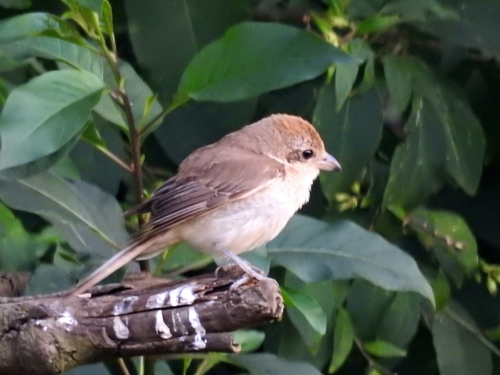
アカモズ (Lanius cristatus) アカモズ
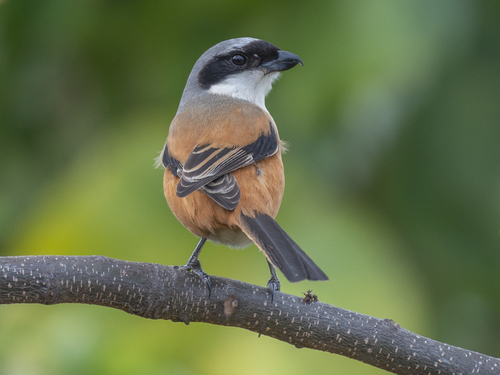
タカサゴモズ (Lanius schach) タカサゴモズ

メディア

読み込み中…

要点

アカモズとタカサゴモズを区別する最も信頼できるフィールドマークは尾です:アカモズはより茶色がかった短くて丸い尾を持ち、タカサゴモズは明らかに長く、細く、段階的な黒い尾を持ち、外側の羽毛は淡い赤褐色です。すべての年齢において、アカモズはタカサゴモズにしばしば見られる白い翼の斑点を欠いています。顔のマスクはアカモズでは狭く、広がりが少なく、はっきりとした白い眉がありますが、タカサゴモズのマスクは広く、しばしば額を越えて広がり、いくつかの亜種では頭全体が黒くなることがあります。両種は目立って止まりますが、タカサゴモズはよりがっしりとして直立しており、その尾はフィールドでより目立ちます。

識別のコツ

  1. Tail length and shape: タカサゴモズはより長く、細く、段階的な尾を持ち、外側の羽毛は淡い赤褐色です;アカモズの尾は短く、より丸く、茶色がかっています(すべての年齢)。
  2. Wing patch: タカサゴモズは主翼の基部(肩)に小さな白い斑点を示し、ほとんどの亜種と年齢で見られ、特に止まっているときや飛んでいるときに目立ちます;アカモズは常にこの白い翼の斑点を欠いています。
  3. Facial mask: アカモズは上に明確な白い眉(スーペルシリウム)がある狭い黒いマスクを持っています;タカサゴモズのマスクは広く、しばしば額を覆い、いくつかの亜種(トリコロール、ナスータス)では頭全体が黒くなることがあります。
  4. Supercilium: アカモズ(特にスーペルシリオスス)は広い白いスーペルシリウムを示すことがあります;タカサゴモズのスーペルシリウムは広いマスクのためにあまり明確でないか、欠如しています。
  5. Crown color: アカモズの亜種ルシオネンシスは灰色の冠を示し、スーペルシリオススはより豊かな赤褐色の冠を持っています;タカサゴモズの冠は通常黒または灰色で、亜種によって異なりますが、マスクが常に顔を支配します。
  6. Rump and flanks: 両者は赤褐色の脇腹と尾を持っていますが、タカサゴモズのものはより顕著で、尾は常に黒く、赤褐色の外羽毛を持っています;アカモズの赤褐色はより制限されており、尾は茶色がかっています。
  7. Sex differences: アカモズの雌は鈍く、下部に細かいスカロッピングがあり、マスクがあまり明確ではありません;タカサゴモズの性別は似ているため、鈍くスカロップされた鳥はアカモズである可能性が高いです。
  8. Posture and jizz: タカサゴモズはよりがっしりとして直立しており、長い尾はしばしば目立って持ち上げられたり垂れ下がったりします;アカモズはよりコンパクトで、あまり直立していません。
  9. Flight: 飛行中、タカサゴモズの長く細い尾と白い翼の斑点が見えます;アカモズは白い翼の斑点を欠き、尾は短いです。
  10. Habitat context: 非常に開けた乾燥した国で目立つ止まり木がある場合、タカサゴモズがより可能性が高いです;移動中や冬には、アカモズはより広範囲の生息地で見られることがあります。
  11. Vocalizations: 両者は模倣が可能ですが、タカサゴモズはより大きく、より多様です;アカモズの鳴き声はより柔らかく、あまり特徴的ではありません。
  12. Size: タカサゴモズはわずかに重いですが、これはフィールドではあまり役に立ちません;尾の長さははるかに良い手がかりです。
  13. Subspecies confusion: 一部のアカモズの亜種は赤褐色の冠や灰色の頭を示すことがありますが、尾と翼のパターンは信頼できます。
  14. Pitfalls: 未成熟または鈍いアカモズはタカサゴモズと混同されることがありますが、常に白い翼の斑点(タカサゴモズに存在し、アカモズには欠如)と尾の長さを確認してください。
  15. Season: アカモズは渡り鳥であり、移動中や冬に見られる可能性が高いですが、タカサゴモズはその範囲の多くで定住しています。

大きさ

タカサゴモズはわずかに重い(アカモズは33.0gに対して35.5g [wikidata])ですが、その違いは微妙で、フィールドでは簡単に判断できません。しかし、タカサゴモズは明らかに長くて細い尾を持っているため、特に止まっているときにより大きく見えます。アカモズは全体的によりコンパクトで、短くて丸い尾とあまり直立していない姿勢を持っています。

羽色

行動

両種は目立って茂みやワイヤーに止まり、獲物のために地面に落ちて狩ります。タカサゴモズはより直立しており、長い尾のためによりがっしりしているように見えます。高い止まり木から斜めに滑り降りるのが見られることが多く、時には止まり木を巡って争ったり遊んだりする姿が観察されます。アカモズはより孤立している可能性が高く、領土の表示においてあまり攻撃的ではありません。両者は獲物を突き刺しますが、タカサゴモズの餌の取り方はより多様で、時には魚や果物を含み、他の鳥から獲物を盗むこともあります。

生息環境

両者はアジア全体に広く分布しており、開けた国、エッジ、低木で重なることがあります。タカサゴモズは乾燥した開けた生息地に強く関連しており、農業地域、草原、および開けた国の目立つ止まり木で見られることが多いです。アカモズはより渡り性が強く、移動中や冬には森林のエッジ、庭、半砂漠など、より広範囲の生息地で見られることがありますが、タカサゴモズほど開けた乾燥した生息地に依存していません。両者が存在する場所では生息地だけでは診断的ではありません。

声

両種は厳しい、ガチャガチャした鳴き声を持ち、模倣が可能です。アカモズの冬の歌は微弱で、ガラガラ音といくつかの模倣が含まれますが、強いフィールドマークではありません。タカサゴモズの鳴き声はより厳しく、耳障りで、カエルの鳴き声に例えられています;その歌はより多様で、他の鳥や哺乳類の模倣を含みます。鳴き声は、観察者が両種に非常に精通していない限り、信頼できる診断的なものではありません。

より良い説明を送る

比較と同じ項目を使ってください。文章はすぐに公開されます。

The most reliable field mark to separate Brown Shrike from Long-tailed Shrike is the tail: Brown Shrike has a shorter, rounded tail that is more brownish, while Long-tailed Shrike shows a distinctly longer, narrow, and graduated black tail with pale rufous outer feathers. In all ages, Brown Shrike lacks the white wing patch that is often visible on Long-tailed Shrike. The facial mask is narrower and less extensive in Brown Shrike, with a clear white brow, while Long-tailed Shrike's mask is broader and often extends across the forehead, sometimes with the entire head black in some subspecies. Both species perch conspicuously, but Long-tailed Shrike is bulkier and more upright, and its tail is much more prominent in the field.

  1. Tail length and shape: Long-tailed Shrike has a much longer, narrow, and graduated tail with pale rufous outer feathers; Brown Shrike's tail is shorter, more rounded, and brownish (all ages).
  2. Wing patch: Long-tailed Shrike shows a small white patch at the base of the primaries (shoulder), visible in most subspecies and ages, especially when perched or in flight; Brown Shrike always lacks this white wing patch.
  3. Facial mask: Brown Shrike has a narrow black mask with a distinct white brow (supercilium) above; Long-tailed Shrike's mask is broader, often covering the forehead, and in some subspecies (tricolor, nasutus) the whole head can be black.
  4. Supercilium: Brown Shrike (especially superciliosus) can show a broad, white supercilium; Long-tailed Shrike's supercilium is less distinct or absent due to the broader mask.
  5. Crown color: Brown Shrike subspecies lucionensis shows a grey crown, while superciliosus has a richer reddish crown; Long-tailed Shrike's crown is usually black or grey depending on subspecies, but the mask always dominates the face.
  6. Rump and flanks: Both have rufous flanks and rump, but Long-tailed Shrike's are more pronounced and the tail is always black with rufous outer feathers; Brown Shrike's rufous is more restricted and the tail is brownish.
  7. Sex differences: Brown Shrike females are duller with fine scalloping below and a less distinct mask; Long-tailed Shrike sexes are alike, so a dull, scalloped bird is more likely Brown Shrike.
  8. Posture and jizz: Long-tailed Shrike is bulkier, more upright, and the long tail is often cocked or drooped conspicuously; Brown Shrike is more compact and less upright.
  9. Flight: In flight, Long-tailed Shrike's long, narrow tail and white wing patch are visible; Brown Shrike lacks the white wing patch and has a shorter tail.
  10. Habitat context: In very open, dry country with prominent perches, Long-tailed Shrike is more likely; in migration or winter, Brown Shrike can be found in a wider range of habitats.
  11. Vocalizations: Both can mimic, but Long-tailed Shrike is louder and more varied; Brown Shrike's calls are softer and less distinctive.
  12. Size: Long-tailed Shrike is slightly heavier, but this is rarely useful in the field; the tail length is a much better cue.
  13. Subspecies confusion: Some Brown Shrike subspecies can show reddish crowns or greyer heads, but the tail and wing pattern remain reliable.
  14. Pitfalls: Immature or dull Brown Shrikes can be confused with Long-tailed Shrike, but always check for the white wing patch (present in Long-tailed, absent in Brown) and tail length.
  15. Season: Brown Shrike is migratory and may be more likely in migration or winter, while Long-tailed Shrike is resident in much of its range.

Long-tailed Shrike is slightly heavier (35.5g vs 33.0g for Brown Shrike [wikidata]), but the difference is subtle and not easily judged in the field. However, Long-tailed Shrike appears larger due to its noticeably longer and narrower tail, which gives it a more elongated silhouette, especially when perched. Brown Shrike is more compact overall, with a shorter, rounder tail and a less upright posture.

  • Juvenile/immature/first-winter: No detailed age-specific upperwing pattern is described for either species in the sources, but Brown Shrike of all ages lacks any white patch on the wing, while Long-tailed Shrike typically shows a small white patch at the base of the primaries (shoulder), visible when perched or in flight.
  • Adults: Brown Shrike is brown above with a rufous or brownish tail (not as red as Red-backed Shrike), creamy below with rufous flanks, and a black mask with a white brow. The mask is narrower and less extensive than Long-tailed Shrike. Females are duller with fine scalloping below and a less distinct mask. Subspecies variation can add a grey crown (lucionensis) or a richer reddish crown and broader white supercilium (superciliosus), but the tail remains relatively short and rounded. Long-tailed Shrike is more variable but always shows a long, narrow, black tail with pale rufous outer feathers, a broad black mask (sometimes extending over the whole head in tricolor/nasutus), rufous flanks and rump, and a small white patch at the wing base. The sexes are alike. Subspecies can show more rufous or grey on the mantle and upper back, but the overall pattern is consistent.

Both species perch conspicuously on bushes or wires and hunt by dropping to the ground for prey. Long-tailed Shrike is more upright and often appears bulkier due to its long tail. It is more likely to be seen gliding down at an angle from a high perch and is sometimes observed fighting over perches or engaging in play. Brown Shrike is more likely to be solitary and less aggressive in territorial displays. Both impale prey, but Long-tailed Shrike's feeding is more varied, including occasional fish and fruit, and it sometimes steals prey from other birds.

Both shrikes are widespread across Asia and can overlap in open country, edges, and scrub. Long-tailed Shrike is more strongly associated with dry, open habitats and is often found in agricultural areas, grasslands, and prominent perches in open country. Brown Shrike is more migratory and can be found in a wider range of habitats during migration and winter, including forest edge, gardens, and semi-desert, but is less tied to open, dry habitats than Long-tailed Shrike. Habitat alone is not diagnostic where both occur.

Both species have harsh, chattering calls and are capable of mimicry. Brown Shrike's winter song is faint, with rattling notes and some mimicry, but is not a strong field mark. Long-tailed Shrike's calls are harsher, grating, and have been compared to a frog's squeal; its song is more varied and includes mimicry of other birds and even mammals. Vocalizations are not reliably diagnostic unless the observer is very familiar with both species.

変更を破棄しますか?

保存していない編集があります。今離れると失われます。

アカモズ · タカサゴモズ · 苦手な鳥