

Averla bruna vs Long-tailed Shrike
Lanius cristatus contro Lanius schach
Fai un quiz con Averla bruna e Long-tailed Shrike
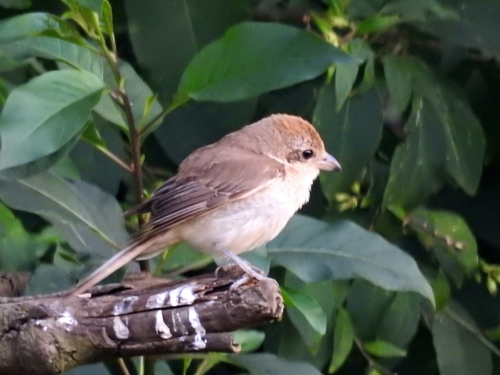 Averla bruna
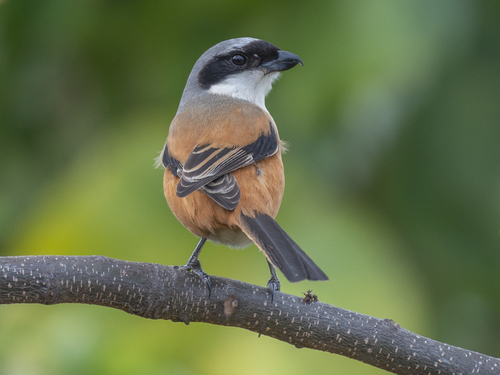 Long-tailed Shrike
In breve
Il segno di campo più affidabile per separare l'Averla bruna dal Long-tailed Shrike è la coda: l'Averla bruna ha una coda più corta e arrotondata che è più brunastra, mentre il Long-tailed Shrike mostra una coda nera distintamente più lunga, stretta e graduata con piume esterne rufous chiare. In tutte le età, l'Averla bruna manca della macchia bianca sulle ali che è spesso visibile nel Long-tailed Shrike. La maschera facciale è più stretta e meno estesa nell'Averla bruna, con una chiara sopracciglia bianca, mentre la maschera del Long-tailed Shrike è più ampia e spesso si estende sulla fronte, a volte con l'intera testa nera in alcune sottospecie. Entrambe le specie si posano in modo evidente, ma il Long-tailed Shrike è più robusto e più eretto, e la sua coda è molto più prominente sul campo.
Consigli di identificazione
- Lunghezza e forma della coda: il Long-tailed Shrike ha una coda molto più lunga, stretta e graduata con piume esterne rufous chiare; la coda dell'Averla bruna è più corta, più arrotondata e brunastra (tutte le età).
- Macchia sulle ali: il Long-tailed Shrike mostra una piccola macchia bianca alla base delle primarie (spalla), visibile nella maggior parte delle sottospecie e delle età, specialmente quando è posato o in volo; l'Averla bruna manca sempre di questa macchia bianca sulle ali.
- Maschera facciale: l'Averla bruna ha una maschera nera stretta con una chiara sopracciglia bianca (supercilium) sopra; la maschera del Long-tailed Shrike è più ampia, spesso coprendo la fronte, e in alcune sottospecie (tricolor, nasutus) l'intera testa può essere nera.
- Supercilium: l'Averla bruna (soprattutto superciliosus) può mostrare un ampio supercilium bianco; il supercilium del Long-tailed Shrike è meno distintivo o assente a causa della maschera più ampia.
- Colore della corona: la sottospecie di Averla bruna lucionensis mostra una corona grigia, mentre superciliosus ha una corona rossa più ricca; la corona del Long-tailed Shrike è solitamente nera o grigia a seconda della sottospecie, ma la maschera domina sempre il volto.
- Coda e fianchi: entrambe hanno fianchi e coda rufous, ma quelli del Long-tailed Shrike sono più pronunciati e la coda è sempre nera con piume esterne rufous; il rufous dell'Averla bruna è più ristretto e la coda è brunastra.
- Differenze sessuali: le femmine dell'Averla bruna sono più opache con una fine scalloping sotto e una maschera meno distintiva; i sessi del Long-tailed Shrike sono simili, quindi un uccello opaco e scallopato è più probabile che sia un'Averla bruna.
- Postura e jizz: il Long-tailed Shrike è più robusto, più eretto, e la lunga coda è spesso inclinata o pendente in modo evidente; l'Averla bruna è più compatta e meno eretta.
- Volo: in volo, la lunga e stretta coda del Long-tailed Shrike e la macchia bianca sulle ali sono visibili; l'Averla bruna manca della macchia bianca sulle ali e ha una coda più corta.
- Contesto dell'habitat: in un paese molto aperto e secco con posatoi prominenti, il Long-tailed Shrike è più probabile; in migrazione o inverno, l'Averla bruna può essere trovata in una gamma più ampia di habitat.
- Vocalizzazioni: entrambe possono imitare, ma il Long-tailed Shrike è più forte e più vario; i richiami dell'Averla bruna sono più morbidi e meno distintivi.
- Dimensioni: il Long-tailed Shrike è leggermente più pesante, ma questo è raramente utile sul campo; la lunghezza della coda è un indizio molto migliore.
- Confusione tra sottospecie: alcune sottospecie di Averla bruna possono mostrare corone rosse o teste più grigie, ma il modello della coda e delle ali rimane affidabile.
- Trappole: gli Averla bruna immaturi o opachi possono essere confusi con il Long-tailed Shrike, ma controlla sempre la macchia bianca sulle ali (presente nel Long-tailed, assente nell'Averla) e la lunghezza della coda.
- Stagione: l'Averla bruna è migratoria e può essere più probabile in migrazione o inverno, mentre il Long-tailed Shrike è residente in gran parte del suo areale.
Taglia
Il Long-tailed Shrike è leggermente più pesante (35.5g contro 33.0g per l'Averla bruna [wikidata]), ma la differenza è sottile e non facilmente giudicabile sul campo. Tuttavia, il Long-tailed Shrike appare più grande a causa della sua coda visibilmente più lunga e stretta, che gli conferisce una silhouette più allungata, specialmente quando è posato. L'Averla bruna è più compatta nel complesso, con una coda più corta e arrotondata e una postura meno eretta.
Piumaggio
- Giovanile/immaturo/primo inverno: Non è descritto alcun modello specifico per l'età delle ali superiori per entrambe le specie nelle fonti, ma l'Averla bruna di tutte le età manca di qualsiasi macchia bianca sull'ala, mentre il Long-tailed Shrike mostra tipicamente una piccola macchia bianca alla base delle primarie (spalla), visibile quando è posato o in volo.
- Adulti: L'Averla bruna è marrone sopra con una coda rufous o brunastra (non così rossa come l'Averla piccola), crema sotto con fianchi rufous, e una maschera nera con una sopracciglia bianca. La maschera è più stretta e meno estesa rispetto al Long-tailed Shrike. Le femmine sono più opache con una fine scalloping sotto e una maschera meno distintiva. La variazione delle sottospecie può aggiungere una corona grigia (lucionensis) o una corona rossa più ricca e un supercilium bianco più ampio (superciliosus), ma la coda rimane relativamente corta e arrotondata. Il Long-tailed Shrike è più variabile ma mostra sempre una lunga coda nera e stretta con piume esterne rufous chiare, una maschera nera ampia (a volte estesa su tutta la testa in tricolor/nasutus), fianchi e coda rufous, e una piccola macchia bianca alla base dell'ala. I sessi sono simili. Le sottospecie possono mostrare più rufous o grigio sul mantello e sulla parte superiore della schiena, ma il modello generale è coerente.
Comportamento
Entrambe le specie si posano in modo evidente su arbusti o fili e cacciano scendendo a terra per la preda. Il Long-tailed Shrike è più eretto e spesso appare più robusto a causa della sua lunga coda. È più probabile vederlo planare in discesa da un posatoio alto ed è talvolta osservato mentre combatte per i posatoi o si impegna in giochi. L'Averla bruna è più probabile che sia solitaria e meno aggressiva nelle manifestazioni territoriali. Entrambe infilzano la preda, ma l'alimentazione del Long-tailed Shrike è più varia, includendo occasionalmente pesce e frutta, e talvolta ruba prede ad altri uccelli.
Habitat
Entrambe le averle sono diffuse in tutta l'Asia e possono sovrapporsi in campi aperti, bordi e cespugli. Il Long-tailed Shrike è più fortemente associato a habitat aperti e secchi ed è spesso trovato in aree agricole, praterie e posatoi prominenti in campi aperti. L'Averla bruna è più migratoria e può essere trovata in una gamma più ampia di habitat durante la migrazione e l'inverno, inclusi i bordi delle foreste, i giardini e i semi-deserti, ma è meno legata agli habitat aperti e secchi rispetto al Long-tailed Shrike. L'habitat da solo non è diagnostico dove entrambe si trovano.
Voce
Entrambe le specie hanno richiami aspri e chiacchieroni e sono capaci di imitazione. Il canto invernale dell'Averla bruna è debole, con note tremolanti e alcune imitazioni, ma non è un segno di campo forte. I richiami del Long-tailed Shrike sono più aspri, graffianti e sono stati paragonati al grido di una rana; il suo canto è più vario e include imitazioni di altri uccelli e persino mammiferi. Le vocalizzazioni non sono affidabilmente diagnostiche a meno che l'osservatore non sia molto familiare con entrambe le specie.
Averla bruna · Long-tailed Shrike · I miei uccelli difficili