

Motmot

チャエリガラス 対 チビオガラス

Corvus ruficollis 対 Corvus rhipidurus

チャエリガラスとチビオガラスのクイズ
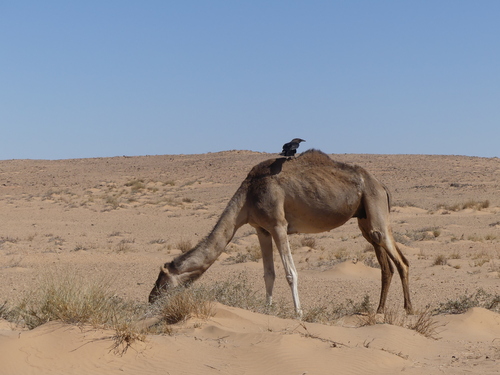
チャエリガラス (Corvus ruficollis) チャエリガラス
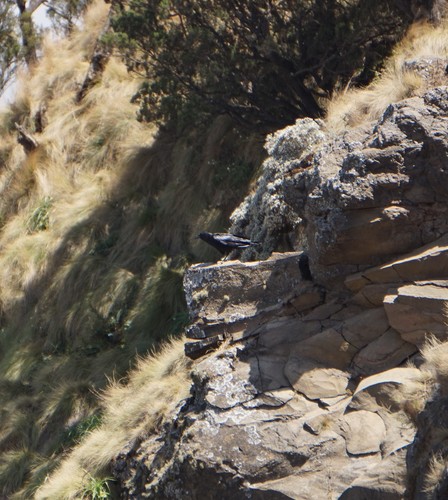
チビオガラス (Corvus rhipidurus) チビオガラス

メディア

読み込み中…

要点

チャエリガラスとチビオガラスの最も信頼できるフィールドマークは、チャエリガラスの明らかに茶色がかった黒い頭と喉であり、チビオガラスの全体的に黒い羽毛と対照的です。チャエリガラスはまた、明らかに大きく、尾が長く、飛行中の翼のプロファイルがより尖っていますが、チビオガラスは小さく、短く、より四角いまたは「扇形」の尾と相対的に大きな翼を持っています。両種は着用時にやや茶色がかって見えることがありますが、チャエリガラスだけが首と頭に一貫した茶色がかった色合いを示します。くちばしの構造と飛行スタイルは、特に距離がある場合や混合群れの中での識別をさらに助けます。

識別のコツ

  1. Head and throat color: チャエリガラスは明確な茶色がかった黒い頭と喉を示し、距離があっても着用羽毛の中でもしばしば見えます。チビオガラスは全体が黒く、茶色がかった色合いは均一で、頭や首に集中することはありません。
  2. Overall size: チャエリガラスはチビオガラス(47–51 cm)よりも明らかに大きい(52–56 cm)です。これは、鳥が並んでいるときや既知の種(例:ハシボソガラス)と一緒にいるときに使用します。
  3. Tail shape and length: チャエリガラスはより長く、よりくさび形の尾を持っていますが、チビオガラスの尾は短く、より四角いまたは「扇形」であり、特に飛行中や尾が広がっているときに明らかです。
  4. Wing shape: チャエリガラスの翼はプロファイルで尖っており、飛行中により流線型の外観を与えます。チビオガラスは体のサイズに対して相対的に大きな翼を持ち、浮遊しながらの飛行を助けます。
  5. Bill structure: チビオガラスはチャエリガラスのより深くなく、より重いくちばしに比べて相対的に厚く、重いくちばしを持っています。これは近距離または写真で最もよく見えます。
  6. Gloss and feather wear: 両種は着用時に茶色がかって見えることがありますが、チャエリガラスだけが首と頭に特に一貫した茶色がかった色合いを発展させます。チビオガラスは着用時に全体的にわずかに銅色がかった茶色に見えることがありますが、決して茶色の首を持つことはありません。
  7. Throat hackles: チビオガラスはほとんどのカラスよりも短い喉の羽毛を持っていますが、これは微妙な特徴であり、近くで見ないと簡単には見えません。
  8. White feather bases: チビオガラスだけが上部の首の羽毛の基部に白色を持っていますが、これは風で露出するか、鳥が扱われない限りフィールドマークではありません。
  9. Flight style: チビオガラスはより空中性が高く、しばしばハゲワシのように浮遊し、滑空し、熱気流で遊んでいるのが見られます。チャエリガラスはより重く、飛行中により直接的です。
  10. Habitat context: チビオガラスはより厳密に砂漠に適応しており、しばしば崖のある岩だらけの不毛な地域にいます。チャエリガラスはより柔軟ですが、範囲が重なります。
  11. Voice: チャエリガラスの鳴き声はワタリガラスよりも高音のカエルのような鳴き声(「カール・カール・カール」、「クエルク・クエルク」)であり、チビオガラスの声はより喉の奥から出るカエルのようなものです。両者は変動する可能性があるため、注意して使用してください。
  12. Association: 両種は一緒に止まることがあるため、混合群れで見られた場合は複数のフィールドマークを確認してください。
  13. Juvenile/immature plumage: どちらの種にも特定の幼鳥または未成熟の上翼パターンの違いは記載されていないため、すべての年齢に対して構造的および羽毛のマークに依存してください。
  14. Perched vs. flight: 尾の形状と長さ、全体的なサイズは、飛行中または鳥が開けた場所に止まっているときに判断しやすいことがよくあります。
  15. Plumage pitfalls: 着用した鳥の全体的な光沢やわずかな茶色がかった色合いだけに依存しないでください—茶色の位置(チャエリガラスの頭/首)と構造的特徴に焦点を当ててください。

大きさ

チャエリガラスは2種の中で大きく、長さ52–56 cmであるのに対し、チビオガラスは47–51 cmで小さく、ハシボソガラスのサイズに相当します。チャエリガラスはワタリガラスに似た比率を持っていますが、より重いくちばしとわずかに尖った翼を持っています。チビオガラスは小さいですが、相対的に厚いくちばし、短い尾、体のサイズに対して大きな翼を持ち、飛行中に異なるシルエットを与えます。

羽色

これらの種に特定の年齢に基づく上翼または飛行パターンの違いは記載されていないため、一般的な羽毛に焦点を当てます。チャエリガラスの成鳥と未成熟個体は、頭と喉に明確な茶色がかった黒い色合いを示し、これは距離があっても見え、種の名前の由来となっています。残りの羽毛は光沢のある黒で、紫または青のハイライトがありますが、すべての羽毛は換羽前に茶色がかった黒に色あせることがあり、着用によって全体の鳥がより茶色に見えることがあります。チビオガラスは新しい羽毛では均一に黒く、紫がかった青の光沢を持ち、着用時にはわずかに銅色がかった茶色の色合いを示すことがありますが、決して一貫して茶色がかった頭や首を持つことはありません。首の羽毛の基部は白ですが、これは羽毛が吹き飛ばされるか、近くでの観察でのみ見えるもので、フィールドマークではありません。両種は黒いくちばし、脚、足を持っています。チビオガラスの喉の羽毛はほとんどのカラスよりも短いですが、これは近くで見ないと微妙です。

行動

チビオガラスは特に空中性が高く、しばしばハゲワシのように熱気流で浮遊し、滑空し、すべてのカラスの中で最も空中性が高いと考えられています。食べ物を求めて大きな距離を移動することが多く、高く浮遊したり、風の中で遊んでいるのが見られることが多いです。チャエリガラスも浮遊しますが、通常は飛行中により重く、浮力が少ないように見え、より安定した、より直接的な飛行スタイルを持っています。両種は止まり木で一緒にいることがありますが、チビオガラスの飛行はよりアクロバティックで、重苦しくありません。

生息環境

両種は北アフリカ、中東、東アフリカの一部の乾燥したおよび半乾燥した地域に生息しています。チビオガラスは特に巣作りのための崖や岩場のある開けた砂漠や乾燥地に厳密に関連しています。チャエリガラスはこの範囲の多くを共有しますが、より広範な開けた生息地に見られることがあります。両者は人間の居住地の周りで見られることがありますが、チビオガラスは最も不毛で岩だらけの地域に見られる可能性が高いです。

声

両種はカラスに典型的なカエルのような鳴き声を持っていますが、チャエリガラスの声はワタリガラスよりも高音で、厳しい「カール・カール・カール」と飛行中の「クエルク・クエルク」を持っています。チビオガラスの鳴き声は、喉の奥から出るカエルのような音と混ざったカエルのようなカエルの声として説明されています。両者は模倣能力がありますが、これは野生ではめったに観察されません。声は微妙な違いであり、視覚的なマークと組み合わせて使用するのが最適です。

より良い説明を送る

比較と同じ項目を使ってください。文章はすぐに公開されます。

The most reliable field mark between Brown-necked Raven and Fan-tailed Raven is the distinctly brownish-black head and throat of the Brown-necked Raven, contrasting with the Fan-tailed Raven's entirely black plumage. Brown-necked Raven is also noticeably larger and longer-tailed, with a more pointed wing profile in flight, while Fan-tailed Raven is smaller, with a shorter, more squared or 'fan-shaped' tail and proportionally larger wings. Both species can appear somewhat brownish when worn, but only Brown-necked Raven shows a consistent brownish cast to the neck and head. Bill structure and flight style further aid separation, especially at a distance or in mixed flocks.

  1. Head and throat color: Brown-necked Raven shows a distinct brownish-black head and throat, often visible even at a distance or in worn plumage. Fan-tailed Raven is entirely black; any brownish tinge is uniform and never concentrated on the head or neck.
  2. Overall size: Brown-necked Raven is noticeably larger (52–56 cm) than Fan-tailed Raven (47–51 cm). Use this when birds are side by side or with known species (e.g., Carrion Crow for scale).
  3. Tail shape and length: Brown-necked Raven has a longer, more wedge-shaped tail, while Fan-tailed Raven's tail is shorter and more squared or 'fan-shaped,' especially obvious in flight or when the tail is spread.
  4. Wing shape: Brown-necked Raven's wings are pointed in profile, giving a more streamlined look in flight. Fan-tailed Raven has relatively larger wings for its body size, aiding in its buoyant, soaring flight.
  5. Bill structure: Fan-tailed Raven has a proportionally thicker, heavier bill compared to the less deep, less massive bill of Brown-necked Raven. This is best seen at close range or in photos.
  6. Gloss and feather wear: Both species can appear brownish when worn, but only Brown-necked Raven develops a consistent brownish cast, especially on the head and neck. Fan-tailed Raven may look slightly coppery-brown overall when worn, but never with a brown neck.
  7. Throat hackles: Fan-tailed Raven has shorter throat hackles than most ravens, but this is a subtle feature and not easily seen unless close.
  8. White feather bases: Only Fan-tailed Raven has white at the base of the upper neck feathers, but this is not a field mark unless the wind exposes it or the bird is handled.
  9. Flight style: Fan-tailed Raven is more aerial, often soaring and gliding like a vulture, and may be seen playing in thermals. Brown-necked Raven is heavier and more direct in flight.
  10. Habitat context: Fan-tailed Raven is more strictly desert-adapted, often in rocky, barren areas with cliffs; Brown-necked Raven is more flexible but overlaps in range.
  11. Voice: Brown-necked Raven's calls are higher-pitched croaks ('karr-karr-karr', 'kuerk-kuerk'), while Fan-tailed Raven's are more guttural and frog-like. Use with caution, as both can be variable.
  12. Association: Both species may roost together, so check multiple field marks if seen in a mixed group.
  13. Juvenile/immature plumage: No distinctive juvenile or immature upperwing patterns are described for either species, so rely on structural and plumage marks for all ages.
  14. Perched vs. flight: Tail shape and length, as well as overall size, are often easiest to judge in flight or when birds are perched in the open.
  15. Plumage pitfalls: Do not rely solely on overall gloss or slight brownish tinge in worn birds—focus on the location of brown (head/neck for Brown-necked Raven) and structural features.

Brown-necked Raven is the larger of the two, measuring 52–56 cm in length, while Fan-tailed Raven is smaller at 47–51 cm—about the size of a Carrion Crow. Brown-necked Raven has proportions similar to Common Raven but with a less massive bill and slightly more pointed wings. Fan-tailed Raven, though smaller, has a relatively thick bill, a shorter tail, and larger wings for its size, giving it a different silhouette in flight.

No age-specific upperwing or flight pattern differences are described for these species, so focus is on general plumage. Brown-necked Raven adults and immatures show a distinct brownish-black coloration on the head and throat, which is often visible even at a distance and gives the species its name. The rest of the plumage is glossy black with purple or blue highlights, but all feathers can fade to a brownish-black before molt, making the whole bird look browner with wear. Fan-tailed Raven is uniformly black with a purplish-blue gloss in fresh plumage and can show a slight coppery-brown tinge when worn, but never has a consistently brownish head or neck. The base of the neck feathers is white, but this is only visible if the feathers are blown apart or on close inspection—not a field mark. Both species have black bills, legs, and feet. Fan-tailed Raven's throat hackles are shorter than in most ravens, but this is subtle unless seen at close range.

Fan-tailed Raven is notably more aerial, often soaring and gliding on thermals in a vulture-like manner, and is considered one of the most aerial of all ravens. It frequently travels great distances in search of food and is more likely to be seen soaring high or playing in the wind. Brown-necked Raven also soars but typically appears heavier and less buoyant in flight, with a steadier, more direct flight style. Both species may associate at roosts, but Fan-tailed Raven's flight is more acrobatic and less ponderous.

Both species inhabit arid and semi-arid regions of North Africa, the Middle East, and parts of East Africa. Fan-tailed Raven is more strictly associated with open desert or dry country, especially where there are cliffs or crags for nesting. Brown-necked Raven shares much of this range but may be found in a broader range of open habitats. Both may be seen around human habitation, but Fan-tailed Raven is more likely to be found in the most barren, rocky areas.

Both species have croaking calls typical of ravens, but Brown-necked Raven's voice is higher-pitched than Common Raven, with a harsh 'karr-karr-karr' and a 'kuerk-kuerk' in flight. Fan-tailed Raven's calls are described as guttural croaks mixed with frog-like sounds. Both are capable of mimicry, but this is rarely observed in the wild. Voice is a subtle distinction and best used in combination with visual marks.

変更を破棄しますか?

保存していない編集があります。今離れると失われます。

チャエリガラス · チビオガラス · 苦手な鳥