

Motmot

チャガシラカモメ 対 オオズグロカモメ

Chroicocephalus brunnicephalus 対 Ichthyaetus ichthyaetus

チャガシラカモメとオオズグロカモメのクイズ
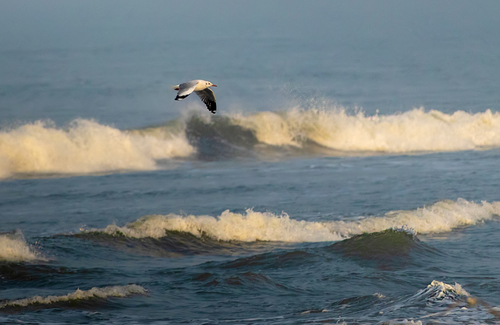
チャガシラカモメ (Chroicocephalus brunnicephalus) チャガシラカモメ
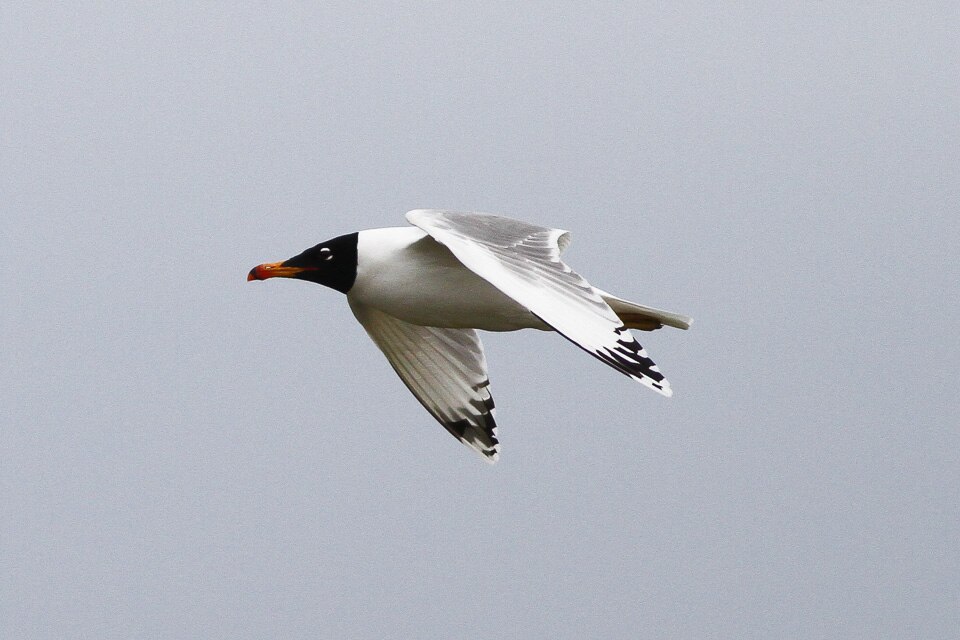
オオズグロカモメ (Ichthyaetus ichthyaetus) オオズグロカモメ

メディア

読み込み中…

要点

チャガシラカモメとオオズグロカモメの最も信頼できるフィールドマークはサイズです:オオズグロカモメは非常に大きく、体格と翼幅はどのチャガシラカモメをも圧倒します。飛行中、1年目のチャガシラカモメは黒い尾帯と翼により広範な暗色を示しますが、オオズグロカモメの幼鳥は急速に灰色の上面を発達させ、成熟するまでに4年かかります。成鳥の夏の鳥はフードの色が異なります—チャガシラは淡い茶色の頭と赤いくちばし/脚を持ち、オオズグロは目を引く黒いフードに黄色い脚、そして赤い先端を持つ重い黄色いくちばしを持っています。構造も手がかりです:オオズグロカモメは巨大で長い翼を持ち、太いくちばしと長い脛を持っていますが、チャガシラはより華奢です。黒いフードに黄色い脚、そして巨大で力強い体格のカモメを見たら、それはオオズグロです;小さく、赤い脚を持つ茶色のフードの鳥はチャガシラです。

識別のコツ

  1. Size is the first check: オオズグロカモメは巨大で、翼幅と体格がチャガシラを遠くからでも小さく見せます。もしその鳥がオオカモメと同じくらい大きく見えたら、それはオオズグロです。
  2. Bill and leg color: 成鳥のチャガシラは赤いくちばしと脚を持ち、オオズグロは黄色い脚と赤い先端を持つ太い黄色いくちばしを持っています。これは中距離で確認できます。
  3. Hood color in summer: チャガシラのフードは淡い茶色で、オオズグロは真っ黒です。他の大きなカモメは黒いフードを持っていません。
  4. Winter head pattern: 冬に、チャガシラはフードを失い、暗い縦の筋だけを示します;オオズグロはフード全体を失いますが、目の周りに暗いマスクを保持します。
  5. Juvenile/first-year tail and wing pattern: チャガシラの幼鳥/1年目は黒い尾帯と翼により広範な暗色を持っています。オオズグロの幼鳥はこの尾帯を欠き、代わりに灰色の上面を急速に発達させます。
  6. Maturity timing: チャガシラは2年で成熟し、オオズグロは4年かかります。幼いオオズグロは数年間灰色と茶色の上面の混合を示すことがありますが、常に非常に大きいです。
  7. White wing 'mirrors': 両種とも翼先に白いミラーを持っているため、これは区別要因ではありません。
  8. Underwing color: チャガシラは灰色の下翼を持ち、黒い飛行羽を持っています;オオズグロは似たような灰色の翼を持っていますが、はるかに大きいです—サイズと構造を使用してください。
  9. Leg length and stance: オオズグロは長い脛を持ち、高く立っています;チャガシラは脚が短く、よりコンパクトです。
  10. Bill shape: オオズグロのくちばしは太く、長く、力強く、明確な赤い先端を持っています;チャガシラのくちばしは細く、すべて赤です。
  11. Behavior in flocks: チャガシラは群れを成し、しばしば大きな群れで見られます;オオズグロは通常孤独または少数で見られます。
  12. Habitat context: 南アジアでは、チャガシラは冬に湖や海岸で一般的です;オオズグロははるかに稀で、より局所的です。
  13. Voice: 聞こえた場合、オオズグロは典型的なチャガシラのカモメの呼び声とは異なる深い「アーグ」を発します。
  14. Jizz in flight: オオズグロは長い翼を持ち、重く、飛行中に力強いです;チャガシラは素早く、敏捷で、コンパクトです。
  15. Pitfalls: 遠くのオオズグロを近くのチャガシラと混同しないでください—常にオオズグロの巨大なサイズ、太いくちばし、黄色い脚を確認してください。

大きさ

オオズグロカモメは世界で最も大きなカモメの一つで、平均成鳥の質量は約1394g [wikidata]、長さは55〜72cm、翼幅は142〜170cm [wikipedia]です。チャガシラカモメははるかに小さく—オオカモメよりわずかに大きいと記述されており、オオズグロの質量と翼幅の半分にも満たないです。直接比較すると、オオズグロは巨大に見え、太い首、長いくちばし、長い脚を持ち、チャガシラは小さく、コンパクトなカモメで、より細かい特徴を持っています。遠くからでも、オオズグロの体格と翼幅は診断的です。

羽色

幼鳥と1年目のチャガシラカモメは黒い端尾帯と翼により広範な暗色を示し、1年目の夏の鳥ではフードがあまり均一ではありません。これらの年齢特有のマークはオオズグロカモメにはなく、代わりに灰色の上面を急速に発達させますが、完全な成鳥の羽衣に達するまでに4年かかります。成鳥の夏のチャガシラカモメは淡い茶色のフード(ユリカモメより明るい)、淡い灰色の体、赤いくちばしと脚を持ち、冬にはフードを失い、暗い縦の筋だけが残ります。夏のオオズグロカモメの成鳥は間違いなく、真っ黒なフード、灰色の翼と背中、黄色い脚、赤い先端を持つ重い黄色いくちばしを持っています。他のすべての羽衣において、オオズグロは目の周りに暗いマスクを示し、フードの名残です。両種とも翼先に白い「ミラー」を持っていますが、フードと裸の部分の全体的なコントラストと色が重要です。チャガシラの下翼は灰色で黒い飛行羽を持ち、オオズグロは似たような灰色の翼を持っていますが、すべての羽衣でより大きくて重いです。

行動

チャガシラカモメは冬に非常に群れを成し、大きな群れで餌を探したり休んだりすることが多く、都市環境でも大胆にごみを漁ります。オオズグロカモメは、ここでは詳細に説明されていませんが、大きくて密な群れで見られることは少なく、そのサイズとより威厳のある力強い動きで目立ちます。両種とも真の外洋性ではなく、大きな湖や海岸から遠くで見られることは稀です。

生息環境

両種とも内陸で繁殖しますが、チャガシラカモメは中央アジアの高い高原の葦原、湿地、または湖の島に巣を作り、インド亜大陸の海岸や大きな内陸湖で広く冬を越します。オオズグロカモメの生息地はここでは詳細に説明されていませんが、両種とも開放海ではなく、大きな水域に関連しています。冬には、チャガシラは湖や海岸で大きな群れで一般的ですが、オオズグロははるかに稀で、より局所的です。

声

オオズグロカモメは深くて粗い「アーグ」という鳴き声を持っています。チャガシラカモメは特にコロニーで騒がしいと記述されていますが、特定の呼び声は与えられていません。混合群れでは、オオズグロの深く共鳴する呼び声が、チャガシラのより高い音調で典型的なカモメの呼び声と区別されることがあります。

より良い説明を送る

比較と同じ項目を使ってください。文章はすぐに公開されます。

The most reliable field mark between Brown-headed Gull and Pallas's Gull is size: Pallas's Gull is vastly larger, with a bulk and wingspan that dwarf any Brown-headed Gull. In flight, first-year Brown-headed Gulls show a black tail band and more extensive dark in the wings, while Pallas's Gull immatures rapidly develop grey upperparts and take four years to mature. Adult summer birds differ in hood color—Brown-headed has a pale brown head and red bill/legs, while Pallas's is strikingly black-hooded with yellow legs and a hefty yellow bill tipped red. Structure is also a giveaway: Pallas's Gull is massive and long-winged, with a thick bill and long tarsi, compared to the daintier Brown-headed. If you see a black-hooded gull with yellow legs and a huge, powerful build, it's Pallas's; a smaller, red-legged, brown-hooded bird is Brown-headed.

  1. Size is the first check: Pallas's Gull is enormous, with a wingspan and bulk that make Brown-headed look small even at a distance. If the bird looks as big as a Great Black-backed Gull, it's Pallas's.
  2. Bill and leg color: Adult Brown-headed has a red bill and legs; Pallas's has yellow legs and a thick yellow bill with a red tip. This is visible at moderate range.
  3. Hood color in summer: Brown-headed's hood is pale brown; Pallas's is jet black. No other large gull has a black hood.
  4. Winter head pattern: In winter, Brown-headed loses its hood, showing only dark vertical streaks; Pallas's loses the full hood but retains a dark mask through the eye.
  5. Juvenile/first-year tail and wing pattern: Brown-headed juveniles/first-years have a black tail band and more extensive dark in the wings. Pallas's immatures lack this tail band and instead develop grey upperparts quickly.
  6. Maturity timing: Brown-headed matures in two years; Pallas's takes four. Immature Pallas's may show a mix of grey and brown upperparts for several years, but will always be very large.
  7. White wing 'mirrors': Both have white mirrors at the wingtips, so this is not a separator.
  8. Underwing color: Brown-headed has grey underwings with black flight feathers; Pallas's is similar but much larger—use size and structure.
  9. Leg length and stance: Pallas's has long tarsi and stands tall; Brown-headed is shorter-legged and more compact.
  10. Bill shape: Pallas's bill is thick, long, and powerful, with a distinct red tip; Brown-headed's is finer and all red.
  11. Behavior in flocks: Brown-headed is gregarious and often in large flocks; Pallas's is usually solitary or in small numbers.
  12. Habitat context: In South Asia, Brown-headed is common on lakes and coasts in winter; Pallas's is much rarer and more local.
  13. Voice: If heard, Pallas's gives a deep 'aargh' unlike the typical gull calls of Brown-headed.
  14. Jizz in flight: Pallas's is long-winged, heavy, and powerful in flight; Brown-headed is quick, agile, and compact.
  15. Pitfalls: Do not confuse a distant Pallas's with a close Brown-headed—always check for the massive size, thick bill, and yellow legs of Pallas's.

Pallas's Gull is one of the largest gulls in the world, with an average adult mass of about 1394 g [wikidata], a length of 55–72 cm, and a wingspan of 142–170 cm [wikipedia]. Brown-headed Gull is much smaller—described as only slightly larger than Black-headed Gull, which is less than half the mass and wingspan of Pallas's. In any direct comparison, Pallas's appears gigantic, with a thick neck, long bill, and long legs, while Brown-headed is a small, compact gull with finer features. Even at a distance, the sheer bulk and wingspan of Pallas's are diagnostic.

Juvenile and first-year Brown-headed Gulls show a black terminal tail band and more extensive dark in the wings, with a less uniform hood in first-summer birds. These age-specific marks are absent in Pallas's Gull, which instead develops grey upperparts quickly but takes four years to reach full adult plumage. Adult summer Brown-headed Gulls have a pale brown hood (lighter than Black-headed Gull), pale grey body, and red bill and legs; in winter, the hood is lost, leaving only dark vertical streaks. Pallas's Gull adults in summer are unmistakable: a jet-black hood, grey wings and back, yellow legs, and a heavy yellow bill with a red tip. In all other plumages, Pallas's shows a dark mask through the eye, a vestige of the hood. Both species have white 'mirrors' at the wingtips, but the overall contrast and color of the hood and bare parts are key. Underwings of Brown-headed are grey with black flight feathers; Pallas's has similar grey wings but is much larger and bulkier in all plumages.

Brown-headed Gull is highly gregarious in winter, often seen in large flocks feeding or roosting, and is bold in scavenging, even in urban settings. Pallas's Gull, while not described in detail here, is less likely to be seen in large, dense flocks and stands out by its size and more stately, powerful movements. Both species are not truly pelagic and are rarely seen far from coasts or large lakes.

Both species breed inland, but Brown-headed Gull nests in high plateau reedbeds, marshes, or lake islands in central Asia, and winters widely on coasts and large inland lakes of the Indian subcontinent. Pallas's Gull's habitat is not detailed here, but both are associated with large water bodies rather than open sea. In winter, Brown-headed is common in large flocks on lakes and coasts, while Pallas's is much scarcer and more localized.

Pallas's Gull has a deep, harsh 'aargh' cry. Brown-headed Gull is described as noisy, especially at colonies, but no specific call is given. In mixed flocks, the deep, resonant call of Pallas's may stand out from the higher-pitched, more typical gull calls of Brown-headed.

変更を破棄しますか?

保存していない編集があります。今離れると失われます。

チャガシラカモメ · オオズグロカモメ · 苦手な鳥