

Motmot

チャガシラカモメ 対 チャエリガラス

Chroicocephalus brunnicephalus 対 Corvus ruficollis

チャガシラカモメとチャエリガラスのクイズ
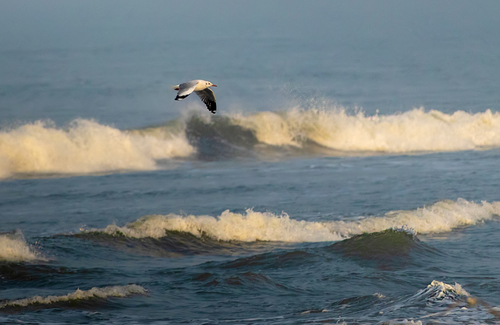
チャガシラカモメ (Chroicocephalus brunnicephalus) チャガシラカモメ
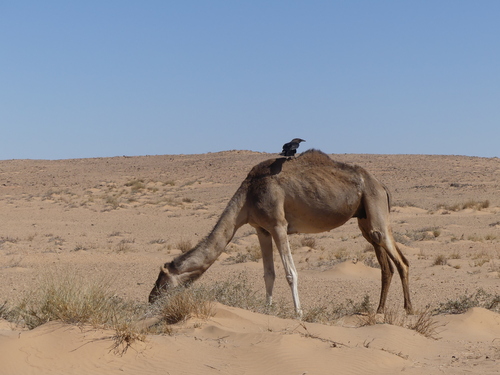
チャエリガラス (Corvus ruficollis) チャエリガラス

メディア

読み込み中…

要点

ブラウンヘッドカモメとチャエリガラスを区別する最も信頼できるフィールドマークは、特に未成熟の鳥における飛行中の翼と尾のパターンです:幼鳥と初冬のブラウンヘッドカモメは黒い端尾帯と翼により多くの暗い部分を示しますが、チャエリガラスは対照的なパターンがなく均一に暗いです。構造的には、ブラウンヘッドカモメは赤いくちばしと脚を持つコンパクトで小さなカモメですが、チャエリガラスは明らかにくさび形の尾と全て黒い裸の部分を持つはるかに大きく、重いくちばしのカラスです。夏の成鳥ブラウンヘッドカモメは淡い茶色のフードを持っていますが、冬にはこれを失い、チャエリガラスの頭と喉は常に茶色がかった黒で、摩耗と共に茶色に変わります。これらの2種はサイズ、構造、飛行スタイル、そして生息地の好みにおいて大きく異なり、遠くからや悪条件でない限り混同することはありません。

識別のコツ

  1. 幼鳥/初冬のブラウンヘッドカモメは黒い端尾帯と翼により多くの暗い部分を示します—飛行中にこれを探してください;チャエリガラスはどの年齢でもそのようなパターンを示しません。
  2. 夏の成鳥ブラウンヘッドカモメは淡い茶色のフードを持っています(暗い茶色や黒ではなく)、淡い灰色の体と赤いくちばし/脚を持っています;冬にはフードを失い、暗い筋に置き換わります—チャエリガラスは常に茶色がかった黒の頭と喉を持ち、季節的なフードはありません。
  3. 飛行中の翼のパターン:ブラウンヘッドカモメは目立つ白い「ミラー」を持つ黒い先端の一次羽(成鳥)を持ち、灰色の下翼には黒い飛行羽があります;チャエリガラスは上も下も均一に暗く、白や淡い部分はありません。
  4. くちばしの色と形:カモメのくちばしは赤(成鳥)で細い;カラスのくちばしは黒く、太く、重く、強いカーブがあります—これは遠くからでも見えます。
  5. 脚の色:カモメは赤い脚(成鳥)、カラスは黒い脚と足を持っています。
  6. 尾の形:カモメの尾は短くて四角またはわずかに丸い;カラスの尾は長くてくさび形で、特に飛行中に扇ぐと明らかです。
  7. サイズと構造:ブラウンヘッドカモメは小さくてコンパクトで、短い首と尾を持っています;チャエリガラスははるかに大きく、長い首、重いくちばし、長いくさび形の尾を持っています。
  8. 飛行スタイル:カモメは急速で浅い翼の羽ばたきで飛び、平らな翼で滑空します;カラスは深く、遅い羽ばたきで上昇し滑空し、しばしば浅い二面角で翼を保持します。
  9. 羽毛の光沢:カラスの羽毛は黒で紫または青の光沢があり、茶色がかった黒に変わります;カモメは淡い灰色と白で、暗い翼先端と(季節に応じて)淡い茶色のフードを持っています。
  10. 裸の部分の色:カモメの赤いくちばしと脚(成鳥)は特徴的です;カラスのそれは常に黒です。
  11. 生息地:カモメは水に結びついています—湖、海岸、川;カラスは乾燥した開けた土地、砂漠、草原に見られ、水の近くにはほとんどいません。
  12. 群れのサイズ:カモメはしばしば大きくて騒がしい群れで見られます;カラスは通常孤独または小さな群れで見られます。
  13. 鳴き声:カモメは典型的なカモメの鳴き声を出します;カラスはワタリガラスに似た声を持ち、主にクロークと高音の「カール・カール・カール」を出し、飛行中には「クエルク・クエルク」を出します。カラスは模倣も可能ですが、これは野生では稀です。2種の鳴き声は全く異なり、良く聞けば診断的です。
  14. 文脈:町や水辺で食べ物をあさっているのが見られた場合、カモメの可能性が高い;砂漠の上を滑空しているか岩の上に止まっている場合、カラスの可能性が高い。
  15. 季節的な混乱:冬にはカモメはフードを失いますが、淡い体と赤いくちばし/脚はまだ示します;カラスの羽毛は摩耗により茶色がかることがありますが、フードや淡い体は決して示しません。

大きさ

ブラウンヘッドカモメは小さなカモメで、どのカラスよりも明らかに小さく、よりコンパクトです。チャエリガラスは大きなカラスで、長さは52〜56 cmで、はるかに重い体格と長い翼と尾を持っています。遠くからでも、カラスのサイズと体重は明らかで、他の鳥と並んで見ると特に目立ちます。カモメは比較的繊細で、くちばしが短いです。

羽色

幼鳥と初冬のブラウンヘッドカモメは黒い端尾帯と翼により広範な暗いマーキングを示し、特に飛行中に目立ちます。これらの対照的なパターンは、どの年齢のチャエリガラスにも見られず、均一に暗く、全体的に茶色がかった黒に変わることがあります。夏の成鳥ブラウンヘッドカモメは淡い茶色のフード(黒頭カモメよりも明るい)と淡い灰色の体を持ち、目立つ白い「ミラー」を持つ黒い先端の一次羽があります。冬にはフードを失い、頭に暗い縦の筋が置き換わります。下翼は灰色で黒い飛行羽があります。チャエリガラスは常に茶色がかった黒の頭と喉を持ち、羽毛の残りは紫または青の光沢のある黒で、摩耗により全体が茶色がかることがあります。カラスのくちばし、脚、足は常に黒ですが、カモメのそれは成鳥では赤です。カラスには季節的なフードや翼のパターンの変化はありません。

行動

ブラウンヘッドカモメは非常に群れを成す性質があり、特に冬には大きな群れで餌を食べたり休んだりしているのがよく見られ、水辺、田畑、さらには町の周りで大胆で機会主義的です。水から遠く離れていることはほとんどありません。チャエリガラスは通常、単独または小さな群れで見られ、しばしば深く、遅い羽ばたきで上昇したり滑空したりし、水に対してははるかに結びついていません。その飛行は力強く直接的で、くさび形の尾を持ち、しばしば扇がれています。カラスは乾燥したまたは半乾燥の風景で見られる可能性が高く、水から遠く離れていることが多く、密集した群れで見られる可能性は低いです。

生息環境

ブラウンヘッドカモメは高原の湿地、葦原、または湖の島で繁殖し、海岸や大きな内陸湖で冬を過ごし、水から遠く離れることはほとんどありません。チャエリガラスは乾燥したおよび半乾燥した地域、砂漠、開けた土地を好み、水域とは関連していません。開けた砂漠や乾燥した草原の上に鳥が見られた場合、それはほぼ確実にカラスです;湖、川、または海岸の上では、カモメの方がはるかに可能性が高いです。

声

ブラウンヘッドカモメは特にコロニーで騒がしく、典型的なカモメのような鳴き声を出します。チャエリガラスはワタリガラスに似た声を持ち、主にクロークですが、高音で、厳しい「カール・カール・カール」を出します;飛行中には「クエルク・クエルク」を出します。カラスは模倣も可能ですが、これは野生では稀です。2種の鳴き声は全く異なり、良く聞けば診断的です。

より良い説明を送る

比較と同じ項目を使ってください。文章はすぐに公開されます。

The most reliable field mark to separate Brown-headed Gull from Brown-necked Raven is the wing and tail pattern in flight, especially in immature birds: juvenile and first-year Brown-headed Gulls show a black terminal tail band and more dark areas in the wings, while Brown-necked Ravens are uniformly dark with no such contrasting patterns. Structurally, Brown-headed Gull is a compact, small gull with a red bill and legs, while Brown-necked Raven is a much larger, heavy-billed corvid with a distinctly wedge-shaped tail and all-black bare parts. Adult Brown-headed Gulls in summer have a pale brown hood, but lose this in winter, whereas Brown-necked Raven's head and throat are always brownish-black, fading to brown with wear. The two species differ drastically in size, structure, flight style, and habitat preference, making confusion unlikely except at a great distance or in poor conditions.

  1. Juvenile/first-winter Brown-headed Gull shows a black terminal tail band and more dark in the wings—look for these in flight; Brown-necked Raven never shows such patterns at any age.
  2. Adult Brown-headed Gull in summer has a pale brown hood (not dark brown or black), with a pale grey body and red bill/legs; in winter, the hood is lost, replaced by dark streaks—Brown-necked Raven always has a brownish-black head and throat, with no seasonal hood.
  3. Wing pattern in flight: Brown-headed Gull has black-tipped primaries with conspicuous white 'mirrors' (adults), and a grey underwing with black flight feathers; Brown-necked Raven is uniformly dark above and below, with no white or pale areas.
  4. Bill color and shape: Gull's bill is red (adults) and slender; raven's is black, thick, and heavy, with a strong curve—this is visible even at a distance.
  5. Leg color: Gull has red legs (adults), raven has black legs and feet.
  6. Tail shape: Gull's tail is short and square or slightly rounded; raven's tail is long and wedge-shaped, especially obvious when fanned in flight.
  7. Size and structure: Brown-headed Gull is small and compact, with a short neck and tail; Brown-necked Raven is much larger, with a long neck, heavy bill, and long, wedge-shaped tail.
  8. Flight style: Gull flies with rapid, shallow wingbeats and glides on flat wings; raven soars and glides with deep, slow wingbeats, often holding wings in a shallow dihedral.
  9. Plumage gloss: Raven's plumage is black with purple or blue gloss, fading to brownish-black; gull is pale grey and white with dark wingtips and (in season) a pale brown hood.
  10. Bare part color: Gull's red bill and legs (adults) are distinctive; raven's are always black.
  11. Habitat: Gull is tied to water—lakes, coasts, rivers; raven is found in arid, open country, deserts, and steppe, rarely near water.
  12. Flock size: Gull is often in large, noisy flocks; raven is usually solitary or in small groups.
  13. Vocalization: Gull gives typical gull calls; raven gives croaks and harsh calls, very different in tone and rhythm.
  14. Context: If seen scavenging in towns or at water's edge, likely gull; if soaring over desert or perched on rocks, likely raven.
  15. Seasonal confusion: In winter, gull loses its hood but still shows pale body and red bill/legs; raven's plumage may look browner with wear but never shows a hood or pale body.

Brown-headed Gull is a small gull, noticeably smaller and more compact than any raven. Brown-necked Raven is a large corvid, 52–56 cm in length, with a much heavier build and longer wings and tail. Even at a distance, the raven's size and bulk are apparent, especially when seen alongside other birds. The gull is delicate and short-billed by comparison, with a proportionally shorter neck and tail.

Juvenile and first-winter Brown-headed Gulls show a black terminal tail band and more extensive dark markings in the wings, especially visible in flight. These contrasting patterns are absent in Brown-necked Raven of any age, which is uniformly dark, with plumage that can fade to a brownish-black overall. Adult Brown-headed Gulls in summer have a pale brown hood (lighter than the black-headed gull's) and a pale grey body, with black-tipped primaries featuring conspicuous white 'mirrors'. In winter, the hood is lost, replaced by dark vertical streaks on the head. The underwing is grey with black flight feathers. Brown-necked Raven always has a brownish-black head and throat, with the rest of the plumage black glossed purple or blue; with wear, the entire bird can appear brownish. The raven's bill, legs, and feet are always black, while the gull's are red in adults. No seasonal hood or wing pattern changes in the raven.

Brown-headed Gull is highly gregarious, especially in winter, often seen in large flocks feeding or roosting, and is bold and opportunistic around water, fields, and even towns. It is rarely seen far from water. Brown-necked Raven is typically seen singly or in small groups, often soaring or gliding with deep, slow wingbeats, and is much less tied to water. Its flight is powerful and direct, with a wedge-shaped tail often fanned. The raven is more likely to be seen in arid or semi-arid landscapes, often far from water, and is less likely to be found in dense flocks.

Brown-headed Gull breeds in high plateau wetlands, reedbeds, or on islands in lakes, and winters along coasts and large inland lakes, rarely venturing far from water. Brown-necked Raven prefers arid and semi-arid regions, deserts, and open country, and is not associated with water bodies. If you see a bird over open desert or dry steppe, it is almost certainly the raven; over lakes, rivers, or coasts, the gull is much more likely.

Brown-headed Gull is noisy, especially at colonies, with typical gull-like calls. Brown-necked Raven has a voice similar to the common raven, mainly croaks but higher-pitched, and a harsh 'karr-karr-karr'; in flight, it gives a 'kuerk-kuerk'. The raven is also capable of mimicry, though this is rare in the wild. The two species' calls are entirely different and diagnostic if heard well.

変更を破棄しますか?

保存していない編集があります。今離れると失われます。

チャガシラカモメ · チャエリガラス · 苦手な鳥