

Motmot

チャイロエボシカマドドリ 対 オオオナガカマドドリ

Pseudoseisura lophotes 対 Schoeniophylax phryganophilus

チャイロエボシカマドドリとオオオナガカマドドリのクイズ
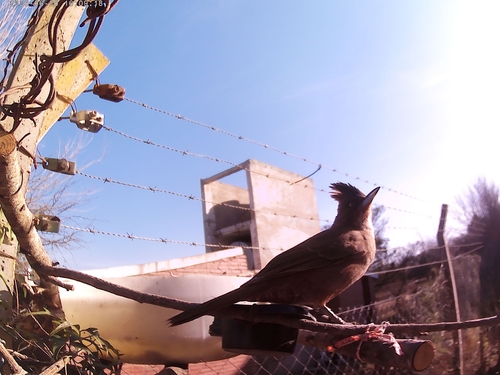
チャイロエボシカマドドリ (Pseudoseisura lophotes) チャイロエボシカマドドリ
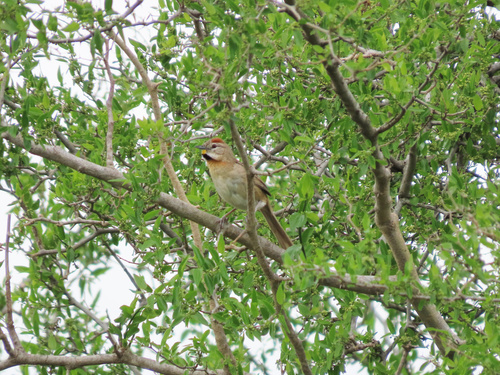
オオオナガカマドドリ (Schoeniophylax phryganophilus) オオオナガカマドドリ

メディア

読み込み中…

要点

チャイロエボシカマドドリとオオオナガカマドドリを区別する最も信頼できるフィールドマークは、全体の色合いと頭の模様です:チャイロエボシカマドドリは均一な赤褐色の鳥で、目立つ暗い冠羽がありますが、オオオナガカマドドリはより淡い色で、上部にストライプがあり、目を引く白い眉斑と独特の黒と白の喉の斑点を示します。若いChotoy Spinetailsはより鈍い色合いですが、依然としてcacholoteの固体の赤褐色のトーンと冠羽が欠けています。飛んでいるときや止まっているとき、cacholoteの体格、暗い翼、そしてカケスのような姿勢は、より細身で長い尾のspinetailと対照的です。両種は似た地域に生息することがありますが、cacholoteはより森林の多い地域を好み、特に大きくて重いです。

識別のコツ

  1. Uniform Rufous vs. Streaked and Patterned: チャイロエボシカマドドリは完全に赤褐色でコントラストが少ないのに対し、オオオナガカマドドリは上部が砂色の茶色で、強い暗いストライプと淡い模様の顔を持っています。これは、どの年齢でも彼らを区別する最も早い方法です。
  2. Crest and Head Shape: Cacholoteは目立つ暗いカケスのような冠羽を持ち、特に立てたときに明らかです。オオオナガカマドドリは冠羽がなく、滑らかで丸い頭頂を持っています。
  3. Face Pattern: オオオナガカマドドリは大胆な白い眉斑と淡い茶色の耳羽を示し、ストライプのある頭頂と背中に対して際立っています。Cacholoteの顔は単純な赤褐色で、わずかに暗い目の周りと喉があります。
  4. Throat and Breast: Cacholoteの喉は鮮やかな赤褐色で、淡い胸に溶け込んでいます。オオオナガカマドドリは明るい黄色の顎/上喉、白に囲まれた下喉の鮮明な黒い四角、そしてアプリコット色の上胸を持っています—この喉の模様は独特で、距離があっても見えます。
  5. Tail and Wing Structure: Cacholoteは広く丸い尾と重い翼を持ち、がっしりとした力強い外見を与えます。Spinetailの尾は長く、狭く、段階的で、しばしば振られたり傾けられたりし、翼は相対的に短く軽いです。
  6. Bill and Iris: Cacholoteのくちばしは全て黒くて頑丈で、虹彩は黄色です。Spinetailのくちばしは二色で(黒っぽい上顎、灰色/青っぽい下顎)、虹彩は赤から茶色です。これらは微妙ですが、近距離で役立つことがあります。
  7. Size and Bulk: Cacholoteははるかに大きくて重いです;両方を一緒に見ると、違いは際立っています。単独でも、cacholoteの体格と姿勢は独特です。
  8. Juvenile Pitfalls: 若いChotoy Spinetailsは鈍い色合いでストライプが少なく、依然として淡い眉斑を示し、cacholoteの均一な赤褐色と冠羽が欠けています。若いcacholotesは常に赤褐色で、決してストライプがありません。
  9. Perched vs. In Flight: Cacholoteは直立して止まり、しばしば高い木にいて、時には扇状の尾と垂れた翼を持っています。Spinetailはより落ち着きがなく、低い場所で食べ物を探し、急速に低木を通り抜けます。
  10. Nest Structure (if visible): Cacholoteは高い木に巨大で卵形の枝の巣を作ります(最大17 m)、一方spinetailの巣は側面の入り口を持つ小さな球形で、通常は低い位置にあります(最大3.5 m)。
  11. Habitat Context: 成熟した森林や高い孤立した木の中ではcacholoteが期待され、低木の多い開けた場所や湿地の端ではspinetailがより可能性があります。
  12. Vocalization: Cacholoteの二重唱は長く、騒がしく、粗いです;spinetailの歌は低い'cho'音の連続で、そのサイズにしては予想以上に深く聞こえます。
  13. Sex and Season: 両種は性別による形態の違いがなく、羽毛は季節によって変わりません。
  14. Regional Abundance: 両方の種は生息域が重なる場所ではかなり一般的であるため、単に数の多さに頼らないでください。
  15. Confusion Risk: 照明が悪い場合、cacholoteの均一な赤褐色と大きなサイズは、spinetailのストライプのある模様と小さく細身の体型と対照的です。

大きさ

チャイロエボシカマドドリははるかに大きくて重いです:長さ24–26 cm、重さ63–79 gで、最大のフルナリウスの一つです。オオオナガカマドドリは明らかに小さくて軽く、長さ20–22 cm、重さ15–22.5 gです。Cacholoteの翼と尾も絶対的に長く、体はよりがっしりしていて頑丈ですが、オオオナガカマドドリは細身で、長く狭い尾と軽い体型を持っています。このサイズの違いは、距離があっても混合した群れの中でもしばしば明らかです。

羽色

行動

チャイロエボシカマドドリはしばしば高い木に止まっているのが見られ、時にはペアで、扇状の尾と広げた翼で二重唱を行います。彼はより頑丈で、カケスを思わせる重くて意図的な動きで移動します。オオオナガカマドドリはより活発で、低い低木や小さな木の中で食べ物を探し、しばしば長い尾を振りながら急速に植生を通り抜けます。Cacholoteの巣ははるかに大きく高い位置にあり(最大17 m)、一方spinetailは低い位置に巣を作ります(通常は最大3.5 m)密な低木や小さな木の中に。両種は露出した止まり木から歌うことがありますが、cacholoteのディスプレイはより目立ち、より多くの体のポスチャリングを含みます。

生息環境

両種は生息域が重なります(アルゼンチン、ボリビア、ブラジル、パラグアイ、ウルグアイ)が、チャイロエボシカマドドリは森林、森林の端、大きな木のある公園を好み、しばしば地上から高い位置に大きな枝の巣を作ります。オオオナガカマドドリは開けた半開放的な生息地を好みます:木のあるサバンナ、ギャラリー森林、水流に沿った低木、モンテの森林、湿地の端、通常は低い標高(最大500 m)で。混合生息地では、cacholoteは成熟した森林や孤立した高い木にいる可能性が高く、spinetailは低木や端の生息地にいる可能性が高いです。

声

チャイロエボシカマドドリの歌は長く、騒がしく、粗い二重唱で、しばしば25秒以上続き、約2ノート/秒で、呼び声は大きな'krok'または'cluck'音です。オオオナガカマドドリの歌は独特の低音の'cho'音の連続で、そのサイズにしては予想以上に深く聞こえ、呼び声は急いだおしゃべりです。Cacholoteの声はより長く、粗く、騒々しく、spinetailの声はよりリズミカルで低音です。

より良い説明を送る

比較と同じ項目を使ってください。文章はすぐに公開されます。

The most reliable field mark to separate Brown Cacholote from Chotoy Spinetail is overall coloration and head pattern: Brown Cacholote is a uniform rufous bird with a prominent dark crest, while Chotoy Spinetail is paler, streaked above, and shows a striking white supercilium and a unique black-and-white throat patch. Juvenile Chotoy Spinetails are duller but still lack the cacholote’s solid rufous tones and crest. In flight or perched, cacholote’s bulk, dark wings, and jay-like jizz contrast with the slimmer, longer-tailed spinetail. Both species may be found in similar regions, but cacholote favors more wooded areas and is notably larger and heavier.

  1. Uniform Rufous vs. Streaked and Patterned: Brown Cacholote is entirely rufous with little contrast, while Chotoy Spinetail is sandy brown above with strong dark streaks and a paler, patterned face. This is the fastest way to separate them at any age.
  2. Crest and Head Shape: Cacholote has a prominent, dark, jay-like crest, especially obvious when raised. Chotoy Spinetail lacks a crest and has a smoother, rounded crown.
  3. Face Pattern: Chotoy Spinetail shows a bold white supercilium and pale brown ear coverts, which stand out against its streaked crown and back. Cacholote’s face is plain rufous, with only a slightly darker lores and throat.
  4. Throat and Breast: Cacholote’s throat is vibrant rufous, blending into a paler breast. Chotoy Spinetail has a bright yellow chin/upper throat, a crisp black square on the lower throat surrounded by white, and an apricot upper breast—this throat pattern is unique and visible even at a distance.
  5. Tail and Wing Structure: Cacholote has a broad, rounded tail and heavy wings, giving a chunky, powerful look. Spinetail’s tail is long, narrow, and graduated, often flicked or cocked, and its wings are proportionally shorter and lighter.
  6. Bill and Iris: Cacholote’s bill is all black and robust; iris is yellow. Spinetail’s bill is bicolored (blackish maxilla, gray/bluish mandible), and iris is red to brown. These are subtle but can help at close range.
  7. Size and Bulk: Cacholote is much larger and heavier; if you see both together, the difference is striking. Even singly, cacholote’s bulk and posture are distinctive.
  8. Juvenile Pitfalls: Young Chotoy Spinetails are duller and less streaked but still show a pale supercilium and lack the cacholote’s uniform rufous and crest. Juvenile cacholotes are always rufous and never streaked.
  9. Perched vs. In Flight: Cacholote perches upright, often high in trees, sometimes with fanned tail and drooped wings. Spinetail is more restless, foraging lower and moving quickly through shrubs.
  10. Nest Structure (if visible): Cacholote builds a massive, oval stick nest high in trees (up to 17 m), while spinetail’s nest is a smaller ball with a side entrance, usually lower (to 3.5 m).
  11. Habitat Context: In mature woodland or tall isolated trees, expect cacholote; in shrubby, open, or marshy edges, spinetail is more likely.
  12. Vocalization: Cacholote’s duet is long, noisy, and rough; spinetail’s song is a series of low 'cho' notes, deeper than expected for its size.
  13. Sex and Season: Both species are sexually monomorphic; plumage does not vary by season.
  14. Regional Abundance: Both are fairly common where ranges overlap, so do not rely on abundance alone.
  15. Confusion Risk: In poor light, cacholote’s uniform rufous and large size still contrast with the spinetail’s streaked, patterned look and smaller, slimmer build.

Brown Cacholote is much larger and heavier: 24–26 cm in length and 63–79 g in weight, making it one of the largest furnariids. Chotoy Spinetail is noticeably smaller and lighter at 20–22 cm and 15–22.5 g. Cacholote’s wings and tail are also longer in absolute terms, and its body is bulkier and more robust, while Chotoy Spinetail is slender, with a long, narrow tail and a lighter build. This size difference is often apparent even at a distance or in mixed flocks.

  • Juvenile/Immature: Juvenile Chotoy Spinetails are paler, with less sharp streaking above, a brown crown, a whitish chin, and an indistinct black throat patch. They still show a pale supercilium and lack the cacholote’s uniform rufous coloration and dark crest. Juvenile Brown Cacholotes resemble adults but have duller, more monotone legs and bill, and a greener iris, but remain overall rufous.
  • Adult: Brown Cacholote is entirely rufous, with a darker crest, face, and wings, and a paler breast. The Chotoy Spinetail adult is sandy brown above with strong dark streaks, a chestnut crown, white supercilium, pale brown ear coverts, and a distinctive black-and-white throat patch (black square on lower throat, white around it, yellow chin and upper throat). Its underparts are apricot to buffy white, with a rufescent undertail. Cacholote’s iris is yellow, bill black, legs grayish-olive; Chotoy’s iris is red to brown, bill bicolored, legs pale gray to brownish. The cacholote’s uniformity and dark crest are unique; the spinetail’s face pattern and throat are diagnostic.

Brown Cacholote is often seen perched high in trees, sometimes in pairs, performing duets with fanned tails and spread wings. It is more robust and moves with a heavier, more deliberate jizz, reminiscent of a jay. Chotoy Spinetail is more active, foraging in low bushes or small trees, often flicking its long tail and moving quickly through vegetation. Cacholote’s nest is much larger and higher up (up to 17 m), while the spinetail nests lower (usually up to 3.5 m) in dense shrubs or small trees. Both species may sing from exposed perches, but cacholote’s display is more conspicuous and involves more body posturing.

Both species overlap in range (Argentina, Bolivia, Brazil, Paraguay, Uruguay), but Brown Cacholote prefers forests, woodland edges, and parks with larger trees, often building large stick nests high above ground. Chotoy Spinetail favors open to semi-open habitats: treed savannas, gallery forests, scrub along watercourses, monte woodlands, and marsh edges, usually at lower elevations (to 500 m). In mixed habitats, cacholote is more likely in mature woodland or isolated tall trees, spinetail in shrubby or edge habitats.

Brown Cacholote’s song is a long, noisy, and coarse duet, often lasting over 25 seconds, with about two notes per second, and calls are loud 'krok' or 'cluck' notes. Chotoy Spinetail’s song is a distinctive series of low-pitched 'cho' notes, sounding deeper than expected for its size, and its call is a hurried chatter. Cacholote’s vocalizations are longer, rougher, and more raucous, while spinetail’s are more rhythmic and lower-pitched.

変更を破棄しますか?

保存していない編集があります。今離れると失われます。

チャイロエボシカマドドリ · オオオナガカマドドリ · 苦手な鳥