

Motmot

チャムネコビトドリモドキ 対 ウグイスアメリカムシクイ

Hemitriccus obsoletus 対 Myiothlypis flaveola

チャムネコビトドリモドキとウグイスアメリカムシクイのクイズ
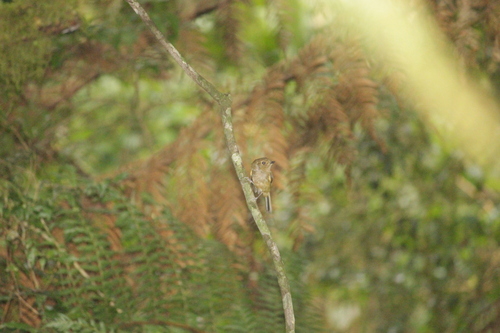
チャムネコビトドリモドキ (Hemitriccus obsoletus) チャムネコビトドリモドキ
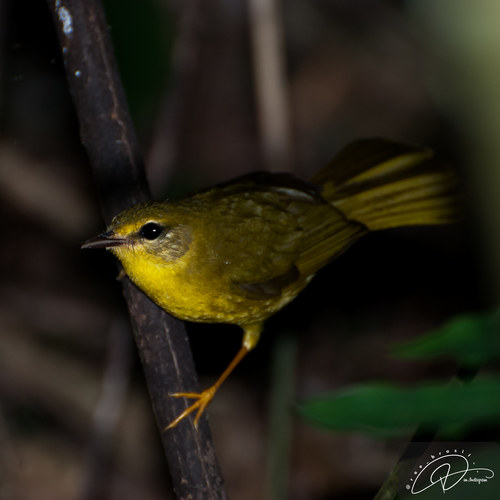
ウグイスアメリカムシクイ (Myiothlypis flaveola) ウグイスアメリカムシクイ

メディア

読み込み中…

要点

チャムネコビトドリモドキとウグイスアメリカムシクイを区別する最も信頼できるフィールドマークは、全体の色合いと顔のパターンです:ピグミータイラントは地味な茶色がかったオリーブ色の鳥で、微妙なバフィーアイリングがありますが、フラベセントウォーブラーは明るく、強い黄色の腹部と大胆な黄色のスーペルシリウムを持っています。ウォーブラーはまた、目立って大きく、尾が長く、より活発で地面を探る行動をします。両種は上面がオリーブ色に見えることがありますが、ウォーブラーの黄色い顔と腹部は遠くからでも目立ちます。未熟な特有の翼のパターンはどちらの種にも記載されていないため、成鳥の羽毛と構造に焦点を当ててください。

識別のコツ

  1. Face pattern: ウグイスアメリカムシクイは大胆な黄色のスーペルシリウムと目の下の黄色い三日月、さらに暗いアイストライプを持っており、ピグミータイラントの地味な茶色の顔とわずかなバフィーアイリング、ローレスの上のスポットと比べて、顔のコントラストがはるかに強いです。これはすべての年齢で信頼できます。
  2. Underparts color: ウォーブラーは下側が明るい黄色(喉、胸、お腹)ですが、ピグミータイラントは汚れたバフィーからオクラ色で、決して本当に黄色ではありません。鳥が下側で明るい黄色に見える場合、それはウォーブラーです。
  3. Back and upperparts: 両種は上面がオリーブ色に見えることがありますが、ウォーブラーはより緑がかったオリーブ色で、ピグミータイラントはより茶色く、地味です。微妙ですが、良い光の中では役立ちます。
  4. Size and structure: ウォーブラーは目立って大きく、尾が長く、より頑丈な体と長いくちばしを持っています。ピグミータイラントは小さく、コンパクトで、尾が短いです。これは、鳥がよく見えるときや他の種と一緒に見えるときに使用してください。
  5. Bill color: ウォーブラーは黒っぽいまたは暗いくちばし(亜種によっては時々淡い)を持っていますが、ピグミータイラントは灰色の上顎とピンクがかった下顎を持っています。微妙ですが、近距離で見ると目立ちます。
  6. Leg color: ウォーブラーの脚はオレンジピンクで、ピグミータイラントの脚は淡い灰色です。これは良い光の中で役立ちます。
  7. Iris color: ピグミータイラントは赤褐色の虹彩を持っており、ウォーブラーは暗いです。近距離で見た場合に役立ちます。
  8. Wing and tail pattern: 両種は強い翼帯やコントラストのあるパネルを欠いており、どちらも特有の幼鳥や未熟な翼のパターンを示しません。これに頼って区別しないでください。
  9. Behavior: ウォーブラーは活発で、しばしば地面や低い植生の中で跳ねたり、葉をひっくり返して昆虫を探したりします。ピグミータイラントはより静かに竹や密な下草に止まることが多いです。
  10. Habitat: 密な竹の中、特に山地ではピグミータイラントを優先し、より開けたまたは多様な森林/エッジではウォーブラーがより可能性が高いです。
  11. Vocalizations: 非常に高い「ティック」音や羽音が聞こえた場合はピグミータイラントを疑ってください。ウォーブラーの歌はここでは記載されていません。
  12. Geographic range: アルゼンチンまたはブラジルの外にいる場合、ほぼ確実にウォーブラーです;これらの国の中では、生息地と羽毛を確認してください。
  13. Sex and season: 両種は性別において単形であり、強い季節的な羽毛の変化はないため、これらは区別には役立ちません。
  14. Pitfalls: 光が悪い場合、ウォーブラーの黄色は鈍く見えることがあり、ピグミータイラントのバフィーは黄色がかって見えることがあります。可能であれば、常に顔のパターンとサイズを確認してください。
  15. Mixed flocks: ウォーブラーは混成種の群れに参加しません;ピグミータイラントの群れ行動は記載されていませんが、孤独またはペアでいる可能性が高いです。

大きさ

ウグイスアメリカムシクイは明らかに大きい(体重約13.1g、長さ約14.5cm)ですが、チャムネコビトドリモドキは約11.6g、長さ約11cmです。フィールドでは、ウォーブラーはより長く、頑丈に見え、相対的に尾が長く、ピグミータイラントはコンパクトで小さなくちばしを持っています。このサイズの違いは、通常、並んで見たり、経験があると明らかです。

羽色

どちらの種にも年齢特有の翼や飛行パターンは記載されていないため、成鳥の羽毛に焦点を当ててください。チャムネコビトドリモドキは上面が地味な茶色がかったオリーブ色で、汚れたバフィーの喉と胸、上胸にわずかなバフィーの三日月、バフィーのオクラ色のお腹とクリッサムがあります。顔は控えめで、ローレスの上にバフィーのスポットと淡いバフィーのアイリングがありますが、その他は茶色がかっています。翼と尾は地味な茶色がかったオリーブ色から暗い色で、強いコントラストはありません。それに対して、ウグイスアメリカムシクイは明るく、上面はオリーブグリーンで、目を越えて伸びる大胆な黄色のスーペルシリウム、暗いアイストライプ、黄色の腹部、目の下の黄色い三日月を持っています。翼と尾はオリーブグリーンで、背中と一致し、顔はピグミータイラントよりもはるかにパターンがあり、カラフルです。ウォーブラーのくちばしは暗く(黒っぽいまたは暗い)、脚はオレンジピンクですが、ピグミータイラントは灰色の上顎、ピンクがかった下顎、淡い灰色の脚を持っています。両性は各種で似ています。

行動

ウグイスアメリカムシクイは活発で地面を探る鳥で、しばしば地面や低い植生の中で跳ねたり、葉をひっくり返して昆虫を探したりします。彼らは単独またはペアで採餌し、混成種の群れには参加しません。チャムネコビトドリモドキは行動に関してはあまり記載されていませんが、典型的なHemitriccusとして、低いまたは中程度の竹や森林の下草に静かに止まることが多く、地面で採餌しているのを見ることは少ないです。ウォーブラーの動きはよりエネルギッシュで目立ちます。

生息環境

両種はアルゼンチンとブラジルで重なりますが、ウグイスアメリカムシクイはより広い範囲(ボリビア、コロンビア、ガイアナ、パラグアイ、ベネズエラにも生息)を持っています。チャムネコビトドリモドキはより制限されており、特にチュスケア竹の山地森林に密接に関連しています。ウグイスアメリカムシクイは、より開けた多様な環境を含む、より広範な森林とエッジの生息地で見られます。特に山地の密な竹の茂みで見られた場合はピグミータイラントを疑い、より開けたまたは多様な下草ではウォーブラーがより可能性が高いです。

声

チャムネコビトドリモドキは非常に高い「ティック」音と羽音で「ブリブリ」という不規則な音を出します。ウグイスアメリカムシクイの声は提供されたメモには記載されていないため、ピグミータイラントの高い「ティック」または羽音が聞こえた場合にのみ声が役立ちます。一般的に、この属のウォーブラーはより音楽的または複雑な歌を持っていますが、ここでは診断的ではありません。

より良い説明を送る

比較と同じ項目を使ってください。文章はすぐに公開されます。

The most reliable field mark to separate Brown-breasted Pygmy-Tyrant from Flavescent Warbler is overall coloration and face pattern: the pygmy-tyrant is a plain, brownish-olive bird with a subtle buffy eye-ring, while the flavescent warbler is brighter with strong yellow underparts and a bold yellow supercilium. The warbler is also noticeably larger and longer-tailed, with a more active, ground-foraging behavior. Both species can appear olive above, but the warbler's yellow face and underparts stand out at a distance. Immature-specific wing patterns are not described for either species, so focus on adult plumage and structure.

  1. Face pattern: Flavescent Warbler has a bold yellow supercilium and yellow crescent under the eye, plus a dusky eye-stripe—much stronger facial contrast than the pygmy-tyrant's plain brownish face with only a faint buffy eye-ring and spot above the lores. This is reliable at all ages.
  2. Underparts color: Warbler is bright yellow below (throat, breast, belly), while pygmy-tyrant is dingy buff to ochraceous, never truly yellow. If the bird looks bright yellow underneath, it's the warbler.
  3. Back and upperparts: Both can appear olive above, but the warbler is more greenish-olive, while the pygmy-tyrant is browner and plainer. Subtle, but useful in good light.
  4. Size and structure: Warbler is noticeably larger and longer-tailed, with a more robust body and longer bill. Pygmy-tyrant is small, compact, and short-tailed. Use this when birds are seen well or with other species for scale.
  5. Bill color: Warbler has a blackish or dusky bill (sometimes paler in subspecies), while pygmy-tyrant has a gray maxilla and pinkish mandible. Subtle, but visible at close range.
  6. Leg color: Warbler's legs are orange-pink; pygmy-tyrant's are light gray. This can help in good light.
  7. Iris color: Pygmy-tyrant has a reddish-brown iris; warbler's is dark. Useful if seen at close range.
  8. Wing and tail pattern: Both species lack strong wingbars or contrasting panels; neither shows distinctive juvenile or immature wing patterns. Do not rely on this for separation.
  9. Behavior: Warbler is active, often on the ground or low in vegetation, hopping and flipping leaves. Pygmy-tyrant is more likely to perch quietly in bamboo or dense undergrowth.
  10. Habitat: In dense bamboo, especially montane, prioritize pygmy-tyrant; in more open or varied forest/edge, warbler is more likely.
  11. Vocalizations: If you hear very high 'tic' notes or a buzzy wing sound, suspect pygmy-tyrant. Warbler's song is not described here.
  12. Geographic range: If outside Argentina or Brazil, it's almost certainly warbler; within those countries, check habitat and plumage.
  13. Sex and season: Both species are sexually monomorphic and do not have strong seasonal plumage changes, so these are not useful for separation.
  14. Pitfalls: In poor light, the warbler's yellow can look dull, and the pygmy-tyrant's buff can look yellowish. Always check face pattern and size if possible.
  15. Mixed flocks: Warbler does not join mixed-species flocks; pygmy-tyrant's flocking behavior is not described, but it is likely solitary or in pairs.

Flavescent Warbler is distinctly larger (body mass ~13.1g, length ~14.5cm) than Brown-breasted Pygmy-Tyrant (~11.6g, length ~11cm). In the field, the warbler looks longer and more robust, with a proportionally longer tail, while the pygmy-tyrant is compact and small-billed. This size difference is usually obvious when seen side by side or with experience.

No age-specific wing or flight patterns are described for either species, so focus on adult plumage. Brown-breasted Pygmy-Tyrant is plain brownish-olive above, with a dingy buff throat and breast, a faint buffy crescent on the upper breast, and buffy ochraceous belly and crissum. Its face is subdued, with a buffy spot above the lores and a pale buffy eye-ring, but otherwise brownish. The wings and tail are plain brownish olive to dusky, lacking strong contrast. In contrast, Flavescent Warbler is brighter: olive-green above, with a bold yellow supercilium that extends past the eye, a dusky eye-stripe, yellow underparts, and a yellow crescent under the eye. Its wings and tail are olive-green, matching the back, and the face is much more patterned and colorful than the pygmy-tyrant. The warbler's bill is darker (blackish or dusky), and its legs are orange-pink, while the pygmy-tyrant has a gray maxilla, pinkish mandible, and light gray legs. Both sexes are similar in each species.

Flavescent Warbler is an active, ground-foraging bird, often seen hopping on the ground or low in vegetation, flipping leaves to find insects. It forages singly or in pairs and does not join mixed-species flocks. Brown-breasted Pygmy-Tyrant is less described behaviorally, but as a typical Hemitriccus, it is likely to be more retiring, perching quietly in low or mid-level bamboo or forest undergrowth, and less likely to be seen foraging on the ground. The warbler's movement is more energetic and conspicuous.

Both species overlap in Argentina and Brazil, but Flavescent Warbler has a wider range (also in Bolivia, Colombia, Guyana, Paraguay, Venezuela). Brown-breasted Pygmy-Tyrant is more restricted and closely associated with bamboo in montane forests, especially Chusquea bamboo. Flavescent Warbler is found in a broader range of forest and edge habitats, including more open and varied environments. If seen in dense bamboo thickets, especially in montane areas, suspect pygmy-tyrant; in more open or diverse undergrowth, warbler is more likely.

Brown-breasted Pygmy-Tyrant gives an irregular series of very high 'tic' notes and a buzzy 'brrrrrr' with its wings. Flavescent Warbler's vocalizations are not described in the provided notes, so voice is only useful if the pygmy-tyrant's high 'tic' or wing-buzz is heard. In general, warblers in this genus have more musical or complex songs, but this is not diagnostic here.

変更を破棄しますか?

保存していない編集があります。今離れると失われます。

チャムネコビトドリモドキ · ウグイスアメリカムシクイ · 苦手な鳥