

Motmot

フトオハチドリ 対 コアカヒゲハチドリ

Selasphorus platycercus 対 Selasphorus heloisa

フトオハチドリとコアカヒゲハチドリのクイズ
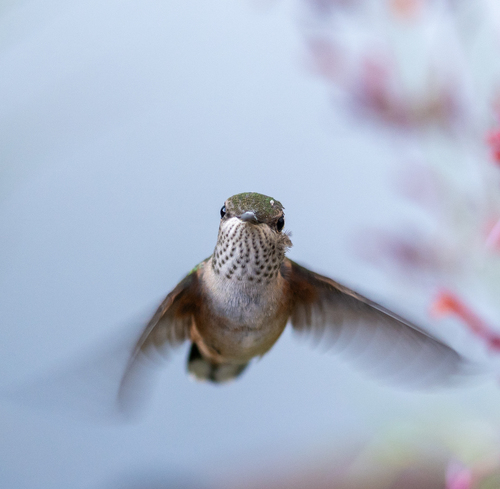
フトオハチドリ (Selasphorus platycercus) フトオハチドリ
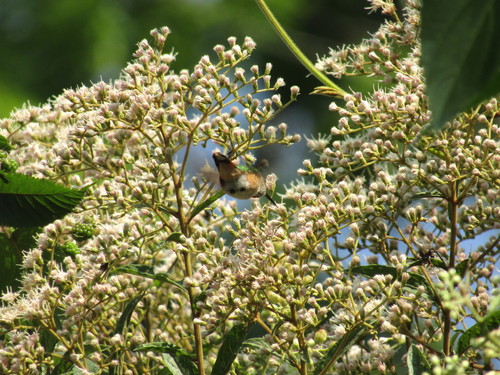
コアカヒゲハチドリ (Selasphorus heloisa) コアカヒゲハチドリ

メディア

読み込み中…

要点

フトオハチドリとコアカヒゲハチドリを区別する最も信頼できるフィールドマークはサイズです:Broad-tailedは明らかに大きく、重く、体と翼が目に見えて長いです。フィールドでは、Broad-tailedは目立つ白いアイリングと、より丸みを帯びた黒い尾を示し、一方コアカヒゲハチドリは小さく、コンパクトで、短くまっすぐなくちばしと目の後ろに小さな白い斑点があります。両種のオスは虹色のゴルゲットを持っていますが、色と形は異なります:Broad-tailedのオスはバラ色のゴルゲットを示し、Bumblebeeのオスは紫がかったマゼンタから青みがかったまたはアメジスト色のゴルゲットを持ち、後ろの羽が広がっています。雌と幼鳥はサイズ、尾のパターン、Broad-tailedの白いアイリングとBumblebeeの白い後眼斑点によって最もよく区別されます。非常に小さく、蜂のようなハチドリで、尾を傾けて複雑な尾のパターンを持っているのを見た場合、それはほぼ確実にコアカヒゲハチドリです。

識別のコツ

  1. サイズは最も早く区別できる要素:Broad-tailedははるかに大きく、重いです;Bumblebeeは本当に小さく、ハチドリとしても小さいです。鳥が蜂のサイズでコンパクトに見える場合、Bumblebeeを疑ってください。
  2. 白いアイリング対白い斑点:Broad-tailedは両性および年齢で明確で完全な白いアイリングを示します。Bumblebeeは目の後ろに小さな白い斑点しか持っておらず、完全なリングはありません。
  3. 尾の形と突出:Broad-tailedは、止まっているときに翼の先端を超えてよく突出する丸い黒い尾を持っています。Bumblebeeの尾は短く、複雑なパターン(青銅色の緑、シナモン、黒、白の先端)を持ち、あまり突出しません。
  4. ゴルゲットの色と形(オス):Broad-tailedのオスは明るいバラ色のゴルゲットを持ち、平らで広がっていません。Bumblebeeのオスは金属的なマゼンタ紫から青みがかったまたはアメジスト色のゴルゲットを持ち、特にディスプレイ中に後ろの羽が広がります。
  5. 雌/幼鳥の喉と側面のパターン:Broad-tailedの雌はシナモン色の側面と斑点のある頬を持ち、平らな白い喉があります。Bumblebeeの雌は金属的な青銅色の斑点が多く、側面と尾の下により多くのシナモンまたはバフがあります。
  6. 尾のパターン(特にBumblebeeで):コアカヒゲハチドリの尾は多色です:中央の羽は青銅色の緑で、基部にシナモンがあり、外側の羽は赤みがかったシナモンと黒で、しばしば青銅色の緑のバンドと広い白またはオフホワイトの先端があります。Broad-tailedの尾はより均一に黒く、丸みを帯びています。
  7. くちばしの構造:両者はまっすぐで黒っぽいくちばしを持っていますが、Bumblebeeのくちばしはその小さなサイズに対して相対的に短く、太めです。
  8. 飛行中および花での行動:Bumblebeeはしばしば大きなハチドリに支配され、低から中レベルで餌を食べ、尾を傾けてホバリングし、より大きなハチドリの領域に忍び込むことができます。Broad-tailedはより頑丈で領土意識が強く、尾をそれほど鋭く傾けることは少ないです。
  9. 翼の音(特にオス):Broad-tailedのオスはディスプレイ中に大きな機械的な羽音を出し、遠くからも聞こえます。Bumblebeeのオスは高音で昆虫のようなブンブン音を出し、特にディスプレイ中に聞こえますが、これはBroad-tailedのトリルよりも機械的ではなく、より蜂のようです。
  10. 鳴き声:Broad-tailedの鳴き声は鋭く繰り返される「チート」であり、Bumblebeeの歌は高く、細く、うなり声のような「sss ssssssssis」または「seeuuuuu」で、止まり木から歌われ、鳴き声は高いチップです。
  11. 生息地と範囲の文脈:メキシコの外では、Bumblebeeは珍しい存在です;Broad-tailedは北アメリカ西部に広く分布しています。メキシコでは、両者が発生することがありますが、Bumblebeeは花が豊富な森林の端や開けた場所でより可能性があります。
  12. 上面の色:両者は上面が緑ですが、Bumblebeeは特に良い光の下で青銅色または金色です。
  13. 性差:両種は性差を示しますが、ゴルゲットの色と喉の斑点が重要です:Broad-tailedのオスはバラ色で、雌は平坦です;Bumblebeeのオスはマゼンタからアメジスト色で、雌は金属的な喉の斑点を持っています。
  14. 印象と印象:Broad-tailedは中型で頑丈に感じられ、長く突出した尾と自信のある飛行を持っています。Bumblebeeは小さく、素早く、しばしば尾を傾けて蜂のような素早い飛行をします。
  15. 落とし穴:幼鳥のBroad-tailedはより淡い色と小さく見えることがありますが、依然として完全な白いアイリングと大きなサイズを示します。Bumblebeeの雌は他の小さなハチドリと混同されることがありますが、サイズ、尾のパターン、喉の斑点の組み合わせが特徴的です。

大きさ

フトオハチドリはハチドリとして中型です:長さ約10 cm(4インチ)、翼幅は13.3 cm(5.25インチ)、重さは約3.6 gです。コアカヒゲハチドリは最小のハチドリの一つで、長さはわずか5.9〜7.5 cm(2.3〜3.0インチ)、重さは2〜2.7 gです。サイズの違いは直接比較すると際立っています:Broad-tailedははるかに大きく、がっしりして見え、Bumblebeeは小さく、コンパクトで、明らかに軽いです。距離があっても、コアカヒゲハチドリの小ささは明らかで、特に他のハチドリの近くで見られるときに顕著です。

羽色

年齢特有の上翼や飛行パターンのマークは両種に対して記載されていないため、体と尾の羽毛に焦点を当てます。成鳥のオスのフトオハチドリは明るいバラ色のゴルゲット、虹色の緑の背中、白いアイリング、そして翼の先端を超えて突出する丸い黒い尾を持っています。雌はより淡い色で、シナモン色の側面と斑点のある頬を持っています。コアカヒゲハチドリのオスは金属的なマゼンタ紫から青みがかったまたはアメジスト色のゴルゲットを持ち、後ろの羽が広がり、複雑な尾のパターンを持っています:中央の尾羽は青銅色の緑で基部にシナモンがあり、外側の羽は赤みがかったシナモンと黒で、しばしば青銅色の緑のバンドと広い白い先端があります。雌は金属的な青銅色の斑点がある白い喉を持ち、側面と尾の下により多くのシナモンまたはバフがあり、尾にはより多くの黒とオフホワイトの先端があります。Broad-tailedの白いアイリングは両性において一貫しており、Bumblebeeは目の後ろに小さな白い斑点しか持っていません。Bumblebeeの雌はBroad-tailedよりも小さな金属的な喉の斑点と、側面と尾の下により多くのバフまたはシナモンを持っています。両種は上面が緑ですが、Bumblebeeの方がより青銅色または金色です。

行動

コアカヒゲハチドリはしばしば大きなハチドリに支配され、低から中レベルの植生で餌を食べる傾向があり、その小さなサイズのために時々領域に忍び込むことがあります。尾を傾けてホバリングすることが多く、これは有用な行動の手がかりです。フトオハチドリはより頑丈で領土意識が強く、オスは求愛中に大きな羽音を立て、より攻撃的に領土を守ります。飛行中、Broad-tailedはより実質的に見え、非常に小さく、蜂のようなBumblebeeよりもバウンスしません。

生息環境

フトオハチドリはアメリカ西部とカナダの高地地域からメキシコとグアテマラ南部にかけて見られ、しばしば開けた森林や山の草原に生息しています。コアカヒゲハチドリはメキシコ固有で、アメリカでは稀な迷鳥であり、さまざまな生息地で見られますが、一般的には森林の端、開けた場所、花が豊富な地域を好みます。メキシコの外では、Bumblebeeは稀で、迷鳥としてのみ見られる可能性があります;メキシコでは、両者が高地地域で重なることがありますが、Broad-tailedは北に広く分布しています。

声

フトオハチドリは鋭く繰り返される「チート」という鳴き声を出し、特にオスはディスプレイ飛行中に大きな羽音を出します。コアカヒゲハチドリの歌は高く、細く、うなり声のような「sss ssssssssis」または「seeuuuuu」で、止まり木から歌われ、鳴き声は高いチップで、他のSelasphorusに似ています。Bumblebeeのオスの翼は飛行中に大きな昆虫のようなブンブン音を出し、特にディスプレイ中に聞こえますが、これはBroad-tailedのトリルよりも高音で、より昆虫のようです。

より良い説明を送る

比較と同じ項目を使ってください。文章はすぐに公開されます。

The most reliable field mark to separate Broad-tailed from Bumblebee Hummingbird is size: Broad-tailed is distinctly larger and heavier, with a noticeably longer body and wings. In the field, Broad-tailed shows a prominent white eye ring and a more rounded, projecting black tail, while Bumblebee Hummingbird is tiny, compact, and has a short, straight bill and a small white spot behind the eye. Males of both species have iridescent gorgets, but the color and shape differ: Broad-tailed males show a rose-red gorget, while Bumblebee males have a magenta-purple to bluish or amethyst gorget with flared hind feathers. Females and immatures are best separated by size, tail pattern, and the Broad-tailed’s white eye ring versus the Bumblebee’s white post-ocular spot. If you see a very small, bee-like hummingbird with a cocked tail and complex tail pattern, it is almost certainly a Bumblebee Hummingbird.

  1. Size is the fastest separator: Broad-tailed is much larger and heavier; Bumblebee is truly tiny, even for a hummingbird. If the bird looks bee-sized and compact, suspect Bumblebee.
  2. White eye ring vs. white spot: Broad-tailed shows a clear, full white eye ring in both sexes and ages. Bumblebee has only a small white spot behind the eye, never a full ring.
  3. Tail shape and projection: Broad-tailed has a rounded, black tail that projects well beyond the wing tips when perched. Bumblebee’s tail is shorter, with a complex pattern (bronzy green, cinnamon, black, and white tips), and does not project as far.
  4. Gorget color and shape (males): Broad-tailed males have a bright rose-red gorget, flat and not flared. Bumblebee males have a metallic magenta-purple to bluish or amethyst gorget, with longer hind feathers that flare out and back, especially during display.
  5. Female/immature throat and flank pattern: Broad-tailed females have cinnamon flanks and spotted cheeks, with a plain white throat. Bumblebee females have a white throat with many metallic bronze spots and more cinnamon or buff on the flanks and undertail.
  6. Tail pattern (especially in Bumblebee): Bumblebee Hummingbird’s tail is multicolored: central feathers bronzy green with cinnamon at the base, outer feathers with reddish cinnamon and black, often with a bronzy green band and a wide white or off-white tip. Broad-tailed’s tail is more uniformly black and rounded.
  7. Bill structure: Both have straight, blackish bills, but Bumblebee’s is proportionally shorter and stubbier relative to its tiny size.
  8. Behavior in flight and at flowers: Bumblebee often feeds low to mid-level, hovers with tail cocked up, and can sneak into territories of larger hummingbirds. Broad-tailed is more robust, territorial, and less likely to cock its tail so sharply.
  9. Wing sounds (males especially): Broad-tailed males produce a loud, mechanical wing trill during display, audible at a distance. Bumblebee males make a high-pitched, insect-like buzz, especially during display, but it is less mechanical and more like a bee.
  10. Vocalizations: Broad-tailed’s call is a sharp, repeated "cheet"; Bumblebee’s song is a high, thin, whining "sss ssssssssis" or "seeuuuuu" from a perch, and calls are high chips.
  11. Habitat and range context: Outside Mexico, Bumblebee is a rarity; Broad-tailed is widespread in western North America. In Mexico, both can occur, but Bumblebee is more likely in forest edges and clearings with abundant flowers.
  12. Upperparts color: Both are green above, but Bumblebee is more bronzy or golden, especially in good light.
  13. Sexual dimorphism: Both species show sexual dimorphism, but the gorget color and throat spotting are key: Broad-tailed male is rose-red, female plain; Bumblebee male is magenta to amethyst, female has metallic throat spots.
  14. Jizz and impression: Broad-tailed feels medium-sized, robust, with a long, projecting tail and confident flight. Bumblebee is tiny, quick, often with a cocked tail and a bee-like, darting flight.
  15. Pitfalls: Immature Broad-tailed can look paler and smaller, but will still show the full white eye ring and larger size. Female Bumblebee can be confused with other small hummingbirds, but the combination of size, tail pattern, and throat spots is distinctive.

Broad-tailed Hummingbird is medium-sized for a hummingbird: about 10 cm (4 in) long, with a wingspan of 13.3 cm (5.25 in), and weighs around 3.6 g. Bumblebee Hummingbird is one of the smallest hummingbirds, only 5.9–7.5 cm (2.3–3.0 in) long and weighing 2–2.7 g. The size difference is striking in direct comparison: Broad-tailed appears much larger and bulkier, while Bumblebee is tiny, compact, and noticeably lighter. Even at a distance, Bumblebee Hummingbird’s smallness is apparent, especially if seen near other hummingbirds.

No age-specific upperwing or flight pattern marks are described for either species, so focus is on body and tail plumage. Adult male Broad-tailed Hummingbirds have a bright rose-red gorget, iridescent green back, white eye ring, and a rounded black tail that projects beyond the wing tips. Females are paler, with cinnamon flanks and spotted cheeks. Bumblebee Hummingbird males have a metallic magenta-purple to bluish or amethyst gorget, with longer hind feathers that flare out, and a complex tail pattern: central tail feathers bronzy green with cinnamon at the base, outer feathers with reddish cinnamon and black, often with a bronzy green band and a wide white tip. Females have white throats with metallic bronze spots, more cinnamon or buff on the flanks and undertail, and a tail with more black and off-white tips. The Broad-tailed’s white eye ring is consistent in both sexes, while Bumblebee has only a small white spot behind the eye. Female Bumblebee has smaller metallic throat spots and more buff or cinnamon on the flanks and undertail than Broad-tailed. Both species have green upperparts, but Bumblebee’s is more bronzy or golden.

Bumblebee Hummingbird is often dominated by larger hummingbirds and tends to feed at lower to mid-levels in vegetation, sometimes sneaking into territories due to its tiny size. It often hovers with its tail cocked up, which is a useful behavioral clue. Broad-tailed Hummingbird is more robust and territorial, with males producing loud wing trills during courtship and defending territories more aggressively. In flight, Broad-tailed appears more substantial and less bouncy than the tiny, bee-like Bumblebee.

Broad-tailed Hummingbird is found in highland regions from the western US and Canada south through Mexico and Guatemala, often in open woodlands and mountain meadows. Bumblebee Hummingbird is endemic to Mexico, with rare vagrants in the US, and is found in a variety of habitats but generally favors forest edges, clearings, and areas with abundant flowers. If you are outside Mexico, Bumblebee is extremely unlikely except as a rare vagrant; in Mexico, both can overlap in highland areas, but Broad-tailed is more widespread northward.

Broad-tailed Hummingbird gives a sharp, repeated "cheet" call and, notably, males produce a loud wing trill during display flights, audible at a distance. Bumblebee Hummingbird’s song is a high, thin, whining "sss ssssssssis" or "seeuuuuu," fading at the end, sung from a perch; calls are high chips, similar to other Selasphorus. The male Bumblebee’s wings make a loud, insect-like buzz in flight, especially during display, but this is higher-pitched and more insect-like than Broad-tailed’s trill.

変更を破棄しますか?

保存していない編集があります。今離れると失われます。

フトオハチドリ · コアカヒゲハチドリ · 苦手な鳥