

Motmot

ハリモモチュウシャク 対 キアシシギ

Numenius tahitiensis 対 Tringa brevipes

ハリモモチュウシャクとキアシシギのクイズ
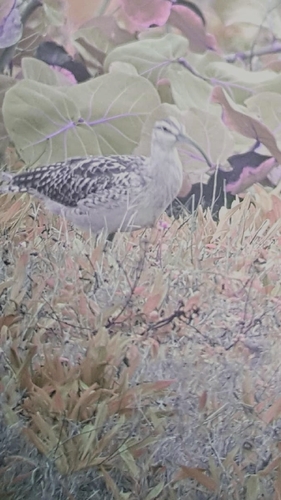
ハリモモチュウシャク (Numenius tahitiensis) ハリモモチュウシャク
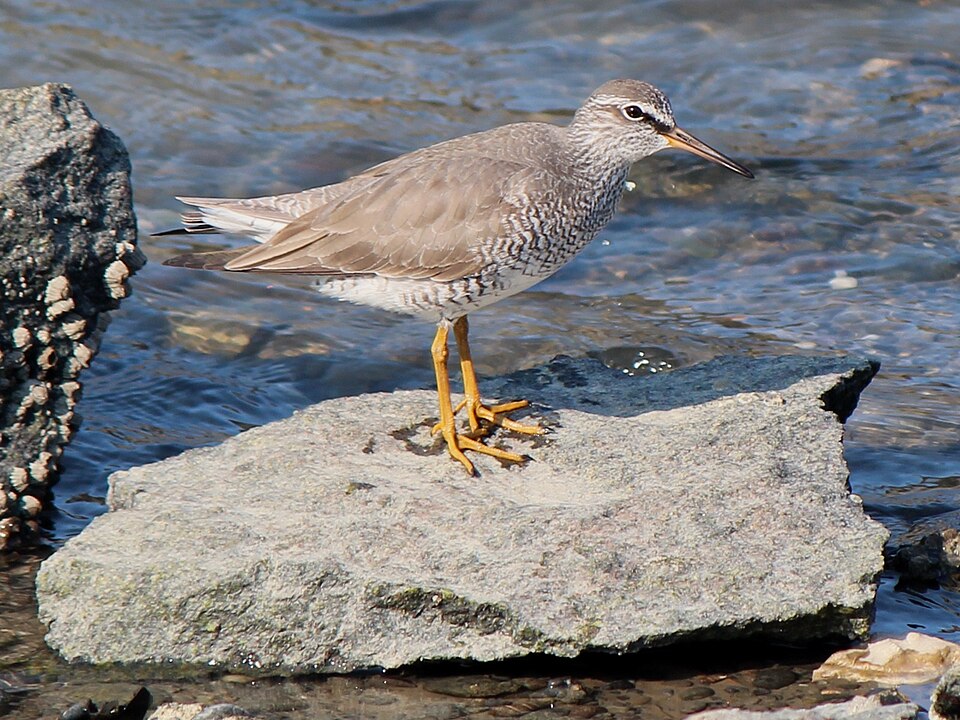
キアシシギ (Tringa brevipes) キアシシギ

メディア

読み込み中…

要点

ハリモモチュウシャクとキアシシギの最も信頼できるフィールドマークは全体的な構造です:ハリモモチュウシャクははるかに大きく、長く強く湾曲したくちばしを持ち、一方でキアシシギは小さく、まっすぐなくちばしを持っています。飛んでいるときや休んでいるとき、ハリモモチュウシャクは上に大きなバフスポットがあるバフオレンジ色の尻と尾を示しますが、キアシシギは上が無地の灰色で、白い腹部と弱い眉斑を持っています。幼鳥や繁殖していないキアシシギはバフの色合いや毛羽立った太ももを欠き、上面はハリモモチュウシャクの大胆な斑点と比較して無地です。距離があっても、ハリモモチュウシャクのサイズとくちばしの形はすぐに識別可能ですが、キアシシギの小さくてコンパクトな形と短い黄褐色の脚は際立っています。混乱は遠くの孤立した鳥や悪光の中で最も起こりやすいですが、サイズ、くちばし、上面のパターンに注意を払うことが決定的です。

識別のコツ

  1. Size and structure: ハリモモチュウシャクはキアシシギよりもはるかに大きく、がっしりとしています。もし鳥がチュウシャクシギのサイズに近い場合、それはハリモモチュウシャクです;もしそれがアカアシシギのサイズかそれより小さい場合、それはキアシシギです。
  2. Bill shape: ハリモモチュウシャクは長く、強く湾曲したくちばしを持ち、距離があっても簡単に見えます。キアシシギは淡い基部と暗い先端を持つまっすぐな中程度の長さのくちばしを持っています。くちばしの形は最も決定的なマークです。
  3. Upperpart pattern (all ages): ハリモモチュウシャクは上面に大きなバフスポットを示し、特に飛んでいるときや休んでいるときに明らかです。キアシシギは上が無地の灰色で、スポットや対照的なパターンはありません。
  4. Rump and tail in flight: ハリモモチュウシャクは淡いバフオレンジ色の尻と尾を持ち、上面の他の部分と対照的です。キアシシギの尻と尾は対照的ではなく—上は無地の灰色、下は白です。
  5. Underparts: ハリモモチュウシャクは無地の明るい腹部とほとんどマークのない側面を持っています。キアシシギは白い腹部を持ち、繁殖羽衣では胸部と時々腹部が細かく鱗状になりますが、ハリモモチュウシャクのバフの色合いは決して持ちません。
  6. Leg color: キアシシギは短い黄褐色の脚を持ち、よく見れば役立つマークになります。ハリモモチュウシャクの脚は黄褐色とは記述されておらず、相対的に長いです。
  7. Supercilium: キアシシギは繁殖羽衣の際に特に弱い眉斑を示しますが、ハリモモチュウシャクはこの特徴を欠きます。
  8. Bristled thighs: ハリモモチュウシャクは脚の基部に毛羽立った羽毛を持ち(近くで見るか良い光の中でないと見えにくい)、キアシシギにはありません。
  9. Behavior: キアシシギは尾を上下させることがあり、より活発で、時には木に止まります。ハリモモチュウシャクは遅く、より計画的で、決して木に止まりません。
  10. Habitat context: 遠くの太平洋の島で見られた場合、ハリモモチュウシャクの可能性が高いです;東南アジアやオーストラリアではキアシシギが期待されます。両者は渡りの際に重なることがあるので、構造と羽衣に頼ってください。
  11. Vocalization: 鳥が鳴いている場合、鋭い二音節の口笛はキアシシギを示します。ハリモモチュウシャクは一般的に声が少なく、この呼び声は出しません。
  12. Group size: ハリモモチュウシャクは小さな群れでいることもあれば、単独でいることもあります;キアシシギは通常孤独で、少数でいることが多いですが、休息地を除きます。
  13. Pitfalls: 泥干しの遠くの孤立した鳥は難しい場合があります—最初にくちばしの形とサイズを確認し、その後、飛んでいるときの上面のパターンと尻の色を探してください。
  14. Age/season: 幼鳥や繁殖していないキアシシギは上面がさらに無地で、バフや毛羽立った特徴を欠きますが、ハリモモチュウシャクは年中斑点のある上面とバフの尻/尾を保持します。
  15. Sex: どちらの種にもフィールドマークにおいて強い性的二形性はありません;雌のハリモモチュウシャクは平均してわずかに大きいですが、これはフィールドでは信頼できません。

大きさ

ハリモモチュウシャクは中型の shorebird で、長さは約 40–44 cm、翼幅は 84 cm で、キアシシギよりもかなり大きいです。キアシシギは小型の Tringa 種で(アカアシシギに相当しますが、ここでは正確な測定値は提供されていません)。ハリモモチュウシャクのサイズはチュウシャクシギに近いですが、キアシシギは全体的にずっとコンパクトで細身です。距離があっても、ハリモモチュウシャクの体格と長いくちばしは明らかですが、キアシシギは相対的に短い脚とくちばしを持ち、華奢に見えます。

羽色

行動

ハリモモチュウシャクはしばしば長いくちばしで泥や砂を探る姿が見られ、ゆっくりと計画的に動きます。彼らは単独または小さな群れで見られることがあり、特に渡りや冬の生息地で見られます。キアシシギはより活発で、表面をつついて餌を探すことが多く、時には尾を上下させ、あまり群れを作らず、通常は単独または少数で見られますが、休息地を除きます。キアシシギは繁殖地の近くで木に止まることがあり、これはハリモモチュウシャクには典型的ではありません。

生息環境

ハリモモチュウシャクはアラスカで繁殖し、遠くの太平洋の島で越冬し、通常は開けた海岸、泥干し、または砂浜で見られます。キアシシギはシベリア北東部の石の河床で繁殖し、東南アジアからオーストラリアまでの泥や砂の海岸で越冬します。非繁殖期には、両者は似たような沿岸生息地に出現することがありますが、ハリモモチュウシャクは遠くの太平洋の島で見られる可能性が高く、キアシシギは東南アジアやオーストラリアでは一般的です。両者はコア範囲の外では珍しい迷鳥です。

声

キアシシギはその騒がしい二音節の口笛にちなんで名付けられ、これは重要なフィールドマークです(ただし、ここではハリモモチュウシャクと直接比較されていません)。ハリモモチュウシャクの呼び声はノートには記述されていませんが、キアシシギは一般的にはるかに声が多く、その呼び声は Tringa の中で診断的です。鋭く繰り返される口笛が聞こえた場合、それはおそらくキアシシギです。

より良い説明を送る

比較と同じ項目を使ってください。文章はすぐに公開されます。

The most reliable field mark between Bristle-thighed Curlew and Grey-tailed Tattler is overall structure: the curlew is much larger, with a long, strongly decurved bill, while the tattler is small and straight-billed. In flight or at rest, the curlew shows a buffy-orange rump and tail with large buff spots above, whereas the tattler is plain grey above with a white belly and a weak supercilium. Juvenile and nonbreeding tattlers lack any buff tones or bristled thighs, and their upperparts are unpatterned compared to the curlew's bold spotting. Even at a distance, the curlew's size and bill shape are immediately distinctive, while the tattler’s smaller, compact shape and short yellowish legs stand out. Confusion is most likely with distant, lone birds or in poor light, but attention to size, bill, and upperpart pattern is decisive.

  1. Size and structure: Bristle-thighed Curlew is much larger and bulkier than Grey-tailed Tattler. If the bird appears close to Whimbrel size, it is a curlew; if it is Redshank-sized or smaller, it is a tattler.
  2. Bill shape: Curlew has a long, strongly decurved bill, easily visible even at a distance. Tattler has a straight, medium-length bill with a pale base and dark tip. Bill shape is the single most decisive mark.
  3. Upperpart pattern (all ages): Curlew shows large buff spots on the upperparts, especially obvious in flight or at rest. Tattler is plain grey above, with no spots or contrasting pattern.
  4. Rump and tail in flight: Curlew has a pale buffy-orange rump and tail, which contrasts with the rest of the upperparts. Tattler’s rump and tail are not contrasting—plain grey above, white below.
  5. Underparts: Curlew has an unmarked light belly and barely marked flanks. Tattler has a white belly; in breeding plumage, the breast and sometimes belly are finely scaled, but never with the curlew’s buffy tones.
  6. Leg color: Tattler has short yellowish legs, which can be a helpful mark if seen well. Curlew’s legs are not described as yellowish and are proportionally longer.
  7. Supercilium: Tattler shows a weak supercilium (eyebrow), especially in breeding plumage, while curlew lacks this feature.
  8. Bristled thighs: Curlew has bristled feathers at the base of the legs (hard to see unless close or in good light), absent in tattler.
  9. Behavior: Tattler may tail-bob and is more active, sometimes perching in trees. Curlew is slower, more methodical, and never perches in trees.
  10. Habitat context: If seen on a remote Pacific island, curlew is more likely; in southeast Asia or Australia, tattler is expected. Both can overlap on migration, so rely on structure and plumage.
  11. Vocalization: If the bird is calling, a sharp, disyllabic whistle points to tattler. Curlew is generally less vocal and does not give this call.
  12. Group size: Curlew may be in small groups or alone; tattler is usually solitary or in small numbers, except at roosts.
  13. Pitfalls: Distant, lone birds on mudflats can be tricky—always check bill shape and size first, then look for upperpart pattern and rump color in flight.
  14. Age/season: Juvenile and nonbreeding tattlers are even plainer above, lacking any buff or bristled features, while curlews retain their spotted upperparts and buffy rump/tail year-round.
  15. Sex: No strong sexual dimorphism in field marks for either species; females curlew average slightly larger, but this is not reliable in the field.

Bristle-thighed Curlew is a medium-sized shorebird, about 40–44 cm in length with an 84 cm wingspan, making it substantially larger than the Grey-tailed Tattler, which is a small Tringa species (comparable to a Redshank, but exact measurements not provided here). The curlew's size is close to a Whimbrel, while the tattler is much more compact and slender overall. Even at a distance, the curlew's bulk and long bill are apparent, whereas the tattler appears dainty with proportionally shorter legs and bill.

  • Juvenile/immature/fresh nonbreeding birds: Bristle-thighed Curlew shows large buff spots on the upperparts, a pale buffy-orange rump and tail, and an unmarked light belly with barely marked flanks. Grey-tailed Tattler is plain grey above, with no buff tones, and has a white belly. In breeding plumage, tattlers show scaly breast markings that may extend onto the belly, but their upperparts remain unpatterned and greyish. The curlew’s tail is rust-colored or buffy, contrasting with the tattler’s plain grey upperparts and white underparts.
  • Adults: Curlew always shows bristled feathers at the base of the legs (hard to see at distance), a long decurved bill, and a warm buffy wash on the rump and tail. Tattler adults have a weak supercilium, short yellowish legs, and a bill with a pale base and dark tip, but no strong patterning above or below except for the scaly breast in breeding plumage.
  • In flight: Curlew’s upperwing and tail pattern are distinctive—look for the buffy rump and tail and large upperpart spots. Tattler in flight is plain grey above, with no contrasting rump or tail, and lacks any strong wing pattern.

Curlews are often seen probing with their long bills in mud or sand, moving slowly and methodically. They may be found singly or in small groups, especially on migration or wintering grounds. Tattlers are more active and often forage by picking at the surface, sometimes tail-bobbing, and are less gregarious, typically seen alone or in small numbers except at roosts. Tattlers may perch in trees, especially near breeding grounds, a behavior not typical of curlews.

Bristle-thighed Curlew breeds in Alaska and winters on remote Pacific islands, usually found on open coasts, mudflats, or sandy beaches. Grey-tailed Tattler breeds on stony riverbeds in northeast Siberia and winters on muddy and sandy coasts from southeast Asia to Australia. In the nonbreeding season, both may occur on similar coastal habitats, but the curlew is more likely on remote Pacific islands, while the tattler is regular in southeast Asia and Australia. Both are rare vagrants outside their core ranges.

Grey-tailed Tattler is named for its noisy, disyllabic whistle, which is a key field mark (though not compared directly to curlew here). The curlew’s call is not described in the notes, but tattlers are generally much more vocal and their call is diagnostic among Tringa. If you hear a sharp, repeated whistle, it is likely a tattler.

変更を破棄しますか?

保存していない編集があります。今離れると失われます。

ハリモモチュウシャク · キアシシギ · 苦手な鳥