

Motmot

コクガン 対 オオハクチョウ

Branta bernicla 対 Cygnus cygnus

コクガンとオオハクチョウのクイズ
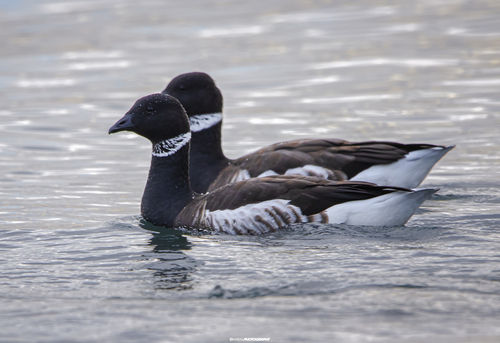
コクガン (Branta bernicla) コクガン
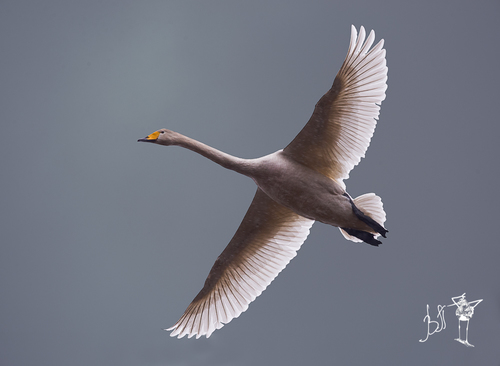
オオハクチョウ (Cygnus cygnus) オオハクチョウ

メディア

読み込み中…

要点

コクガンとオオハクチョウを区別する最も信頼できる方法は、全体のサイズと構造です:オオハクチョウは非常に大きく、長い首と重い体を持ち、コクガンは短い首と太いくちばしを持つコンパクトな体です。飛んでいるときや休んでいるとき、コクガンは小さな白い首の斑点と非常に短い黒い尾を持つ暗い体を示しますが、オオハクチョウは純白(頭/首に時折錆びた染みがあることを除く)で、長く丸い尾を持っています。若いオオハクチョウは淡い灰色で均一ですが、コクガンの幼鳥は成鳥に似ていますが、より小さくて暗いです。遠くからでも、白鳥のサイズと白い羽毛は、はるかに小さくて暗いガンと比較して明確です。

識別のコツ

  1. サイズは最も信頼できるフィールドマークです: オオハクチョウは巨大で、コクガンの2倍以上の長さと何倍もの質量を持っています。遠くからでも、または光が悪くても、白鳥の体格と長い首は際立っています。
  2. 首の長さと形: オオハクチョウは非常に長く、まっすぐな首を持ち、飛行中は直立または伸ばされています。コクガンは短くて太い首を持ち、比較すると太く見えます。
  3. くちばしの形と色: オオハクチョウは、特徴的な黄色と黒の模様(成鳥)またはピンクがかった灰色と黒(幼鳥)の長いくちばしを持っています。コクガンは、黄色やピンクがない短くて太い黒いくちばしを持っています。
  4. 羽毛の色: 成鳥のオオハクチョウは純白(時々頭/首に錆びた染みがあることがあります)ですが、コクガンは常に暗い体を持ち、黒い頭と首、小さな白い首の斑点があります。白い体のコクガンは存在しません。
  5. 幼鳥のコントラスト: 幼いオオハクチョウは均一な淡い灰色で、決して暗いまたは斑点のあることはありません。幼いコクガンは成鳥のように暗く、決して淡い灰色ではありません。
  6. 尾の形と長さ: オオハクチョウは長く丸い尾を持っています;コクガンは非常に短い黒い尾を持ち、純白の尾羽と対照的です。
  7. 飛行シルエット: 飛行中のオオハクチョウは長い首、大きな丸い翼、そして全白の羽毛を示します。コクガンはコンパクトで短い首を持ち、暗い翼と体、小さな白い尾の斑点があります。
  8. コクガンの亜種の変異: すべてのコクガンの亜種はオオハクチョウよりもはるかに暗いです。淡い腹の形は淡い側面を持っていますが、全体的にはまだ暗いです;黒いブランは特に暗く、白い側面の斑点があります。
  9. 鳴き声: オオハクチョウは非常に声が大きく、うるさいトランペットのような鳴き声を持っています;コクガンははるかに静かで、白鳥の共鳴する鳴き声はありません。
  10. 生息地の文脈: コクガンは冬にほぼ常に沿岸に生息し、特に塩湿地や河口にいます。オオハクチョウはより内陸の湖や川に生息することが多いですが、沿岸の湿地にも出現することがあります。
  11. 群れの構造: オオハクチョウはしばしば家族グループや大きくて騒がしい群れで見られます。コクガンも群れを作りますが、声は少なく、外見はよりコンパクトです。
  12. 採餌姿勢: オオハクチョウはしばしば深い水で逆さになり、長い首と丸い尾を見せます。コクガンは草を食べたり水面をかき回したりし、逆さになることはほとんどありません。
  13. 飛行中の尾のパターン: オオハクチョウは丸い白い尾を示します;コクガンは非常に短い黒い尾を持ち、白い尾羽を持っています。
  14. 幼鳥のくちばしの色: 幼いオオハクチョウは黒っぽい部分のあるピンクがかったくちばしを持っています;コクガンの幼鳥は成鳥のように暗いくちばしを持っています。
  15. 混乱の可能性: 極端な距離や光が悪い場合、淡い腹のコクガンの群れがより淡く見えることがありますが、サイズ、構造、首の長さは依然として白鳥と区別されます。

大きさ

オオハクチョウは最も重い飛ぶ鳥の一つで、オスは平均11 kg以上、メスは8〜9 kgで、長さは140〜165 cm、翼幅は最大275 cmです [wikidata][wikipedia]。コクガンははるかに小さく、長さは55〜66 cm、翼幅は106〜121 cmです [wikipedia]。白鳥はガンの2倍以上の長さで、何倍も重いです。遠くからでも、オオハクチョウのサイズ、長い首、体格は明らかで、コクガンはコンパクトで短い首に見えます。

羽色

行動

オオハクチョウは、特に移動や冬に家族グループや大きな群れで見られることが多く、非常に声が大きいです。彼らは飛行前に頭を上下させたり翼を羽ばたかせたりしてコミュニケーションを取ります。コクガンも群れを作りますが、特に冬に、声は少なく、一般的に草を食べたり水面をかき回したりして餌を取ります。飛行中、オオハクチョウは遅くて力強い翼のビートを持ち、首を伸ばして飛びますが、コクガンはより速い翼のビートを持ち、よりコンパクトなシルエットです。

生息環境

両種は冬に沿岸または湿地の生息地に見られますが、コクガンは温帯地域の海岸、塩湿地、河口に強く関連しており、特に西ヨーロッパと北アメリカで見られます。オオハクチョウは、特に内陸の大きな湖、川、洪水のある田んぼで見られることが多いですが、河口にも出現することがあります。一部の沿岸の冬の生息地では重複が可能ですが、オオハクチョウはコクガンほど塩湿地に結びついていることは稀です。

声

オオハクチョウは非常に騒がしく、特に群れを作ったり飛行中に、3または4羽のグループで大きく共鳴するトランペットのような鳴き声(クルークルークルー)を持っています。コクガンは全体的に静かで、声も少ないです;その鳴き声はメモに記載されていませんが、オオハクチョウの大きなトランペット音を出すことはありません。混合群れでは、白鳥の鳴き声は独特で、遠くまで響きます。

より良い説明を送る

比較と同じ項目を使ってください。文章はすぐに公開されます。

The most reliable way to separate Brent Goose from Whooper Swan is by overall size and structure: Whooper Swan is vastly larger, with a long neck and heavy body, while Brent Goose is compact with a short neck and stubby bill. In flight or at rest, Brent Goose shows a dark body with a small white neck patch and a very short black tail, whereas Whooper Swan is pure white (except for occasional rusty staining on the head/neck) with a long, rounded tail. Juvenile Whooper Swans are pale grey and uniform, while Brent Goose juveniles resemble adults but are smaller and darker. Even at a distance, the swan's size and white plumage are unmistakable compared to the much smaller, darker goose.

  1. Size is the single most reliable field mark: Whooper Swan is enormous, more than twice the length and many times the mass of Brent Goose. Even at a distance or in poor light, the swan’s bulk and long neck stand out.
  2. Neck length and shape: Whooper Swan has a very long, straight neck held upright or outstretched in flight. Brent Goose has a short, thick neck that looks stubby by comparison.
  3. Bill shape and color: Whooper Swan has a long, wedge-shaped bill with a distinctive yellow and black pattern (adults) or pinkish-grey and blackish (juveniles). Brent Goose has a short, stubby black bill with no yellow or pink.
  4. Plumage color: Adult Whooper Swan is pure white (sometimes rusty-stained on head/neck), while Brent Goose is always dark-bodied, with black head and neck and a small white neck patch. There is no white-bodied Brent Goose.
  5. Juvenile contrast: Juvenile Whooper Swans are uniform pale grey, never dark or patchy. Juvenile Brent Geese are dark like adults, never pale grey.
  6. Tail shape and length: Whooper Swan has a long, rounded tail; Brent Goose has a very short, black tail with a pure white undertail.
  7. Flight silhouette: Whooper Swan in flight shows long neck, large rounded wings, and all-white plumage. Brent Goose is compact, short-necked, with dark wings and body and a small white tail patch.
  8. Subspecies variation in Brent Goose: All Brent Goose subspecies are much darker than Whooper Swan. Pale-bellied forms have paler flanks but are still dark overall; black brant is especially dark with a white flank patch.
  9. Vocalization: Whooper Swan is very vocal, with loud trumpeting calls; Brent Goose is much quieter and lacks the swan’s resonant calls.
  10. Habitat context: Brent Goose is almost always coastal in winter, especially on saltmarshes and estuaries. Whooper Swan is more often inland on lakes and rivers, but can occur in coastal wetlands.
  11. Group structure: Whooper Swans often occur in family groups or large, noisy flocks. Brent Geese also flock, but are less vocal and more compact in appearance.
  12. Feeding posture: Whooper Swan often upends in deeper water, showing its long neck and rounded tail. Brent Goose grazes or dabbles, rarely upending.
  13. Tail pattern in flight: Whooper Swan shows a rounded, white tail; Brent Goose shows a very short black tail with a white undertail.
  14. Bill color in juveniles: Juvenile Whooper Swans have a pinkish bill with blackish areas; Brent Goose juveniles have a dark bill like adults.
  15. Potential confusion: At extreme distance or in poor light, a flock of pale-bellied Brent Geese might appear paler, but the size, structure, and neck length will still separate them from any swan.

Whooper Swan is one of the heaviest flying birds, averaging over 11 kg for males and 8–9 kg for females, with a length of 140–165 cm and a wingspan up to 275 cm [wikidata][wikipedia]. Brent Goose is much smaller, measuring 55–66 cm in length and with a wingspan of 106–121 cm [wikipedia]. The swan is more than twice as long and many times heavier than the goose. Even at great distance, Whooper Swan's size, long neck, and bulk are obvious, while Brent Goose appears compact and short-necked.

  • Juveniles: Juvenile Whooper Swans are uniform pale grey to grey-brown, lacking the brown-and-white patchiness of young Mute Swans, and have a pinkish bill with blackish-grey rather than yellow and black. Juvenile Brent Geese resemble adults of their respective subspecies, being overall dark with a small white neck patch (if present), and never show the uniform pale grey of young swans.
  • Adults: Adult Whooper Swans are pure white except for possible rusty staining on the head/neck from feeding. Brent Geese are always dark-bodied, with black head and neck, a small white neck patch, and a short, pure white undertail. The three main subspecies of Brent Goose vary in belly and flank contrast, but all are much darker than any Whooper Swan. In flight, Whooper Swan shows all-white wings, while Brent Goose shows dark wings and body with a small white tail patch.
  • Tail: Whooper Swan has a rounded, relatively long tail; Brent Goose has the shortest tail of any goose, which is black and sharply contrasts with the white undertail.

Whooper Swans are often seen in family groups or large flocks, especially in migration or winter, and are highly vocal. They communicate with head bobs and wing flaps before flight. Brent Geese also form flocks, especially in winter, but are less vocal and generally feed by grazing or dabbling. In flight, Whooper Swans have slow, powerful wingbeats and fly with necks outstretched, while Brent Geese have faster wingbeats and a more compact silhouette.

Both species can be found in coastal or wetland habitats in winter, but Brent Goose is strongly associated with temperate-zone sea-coasts, saltmarshes, and estuaries, especially in western Europe and North America. Whooper Swan is more often found on large lakes, rivers, and flooded fields, especially inland, but can also occur on estuaries. Overlap is possible in some coastal wintering areas, but Whooper Swan is rarely as tied to saltmarsh as Brent Goose.

Whooper Swan is very noisy, with loud, resonant trumpeting calls (kloo-kloo-kloo) in groups of three or four, especially when flocking or in flight. Brent Goose is much quieter and less vocal overall; its calls are not described in the notes, but it does not produce the loud, trumpeting sounds of Whooper Swan. In mixed flocks, the swan’s calls are distinctive and carry far.

変更を破棄しますか?

保存していない編集があります。今離れると失われます。

コクガン · オオハクチョウ · 苦手な鳥