

Motmot

ボボリンク 対 コウウチョウ

Dolichonyx oryzivorus 対 Molothrus ater

ボボリンクとコウウチョウのクイズ
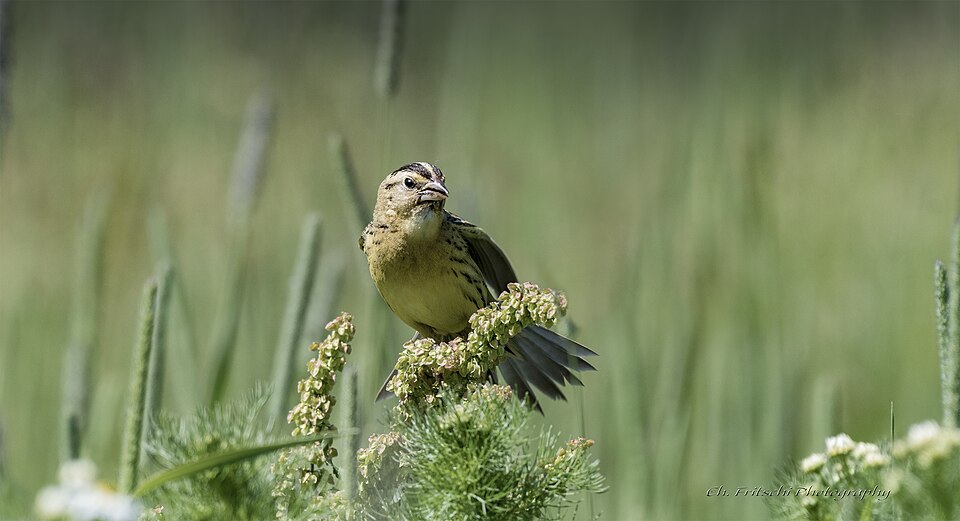
ボボリンク (Dolichonyx oryzivorus) ボボリンク
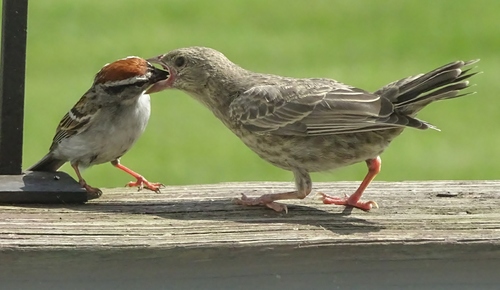
コウウチョウ (Molothrus ater) コウウチョウ

メディア

読み込み中…

要点

ボボリンクとコウウチョウの間で最も信頼できるフィールドマークは、成鳥オスの目を引く羽毛です:繁殖期のオスのボボリンクは、淡い後頭部と白い背中を持つ独特の黒い腹部のパターンを示し、一方でオスのコウウチョウは茶色の頭と光沢のある黒い体を持っています。メスと幼鳥はより難解で、どちらも縞模様の茶色ですが、ボボリンクのメスはより淡く、より顕著な頭の縞模様と下部の重い縞模様を持っています。飛んでいる時や止まっている時、ボボリンクはスリムでより細長く、短い尾と小さなくちばしを持ち、ずんぐりした厚いくちばしのコウウチョウよりも軽やかです。コウウチョウはまた、明らかに大きくて重く、翼幅も長いです。両種は秋に一緒に群れを作ることがあるため、特に成鳥オスの繁殖羽毛の外では、構造と微妙な羽毛に注意を払うことが重要です。

識別のコツ

  1. 繁殖羽毛の成鳥オスのボボリンクはユニークです: 淡い黄色の後頭部と白い背中/尾を持つ黒い体を探してください—この組み合わせを示すコウウチョウはいません。これは、春の終わりから夏にかけて診断的です。
  2. オスのコウウチョウは常に茶色の頭と光沢のある黒い体を持っています: 後頭部に淡い色や背中に白はありません。淡いマークがない茶色の頭の黒い体の鳥を見たら、それはコウウチョウです。
  3. メス/幼鳥のボボリンクは強い頭の縞模様と下部の重い縞模様を持つ淡い茶色です: 顔には暗い縞模様があり、下部は縞模様があり、より地味なコウウチョウとは異なります。
  4. メスのコウウチョウは淡い喉と非常に細かい、ほぼぼやけた縞模様を持つ鈍い灰茶色です: 彼女たちは強い顔の縞模様を欠き、全体的により均一に見えます。
  5. くちばしの形は重要な構造的手がかりです: ボボリンクは小さく、より繊細なフィンチのようなくちばしを持ち、コウウチョウは頭に対して大きすぎるように見える厚い円錐形のくちばしを持っています。
  6. 体の形と姿勢: ボボリンクはスリムでより細長く、短い尾とより直立した姿勢を持っています。コウウチョウはずんぐりしており、丸い体と長くて四角い尾を持っています。
  7. 混合群れでのサイズ: コウウチョウはボボリンクよりも明らかに大きくて重く、翼幅も長いです。一緒に見ると、サイズの違いは明らかです。
  8. 生息地の文脈: 夏には、ボボリンクはほぼ常に開けた草原や干し草地にいて、フィーダーにはめったに来ません。コウウチョウは牧草地、農業地域、フィーダーの近く、しばしば家畜の近くにいる可能性が高いです。
  9. 季節的な存在: ボボリンクは繁殖期と移動中にのみ北アメリカに存在し、コウウチョウはその範囲の大部分で一年中見られ、特に南部で見られます。
  10. 群れ行動: 両種は秋に混合の黒い鳥の群れに参加することがありますが、ボボリンクは繁殖期には単一種のグループで見られる可能性が高いです。
  11. 幼鳥/未熟な混乱: 縞模様の茶色の鳥を扱うときは、顔の縞模様の強さと下部の縞模様(ボボリンクで強い)およびくちばしのサイズ(ボボリンクで小さい)に焦点を当ててください。
  12. 未熟な羽毛に対しては、どちらの種にも特有の翼や飛行パターンのマークは記載されていません: 構造と羽毛に依存してください。
  13. コウウチョウのメスはスズメに似て見えることがありますが、ボボリンクのメスの強い頭のパターンは欠けています。
  14. 家畜の下やフィーダーで餌を探している鳥を見た場合、特に草原の外では、コウウチョウの可能性が高いです。
  15. 不確かな場合は、くちばしと顔のパターンをよく見るようにしてください—これらはメスと幼鳥を分けるための最も信頼できる特徴です。

大きさ

コウウチョウは二種の中で大きくてずんぐりした方です:コウウチョウは平均して長さ16〜22 cm(6.3〜8.7インチ)、翼幅36 cm(14インチ)で、オスは約49 g、メスは約39 gの重さです。ボボリンクはわずかに小さく、より細長く、長さ16〜18 cm(6.3〜7.1インチ)、翼幅27 cm(10.6インチ)、重さは約28 gです。コウウチョウは明らかにより太く、フィンチのようなくちばしとずんぐりした体を持ち、ボボリンクはスリムで短い尾と小さなくちばしを持っています。これらの違いは、二種が並んで見られるときや混合群れの中で最も明らかです。

羽色

繁殖羽毛の成鳥オスのボボリンクは間違いなく識別可能です:彼らは黒い顔と腹部、淡い黄色の後頭部、白い肩羽、下背部、尾を持ち、他の北アメリカの黒い鳥はこのパターンを示しません。対照的に、オスのコウウチョウは光沢のある黒で、チョコレート色の頭を持ち、白や淡いマークはありません。メスと未熟なボボリンクは、背中と側面に重い暗い縞模様を持つ淡い茶色で、強い顔の縞模様と淡い、縞模様のない喉を持っています;彼らの翼と尾は暗いですが光沢はありません。メスのコウウチョウは全体的に鈍い灰茶色で、淡い喉と非常に細かい縞模様を持っていますが、強い頭の縞模様は欠けており、顔はより地味です。幼鳥と未熟な羽毛は、メモに詳細に記載されていませんが、ボボリンクのメス/未熟な個体の重い縞模様と顔のパターンは、より地味で均一なコウウチョウのメス/未熟な個体との有用な区別です。どちらの種にも年齢特有の上翼や飛行パターンのマークは記載されていません。

行動

両種はしばしば開けた土地で見られ、特に秋には混合群れを形成することがあります。コウウチョウは頻繁に地面で餌を探し、しばしば家畜やバイソンの後を追って昆虫を捕まえ、鳥のフィーダーで一般的です。ボボリンクは草原や干し草地で見つかる可能性が高く、種子や穀物を食べ、フィーダーを訪れる可能性は低いです。コウウチョウは義務的な巣寄生者であり、他の種と巣で相互作用しているのを見ることがありますが、ボボリンクは寄生的ではありません。飛行中、ボボリンクはよりスリムで浮遊感があり、コウウチョウはより重く、より直接的に見えます。

生息環境

ボボリンクは、特に北アメリカの北部と南部カナダで、高草の草原、干し草地、開けた草地で繁殖します。繁殖期には、彼らは最も密な草原で見られます。コウウチョウはより一般的で、農業地、牧草地、さらにはフィーダーのある郊外の地域を含む開けたまたは半開けた土地で見られます。コウウチョウの範囲は、年間を通じて南に広がり、ボボリンクは厳密に移動性で、南アメリカで冬を越し、繁殖期と移動期以外の北アメリカには存在しません。

より良い説明を送る

比較と同じ項目を使ってください。文章はすぐに公開されます。

The most reliable field mark between Bobolink and Brown-headed Cowbird is the adult male's striking plumage: breeding male Bobolinks show a unique pattern of black underparts with a pale nape and white back, while male Cowbirds have a brown head and glossy black body. Females and immatures are trickier, as both are streaky brown, but Bobolink females are paler with more pronounced head stripes and heavier streaking below. In flight or perched, Bobolinks are slimmer and more elongated, with shorter tails and smaller bills than the chunkier, thick-billed Cowbird. Cowbirds are also noticeably larger and heavier, with a longer wingspan. Both species can flock together in fall, so careful attention to structure and subtle plumage is key, especially outside of adult male breeding plumage.

  1. Adult male Bobolink in breeding plumage is unique: Look for a black body with a pale yellow nape and white back/rump—no Cowbird shows this combination. This is diagnostic from late spring through summer.
  2. Male Cowbird always has a brown head and glossy black body: No pale nape or white on the back. If you see a brown-headed, black-bodied bird with no pale markings, it's a Cowbird.
  3. Female/immature Bobolinks are pale brown with strong head stripes and heavy streaking below: The face shows dark stripes and the underparts are streaked, unlike the plainer Cowbird.
  4. Female Cowbirds are dull gray-brown with a pale throat and very fine, almost blurry streaking below: They lack strong facial stripes and appear more uniform overall.
  5. Bill shape is a key structural clue: Bobolinks have a smaller, more delicate finch-like bill, while Cowbirds have a thick, conical bill that looks oversized for their head.
  6. Body shape and posture: Bobolinks are slimmer and more elongated, with a shorter tail and a more upright posture. Cowbirds are chunkier, with a rounder body and a longer, squarer tail.
  7. Size in mixed flocks: Cowbirds are noticeably larger and heavier than Bobolinks, with a longer wingspan. If you see both together, the size difference is clear.
  8. Habitat context: In summer, Bobolinks are almost always in open grasslands or hayfields, rarely at feeders. Cowbirds are more likely in pastures, agricultural areas, and at feeders, often near livestock.
  9. Seasonal presence: Bobolinks are only present in North America during the breeding season and migration; Cowbirds can be found year-round in much of their range, especially in the south.
  10. Flocking behavior: Both species may join mixed blackbird flocks in fall, but Bobolinks are more likely to be seen in single-species groups during the breeding season.
  11. Juvenile/immature confusion: When dealing with streaky brown birds, focus on the strength of facial stripes and underpart streaking (stronger in Bobolink) and bill size (smaller in Bobolink).
  12. No distinctive wing or flight pattern marks are described for either species in immature plumages: Rely on structure and plumage instead.
  13. Cowbird females can appear similar to sparrows, but lack the strong head pattern of Bobolink females.
  14. If you see a bird foraging under livestock or at a feeder, especially outside of grassland, Cowbird is more likely.
  15. If uncertain, try to get a good look at the bill and face pattern—these are the most reliable features for separating females and immatures.

Brown-headed Cowbird is the larger and bulkier of the two: Cowbirds average 16–22 cm (6.3–8.7 in) in length and 36 cm (14 in) wingspan, with males weighing about 49 g and females about 39 g. Bobolinks are slightly smaller and more slender, at 16–18 cm (6.3–7.1 in) long with a 27 cm (10.6 in) wingspan, and weigh around 28 g. Cowbirds have a noticeably stouter, more finch-like bill and a chunkier body, while Bobolinks are slimmer with a shorter tail and smaller bill. These differences are most apparent when the two species are seen side by side or in mixed flocks.

Adult male Bobolinks in breeding plumage are unmistakable: they have a black face and underparts, a pale yellow nape, and white scapulars, lower back, and rump—no other North American blackbird shows this pattern. Male Cowbirds, in contrast, are glossy black with a chocolate-brown head and lack any white or pale markings. Female and immature Bobolinks are pale brown above with heavy dark streaks on the back and flanks, strong facial striping, and a pale, unstreaked throat; their wings and tails are darker but not glossy. Female Cowbirds are dull gray-brown overall, with a pale throat and very fine streaking on the underparts, but lack the strong head stripes and are plainer-faced. Juvenile and immature plumages are not described in detail for either species in the notes, but the heavier streaking and facial pattern of Bobolink females/immatures is a useful distinction from the plainer, more uniform Cowbird females/immatures. No age-specific upperwing or flight pattern marks are given for either species.

Both species are often seen in open country and can form mixed flocks, especially in fall. Cowbirds frequently forage on the ground, often following livestock or bison to catch insects, and are common at bird feeders. Bobolinks are more likely to be found in grasslands and hayfields, feeding on seeds and grains, and are less likely to visit feeders. Cowbirds are obligate brood parasites and may be seen interacting with other species at nests, while Bobolinks are not parasitic. In flight, Bobolinks appear more slender and buoyant, while Cowbirds look heavier and more direct.

Bobolinks breed in tallgrass prairies, hayfields, and open grassy areas, especially in the northern U.S. and southern Canada. They are most often found in dense grasslands during the breeding season. Brown-headed Cowbirds are more generalist, found in open or semiopen country, including agricultural fields, pastures, and even suburban areas with feeders. Cowbirds' range extends farther south year-round, while Bobolinks are strictly migratory, wintering in South America and absent from North America outside the breeding and migration seasons.

変更を破棄しますか?

保存していない編集があります。今離れると失われます。

ボボリンク · コウウチョウ · 苦手な鳥