

Motmot

コマミジロタヒバリ 対 ムジタヒバリ

Anthus godlewskii 対 Anthus campestris

コマミジロタヒバリとムジタヒバリのクイズ
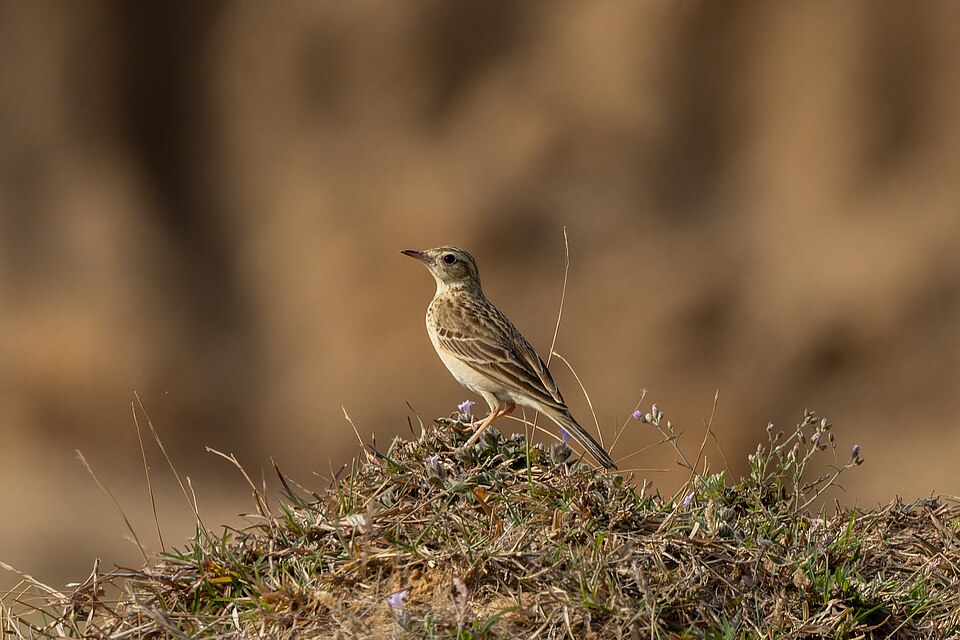
コマミジロタヒバリ (Anthus godlewskii) コマミジロタヒバリ
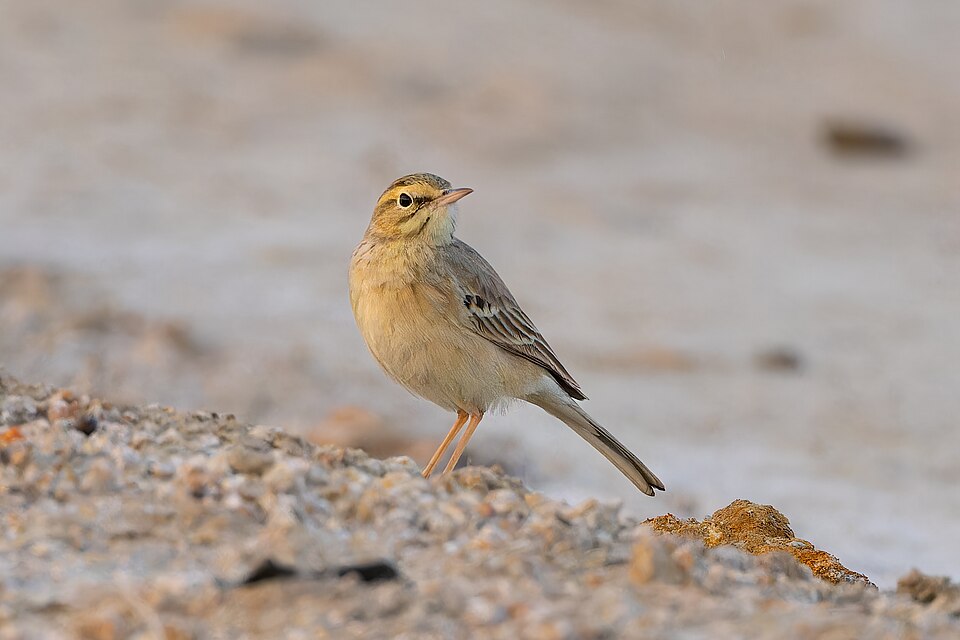
ムジタヒバリ (Anthus campestris) ムジタヒバリ

メディア

読み込み中…

要点

コマミジロタヒバリとムジタヒバリの最も信頼できる区別は構造的なものである。コマミジロタヒバリはわずかに重く、短いくちばしと脚を持つのに対し、ムジタヒバリはスリムで、長く狭いくちばしと相対的に長い脚と尾を持つ。両者は地味な砂色の茶色のピピットで、淡い腹部と強い模様が少ないため、フィールドでの区別は構造と微妙な羽毛の違いを注意深く観察することに依存する。鳴き声は異なり、コマミジロタヒバリは高音の「プシー」を出し、ムジタヒバリは鋭い「シュッ」という声を出す。すべての羽毛の状態において、両種は互いにおよびマミジロタヒバリと簡単に混同されるため、特に両者が発生する可能性のある冬季の地域では全体的なアプローチを取るべきである。

識別のコツ

  1. 脚とくちばしの構造: コマミジロタヒバリは短い脚と短くて暗いくちばしを持ち、ムジタヒバリは長い脚と狭くて長いくちばしを示す。これは並べて見るか近くで見ると最も信頼できる。
  2. 尾と翼の長さ: ムジタヒバリは尾と翼が長く、立っている時や飛んでいる時により細長い外観を持つ。コマミジロタヒバリはよりコンパクトである。
  3. 羽毛のトーン: ムジタヒバリは上面がより淡く砂色の茶色で、コマミジロタヒバリはより茶色い。両者は下部が淡いが、ムジタヒバリは全体的にストライプが少ない。
  4. ストライプ: 両種はマミジロタヒバリよりもストライプが少ないが、ムジタヒバリは特に地味で、上面と下面に最小限のストライプがある。コマミジロタヒバリはわずかにより拡散したストライプを示すことがあるが、これは微妙である。
  5. 飛行の特徴: 両種は強く、直接的な飛行を持つ。ムジタヒバリの長い翼と尾は飛行中に明らかになるかもしれないが、これは経験を要する。
  6. 鳴き声: コマミジロタヒバリの高音の「プシー」とムジタヒバリの鋭い「シュッ」を聞く。鳴き声は録音から学ぶのが最良で、視界が悪い条件では最も信頼できる手がかりとなる。
  7. 生息地と範囲: 南アジアでは、両種は開けた乾燥した生息地で一緒に見られることがある。コマミジロタヒバリはヨーロッパへの稀な迷鳥であり、ムジタヒバリは西パレアクティックでより広範囲に分布している。
  8. サイズ: コマミジロタヒバリはわずかに重いが、サイズの重複はかなりあるため、まず構造と他のマークを使用するべきである。
  9. 止まり姿勢: ムジタヒバリは長い脚と尾のためにより直立して細長く見えることがあるが、コマミジロタヒバリは少し丸まっていてコンパクトである。
  10. くちばしの色: コマミジロタヒバリは暗いくちばしを持ち、良い光の中で役立つかもしれない。
  11. 強い翼のパネルなし: 両種は他のいくつかのピピットに見られる対照的な翼のパネルや強い上翼のパターンを示さない; この特徴に依存しないでください。
  12. 幼鳥/未成熟の区別: 両種に特有の年齢別の上翼のマークは記載されていないため、幼鳥は構造と鳴き声で区別するのが最良である。
  13. マミジロタヒバリとの混同: 両種はマミジロタヒバリに似ているが、より小さく、脚とくちばしが短い; 混合群れでこの落とし穴に注意するべきである。
  14. 性差: 両種で重要なものとしては記載されていない; オスとメスは似ている。
  15. 季節的変動: 両種は繁殖羽毛がないときにより地味であり、混同のリスクが増す; 年中構造と声に依存するべきである。

大きさ

コマミジロタヒバリはわずかに重い(26.0g対22.0g)と記載されており、大きなピピットとして説明されているが、ムジタヒバリも中型から大型と見なされている。フィールドでは、ムジタヒバリは長い翼、尾、脚のためにわずかに細長く見えることがあるが、コマミジロタヒバリは少しコンパクトで脚が短い。これらの違いは微妙であり、直接比較または経験によって最もよく理解される。

羽色

両種は一般的に上面が地味で(コマミジロタヒバリは茶色、ムジタヒバリは砂色の茶色)、下面は淡いが、マミジロタヒバリと比較してストライプが最小限である。ムジタヒバリは全体的にストライプが少ないと記載されており、近くで見ると役立つかもしれない。ソースには両種の特定の幼鳥または未成熟の上翼パターンは詳細に記載されていないため、年齢特有の飛行マークはここでの主要な区別要因ではない。両種はすべての羽毛において強い翼のパネルや対照的な上翼の特徴を欠いており、構造と微妙なトーンの違いがより重要である。要約すると、ムジタヒバリはより淡くストライプが少ない; コマミジロタヒバリはより茶色で、わずかにより拡散したストライプを示すことがあるが、両者は地面では「目立たない」。

行動

両種は強く、直接的な飛行を示し、通常は開けた地面を歩いている。ムジタヒバリは長い脚と尾のためにより直立して細長く見えることがあるが、コマミジロタヒバリは少し脚が短く、よりコンパクトである。両者は餌を食べるときに目立たないことがあり、乾燥した草や石の地面に溶け込む。

生息環境

コマミジロタヒバリはモンゴル、中国、チベット、インドで繁殖し、南アジアの開けた低地に移動し、西ヨーロッパへの稀な迷鳥である。ムジタヒバリは北西アフリカとポルトガルから中央シベリアと内モンゴルにかけて広く繁殖し、熱帯アフリカとインド亜大陸で越冬する。南アジアでは、両種は草原や石の平原などの開けた乾燥した生息地で重なる可能性があるため、生息地だけでは重なりがある場所では診断的ではない。

声

コマミジロタヒバリは特徴的な「プシー」という鳴き声を出し、これはマミジロタヒバリよりも高音である。ムジタヒバリは鋭い「シュッ」という鳴き声を出し、これもマミジロタヒバリより高音だが、コマミジロタヒバリとは異なる。ムジタヒバリの歌は短く、繰り返される二音節の「チルリー チルリー」であるが、繁殖地の外では歌はあまり聞かれない。鳴き声は最良の音声の手がかりであるが、区別するには経験が必要である。

より良い説明を送る

比較と同じ項目を使ってください。文章はすぐに公開されます。

The most reliable separation between Blyth's Pipit and Tawny Pipit is structural: Blyth's Pipit is slightly heavier, with a shorter bill and legs, while Tawny Pipit is slimmer, with a longer, narrower bill and proportionally longer legs and tail. Both are plain, sandy-brown pipits with pale underparts and few strong markings, so field separation relies on careful scrutiny of structure and subtle plumage differences. Vocalizations differ, with Blyth's giving a higher-pitched 'pshee' and Tawny a sharp 'schip'. In all plumages, both species are easily confused with each other and with Richard's Pipit, so take a holistic approach, especially in wintering areas where both may occur.

  1. Leg and bill structure: Blyth's Pipit has shorter legs and a shorter, darker bill; Tawny Pipit shows longer legs and a narrower, longer bill. This is most reliable in side-by-side or close views.
  2. Tail and wing length: Tawny Pipit has a longer tail and wings, giving it a more elongated appearance, especially when standing or in flight. Blyth's Pipit is more compact.
  3. Plumage tone: Tawny Pipit is paler and more sandy brown above, while Blyth's Pipit is browner. Both are pale below, but Tawny Pipit is generally less streaked overall.
  4. Streaking: Both species are less streaked than Richard's Pipit, but Tawny Pipit is especially plain, with minimal streaking on the upperparts and underparts. Blyth's Pipit may show slightly more diffuse streaking, but this is subtle.
  5. Flight jizz: Both species have strong, direct flight. Tawny Pipit's longer wings and tail may be apparent in flight, but this requires experience.
  6. Vocalizations: Listen for Blyth's Pipit's high 'pshee' call versus Tawny Pipit's sharp 'schip'. Calls are best learned from recordings and may be the most reliable clue in poor viewing conditions.
  7. Habitat and range: In South Asia, both species may occur together in open, dry habitats. Blyth's Pipit is a rare vagrant to Europe, while Tawny Pipit is more widespread in the western Palearctic.
  8. Size: Blyth's Pipit is marginally heavier, but size overlap is considerable; use structure and other marks first.
  9. Perched posture: Tawny Pipit may appear more upright and elongated due to its longer legs and tail, while Blyth's Pipit is a bit more hunched and compact.
  10. Bill color: Blyth's Pipit has a darker bill, which may help in good light.
  11. No strong wing panels: Neither species shows the contrasting wing panels or strong upperwing patterns seen in some other pipits; do not rely on this feature.
  12. Juvenile/immature separation: No distinctive age-specific upperwing marks are noted for either species, so juveniles are best separated by structure and call.
  13. Confusion with Richard's Pipit: Both species are similar to Richard's Pipit but are smaller, with shorter legs and bills; beware of this pitfall in mixed flocks.
  14. Sexual dimorphism: Not noted as significant in either species; males and females appear similar.
  15. Seasonal variation: Both species are plainer in non-breeding plumage, increasing the risk of confusion; rely on structure and voice year-round.

Blyth's Pipit is marginally heavier (26.0g vs 22.0g) and described as a large pipit, but Tawny Pipit is also considered medium-large. In the field, Tawny Pipit may appear slightly more elongated due to its longer wings, tail, and legs, while Blyth's Pipit is a bit more compact and shorter-legged. These differences are subtle and best appreciated with direct comparison or experience.

Both species are generally plain above (brown in Blyth's, sandy brown in Tawny) and pale below, with minimal streaking compared to Richard's Pipit. Tawny Pipit is described as less streaked overall, which may help in close views. No specific juvenile or immature upperwing patterns are detailed for either species in the sources, so age-specific flight marks are not a primary separator here. Both species lack strong wing panels or contrasting upperwing features in all plumages, making structure and subtle tone differences more important. In summary: Tawny Pipit is paler and less streaked; Blyth's Pipit is browner and may show slightly more diffuse streaking, but both are 'undistinguished' on the ground.

Both species show strong, direct flight and are typically found walking on open ground. Tawny Pipit may appear more upright and elongated due to its longer legs and tail, while Blyth's Pipit is a bit shorter-legged and more compact. Both can be inconspicuous when feeding, blending into dry grass or stony ground.

Blyth's Pipit breeds in Mongolia, China, Tibet, and India, migrating to open lowlands in southern Asia and is a rare vagrant to western Europe. Tawny Pipit breeds widely across the Palearctic from northwest Africa and Portugal to Central Siberia and Inner Mongolia, wintering in tropical Africa and the Indian subcontinent. In South Asia, both species may overlap in open, dry habitats such as grasslands and stony plains, so habitat alone is not diagnostic where ranges overlap.

Blyth's Pipit gives a characteristic 'pshee' call, which is higher pitched than Richard's Pipit. Tawny Pipit gives a sharp 'schip' call, also higher pitched than Richard's but distinct from Blyth's. Tawny Pipit's song is a short, repeated disyllabic 'chir-ree chir-ree', but song is rarely heard outside the breeding grounds. Calls are the best vocal clue, but require experience to distinguish.

変更を破棄しますか?

保存していない編集があります。今離れると失われます。

コマミジロタヒバリ · ムジタヒバリ · 苦手な鳥