

Motmot

アオフバト 対 シッポウバト

Turtur afer 対 Oena capensis

アオフバトとシッポウバトのクイズ
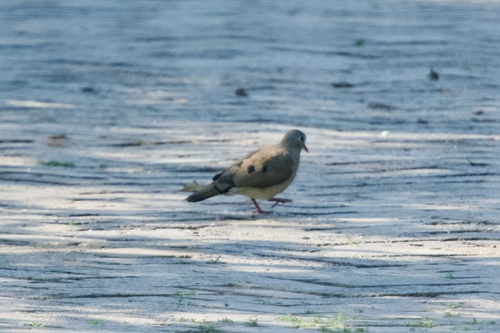
アオフバト (Turtur afer) アオフバト
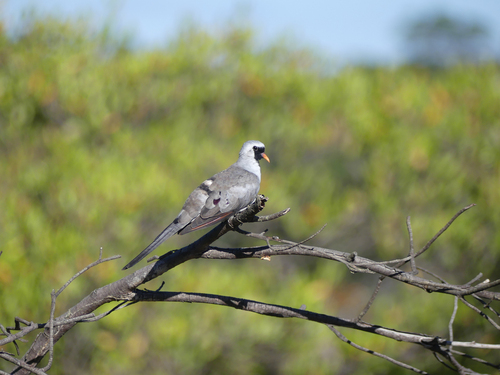
シッポウバト (Oena capensis) シッポウバト

メディア

読み込み中…

要点

アオフバトとシッポウバトを区別する最も信頼できるフィールドマークは、シッポウバトの非常に長く、黒く、尖った尾羽であり、これはアフリカのバトの中で独特で、止まっている時も飛んでいる時も明らかです。幼鳥のシッポウバトは、翼と肩に暗い斑点を示し、これはアオフバトには見られません。成鳥のオスのシッポウバトは、目を引く黒い顔と胸を持ち、アオフバトには顔や下部に黒がありません。両種は小型のバトですが、シッポウバトは特に細身で長い尾を持ち、ミニチュアのオウムやセキセイインコを思わせる印象があります。もし、長くて細い尾と栗色の初列風切羽を持つ小さなバトを飛んでいるのを見たら、それはほぼ確実にシッポウバトです。

識別のコツ

  1. Tail shape and length: シッポウバトは非常に長く、黒く、尖った尾羽を持ち、すべての年齢で明らかで、止まっている時も飛んでいる時も目立ちます。アオフバトは短く、典型的なバトの尾羽を持っています。
  2. Juvenile wing pattern: 幼鳥のシッポウバトは翼と肩に暗い斑点を示し、これはアオフバトには決して見られません。
  3. Adult male face and breast: 成鳥のオスのシッポウバトは黒い顔、喉、胸を持ち、さらに黄色と赤のくちばしがあります。アオフバトは顔や下部に黒を示しません。
  4. Bill color: メスのシッポウバトは赤みのある灰色のくちばしを持っています; アオフバトのくちばしは記載されていませんが、赤みのあるパターンはありません。
  5. Primary color in flight: シッポウバトは飛んでいる時に栗色の初列風切羽を示し、その他の灰色の羽毛と対照的です。アオフバトは翼に栗色がありません。
  6. Overall shape and jizz: シッポウバトは非常に細く、細長い形をしており、特に飛んでいる時にオウムやセキセイインコのような外見を持っています。アオフバトはよりコンパクトで丸みを帯びています。
  7. Belly color: シッポウバトは白い腹を持ち、灰色の上面と対照的です。アオフバトの下部は白とは記載されていません。
  8. Sex and age differences: 成鳥のオスのシッポウバトだけが黒い顔と胸を持ち、メスと幼鳥は黒を欠いていますが、長い尾とくちばしの色の違いは示しています。幼鳥は翼と肩に斑点があります。
  9. Habitat context: シッポウバトは開けたまたは乾燥した生息地にいる可能性が高く、アオフバトは森林やより密な覆いを好みます。生息地を補助的な手がかりとして使用し、主要なマークとしては使用しないでください。
  10. Vocalization: 静かで悲しげな二重のフー(クフー)を聞いたら、それはシッポウバトです。アオフバトの声はここでは記載されていません。
  11. Size: 両者とも小型ですが、シッポウバトは特に小さくて細身で、体重は約36〜40g、長さは22 cmで、その大部分は尾です。
  12. Subspecies variation: マダガスカルでは、O. c. alienaのオスはより暗く、小さいですが、長い尾と全体的な印象は依然として特徴的です。
  13. Potential pitfalls: メスと幼鳥のシッポウバトはオスの黒い顔を欠いていますが、長い尾、細い体型、飛んでいる時の栗色の初列風切羽はアオフバトと区別するのに役立ちます。
  14. No blue spots: 名前にもかかわらず、アオフバトの青い斑点はここでは主要なフィールドマークとして記載されていないので、よく見ない限りこれに頼らないでください。
  15. When in doubt: 非常に長く尖った尾と翼に栗色のヒントがある小さなバトを見たら、それはシッポウバトです、年齢や性別に関係なく。

大きさ

シッポウバトはアフリカの最小のバトの一つで、体重は約36〜40gで、アオフバトよりも明らかに細身で長いです。体長は約22 cmですが、非常に長く尖った尾があるため、横から見るとさらに長く、より繊細に見えます。アオフバトも小型ですが、より典型的なバトの形をしており、シッポウバトの誇張された尾の長さや細い体型はありません。直接比較すると、シッポウバトの尾と全体的な比率が最も明らかなサイズと形の違いです。

羽色

幼鳥のシッポウバトは翼と肩に暗い斑点があり、これはアオフバトのどの年齢にも見られません。成鳥のオスのシッポウバトは、黒い顔、喉、胸、さらに黄色と赤のくちばしを持ち、メスは黒を欠いていますが、赤みのある灰色のくちばしを持っています。シッポウバトの両性は主に灰色の体、白い腹、飛んでいる時に見える栗色の初列風切羽を示します。対照的に、アオフバトは顔や下部に黒がなく、翼に栗色もありません。その羽毛はTurturのバトにより典型的で、強いコントラストや長い尾はありません。飛んでいる時の上翼のパターンはアオフバトには記載されていませんが、栗色の初列風切羽と暗い幼鳥の斑点の欠如が重要です。メスと未熟なシッポウバトは似ていますが、尾とくちばしの色は役立ちます。

行動

シッポウバトはしばしば直立して止まり、非常に細く長い尾を持っているように見え、時にはシルエットがセキセイインコを思い起こさせます。その飛行は速く、直接的で、長い尾が後ろに引きずられます。アオフバトはより典型的な小型のバトのように振る舞い、コンパクトで丸みを帯びた形と短い尾を持っています。シッポウバトの印象は独特で、しばしばそのアイデンティティの最初の手がかりとなります。

生息環境

両種はサハラ以南のアフリカに広く分布していますが、シッポウバトはアラビアやマダガスカルを含む乾燥した地域にも見られます。アオフバトはサヘルの南に豊富ですが、南アフリカには存在しません。生息地の重複は可能ですが、シッポウバトは開けた、乾燥した、または半乾燥した地域にいる可能性が高く、アオフバトは森林やより密な覆いを好みます。

声

シッポウバトは静かで短い二重のフーを出し、2番目の音はより長く高く—クフー—悲しげで頻繁に繰り返されると記述されています。アオフバトの声に関する情報は提供されていないため、声は聞いた場合にのみシッポウバトの診断に役立ちます。

より良い説明を送る

比較と同じ項目を使ってください。文章はすぐに公開されます。

The most reliable field mark to separate Blue-spotted Wood-Dove from Namaqua Dove is the latter’s extremely long, black, pointed tail, which is unique among African doves and obvious both perched and in flight. Juvenile Namaqua Doves also show dark blotching on the wings and shoulders, a feature not found on Blue-spotted Wood-Dove. Adult male Namaqua Doves have a striking black face and breast, while Blue-spotted Wood-Dove lacks any black on the face or underparts. Both species are small doves, but Namaqua Dove is notably more slender and long-tailed, with a jizz more reminiscent of a miniature parrot or budgerigar. If you see a tiny dove with a long, thin tail and chestnut primaries in flight, it is almost certainly a Namaqua Dove.

  1. Tail shape and length: Namaqua Dove has an extremely long, black, pointed tail, which is obvious in all ages and both perched and in flight. Blue-spotted Wood-Dove has a short, typical dove tail.
  2. Juvenile wing pattern: Juvenile Namaqua Doves show dark blotching on the wings and shoulders, a feature never present in Blue-spotted Wood-Dove.
  3. Adult male face and breast: Adult male Namaqua Doves have a black face, throat, and breast, plus a yellow and red bill. Blue-spotted Wood-Dove never shows black on the face or underparts.
  4. Bill color: Female Namaqua Doves have a red-based grey bill; Blue-spotted Wood-Dove’s bill is not described, but lacks the red-based pattern.
  5. Primary color in flight: Namaqua Dove shows chestnut primary feathers in flight, contrasting with the otherwise grey plumage. Blue-spotted Wood-Dove does not have chestnut in the wing.
  6. Overall shape and jizz: Namaqua Dove is very slim and elongated, with a parrot-like or budgerigar-like appearance, especially in flight. Blue-spotted Wood-Dove is more compact and rounded.
  7. Belly color: Namaqua Dove has a white belly, contrasting with the grey upperparts. Blue-spotted Wood-Dove’s underparts are not described as white.
  8. Sex and age differences: Only adult male Namaqua Doves have the black face and breast; females and juveniles lack black but still show the long tail and bill color differences. Juveniles are blotched on the wings and shoulders.
  9. Habitat context: Namaqua Dove is more likely in open or arid habitats, while Blue-spotted Wood-Dove prefers woodland or denser cover. Use habitat as a supporting clue, not a primary mark.
  10. Vocalization: If you hear a quiet, mournful double hoo (kuh-whooo), it is Namaqua Dove. Blue-spotted Wood-Dove’s voice is not described here.
  11. Size: Both are small, but Namaqua Dove is especially tiny and slender, with a body mass around 36–40g and a 22 cm length, much of which is tail.
  12. Subspecies variation: On Madagascar, O. c. aliena males are darker and smaller, but the long tail and overall jizz remain distinctive.
  13. Potential pitfalls: Female and juvenile Namaqua Doves lack the male’s black face, but the long tail, slim build, and chestnut primaries in flight still separate them from Blue-spotted Wood-Dove.
  14. No blue spots: Despite the name, Blue-spotted Wood-Dove’s blue spotting is not described as a key field mark here, so do not rely on this unless seen well.
  15. When in doubt: If you see a small dove with a very long, pointed tail and any hint of chestnut in the wing, it is a Namaqua Dove, regardless of age or sex.

Namaqua Dove is among the smallest African doves, weighing around 36–40g, and is noticeably more slender and elongated than Blue-spotted Wood-Dove. Its body length is about 22 cm, but the very long, pointed tail makes it appear even longer and more delicate in profile. Blue-spotted Wood-Dove is also small but has a more typical dove shape, lacking the exaggerated tail length and slim build of Namaqua Dove. In direct comparison, Namaqua Dove’s tail and overall proportions are the most obvious size and shape differences.

Juvenile Namaqua Doves are dark-blotched on the wings and shoulders, a mark not present in Blue-spotted Wood-Dove of any age. Adult male Namaqua Doves are unmistakable with their black face, throat, and breast, plus a yellow and red bill, while females lack the black but have a red-based grey bill. Both sexes of Namaqua Dove show a mostly grey body, white belly, and chestnut primaries visible in flight. Blue-spotted Wood-Dove, by contrast, lacks any black on the face or underparts and does not have chestnut in the wing. Its plumage is more typical of Turtur doves, without the strong contrasts or long tail. The upperwing pattern in flight is not described for Blue-spotted Wood-Dove, but the absence of chestnut primaries and dark juvenile blotching are key. Female and immature Namaqua Doves resemble each other, but the tail and bill color remain helpful.

Namaqua Dove often perches upright and appears very slim and long-tailed, sometimes recalling a budgerigar in silhouette. Its flight is fast and direct, with the long tail trailing behind. Blue-spotted Wood-Dove behaves more like a typical small dove, with a compact, rounded shape and shorter tail. Namaqua Dove’s jizz is distinctive and often the first clue to its identity.

Both species occur widely in sub-Saharan Africa, but Namaqua Dove is also found in drier regions, including Arabia and Madagascar. Blue-spotted Wood-Dove is abundant south of the Sahel but absent from southern Africa. Habitat overlap is possible, but Namaqua Dove is more likely in open, arid, or semi-arid areas, while Blue-spotted Wood-Dove prefers woodland and denser cover.

Namaqua Dove gives a quiet, short, double hoo, with the second note longer and higher—kuh-whooo—described as mournful and frequently repeated. There is no vocalization information provided for Blue-spotted Wood-Dove, so voice is only diagnostic for Namaqua Dove if heard.

変更を破棄しますか?

保存していない編集があります。今離れると失われます。

アオフバト · シッポウバト · 苦手な鳥