

Motmot

アオキバラフウキンチョウ 対 ヤシフウキンチョウ

Bangsia arcaei 対 Thraupis palmarum

アオキバラフウキンチョウとヤシフウキンチョウのクイズ
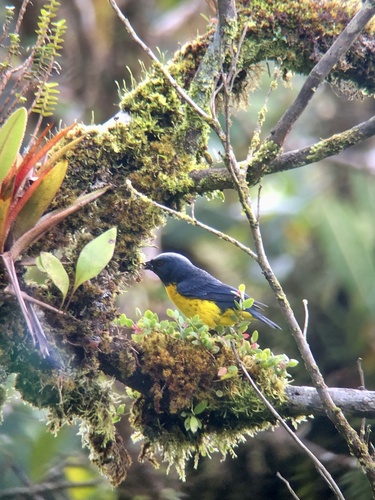
アオキバラフウキンチョウ (Bangsia arcaei) アオキバラフウキンチョウ
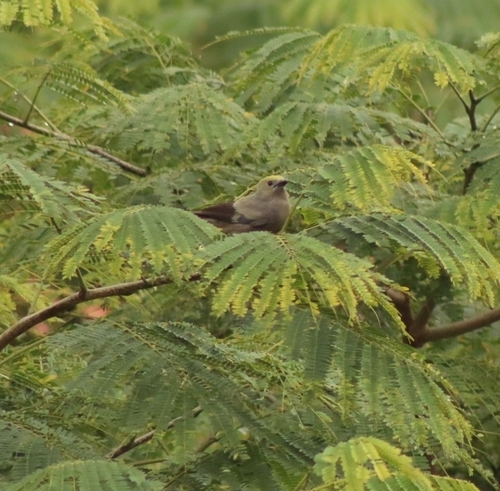
ヤシフウキンチョウ (Thraupis palmarum) ヤシフウキンチョウ

メディア

読み込み中…

要点

最も信頼できるフィールドマークは全体の色合いです:ヤシフウキンチョウは均一な鈍いオリーブグリーンから灰色の鳥で、黒っぽい翼と尾を持ち、飛んでいるときに黄色の翼帯を示します。一方、アオキバラフウキンチョウははるかに鮮やかな色合いで、強い青と金のトーンを持っています。未熟または雌のヤシフウキンチョウはより淡い色に見えることがありますが、アオキバラフウキンチョウの明るい青や金を示すことはありません。飛行中、ヤシフウキンチョウの黄色の翼帯は重要な特徴であり、アオキバラフウキンチョウには存在しません。生息地も役立ちます:アオキバラフウキンチョウは湿った山地の森林に限定されているのに対し、ヤシフウキンチョウは低地や乱れた地域に広く分布しています。

識別のコツ

  1. 全体の色: アオキバラフウキンチョウは鮮やかな色合いで、強い青と金(黄色-オレンジ)の羽毛を持ち、ヤシフウキンチョウには決して匹敵しません。ヤシフウキンチョウは常に鈍いオリーブグリーンから灰色です。
  2. 飛行中の翼帯: ヤシフウキンチョウは飛行中に黄色の翼帯を示し、翼を横切る閃光として見えます;アオキバラフウキンチョウにはそのような翼帯はありません。
  3. 翼と尾: ヤシフウキンチョウは黒っぽい翼と緑の縁取りのある長い黒っぽい尾を持っています;アオキバラフウキンチョウの翼と尾は青いトーンで、体に合わせています。
  4. 羽毛の均一性: ヤシフウキンチョウは色が均一で、鋭いコントラストや明るい斑点がありません。アオキバラフウキンチョウは青と金の領域の間に明確なコントラストを示します。
  5. 性別と年齢: 両種の両性は似ていますが、雌のヤシフウキンチョウはより淡い色をしていることがあります。未熟なヤシフウキンチョウも鈍いオリーブグリーンから灰色で、青や金ではありません。
  6. 生息地: アオキバラフウキンチョウは湿った山地の森林にのみ見られます;ヤシフウキンチョウは低地や乱れた生息地、都市部を含む場所で一般的です。
  7. 分布: タラマンカ山地やダリエン山地の森林の外にいる場合、ほぼ確実にヤシフウキンチョウを見ていることになります、アオキバラフウキンチョウではありません。
  8. 止まり木と飛行の見え方: ヤシフウキンチョウの黄色の翼帯は飛行中に最も明らかです;止まっている鳥はより地味に見えることがありますが、依然として青や金はありません。
  9. くちばしと構造: くちばしの形や構造において強い違いは見られません;両方とも典型的なフウキンチョウです。
  10. 群れの行動: ヤシフウキンチョウはしばしばペアや小さな群れで見られ、時には庭にいます;アオキバラフウキンチョウはより秘密主義で森林に依存しています。
  11. 落とし穴: 照明が悪いと、ヤシフウキンチョウは灰色やわずかに黄色に見えることがありますが、決して青や金には見えません。露出オーバーの写真や遠くからの視界には注意してください。
  12. 季節的な混乱なし: 両種は年間を通じて似た羽毛を持っています;混乱を引き起こす季節的な換羽はありません。
  13. 声の手がかりなし: 情報源は鳴き声の違いを提供していないため、分離のために鳴き声に頼らないでください。
  14. 分布の手がかり: アオキバラフウキンチョウが知られていない地域にいる場合は、ヤシフウキンチョウをデフォルトとしてください。
  15. 保全の文脈: アオキバラフウキンチョウは脅威にさらされており、地域的です;ヤシフウキンチョウは豊富で適応力があります。

大きさ

ヤシフウキンチョウは中型のフウキンチョウで、約19 cmの長さと36 gの重さです [wikipedia]。アオキバラフウキンチョウに関する直接的なサイズ情報は提供されていませんが、劇的なサイズの違いを示す兆候はありません。両方とも一般的なフウキンチョウの比率が似ているため、サイズはフィールドでの信頼できる区別にはなりません。

羽色

行動

情報源には特定の行動の違いは記載されていません。両種は動きや姿勢において典型的なフウキンチョウです。ヤシフウキンチョウはしばしばペアや小さな群れで見られ、時には庭や都市部にいますが、アオキバラフウキンチョウは森林の内部により制限されています。

生息環境

アオキバラフウキンチョウはタラマンカ山脈とダリエンの湿った山地の森林に見られます [wikipedia]。これは森林の専門家であり、生息地の喪失によって脅かされています。対照的に、ヤシフウキンチョウはニカラグアから南ブラジル、トリニダードまでの低地、開けた森林、庭、乱れた生息地に広く分布し、一般的です [wikipedia, ebird]。もしあなたが都市公園や低地のプランテーションにいるなら、アオキバラフウキンチョウは極めてあり得ません。

より良い説明を送る

比較と同じ項目を使ってください。文章はすぐに公開されます。

The most reliable field mark is the overall color palette: Palm Tanager is a uniform dull olive-green to grayish bird with blackish wings and tail, showing a yellow wingbar in flight, while Blue-and-gold Tanager is much more vividly colored, with strong blue and gold tones. Immature or female Palm Tanagers may appear paler but never show the bright blue or gold of Blue-and-gold Tanager. In flight, Palm Tanager’s yellow wingbar is a key feature, absent in Blue-and-gold. Habitat can also help: Blue-and-gold is restricted to humid montane forests, while Palm Tanager is widespread in lowlands and disturbed areas.

  1. Overall color: Blue-and-gold Tanager is vividly colored with strong blue and gold (yellow-orange) plumage, never matched by Palm Tanager, which is always dull olive-green to grayish.
  2. Wingbar in flight: Palm Tanager shows a yellow wingbar in flight, visible as a flash across the wing; Blue-and-gold Tanager lacks any such wingbar.
  3. Wings and tail: Palm Tanager has blackish wings and a long blackish tail edged with green; Blue-and-gold Tanager’s wings and tail are blue-toned, matching the body.
  4. Plumage uniformity: Palm Tanager is uniform in color, lacking any sharp contrast or bright patches. Blue-and-gold Tanager shows clear contrast between blue and gold areas.
  5. Sex and age: Both sexes of both species are similar, but female Palm Tanagers may be paler. Immature Palm Tanagers are also dull olive-green to grayish, not blue or gold.
  6. Habitat: Blue-and-gold Tanager is found only in humid montane forests; Palm Tanager is common in lowland and disturbed habitats, including urban areas.
  7. Range: If you are outside the Talamancan or Darién montane forests, you are almost certainly seeing Palm Tanager, not Blue-and-gold.
  8. Perched vs. flight views: The yellow wingbar of Palm Tanager is most obvious in flight; perched birds may look plainer, but still lack any blue or gold.
  9. Bill and structure: No strong differences are noted in bill shape or structure; both are typical tanagers.
  10. Group behavior: Palm Tanager is often seen in pairs or small groups, sometimes in gardens; Blue-and-gold Tanager is more secretive and forest-dependent.
  11. Pitfalls: In poor light, Palm Tanager can look grayish or slightly yellowish, but never blue or gold. Beware of overexposed photos or distant views.
  12. No seasonal confusion: Both species have similar plumage year-round; there is no seasonal molt that would cause confusion.
  13. No vocal clues: The sources do not provide vocalization differences, so do not rely on calls for separation.
  14. Distribution clues: If you are in a region where Blue-and-gold Tanager is not known to occur, default to Palm Tanager.
  15. Conservation context: Blue-and-gold Tanager is threatened and local; Palm Tanager is abundant and adaptable.

Palm Tanager is a medium-sized tanager, about 19 cm long and weighing 36 g [wikipedia]. No direct size information is given for Blue-and-gold Tanager, but there is no indication of a dramatic size difference. Both are similar in general tanager proportions, so size is not a reliable separator in the field.

  • Juvenile/immature/first-winter birds: The notes do not provide details for immature Blue-and-gold Tanager, but Palm Tanager immatures resemble adults, being dull olive-green to grayish with a yellow wingbar visible in flight. No blue or gold is ever present in Palm Tanager of any age.
  • Adults: Blue-and-gold Tanager is strikingly colored with blue and gold (yellow-orange) plumage. Palm Tanager adults are uniform dull olive-green to grayish, with blackish wings and tail, and a yellow wingbar in flight. Sexes are similar in both species, though female Palm Tanagers may be paler.
  • Flight views: Palm Tanager shows a yellow wingbar in flight, a feature absent in Blue-and-gold Tanager. Blue-and-gold Tanager’s blue and gold tones are visible both perched and in flight.

No specific behavioral differences are noted in the sources. Both species are typical tanagers in their movements and posture. Palm Tanager is often seen in pairs or small groups, sometimes in gardens and urban areas, while Blue-and-gold Tanager is more restricted to forest interiors.

Blue-and-gold Tanager is found in humid montane forests of the Talamancan range and Serranía del Darién [wikipedia]. It is a forest specialist and threatened by habitat loss. Palm Tanager, in contrast, is widespread and common in lowlands, open woodlands, gardens, and disturbed habitats from Nicaragua south to southern Brazil and Trinidad [wikipedia, ebird]. If you are in a city park or lowland plantation, Blue-and-gold Tanager is extremely unlikely.

変更を破棄しますか?

保存していない編集があります。今離れると失われます。

アオキバラフウキンチョウ · ヤシフウキンチョウ · 苦手な鳥