

Motmot

セイタカシギ 対 アジアコビトウ

Himantopus himantopus 対 Microcarbo niger

セイタカシギとアジアコビトウのクイズ
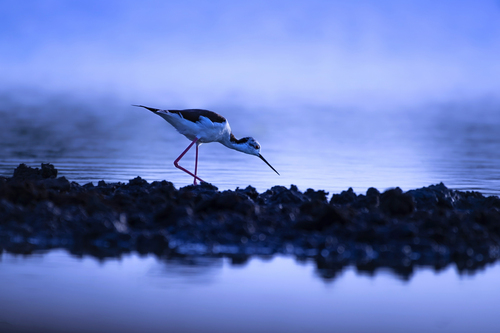
セイタカシギ (Himantopus himantopus) セイタカシギ
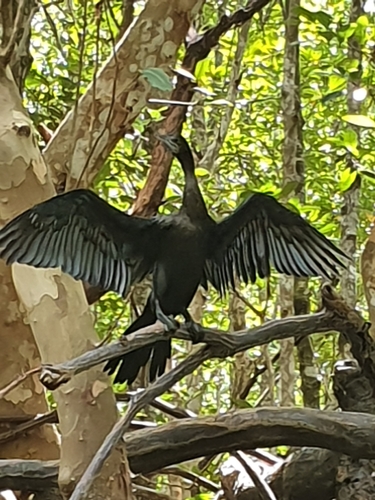
アジアコビトウ (Microcarbo niger) アジアコビトウ

メディア

読み込み中…

要点

ブラックウィングドスティルトとアジアコビトウを区別する最も信頼できるフィールドマークは、全体的な構造と姿勢です:スティルトは細長く、長い脚を持つ水鳥で、薄くてまっすぐなくちばしを持っています。一方、コビトウはコンパクトで短い脚を持つ、アヒルのような泳ぎ手で、より厚く、フック状のくちばしを持っています。幼鳥のブラックウィングドスティルトは、特に飛行中に目立つ白っぽい縁取りのある淡い砂色の上翼を示しますが、アジアコビトウ(年齢に関係なく)は上面が均一に暗いです。飛行中、スティルトは後ろにピンクの脚を引きずり、目を引く黒と白のパターンを示しますが、コビトウは全体が暗く、短い尾と首を持っています。遠くからでも、スティルトの非常に長いピンクの脚と直立した姿勢は診断的であり、コビトウは常に水面近くを泳いでいるか、背中を丸めた姿勢で止まっているのが見られます。

識別のコツ

  1. 脚の長さと色:ブラックウィングドスティルトは、立っている時も飛んでいる時も、遠くからでも見える非常に長く明るいピンクの脚を持っています。アジアコビトウは、止まっている時以外はほとんど見えない短い暗い脚を持っています。
  2. くちばしの形:スティルトは長く、まっすぐで、薄い黒いくちばしを持っています。コビトウは、魚を捕まえるのに適した短くて太いくちばしを持っています。
  3. 体の姿勢:スティルトは直立しており、非常に立っていることが多いですが、コビトウは止まっている時に背中を丸めており、水中では低く泳ぎます。
  4. 飛行のシルエット:スティルトは首と脚を完全に伸ばして飛び、細長く伸びたプロファイルを示します。コビトウは首がわずかに曲がり、脚が尾を超えてあまり引きずられません。
  5. 幼鳥の翼のパターン:幼鳥のスティルトは、飛行中に淡い線を形成する白っぽい縁取りのある淡い砂色の上翼を示しますが、コビトウでは決して見られません。
  6. 成鳥の羽毛:成鳥のスティルトは、上面が鮮やかな黒で、下面が白で、白い頭と首を持っています(頭/首の黒の量は性別/季節によって変動します)。コビトウは全体が黒または茶色がかった黒で、繁殖羽毛では小さな白い喉の斑点があることがあります。
  7. 腹部:スティルトは常に清潔な白い腹部を持っていますが、コビトウは下面が暗いです。
  8. 泳ぎの行動:コビトウは魚を捕まえるために泳いだり潜ったりし、水中で見られることが多いですが、スティルトはめったに泳がず、常に水を歩いたり飛んだりしています。
  9. 止まっている行動:コビトウはしばしば翼を広げて乾かすために止まりますが、スティルトはこの行動を示しません。
  10. 尾:コビトウは飛行中や止まっている時に見える短く丸い尾を持っていますが、スティルトは相対的に長く、細い尾を持っています。
  11. 頭の形:コビトウは繁殖羽毛の時に短い冠を持つ丸い頭を持っていますが、スティルトは小さく、丸い頭を持ち、クリーンなプロファイルを持っています。
  12. 生息地:深い水中や水の上の枝に止まっているのが見られた場合、コビトウの可能性があります。開けた浅い水中を歩いている場合、スティルトの可能性があります。
  13. 鳴き声:コロニーで低いうめき声や轟音が聞こえた場合、コビトウを疑ってください。スティルトははるかに静かです。
  14. 群れの行動:コビトウは密集したコロニーや緩い採餌グループにいることがありますが、スティルトはより散発的で、しばしば開けた湿地でペアや小さなグループで見られます。
  15. 季節的変化:スティルトの頭/首の黒の量は性別や季節によって変動しますが、コビトウの全体が暗い外観には決して近づきません。

大きさ

ブラックウィングドスティルトは軽く(体重約160g)、より繊細で、長い脚を持つ細身の体型です。アジアコビトウは重く、よりがっしりしており、より頑丈でコンパクトに見えます。コビトウは約50 cmの長さで(スティルトの33〜36 cmより長い)、スティルトの長い脚と首は立っている時により高く見えることがあります。飛行中、スティルトは伸びた優雅な姿に見えますが、コビトウはずんぐりしていて短い尾を持っています。

羽色

幼鳥のブラックウィングドスティルトは、砂色のトーンと淡い羽毛の縁取りを持つ灰色がかった上部を持ち、飛行中に翼に白っぽい線を生成しますが、これは年齢に関係なくアジアコビトウには見られません。成鳥のブラックウィングドスティルトは、上面が鮮やかな黒で、下面が白で、白い頭と首を持っています(頭の黒の量は性別や季節によって変動します)。繁殖羽毛の成鳥のアジアコビトウは全体が黒で、いくつかの白い顔の斑点と短い冠を持っています。非繁殖羽毛や幼鳥は茶色がかった黒で、小さな白い喉の斑点がある可能性があります。スティルトの腹部は常に清潔な白ですが、コビトウは全体的に暗いです。飛行中、スティルトは黒い翼と白い体の間に強いコントラストを示し、後ろにピンクの脚を引きずりますが、コビトウは均一に暗く、コントラストのあるパネルや線はありません。

行動

ブラックウィングドスティルトは、ほぼ常に浅い水中を歩いているか、意図的で直立した歩き方をしているか、脚と首を完全に伸ばして飛んでいるのが見られます。彼らはめったに泳ぎません。アジアコビトウは通常、水中で低く泳いでいるか、魚を捕まえるために潜っているか、翼を広げて乾かすために止まっているのが見られます。コビトウはまた、通常背中を丸めた姿勢で枝や岩に止まることがあります。スティルトは群れを成すことが多いですが、コロニーで巣を作ることはありませんが、コビトウはしばしば騒がしいコロニーで巣を作り、休むことがあります。

生息環境

ブラックウィングドスティルトは、常に開けた泥だらけまたは草の生えた湿地にある浅い湿地、湖、池を好みます。アジアコビトウは湖、川、池、湿地に見られますが、より深い水中で見られることが多く、都市部や農村部でも見られます。コビトウはめったに水中を歩くことはなく、代わりに水の近くで泳いだり止まったりします。大きな湿地の複合体では重複が発生することがありますが、彼らのマイクロハビタットの使用は異なります:スティルトは浅瀬に、コビトウは開けた水中や止まっている場所にいます。

声

アジアコビトウはコロニーや休息地で声を出し、低い轟音、うめき声、'コクコクコク'という鳴き声を発します。ブラックウィングドスティルトは一般的に静かで、提供された情報源には特に目立った鳴き声は記載されていません。

より良い説明を送る

比較と同じ項目を使ってください。文章はすぐに公開されます。

The most reliable field mark to separate Black-winged Stilt and Little Cormorant is overall structure and posture: the stilt is a slender, long-legged wader with a thin, straight bill, while the cormorant is a compact, short-legged, duck-like swimmer with a thicker, hooked bill. Juvenile Black-winged Stilts show a pale sandy upperwing with whitish fringes, especially visible in flight, while Little Cormorants (of any age) are uniformly dark above. In flight, stilts have trailing pink legs and a striking black-and-white pattern, whereas cormorants appear all dark with short tails and necks. Even at a distance, the stilt's extremely long pink legs and upright stance are diagnostic, while the cormorant is always seen swimming low in the water or perched with a hunched posture.

  1. Leg length and color: Black-winged Stilts have extremely long, bright pink legs visible even at a distance, both when standing and in flight. Little Cormorants have short, dark legs that are rarely seen except when perched.
  2. Bill shape: Stilts have a long, straight, thin black bill; cormorants have a shorter, stouter bill with a hooked tip, more suited for catching fish.
  3. Body posture: Stilts stand upright, often very erect, while cormorants are hunched when perched and swim low in the water.
  4. Flight silhouette: Stilts fly with neck and legs fully extended, showing a slim, stretched profile; cormorants fly with neck slightly kinked and legs not trailing far beyond the tail.
  5. Juvenile wing pattern: Juvenile stilts show pale sandy upperwings with whitish fringes forming a pale line in flight—never seen in cormorants.
  6. Adult plumage: Adult stilts are sharply black above and white below, with a white head and neck (variable black on head/neck by sex/season). Cormorants are all black or brownish-black, sometimes with a small white throat patch in non-breeding plumage.
  7. Underparts: Stilts always have clean white underparts; cormorants are dark below.
  8. Swimming behavior: Cormorants swim and dive for fish, often seen in the water; stilts rarely swim and are always seen wading or flying.
  9. Perched behavior: Cormorants often perch with wings spread to dry; stilts do not show this behavior.
  10. Tail: Cormorants have a short, rounded tail visible in flight and when perched; stilts have a proportionally longer, thinner tail.
  11. Head shape: Cormorants have a rounded head with a short crest in breeding plumage; stilts have a small, rounded head with a clean profile.
  12. Habitat: If seen in deep water or perched on branches over water, cormorant is likely; if wading in open shallow water, stilt is likely.
  13. Vocalization: If you hear low grunts or roaring at a colony, suspect cormorant; stilts are much quieter.
  14. Group behavior: Cormorants may be in tight colonies or loose foraging groups; stilts are more scattered, often in pairs or small groups in open wetlands.
  15. Seasonal variation: Amount of black on stilt's head/neck varies by sex and season, but never approaches the all-dark look of cormorant.

Black-winged Stilt is lighter (body mass ~160g) and more delicate, with a long-legged, slender build. Little Cormorant is heavier and bulkier, appearing more robust and compact. The cormorant is about 50 cm long (longer than the stilt's 33–36 cm), but the stilt's long legs and neck can make it appear taller when standing. In flight, the stilt looks stretched and elegant, while the cormorant is stocky and short-tailed.

Juvenile Black-winged Stilts have greyish upperparts with a sandy tone and pale feather fringes, producing a whitish line on the wing in flight—this is absent in Little Cormorant of any age. Adult Black-winged Stilts are sharply black above and white below, with a white head and neck (amount of black on head varies by sex and season). Little Cormorant adults in breeding plumage are all black with some white facial spots and a short crest; non-breeding and juveniles are brownish-black with a possible small white throat patch. The stilt's underparts are always clean white, while the cormorant is dark overall. In flight, stilts show a strong contrast between black wings and white body, with trailing pink legs; cormorants are uniformly dark with no contrasting panels or lines.

Black-winged Stilts are almost always seen wading in shallow water, walking with a deliberate, upright gait, or flying with legs and neck fully extended. They rarely swim. Little Cormorants are typically seen swimming low in the water, often diving for fish, or perched with wings outstretched to dry. Cormorants may also perch on branches or rocks, usually with a hunched posture. Stilts are gregarious but not colonial nesters, while cormorants often nest and roost in noisy colonies.

Black-winged Stilts prefer shallow marshes, lakes, and ponds, always in open, muddy or grassy wetlands. Little Cormorants are found on lakes, rivers, ponds, and wetlands but are more often seen in deeper water and can be found in urban and rural settings. Cormorants are rarely seen wading; instead, they swim or perch near water. Overlap can occur in large wetland complexes, but their microhabitat use is different: stilts in the shallows, cormorants in open water or perched.

Little Cormorants are vocal at colonies and roosts, giving low roaring sounds, grunts, and 'kok-kok-kok' calls. Black-winged Stilts are generally quieter, with no distinctive calls noted in the provided sources.

変更を破棄しますか?

保存していない編集があります。今離れると失われます。

セイタカシギ · アジアコビトウ · 苦手な鳥