

Motmot

セイタカシギ 対 クロエリセイタカシギ

Himantopus himantopus 対 Himantopus mexicanus

セイタカシギとクロエリセイタカシギのクイズ
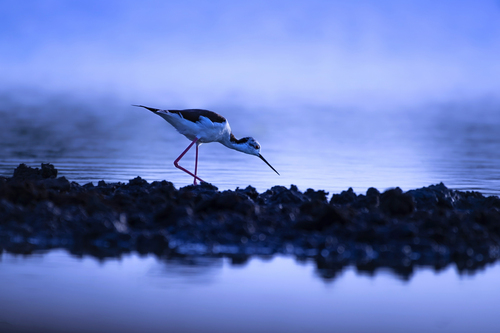
セイタカシギ (Himantopus himantopus) セイタカシギ
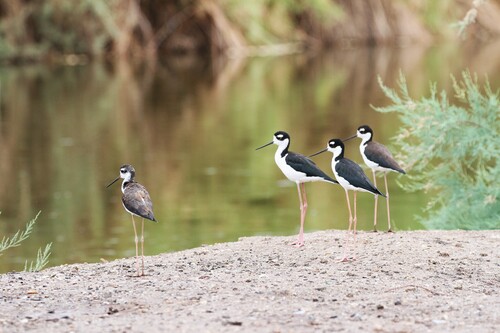
クロエリセイタカシギ (Himantopus mexicanus) クロエリセイタカシギ

メディア

読み込み中…

要点

ブラックエリセイタカシギとクロエリセイタカシギを区別する最も信頼できるフィールドマークは、成鳥の頭部と首の模様です:クロエリセイタカシギは背中から後ろの首にかけて連続した黒い線を示し、頭を目のすぐ下まで覆う完全な黒い帽子を形成し、目の上に明確な白い斑点があります。ブラックエリセイタカシギの成鳥は一般的に白い頭をしており(特に冬)、頭部と首には黒が少なく、完全な黒い帽子や白い目の斑点を示すことはありません。幼鳥のブラックエリセイタカシギは砂色の灰色の翼に淡い縁取りがあり、幼鳥のクロエリセイタカシギは上面がより淡いオリーブブラウンで黒い斑点が並んでいます。両種は非常に長いピンクの脚と細い黒いくちばしを持っていますが、背中の色と頭部の模様の微妙な違いが重要です。飛行中や遠くからは、頭部と首の黒の範囲と形状を確認し、クロエリセイタカシギの目の上の白い斑点を探してください。

識別のコツ

  1. 頭部と首の模様(成鳥、全シーズン): クロエリセイタカシギは背中から後ろの首にかけて連続した黒い線を示し、頭を目のすぐ下まで覆う完全な黒い帽子を形成し、目の上に白い斑点とくちばしの周りに白があります。ブラックエリセイタカシギは主に白い頭をしており(特に冬)、後頭部や後ろの首にのみ変動する黒があり、決して完全な帽子を形成しません。
  2. 目の上の白い斑点(成鳥のクロエリ): クロエリセイタカシギの目の上に明確な白い斑点を探してください;ブラックエリセイタカシギはこの特徴を示しません。
  3. 幼鳥の上面(飛行中または止まっている): 幼鳥のブラックエリセイタカシギは砂色の灰色で、翼の覆羽に広い淡い縁取りがあり、飛行中に白っぽい線を形成します。幼鳥のクロエリセイタカシギは上面が淡いオリーブブラウンで、黒い斑点が並び、側面にいくつかの暗い縞模様があります。
  4. 背中の色(成鳥、繁殖期): 両種のオスは背中と翼に緑がかった光沢を示すことがありますが、ブラックエリセイタカシギの背中はジェットブラック(オスは緑がかった光沢、メスは茶色がかっています)で、クロエリセイタカシギの黒は似ていますが、メスの茶色の色合いがより顕著です。
  5. 尾の模様: クロエリセイタカシギは灰色の帯がある白い尾を持っています;ブラックエリセイタカシギの尾はあまり明確にマークされていません。
  6. くちばしと脚の色: 両種は長くて細い黒いくちばしと長いピンクの脚を持っています;これらは区別には役立ちません。
  7. 性差: 両種ともに、オスは上面がより光沢のある黒で、メスは茶色がかっています;これは微妙で、区別には信頼できません。
  8. 飛行中の視点: 飛行中は、頭部と首の模様や上翼の淡い線(幼鳥)に注目してください。両種ともに黒い翼と白い腹部を示します。
  9. 羽毛の若鳥: 羽毛のあるクロエリセイタカシギは上面がオリーブブラウンで黒い斑点があります;ブラックエリセイタカシギは詳細には記述されていませんが、一般的に灰色がかっています。
  10. 季節的変化: ブラックエリセイタカシギのオスは夏に頭部と首により多くの黒を示すことがありますが、決して完全な帽子にはなりません;メスと冬のオスはより白い頭をしています。
  11. 分布と文脈: アメリカではクロエリセイタカシギが期待されます;ヨーロッパ、アジア、アフリカではブラックエリセイタカシギがデフォルトです。迷鳥は稀ですが可能です。
  12. 落とし穴: ブラックエリセイタカシギのオスの夏の頭部と首の変動する黒に注意してください;これはクロエリセイタカシギの完全な帽子に近づくことがありますが、決して一致しません。南アメリカの中間型は中間的な模様を示すことがあります。
  13. 生息地: 両種は類似の湿地生息地を利用します;識別には生息地だけに頼らないでください。
  14. 行動: 両種は似たように行動し、同じ餌探しと飛行スタイルを示します;行動は区別にはなりません。
  15. 鳴き声: ソースには診断的な違いは記述されていません。

大きさ

両種はサイズと構造が非常に似ており、わずかな違いしかありません:ブラックエリセイタカシギは平均160g、クロエリセイタカシギは169gの体重ですので、サイズは信頼できるフィールドマークではありません。長さと翼幅は完全に重なります(ブラックエリ:33–36 cm;クロエリ:35–39 cm)、両種ともに長くて細い黒いくちばしと非常に長いピンクの脚を持っています。フィールドでは、構造的な違いは無視できるものであり、区別には頼るべきではありません。

羽色

幼鳥と未成熟の鳥は翼と上面の模様に最も明確な違いを示します:幼鳥のブラックエリセイタカシギは砂色の灰色で、目立つ淡い羽毛の縁取りがあり、飛行中には白っぽい線に見えることがあります;これはクロエリセイタカシギにはありません。幼鳥のクロエリセイタカシギは上面が淡いオリーブブラウンで、黒い斑点が並び、側面にいくつかの暗い縞模様があります。成鳥では、クロエリセイタカシギは常に背中から後ろの首にかけて連続した黒い線を示し、頭に完全な黒い帽子を形成します(目の上とくちばしの周りに白い斑点を除いて)。ブラックエリセイタカシギの成鳥は主に白い頭をしており、特に冬には頭部と首に変動するが常に少ない黒があります。両種のオスは繁殖期に背中と翼に緑がかった光沢を示すことがありますが、メスは茶色がかっています。クロエリセイタカシギの尾は白で、いくつかの灰色の帯がありますが、ブラックエリセイタカシギではあまり目立たないか、存在しません。

行動

両種は似たように行動し、特徴的な高いステップの歩き方で浅い水中で餌を探し、長いくちばしで探ります。フィールドで信頼できる行動の違いはありません。両種は緩い群れで歩いたり飛んだりするのが見られます。飛行は直接的で強く、脚は尾を超えて引きずります。

生息環境

生息地は範囲外では信頼できる区別にはなりません:両種は浅い湿地、湿原、池を好みます。ブラックエリセイタカシギはヨーロッパ、アジア、アフリカに見られ、クロエリセイタカシギはアメリカ大陸(アメリカ、中央および南アメリカ、カリブ海を含む)に限定されています。迷鳥や重複の可能性がある地域では、生息地の選択は似ているため、文脈は地元の期待される種を知っている場合にのみ役立ちます。

より良い説明を送る

比較と同じ項目を使ってください。文章はすぐに公開されます。

The most reliable field mark to separate Black-winged Stilt from Black-necked Stilt is the head and neck pattern in adults: Black-necked Stilt shows a continuous black line from the back up the hindneck, forming a full black cap that covers the head to just below the eye, with a distinct white spot above the eye. Black-winged Stilt adults are generally white-headed (especially in winter), with much less black on the head and neck, and never show a full black cap or the white eye-spot. Juvenile Black-winged Stilts have sandy-grey wings with pale fringes, while juvenile Black-necked Stilts are paler olive-brown above with rows of black speckles. Both species have very long pink legs and slender black bills, but subtle differences in back color and head pattern are key. In flight or at a distance, check for the extent and shape of black on the head and neck, and look for the white spot above the eye in Black-necked Stilt.

  1. Head and neck pattern (adult, all seasons): Black-necked Stilt shows a continuous black line from the back up the hindneck, forming a full black cap that covers the crown and extends below the eye, except for a white spot above the eye and white around the bill. Black-winged Stilt is mostly white-headed (especially in winter), with only variable black on the nape or hindneck, never forming a full cap.
  2. White spot above the eye (adult Black-necked): Look for a distinct white spot above the eye in Black-necked Stilt; Black-winged Stilt never shows this feature.
  3. Juvenile upperparts (flight or perched): Juvenile Black-winged Stilts are grey with a sandy hue and broad pale fringes on the wing coverts, forming a whitish line in flight. Juvenile Black-necked Stilts are light olive-brown above with rows of black speckles and some dark barring on the flanks.
  4. Back color (adult, breeding): Males of both species can show a greenish gloss on the back and wings, but in Black-winged Stilt the back is jet black (with greenish gloss in males, brownish in females), while in Black-necked Stilt the black is similar but the brown tinge in females is more pronounced.
  5. Tail pattern: Black-necked Stilt has a white tail with some grey banding; Black-winged Stilt's tail is less distinctly marked.
  6. Bill and leg color: Both species have long, thin black bills and long pink legs; these are not useful for separation.
  7. Sexual dimorphism: In both species, males are glossier black above, females browner; this is subtle and not reliable for separation.
  8. Flight views: In flight, focus on the head and neck pattern and any pale lines on the upperwing (juveniles). Both show black wings and white underparts.
  9. Downy young: Downy Black-necked Stilts are olive-brown above with black speckles; Black-winged Stilts are not described in detail but are generally greyer.
  10. Seasonal variation: Black-winged Stilt males may show more black on the head and neck in summer, but never a full cap; females and winter males are whiter-headed.
  11. Range and context: In the Americas, Black-necked Stilt is expected; in Europe, Asia, and Africa, Black-winged Stilt is the default. Vagrants are rare but possible.
  12. Pitfalls: Beware of variable black on the head and neck in Black-winged Stilt males in summer, which can approach but never matches the full cap of Black-necked. Intergrades in South America may show intermediate patterns.
  13. Habitat: Both species use similar wetland habitats; do not rely on habitat alone for identification.
  14. Behavior: Both species behave similarly and show the same foraging and flight style; behavior is not a separator.
  15. Vocalizations: No diagnostic differences are described in the sources.

Both species are very similar in size and structure, with only minor differences: Black-winged Stilt averages 160 g and Black-necked Stilt 169 g in body mass, so size is not a reliable field mark. Length and wingspan overlap completely (Black-winged: 33–36 cm; Black-necked: 35–39 cm), and both have long, thin black bills and extremely long pink legs. In the field, structural differences are negligible and should not be relied upon for separation.

Juvenile and immature birds show the clearest differences in wing and upperpart pattern: juvenile Black-winged Stilts are grey with a sandy hue and prominent pale feather fringes, which can appear as a whitish line in flight; this is absent in Black-necked Stilt. Juvenile Black-necked Stilts are light olive-brown above with rows of black speckles and some dark barring on the flanks. In adults, Black-necked Stilt always shows a continuous black line from the back up the hindneck, forming a full black cap on the head (except for a white spot above the eye and around the bill). Black-winged Stilt adults are mostly white-headed, especially in winter, with variable but always less extensive black on the head and neck. Males of both species may show a greenish gloss on the back and wings in breeding season, but females have a browner tinge. The tail of Black-necked Stilt is white with some grey banding, which is less prominent or absent in Black-winged Stilt.

Both species behave similarly, foraging in shallow water with a distinctive high-stepping gait and probing with their long bills. No behavioral differences are reliably diagnostic in the field. Both can be seen wading or flying in loose groups. Flight is direct and strong, with legs trailing well beyond the tail.

Habitat is not a reliable separator outside of range: both species prefer shallow wetlands, marshes, and ponds. Black-winged Stilt is found in Europe, Asia, and Africa, while Black-necked Stilt is restricted to the Americas (including the US, Central and South America, and the Caribbean). In areas of potential vagrancy or overlap, habitat selection is similar, so context is only helpful if you know the local expected species.

変更を破棄しますか?

保存していない編集があります。今離れると失われます。

セイタカシギ · クロエリセイタカシギ · 苦手な鳥