

Motmot

ハグロツバメチドリ 対 シロハラトウゾクカモメ

Glareola nordmanni 対 Stercorarius longicaudus

ハグロツバメチドリとシロハラトウゾクカモメのクイズ
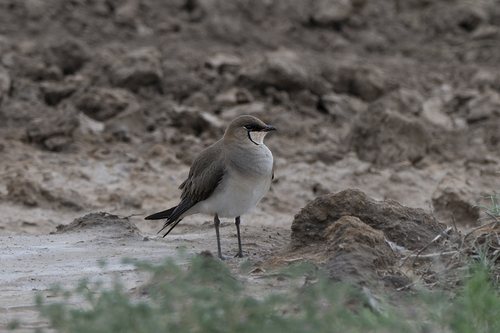
ハグロツバメチドリ (Glareola nordmanni) ハグロツバメチドリ
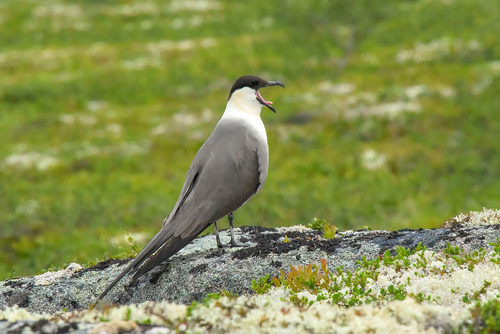
シロハラトウゾクカモメ (Stercorarius longicaudus) シロハラトウゾクカモメ

メディア

読み込み中…

要点

最も信頼できるフィールドマークは飛行中の下翼の色です:ハグロツバメチドリは全体が暗い(黒っぽい)下翼を示し、シロハラトウゾクカモメ(特に成鳥)は暗い一次羽毛を持ちながらも完全に黒ではない淡い下翼を持っています。幼鳥/未成熟の羽色はより難しいですが、トウゾクカモメは常に冷たいトーンで、よりアジサシのようで、尾がはるかに長く、体格が重いです。構造は重要な手がかりです:ツバメチドリはコンパクトで短い脚を持ち、ツバメのようですが、トウゾクカモメははるかに大きく、ずんぐりしており、劇的に長い尾(特に成鳥)を持っています。両種は飛行中に昆虫や食物を捕らえる姿が見られますが、彼らの比率、飛行スタイル、翼/尾のパターンは、注意深く観察するとかなり異なります。

識別のコツ

  1. 飛行中の下翼の色:ツバメチドリはすべての年齢で全体が暗い(黒っぽい)下翼を示します;トウゾクカモメは暗い一次羽毛を持ちますが、淡いカバー羽があり、完全に黒ではありません。これは、よく見た場合に最も信頼できるマークです。
  2. 尾の形と長さ:成鳥のシロハラトウゾクカモメは非常に長く尖った尾の流れ羽(最大15 cm)を持ち、尾が体よりもはるかに長く見えます。ツバメチドリは短く、浅く分かれた尾を持ち、流れ羽はありません。
  3. 全体のサイズと構造:トウゾクカモメははるかに大きく、ずんぐりしており、翼が長く、翼幅は1メートルを超えます。ツバメチドリはコンパクトで、翼が短く、より小さく繊細な体格を持っています。
  4. 飛行スタイル:ツバメチドリは敏捷で、ツバメのように素早いです;トウゾクカモメはより力強く、アジサシのようで、しばしばホバリングや滑空します。直接比較すると、トウゾクカモメはより重く、頑丈に見えます。
  5. 上翼のパターン:ツバメチドリは翼の後縁に白いトレーリングエッジがなく、これは微妙ですが有用なマークです;トウゾクカモメの上翼はより均一で、暗い一次羽毛を持ちますが、白いフラッシュはありません。
  6. 羽色のトーン(未成熟):幼鳥のトウゾクカモメは冷たいトーン(灰色がかった)で、ツバメチドリのような暖かい茶色ではありません。ツバメチドリは上面が茶色で、腹は白いです;トウゾクカモメは背中が灰色で、下側のコントラストが少ないです。
  7. 頭のパターン:成鳥のトウゾクカモメは黒い帽子を持っています;ツバメチドリは持っていません。ツバメチドリの頭は茶色で、背中に溶け込んでいます。
  8. くちばしの形:ツバメチドリは空中の昆虫を捕食するのに適した短く細いくちばしを持っています;トウゾクカモメのくちばしはより重く、鉤状で、捕食と盗食に適応しています。
  9. 脚の長さ:ツバメチドリは体のサイズに対して脚が長いですが、ほとんどの水鳥と比べると脚はまだ短いです;トウゾクカモメの脚は相対的に短くて頑丈です。
  10. 生息地の文脈:ツバメチドリは水の近くの暖かい開けた低地に見られます;トウゾクカモメは北極で繁殖し、南半球の海で越冬し、ツバメチドリと同じ文脈で水の近くにいることはほとんどありません。
  11. 行動の手がかり:トウゾクカモメは他の鳥を追いかけて食べ物を盗むことがありますが、ツバメチドリは決してそうしません。ツバメチドリは、フィールドや水の上を低く飛んで昆虫を捕らえる姿が見られることが多いです。
  12. 声:提供されたメモからは診断できません。
  13. 止まっている姿:ツバメチドリはコンパクトでツバメのような姿勢で直立して止まります;トウゾクカモメはずんぐりしており、カモメやアジサシのように座ります。
  14. 落とし穴:遠くからや暗い光の中では、ツバメチドリの黒い下翼とトウゾクカモメの暗い一次羽毛はどちらも黒っぽく見えることがあります;近くでよく照らされた視点だけが彼らを確実に区別します。幼鳥のトウゾクカモメは特に難しく、確実な同定には複数のフィールドマークが必要な場合があります。
  15. 季節的文脈:ツバメチドリは夏にヨーロッパ/アジアに、冬にアフリカに現れます;トウゾクカモメは夏に北極に、冬に南半球の海にいます。範囲外の記録は慎重に調査する必要があります。

大きさ

シロハラトウゾクカモメはハグロツバメチドリ(約97 g)よりもはるかに重く(平均成鳥の質量約289 g)、全体的にも長いです(38–58 cm対24–28 cm)、ただしトウゾクカモメの長さの半分は尾の流れ羽です。トウゾクカモメの翼幅(102–117 cm)はツバメチドリのそれを大きく超え、トウゾクカモメは飛行中にはるかに大きく、より力強く見えます。ツバメチドリはよりコンパクトで、体のサイズに対して短い脚と短い尾を持っています。

羽色

未成熟/幼鳥は主な落とし穴です。すべての年齢のハグロツバメチドリは黒っぽい下翼を示し、翼の後縁に白いトレーリングエッジがありません;これはよく見た場合に診断的です。上面は茶色で、腹は白く、飛行羽毛は黒です。シロハラトウゾクカモメの幼鳥は変動がありますが、通常は冷たいトーン(灰色がかった)で、決して暖かい茶色ではなく、よりアジサシのような外観を持っています;彼らの下翼は完全に黒ではなく、成鳥は暗い一次羽毛を持ちますが、淡いカバー羽があります。成鳥は明確です:トウゾクカモメは灰色の背中、黒い帽子、非常に長い尾の流れ羽を持ち、暗い一次羽毛ですが白い翼のフラッシュはありません。ツバメチドリの成鳥は上面が茶色で、短い分かれた尾を持ち、トウゾクカモメの大胆な帽子や尾の流れ羽はありません。ツバメチドリの白い腹と黒っぽい下翼は、トウゾクカモメのより控えめな下側とコントラストの少ない下翼と対照的です。

行動

両種は空中で餌を取りますが、飛行スタイルは異なります:ツバメチドリは敏捷で、ツバメのようで、しばしば開けた地面や水の上で低く昆虫を捕らえる姿が見られます。シロハラトウゾクカモメはより力強く、浮遊感のあるアジサシのような飛行をし、しばしばツンドラや開けた海の上をホバリングまたは滑空します。トウゾクカモメはまた盗食的で、他の鳥を追いかけて食べ物を盗むことがありますが、ツバメチドリは決してそうしません。渡りの際、幼鳥のトウゾクカモメはフィールドの上で狩りをすることがあり、人間に対して非常に大胆ですが、ツバメチドリは開けた国や水の縁に留まります。

生息環境

ハグロツバメチドリは開けた国に見られ、しばしば水の近くにあり、南東ヨーロッパと南西アジアの暖かい地域で繁殖し、熱帯アフリカで越冬します。シロハラトウゾクカモメは高い北極のツンドラで繁殖し、南の海で越冬します;渡りの際、幼鳥はフィールドやゴルフコースの上に現れることがありますが、ツバメチドリと同じように水の近くに見られることはほとんどありません。したがって、文脈と場所が役立ちます:ツバメチドリは暖かい開けた低地の鳥であり、トウゾクカモメはツンドラと開けた海の鳥で、渡り鳥は時々内陸に現れます。

より良い説明を送る

比較と同じ項目を使ってください。文章はすぐに公開されます。

The most reliable field mark is the underwing color in flight: Black-winged Pratincole shows all-dark (blackish) underwings, while Long-tailed Skua (especially adults) has paler underwings with dark primary feathers but not wholly black. Juvenile/immature plumages are trickier, but the skua is always colder-toned and more tern-like, with a much longer tail and heavier build. Structure is a major clue: pratincole is compact, short-legged, and swallow-like, while the skua is much larger, bulkier, and has a dramatically long tail (especially adults). Both species can be seen hawking insects or food on the wing, but their proportions, flight style, and wing/tail patterns are quite different when studied closely.

  1. Underwing color in flight: Pratincole shows all-dark (blackish) underwings at all ages; skua has dark primaries but paler coverts, never wholly black. This is the single most reliable mark if seen well.
  2. Tail shape and length: Adult Long-tailed Skua has extremely long, pointed tail streamers (up to 15 cm), making the tail appear much longer than the body. Pratincole has a short, shallowly forked tail, never with streamers.
  3. Overall size and structure: Skua is much larger, bulkier, and longer-winged, with a wingspan over 1 meter. Pratincole is compact, with shorter wings and a smaller, more delicate build.
  4. Flight style: Pratincole is agile, swallow-like, and quick; skua is more powerful, tern-like, and often hovers or glides. In direct comparison, skua looks heavier and more robust.
  5. Upperwing pattern: Pratincole lacks a white trailing edge to the wing, which can be a subtle but useful mark; skua's upperwing is more uniform, with dark primaries but no white flash.
  6. Plumage tone (immatures): Juvenile skuas are colder-toned (greyish), never warm brown like pratincole. Pratincole is brown above, with a white belly; skua is grey-backed with less contrast below.
  7. Head pattern: Adult skua has a black cap; pratincole does not. Pratincole's head is brown, blending into the back.
  8. Bill shape: Pratincole has a short, fine bill suited to aerial insect feeding; skua's bill is heavier and hooked, adapted for predation and kleptoparasitism.
  9. Leg length: Pratincole is longer-legged relative to body size, but legs are still short compared to most waders; skua's legs are proportionally short and stout.
  10. Habitat context: Pratincole is found in warm, open lowlands near water; skua is an Arctic breeder and pelagic migrant, rarely near water in the same context as pratincole except as a rare migrant.
  11. Behavioral clues: Skuas may chase other birds to steal food, which pratincoles never do. Pratincoles are more likely to be seen hawking insects low over fields or water.
  12. Voice: Not diagnostic from the provided notes.
  13. Perched appearance: Pratincole perches upright with a compact, swallow-like look; skua is bulkier and sits more like a gull or tern.
  14. Pitfalls: At distance or in poor light, the pratincole's black underwing and the skua's dark primaries can both look blackish; only close, well-lit views reliably separate them. Juvenile skuas are especially tricky and may require multiple field marks for confident ID.
  15. Seasonal context: Pratincole is present in Europe/Asia in summer, Africa in winter; skua is in the Arctic in summer, at sea in the southern hemisphere in winter. Out-of-range records should be scrutinized carefully.

Long-tailed Skua is much heavier (average adult mass ~289 g) than Black-winged Pratincole (~97 g), and is also longer overall (38–58 cm vs. 24–28 cm), though up to half the skua's length is its tail streamers. The skua's wingspan (102–117 cm) far exceeds the pratincole's, making the skua appear much larger and more powerful in flight. Pratincole is more compact, with shorter legs and a shorter tail relative to body size.

Immature/juvenile birds are the main pitfall. Black-winged Pratincole of all ages shows blackish underwings and lacks a white trailing edge to the wing; this is diagnostic if seen well. The upperparts are brown, the belly is white, and the flight feathers are black. Long-tailed Skua juveniles are variable but usually colder-toned (greyer), never warm brown, and have a more tern-like appearance; their underwing is not wholly black, and adults have dark primary feathers but paler coverts. Adults are unmistakable: skua has a grey back, black cap, and very long tail streamers, with dark primaries but no white wing flash. Pratincole adults are brown above, with a short forked tail and lack the skua's bold cap or tail streamers. The pratincole's white belly and blackish underwing contrast with the skua's more muted underparts and less contrasting underwing.

Both species are aerial feeders, but their flight styles differ: pratincole is agile, swallow-like, and often seen hawking insects low over open ground or water. Long-tailed Skua is more powerful, with a buoyant, tern-like flight, often hovering or gliding over tundra or open sea. Skuas are also kleptoparasitic, chasing other birds to steal food, which pratincoles never do. On migration, juvenile skuas may hunt over fields and are notably fearless of humans, while pratincoles stick to open country and water edges.

Black-winged Pratincole is found in open country, often near water, and breeds in warmer parts of southeast Europe and southwest Asia, wintering in tropical Africa. Long-tailed Skua breeds in the high Arctic tundra and winters at sea in the southern oceans; on migration, juveniles may appear over fields or golf courses but are rarely found near water in the same way as pratincoles. Thus, context and location can help: pratincole is a bird of warm, open lowlands; skua is a bird of tundra and open ocean, with migrants sometimes inland.

変更を破棄しますか?

保存していない編集があります。今離れると失われます。

ハグロツバメチドリ · シロハラトウゾクカモメ · 苦手な鳥