

Motmot

ハグロカササギビタキ 対 オーストラリアメンガタカササギビタキ

Monarcha frater 対 Symposiachrus trivirgatus

ハグロカササギビタキとオーストラリアメンガタカササギビタキのクイズ
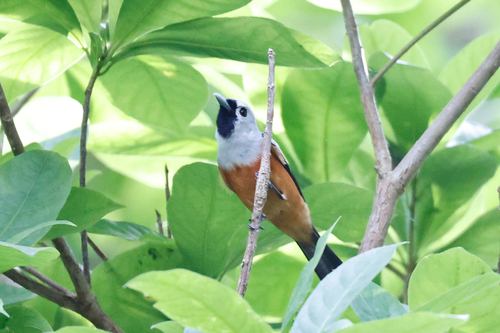
ハグロカササギビタキ (Monarcha frater) ハグロカササギビタキ
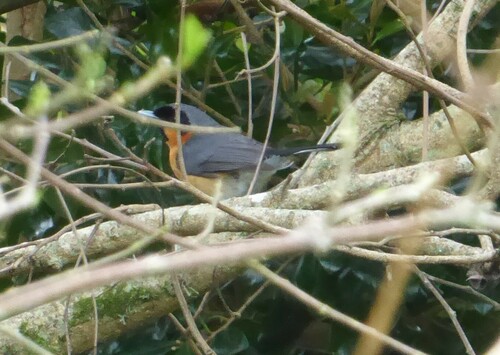
オーストラリアメンガタカササギビタキ (Symposiachrus trivirgatus) オーストラリアメンガタカササギビタキ

メディア

読み込み中…

要点

ハグロカササギビタキとオーストラリアメンガタカササギビタキを区別する最も信頼できる方法は、成鳥の顔の模様と翼の色に注目することです。ハグロカササギビタキははるかに暗い翼を持ち、メンガタカササギビタキの特徴的な顔の模様である鮮やかな淡色のメガネが欠けています。両種はオーストラリアとニューギニアで重なって生息しているため、分布だけでは診断できません。未熟な羽毛や幼鳥の羽毛については、情報が詳細に記載されていないため、フィールドでの区別は成鳥の特徴に依存します。生息地の好みは大まかには似ていますが、メンガタカササギビタキはマングローブでも見られます。

識別のコツ

  1. Facial pattern is key: 成鳥のオーストラリアメンガタカササギビタキは鮮やかな淡色のメガネ(アイリングとロア)を示し、顔に印象的でマスクのような外観を与えます。ハグロカササギビタキはこの特徴が欠けており、より地味な顔をしています。
  2. Wing coloration: ハグロカササギビタキは成鳥で明確に暗い(黒っぽい)翼を持ち、羽毛の他の部分と対照的です。メンガタカササギビタキの翼はそれほど暗くなく、同じようには目立ちません。
  3. Juvenile/immature separation: 両種の未熟または幼鳥の翼の模様についての詳細な情報は利用できないため、若い鳥には注意が必要です—目に見える場合は顔の模様に依存してください。
  4. Bill and structure: 両種は構造的に似ており、ソースに記載されたくちばしの形やサイズに信頼できる違いはありません。
  5. Perched vs. in flight: 特徴的な飛行や上翼の模様が記載されていないため、すべての観察条件で顔と翼の色に注目してください。
  6. Habitat context: 鳥がマングローブの森で見られた場合、オーストラリアメンガタカササギビタキの可能性が高いですが、両種は低地と山地の森林でも見られます。
  7. Range is not diagnostic: 両種はオーストラリアとニューギニアに生息しているため、位置だけで区別しないでください。
  8. Alternate names confusion: 「黒顎のカササギビタキ」という名前は異なる種を指すことがあるため、常に学名を確認してください。
  9. Voice: ソースには声の違いが記載されていないため、呼び声や歌に頼って区別しないでください。
  10. Season and sex: 季節的または性的な羽毛の違いは記載されていないため、成鳥のフィールドマークは年間を通じて適用されます。
  11. Superficial resemblance: 両種はカササギビタキの一種であり、一見すると混同されることがありますが、メンガタカササギビタキの顔の模様(メガネ)が最も一貫したフィールドマークです。
  12. When in doubt: 顔の模様が見えない場合は、翼の暗さと全体的な印象に注意してくださいが、未熟な個体や視界が悪い場合には注意が必要です。
  13. Community tips: コミュニティの情報源には追加のフィールドマークや落とし穴は記載されていません。
  14. Plumage pitfalls: 他の「黒顎」または「黒翼」のカササギビタキとの混同を避けるために、常に地域と顔の模様を確認してください。
  15. Documentation: 不確かな場合は、顔と翼を撮影することが識別を確認する最良の方法です。

大きさ

ハグロカササギビタキの成鳥の体重は22.0 gと記録されていますが、オーストラリアメンガタカササギビタキの直接的な測定値は利用できません。両種は中型のカササギビタキであり、サイズが重なる可能性が高いため、構造と体重はフィールドでの区別には信頼できません。

羽色

両種の未熟(幼鳥)や年齢特有の翼または上翼の模様の違いについては、ソースに詳細な記載はありません。成鳥の場合、ハグロカササギビタキは暗い翼と強い顔の模様がないことが特徴です。一方、オーストラリアメンガタカササギビタキはその鮮やかな淡色のメガネ(アイリングとロア)で名付けられ、成鳥では目立ち、顔を印象的に見せます。両種はそれ以外の全体的な色合いでは一般的に似ていますが、顔の模様と翼の暗さが主な対比です。

行動

両種は典型的なカササギビタキであり、森林の下層から中層で活発で敏捷に昆虫を捕まえる可能性が高いです。フィールドで両種を確実に区別するための行動の違いはソースには記載されていません。

生息環境

両種はオーストラリアとニューギニアの亜熱帯または熱帯の湿った低地および山地の森林に生息しています。ただし、オーストラリアメンガタカササギビタキはマングローブの森でも見られ、そこで観察された場合はわずかな生息地の手がかりを提供する可能性があります。それ以外では、生息地の重なりが広範であり、強い区別要因ではありません。

より良い説明を送る

比較と同じ項目を使ってください。文章はすぐに公開されます。

The most reliable way to separate Black-winged Monarch from Australian Spectacled Monarch is by focusing on facial pattern and wing coloration in adults. Black-winged Monarch shows a much darker wing and lacks the bold pale spectacles of Spectacled Monarch, which is named for its prominent facial markings. Both species overlap in Australia and New Guinea, so range alone is not diagnostic. Immature and juvenile plumages are not described in detail in the sources, so field separation relies on adult features. Habitat preferences are broadly similar, but Spectacled Monarch is also found in mangroves.

  1. Facial pattern is key: Adult Australian Spectacled Monarch shows bold pale spectacles (eye-ring and lores), giving the face a striking, masked look. Black-winged Monarch lacks this feature and has a plainer face.
  2. Wing coloration: Black-winged Monarch has distinctly dark (blackish) wings in adults, which contrast with the rest of the plumage. Spectacled Monarch's wings are not as dark and do not stand out in the same way.
  3. Juvenile/immature separation: No detailed information is available on immature or juvenile wing patterns for either species, so caution is needed with young birds—rely on facial markings if visible.
  4. Bill and structure: Both species are structurally similar, with no reliable differences in bill shape or size described in the sources.
  5. Perched vs. in flight: Since no distinctive flight or upperwing pattern is described, focus on facial and wing coloration in all viewing conditions.
  6. Habitat context: If the bird is seen in mangrove forest, Australian Spectacled Monarch is more likely, but both species can occur in lowland and montane forests.
  7. Range is not diagnostic: Both species occur in Australia and New Guinea, so do not use location alone to separate them.
  8. Alternate names confusion: Be aware that "black-chinned monarch" can refer to different species; always check the scientific name.
  9. Voice: No vocal differences are described in the sources, so do not rely on calls or song for separation.
  10. Season and sex: No seasonal or sexual plumage differences are described, so adult field marks apply year-round.
  11. Superficial resemblance: Both species are monarch flycatchers and may be confused at a glance, but the facial pattern (spectacles) of Spectacled Monarch is the most consistent field mark.
  12. When in doubt: If facial markings are not visible, note the darkness of the wings and overall impression, but be cautious with immatures or poor views.
  13. Community tips: No additional field marks or pitfalls are noted in community sources.
  14. Plumage pitfalls: Avoid confusion with other 'black-chinned' or 'black-winged' monarchs—always confirm the region and facial pattern.
  15. Documentation: Photographing the face and wings is the best way to confirm identification when uncertain.

Black-winged Monarch has a recorded adult body mass of 22.0 g [wikidata], but no direct measurement is available for Australian Spectacled Monarch. Both are medium-sized monarch flycatchers and are likely to overlap in size, so structure and mass are not reliable for separation in the field.

No detailed age-specific (juvenile/immature) wing or upperwing pattern differences are described in the sources for either species. For adults, Black-winged Monarch is characterized by its dark wings and lack of strong facial markings. In contrast, Australian Spectacled Monarch is named for its bold pale spectacles (eye-ring and lores), which are prominent in adults and make the face appear strikingly marked. Both species are generally similar in overall coloration otherwise, but the facial pattern and wing darkness are the main contrasts.

Both species are typical monarch flycatchers, likely to be active and agile in the lower to mid-levels of forest, sallying for insects. No behavioral differences are described in the sources that would reliably separate them in the field.

Both species inhabit subtropical or tropical moist lowland and montane forests in Australia and New Guinea [wikipedia]. However, Australian Spectacled Monarch is also found in mangrove forests, which may provide a slight habitat clue if observed there. Otherwise, habitat overlap is extensive and not a strong separator.

変更を破棄しますか?

保存していない編集があります。今離れると失われます。

ハグロカササギビタキ · オーストラリアメンガタカササギビタキ · 苦手な鳥