

Motmot

カタグロトビ 対 ヨーロッパハチクマ

Elanus caeruleus 対 Pernis apivorus

カタグロトビとヨーロッパハチクマのクイズ
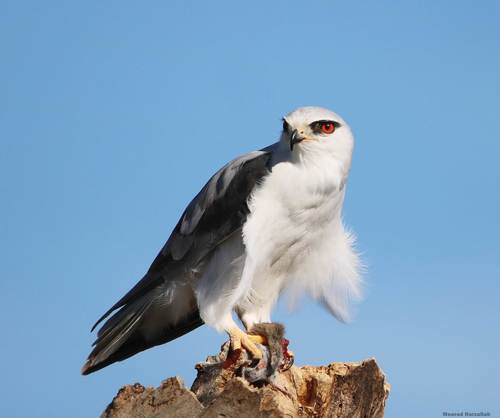
カタグロトビ (Elanus caeruleus) カタグロトビ
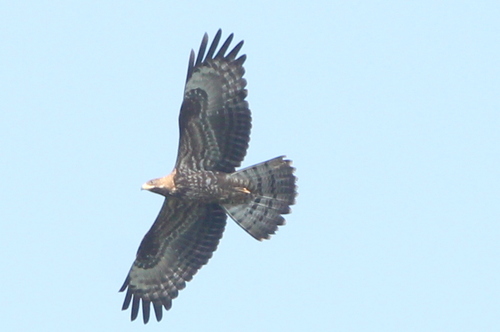
ヨーロッパハチクマ (Pernis apivorus) ヨーロッパハチクマ

メディア

読み込み中…

要点

ブラックウィングトビとヨーロッパハチクマを区別する最も信頼できるフィールドマークは、全体の羽毛と飛行中の構造です:ブラックウィングトビはコンパクトで、目を引く白、灰色、黒の羽毛と短い尾を持ち、ヨーロッパハチクマははるかに大きく、長い翼と長い尾を持ち、より muted で変動のある茶色の羽毛を持っています。幼鳥のブラックウィングトビは、上面と胸に赤褐色のトーンを示し、ハチクマには見られません。飛行中、トビの翼は鋭く尖っており、しばしばホバリングしますが、ハチクマは平らで広い翼を持ち、長い首と小さな頭で滑空します。もし、赤い目を持つ淡いフクロウのような顔の猛禽類が開けた土地の上でホバリングしているのを見たら、それはブラックウィングトビです;森林の上を滑空している長い首の広い翼を持つ鳥はヨーロッパハチクマです。

識別のコツ

  1. Juvenile plumage: 幼鳥のブラックウィングトビは上面と胸に赤褐色を持ち、ハチクマのどの年齢にも見られない独特の特徴です。このマークを使用してください、もしルフス色の若い猛禽類を見たら。
  2. Adult plumage: ブラックウィングトビの成鳥は、下側が鮮やかな白で、上側が淡い灰色で、肩と翼先に大胆な黒い斑点があります;ハチクマは茶色がかり、変動的に縞模様があり、この鮮明なコントラストを示すことはありません。
  3. Wing shape in flight: ブラックウィングトビは、'手首'と外側の一次羽に黒がある長く尖った翼を持っています;ヨーロッパハチクマは、強い黒いコントラストがない広く平らな翼を持っています。
  4. Tail shape and pattern: トビは短く四角い尾を持ち、通常は無地です;ハチクマは、2本の狭い暗いバーと広い亜端のバーを持つ明らかに長い尾を持っています。
  5. Head and face: トビはフクロウのような丸い顔を持ち、前を向いた赤い目があります;ハチクマは小さな鳩のような頭を持ち、長い首、青灰色(オス)または茶色(メス)の頭を持ち、顔のディスクはありません。
  6. Size and structure: ハチクマははるかに大きく、長い翼と長い尾を持っています;トビは小さく、コンパクトで、短い尾を持っています。
  7. Jizz in flight: トビはしばしばホバリングし、ケストレルのように、翼を浅いVの形で持ち上げます;ハチクマは平らな翼で滑空し、時々手首でわずかに下向きの曲がりを持ち、決してホバリングしません。
  8. Perched posture: トビは直立して止まり、しばしば開けた国の電線やポストに目立ちます;ハチクマは秘密主義で、通常は森林内の木に止まっています。
  9. Sex differences: ハチクマだけが明確な性差(オスの青灰色の頭、メスの茶色)を示します;トビの性別は似ています。
  10. Habitat: トビは開けた草地で見られます;ハチクマは森林の鳥です。
  11. Behavior: トビはしばしばホバリングして狩りをしているのが見られます;ハチクマは滑空するディスプレイや移動中以外はほとんど見られません。
  12. Vocalization: ハチクマだけが独特の鳴き声('peee-lu')を持ちます;トビは一般的に静かです。
  13. Iris color: トビは目を引く赤い目を持っています;ハチクマの目は赤くありません。
  14. Mimicry pitfalls: 幼鳥のハチクマはハチクマを模倣することがありますが、決してトビの黒と白または赤褐色の幼鳥のトーンを示しません。
  15. Season/context: ヨーロッパの開けた国で森林の外で見られた場合、特にホバリングしている場合は、デフォルトでトビを考慮してください;森林の上を滑空している場合、特に春の終わり/夏に、ハチクマを考慮してください。

大きさ

ブラックウィングトビは小さな猛禽類で、ヨーロッパハチクマよりもはるかに小さく、コンパクトです。ハチクマは52〜60 cmの長さで、翼幅は130〜150 cm、体重は440〜1050 g [wikipedia]であり、トビよりも明らかに大きく、長い翼を持っています。トビはそれほど重い体ではありませんが、その短い尾と小さなフレームは、並べて見たり、他の猛禽類と比較したりすると明らかです。

羽色

幼鳥のブラックウィングトビは、上面と胸に赤褐色の羽毛を持ち、ヨーロッパハチクマのどの年齢にも見られない特徴です。成鳥のブラックウィングトビは、下側が鮮やかな白で、上側が淡い灰色で、肩と翼先に大胆な黒い斑点があり、赤い虹彩を持っています。それに対して、ヨーロッパハチクマは上面と下面が変動的な茶色で、尾に縞模様(通常は2本の狭い暗いバーと広い亜端のバー)があり、翼には強いコントラストがありません。オスのハチクマは青灰色の頭を持ち、メスは茶色ですが、どちらもトビの黒と白のパターンを欠いています。飛行中、トビの翼は長く尖っており、'手首'と一次羽に黒が見られますが、ハチクマの翼は広く、平らに保たれ、強い黒いコントラストがありません。幼鳥のハチクマはハチクマを模倣することがありますが、決してトビの鮮明な黒と白または赤褐色のトーンを示しません。

行動

ブラックウィングトビは、開けた草地の上でホバリングする習性で最もよく知られています。ケストレルのように、狩りをする際に空中で静止していることがよくあります。ヨーロッパハチクマはホバリングしません;平らな翼で滑空し、しばしば森林の高い上空で、独特の長い首のシルエットを持っています。トビは開けた場所で止まっているかホバリングしているのが見られる可能性が高く、ハチクマは移動中やディスプレイ飛行中以外は秘密主義です。トビのフクロウのような顔と前を向いた目は、この2種の中で独特です。

生息環境

ブラックウィングトビは開けた草地、平原、時には草の斜面を好み、密な森林にはめったに見られません。ヨーロッパハチクマは森林で繁殖し、移動以外では森林地域から離れているのはめったに見られません。もしその鳥が開けた国の上でホバリングしているのを見たら、それはほぼ確実にトビです;森林の上または近くで滑空している猛禽類は、よりハチクマである可能性が高いです。

声

ヨーロッパハチクマは、特にディスプレイ中に明確な'peee-lu'の鳴き声を持っています。ブラックウィングトビは一般的に静かで、その鳴き声はほとんどの状況で有用なフィールドマークではありません。

より良い説明を送る

比較と同じ項目を使ってください。文章はすぐに公開されます。

The most reliable field mark to separate Black-winged Kite from European Honey-buzzard is overall plumage and structure in flight: Black-winged Kite is compact, with striking white, grey, and black plumage and a short tail, while European Honey-buzzard is much larger, longer-winged, and long-tailed, with a more muted and variable brownish plumage. Juvenile Black-winged Kites show reddish-brown tones on upperparts and breast, unlike any honey-buzzard. In flight, the kite's wings are sharply pointed and the bird often hovers, while honey-buzzards soar on flat, broad wings with a long neck and small head. If you see a pale, owl-faced raptor with red eyes hovering over open land, it's a Black-winged Kite; a long-necked, broad-winged bird soaring over woodland is a European Honey-buzzard.

  1. Juvenile plumage: Juvenile Black-winged Kites have reddish-brown on the upperparts and breast, a unique feature not shown by any age of honey-buzzard. Use this mark if you see a rufous-tinged young raptor.
  2. Adult plumage: Black-winged Kite adults are sharply white below and pale grey above, with bold black patches on the shoulder and wingtips; honey-buzzards are brownish, variably barred, and never show this crisp contrast.
  3. Wing shape in flight: Black-winged Kite has long, pointed wings with black at the 'wrist' and outer primaries; European Honey-buzzard has broader, flat wings with no strong black contrast.
  4. Tail shape and pattern: Kite has a short, square tail, usually plain; honey-buzzard has a noticeably longer tail with two narrow dark bars and a broad subterminal bar.
  5. Head and face: Kite has an owl-like, rounded face with forward-facing red eyes; honey-buzzard has a small, pigeon-like head with a long neck, blue-grey (male) or brown (female) head, and no facial disk.
  6. Size and structure: Honey-buzzard is much larger, longer-winged, and longer-tailed; kite is small, compact, and short-tailed.
  7. Jizz in flight: Kite often hovers, kestrel-like, with wings held up in a shallow V; honey-buzzard soars on flat wings, sometimes with a slight downward kink at the wrist, and never hovers.
  8. Perched posture: Kite perches upright, often conspicuous on wires or posts in open country; honey-buzzard is secretive and usually perched in trees within woodland.
  9. Sex differences: Only honey-buzzard shows clear sexual dimorphism (blue-grey head in males, brown in females); kite sexes are similar.
  10. Habitat: Kites are seen in open, grassy areas; honey-buzzards are woodland birds.
  11. Behavior: Kite is often seen hunting by hovering; honey-buzzard is rarely seen except in soaring display or migration.
  12. Vocalization: Only honey-buzzard has a distinctive call ('peee-lu'); kite is generally silent.
  13. Iris color: Kite has striking red eyes; honey-buzzard's eyes are not red.
  14. Mimicry pitfalls: Juvenile honey-buzzards may mimic buzzards but never show the kite's black-and-white or reddish juvenile tones.
  15. Season/context: If seen in Europe in open country outside woodland, especially hovering, default to kite; if soaring over woodland, especially in late spring/summer, consider honey-buzzard.

Black-winged Kite is a small raptor, much smaller and more compact than European Honey-buzzard. Honey-buzzard is 52–60 cm long with a wingspan of 130–150 cm and weighs 440–1050 g [wikipedia], making it noticeably larger and longer-winged than the kite. The kite is not as heavy-bodied, but its shorter tail and smaller frame are obvious when seen side by side or with other raptors for scale.

Juvenile Black-winged Kites are distinctive with reddish-brown feathers on the upperparts and breast, a feature not found in any age of European Honey-buzzard. Adult Black-winged Kites are strikingly white below and pale grey above, with bold black patches on the shoulders and wingtips, and red irises. In contrast, European Honey-buzzard is variable brownish above and below, with barring on the tail (usually two narrow dark bars and a broad subterminal bar) and no strong contrast on the wing. Male honey-buzzards have a blue-grey head, females brown, but both lack the kite's black-and-white pattern. In flight, the kite's wings are long, pointed, and show black at the 'wrist' and primaries, while honey-buzzard's wings are broader, held flat, and lack strong black contrast. Juvenile honey-buzzards may mimic buzzards but never show the kite's crisp black-and-white or reddish tones.

Black-winged Kite is best known for its habit of hovering over open grasslands, kestrel-like, often remaining stationary in the air as it hunts. European Honey-buzzard does not hover; it soars on flat wings, often high above woodland, with a distinctive long-necked silhouette. The kite is more likely to be seen perched in the open or hovering, while the honey-buzzard is secretive except during migration or display flights. The kite's owl-like face and forward-facing eyes are unique among these two.

Black-winged Kite prefers open grasslands, plains, and sometimes grassy slopes, rarely in dense woodland. European Honey-buzzard breeds in woodland and is rarely seen away from forested areas except on migration. If the bird is seen hovering over open country, it's almost certainly a kite; a soaring raptor over or near woodland is more likely a honey-buzzard.

European Honey-buzzard has a clear 'peee-lu' call, especially during display. Black-winged Kite is generally quiet, and its calls are not a useful field mark in most situations.

変更を破棄しますか?

保存していない編集があります。今離れると失われます。

カタグロトビ · ヨーロッパハチクマ · 苦手な鳥