

Motmot

オオハム 対 ハシジロアビ

Gavia arctica 対 Gavia adamsii

オオハムとハシジロアビのクイズ
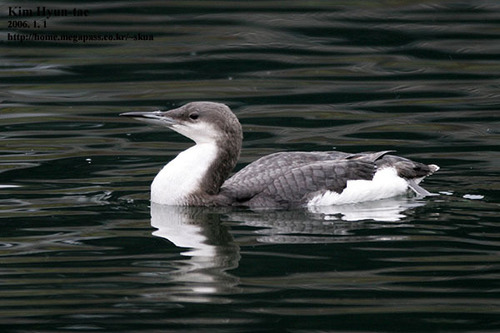
オオハム (Gavia arctica) オオハム
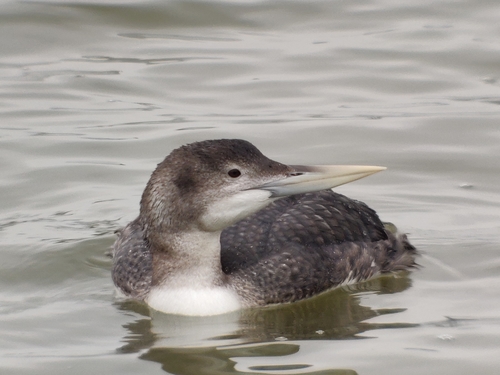
ハシジロアビ (Gavia adamsii) ハシジロアビ

メディア

読み込み中…

要点

オオハムとハシジロアビの最も信頼できるフィールドマークはくちばしの色です:ハシジロアビは常に目を引く淡い象牙色または黄味がかったくちばしを示し、一方オオハムは黒いくちばしを持っています。成鳥の繁殖羽衣では、オオハムは細い白い縦の線が入った黒い喉を特徴とし、ハシジロアビは黒い頭と首を持っていますが、複雑な喉の模様はありません。サイズも強い手がかりです—ハシジロアビはオオハムよりもずっと大きく、長いです。非繁殖期または未成熟の羽衣では、くちばしの色が最も良い区別点となります。羽衣の違いはあまり明らかではなくなります。両種は距離があると似て見えることがありますが、特に光が悪い場合や完全な繁殖羽衣でない場合は、くちばしの色と全体のサイズに注意を払うことで通常は混乱を解消できます。

識別のコツ

  1. くちばしの色は最も信頼できるフィールドマークです: ハシジロアビは常に淡い象牙色または黄味がかったくちばしを持ち、距離があっても見えます;オオハムのくちばしは黒です。これはすべての年齢と羽衣に当てはまります。
  2. サイズと体重: ハシジロアビはずっと大きくて重く、首が長く、頭が大きいです;オオハムは明らかに小さく、スリムです。サイズは直接比較しないと判断が難しいことがありますが、鳥が並んでいるときや知られている種と一緒にいるときには役立ちます。
  3. 繁殖羽衣の喉の模様: オオハムは柔らかい紫の光沢がある黒い喉と細い白い縦の線のネックレスを示します;ハシジロアビは黒い頭と首を持っていますが、細い白い喉のストライプはありません。これは繁殖羽衣の成鳥にのみ見られます。
  4. 上面の模様: 繁殖羽衣では、オオハムは背中と肩羽に白い四角形と上翼の覆羽に小さな白い斑点を持っています;ハシジロアビはより広範囲にわたる白黒のチェック模様の背中を持っています。これは微妙で、近距離で見るのが最適です。
  5. 非繁殖期と幼鳥の羽衣: 両種は鈍くなり、ほとんどの頭と喉の模様を失いますが、ハシジロアビのくちばしは淡いままで、オオハムのくちばしは暗いままです。両方の幼鳥はより茶色がかりますが、くちばしの色は依然として診断的です。
  6. 頭と首の色: 繁殖羽衣では、オオハムは灰色の頭と後ろの首を持っています;ハシジロアビの頭と首は黒です。非繁殖羽衣では、両方とも色が薄くなるため、これはあまり役立ちません。
  7. 脇腹の色: オオハムは繁殖羽衣で白い脇腹を示し、これがハシジロアビと区別するのに役立ちます。ハシジロアビは側面により広範囲の黒を持っています。
  8. くちばしの形: ハシジロアビのくちばしは淡いだけでなく、より重く、上向きになっていますが、オオハムのくちばしはスリムでまっすぐです。これは微妙ですが、近距離で役立つことがあります。
  9. 翼の下の模様: 両種は白い覆羽を持つ淡い翼の下を持っているため、これは強い区別点ではありません。
  10. 足と足の色: 両方とも暗い足を持っていますが、オオハムの足とくちばしは黒で、ハシジロアビのくちばしは淡いです;足の色は信頼できるフィールドマークではありません。
  11. 虹彩の色: 両方とも暗い赤褐色の虹彩を持っています;これは有用な区別点ではありません。
  12. 生息地の文脈: 大きな北極の湖で繁殖しているのが見られた場合、ハシジロアビの方が可能性が高いです;小さな北部の湖では、オオハムの方が可能性が高いです。冬には、両方が海岸で重なることがあります。
  13. 行動: 両種は魚のために潜水し、水中で低く泳ぎます;ハシジロアビはそのサイズのためにより鈍重に見えることがありますが、これは微妙です。
  14. 声: これら二つを区別するためのフィールドでは診断的ではありません。
  15. 落とし穴: 光が悪い場合や距離がある場合、くちばしの色を判断するのが難しいことがあります;常に複数の特徴で確認するようにし、特にサイズとくちばしの形が可能であれば確認してください。

大きさ

ハシジロアビはオオハムよりもかなり大きく、重いです。ハシジロアビは76〜97 cmの長さで、翼幅は135〜160 cm、平均質量は約5 kg [wikidata]で、最大のハムです。オオハムは58〜73 cmの長さで、翼幅は100〜130 cm、質量は1.3〜3.4 kg [wikipedia]と、著しく小さいです。フィールドでは、ハシジロアビはより大きく、長い首を持ち、より重い体格と長いくちばしを持っているように見え、オオハムはより流線型でコンパクトに見えます。

羽色

両種の幼鳥と非繁殖期の鳥は混乱を招くことがあります。両方とも鈍く、模様の少ない羽衣を示し、繁殖期の喉と頭の模様の多くを失います。しかし、くちばしの色はすべての年齢で診断的です:ハシジロアビは常に淡い象牙色または黄味がかったくちばしを持ち、オオハムのくちばしは黒です。成鳥の繁殖羽衣では、オオハムは灰色の頭と後ろの首、紫の光沢のある黒い喉、細い白い線のネックレス、白い脇腹、背中と肩羽に白い四角形のチェック模様を示します。繁殖羽衣のハシジロアビは全体が黒と白で、黒い頭と首、白い腹部、目立つ白黒のチェック模様の背中を持っていますが、細い喉のストライプはありません。非繁殖羽衣では、両種は頭と喉の模様の多くを失いますが、ハシジロアビは淡いくちばしを保持し、より大きく重く見え、オオハムは小さく、暗いくちばしを保持します。両方の幼鳥は鈍くなりますが、再び、くちばしの色が最も良い区別点です。

行動

両種は水生で、魚のために潜水し、水中で低く泳いでいるのがよく見られます。ハシジロアビは大きいため、オオハムよりも鈍重で機敏性が低いように見えることがあります。両種は繁殖期に単独またはペアで見られ、冬には小さな群れを作ることがあります。フィールドで二つを確実に区別する強い行動の違いはないため、行動は診断的ではありません。

生息環境

オオハムは北ヨーロッパとアジアの淡水湖で繁殖し、北東大西洋と太平洋の避けられた氷のない海岸で冬を越します。ハシジロアビは高い北極で繁殖し、大きく深い湖やツンドラの池を好み、主に北部および北西太平洋の海岸で冬を越します。重なる冬の生息地では、両方が沖合や沿岸の水域で見られることがありますが、ハシジロアビは大きく開かれた水域により厳密に関連付けられ、オオハムはより柔軟です。生息地は必ずしも診断的ではなく、特に冬にはそうです。

より良い説明を送る

比較と同じ項目を使ってください。文章はすぐに公開されます。

The most reliable field mark between Black-throated Diver and White-billed Diver is bill color: White-billed Diver always shows a striking pale ivory or yellowish bill, while Black-throated Diver has a black bill. In adult breeding plumage, Black-throated Diver features a black throat with fine white vertical lines, whereas White-billed Diver has a black head and neck but lacks the intricate throat pattern. Size is also a strong clue—White-billed Diver is much bulkier and longer than Black-throated Diver. In non-breeding or immature plumages, bill color remains the best separator, as plumage differences become less obvious. Both species can appear similar at a distance, especially in poor light or when not in full breeding plumage, but careful attention to bill color and overall size will usually resolve confusion.

  1. Bill color is the single most reliable field mark: White-billed Diver always has a pale, ivory or yellowish bill, visible even at a distance; Black-throated Diver's bill is black. This works for all ages and plumages.
  2. Size and bulk: White-billed Diver is much larger and heavier, with a longer neck and bigger head; Black-throated Diver is noticeably smaller and slimmer. Size can be hard to judge without direct comparison but is useful when birds are side by side or with known species.
  3. Breeding plumage throat pattern: Black-throated Diver shows a black throat with a soft purple gloss and a necklace of fine white vertical lines; White-billed Diver has a black head and neck but lacks the fine white throat stripes. This is only visible in adults in breeding plumage.
  4. Upperparts pattern: In breeding plumage, Black-throated Diver has white squares on the mantle and scapulars and small white spots on the upperwing coverts; White-billed Diver has a more extensive chequered black-and-white mantle. This is subtle and best seen at close range.
  5. Non-breeding and juvenile plumage: Both species become duller, losing most head and throat pattern, but White-billed Diver's bill remains pale and Black-throated Diver's bill remains dark. Juveniles of both are browner, but bill color is still diagnostic.
  6. Head and neck color: In breeding plumage, Black-throated Diver has a grey head and hindneck; White-billed Diver's head and neck are black. In non-breeding plumage, both become paler, so this is less useful then.
  7. Flank color: Black-throated Diver shows white flanks in breeding plumage, which can help separate it from White-billed Diver, which has more extensive black on the sides.
  8. Bill shape: White-billed Diver's bill is not only pale but also heavier and more upturned, while Black-throated Diver's bill is slimmer and straighter. This is subtle but can help at close range.
  9. Underwing pattern: Both species have pale underwings with white coverts, so this is not a strong separator.
  10. Leg and foot color: Both have dark legs, but Black-throated Diver's legs and bill are black, while White-billed Diver's bill is pale; leg color is not a reliable field mark.
  11. Iris color: Both have dark reddish-brown irises; not a useful separator.
  12. Habitat context: If seen breeding on large Arctic lakes, White-billed Diver is more likely; on smaller northern lakes, Black-throated Diver is more likely. In winter, both may overlap on coasts.
  13. Behavior: Both species dive for fish and swim low in the water; White-billed Diver may appear more ponderous due to its size, but this is subtle.
  14. Voice: Not diagnostic in the field for separation between these two.
  15. Pitfalls: In poor light or at distance, bill color may be hard to judge; always try to confirm with multiple features, especially size and bill shape if possible.

White-billed Diver is substantially larger and heavier than Black-throated Diver. White-billed Diver measures 76–97 cm in length with a wingspan of 135–160 cm and an average mass around 5 kg [wikidata], making it the largest loon. Black-throated Diver is notably smaller, at 58–73 cm length and a wingspan of 100–130 cm, with a mass of 1.3–3.4 kg [wikipedia]. In the field, White-billed Diver appears bulkier and longer-necked, with a heavier build and longer bill, while Black-throated Diver looks more streamlined and compact.

Juvenile and non-breeding birds of both species can be confusing, as both show duller, less patterned plumage and lose much of the breeding throat and head pattern. However, the bill color remains diagnostic at all ages: White-billed Diver always has a pale, ivory or yellowish bill, while Black-throated Diver's bill is black. In adult breeding plumage, Black-throated Diver shows a grey head and hindneck, a black throat with a purple gloss, and a necklace of fine white lines, plus white flanks and a checkered upperwing with white squares on the mantle and scapulars. White-billed Diver in breeding plumage is black and white overall, with a black head and neck, white underparts, and a bold chequered black-and-white mantle, but lacks the fine throat stripes. In non-breeding plumage, both species lose much of the head and throat pattern, but White-billed Diver retains its pale bill and appears larger and heavier, while Black-throated Diver is smaller and keeps a darker bill. Juveniles of both are duller, but again, bill color is the best separator.

Both species are aquatic and dive for fish, often seen swimming low in the water. White-billed Diver, being larger, may appear more ponderous and less agile than Black-throated Diver. Both species can be seen singly or in pairs during breeding, and may gather in small groups in winter. There are no strong behavioral differences in the field that reliably separate the two, so behavior is not diagnostic.

Black-throated Diver breeds on freshwater lakes in northern Europe and Asia and winters along sheltered, ice-free coasts of the north-east Atlantic and Pacific. White-billed Diver breeds in the high Arctic, preferring large, deep lakes or tundra pools, and winters mainly along northern and northwestern Pacific coasts. In overlapping wintering areas, both may be found offshore or in coastal waters, but White-billed Diver is more strictly associated with large, open water bodies, while Black-throated Diver is more flexible. Habitat is not always diagnostic, especially in winter.

変更を破棄しますか?

保存していない編集があります。今離れると失われます。

オオハム · ハシジロアビ · 苦手な鳥