

Motmot

オグロシギ 対 ヤマシギ

Limosa limosa 対 Scolopax rusticola

オグロシギとヤマシギのクイズ
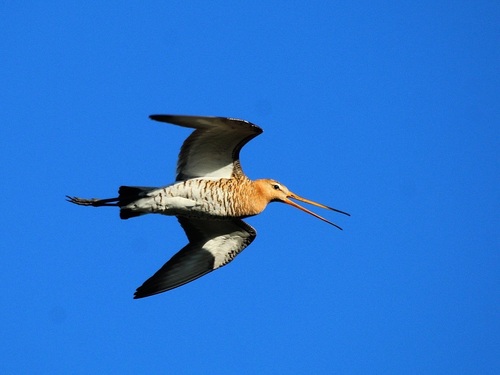
オグロシギ (Limosa limosa) オグロシギ
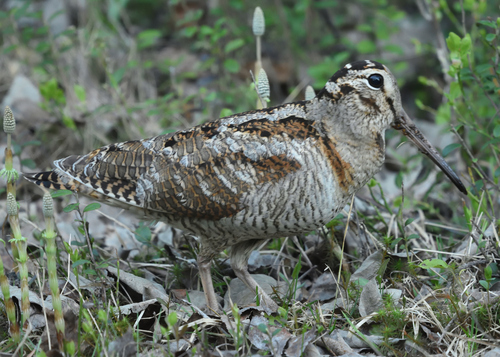
ヤマシギ (Scolopax rusticola) ヤマシギ

メディア

読み込み中…

要点

オグロシギとヤマシギを区別する最も信頼できるフィールドマークは、オグロシギの大胆な黒と白の翼帯と白い尾羽で、飛んでいるすべての年齢の鳥に見られます。ヤマシギにはそのようなパターンがなく、代わりに丸みを帯びた、複雑にまだら模様の翼と隠れた上面を示します。地上では、オグロシギは非常に背が高く、非常に長い脚と長くまっすぐなくちばしを持ち、ヤマシギは短く、ずんぐりしており、特徴的な大きな目と丸い頭の外観を持つ短いまっすぐなくちばしを持っています。オグロシギは開けた国の海岸鳥で、群れで見られることが多いのに対し、ヤマシギは孤独で秘密主義的で、厳密に森林の鳥です。空中で目立つ翼帯を持つ大きな直立した水鳥を見たら、それはオグロシギです。落ち葉の中を移動しているずんぐりした隠れた鳥を見つけたら、それはヤマシギです。

識別のコツ

  1. 飛んでいるとき、オグロシギの大胆な黒と白の翼帯と白い尾羽を探してください(すべての年齢);ヤマシギはこれを示さず、代わりに丸みを帯びたまだら模様の翼と平坦で隠れた背中を示します。
  2. 地上では、オグロシギは長く暗い脚の上に高く立ち、長くまっすぐなくちばし(7.5–12 cm)を持っています;ヤマシギはずんぐりしており、短い脚と短い(6–8 cm)まっすぐなくちばしを持っています。
  3. オグロシギは平坦で直立した姿勢を持ち、しばしば開けた泥の多い場所で餌を食べます;ヤマシギは低くかがみ、移動し、密な森林の落ち葉に溶け込みます。
  4. オグロシギの繁殖羽衣は頭、首、胸がオレンジ色(特にオスで)ですが、ヤマシギは常に土色で複雑な模様を持ち、頭に黒い帯があります。
  5. 幼鳥のオグロシギは首と胸に淡いオレンジ色の洗いがかかっています;ヤマシギの幼鳥はフィールドで成鳥と羽衣で区別できません。
  6. オグロシギのくちばしは長く、より細くまっすぐに見えます;ヤマシギのくちばしは短いですが、まだまっすぐで、基部でより太く見えます。
  7. オグロシギは長い首と脚を持ち、細長く直立した外観を与えます;ヤマシギはコンパクトで、短い首と脚を持ち、ほぼ球状の体をしています。
  8. オグロシギの上面は冬に平坦な茶灰色です;ヤマシギは常に複雑な赤褐色とクリーム色のまだら模様を示します。
  9. オグロシギは通常、特に繁殖期以外は群れで見られます;ヤマシギは孤独で、フラッシュされない限りほとんど見られません。
  10. オグロシギは開けた湿地、洪水のある田んぼ、泥干潟で見られます;ヤマシギは厳密に密な湿った森林にいます。
  11. オグロシギは強く、直接的な翼の打撃で飛び、長い脚を引きずります;ヤマシギの飛行は速く、不規則で低く、丸い翼を持ち、引きずる脚は見えません。
  12. ヤマシギの目は頭の後方に高く位置しており、特徴的なプロファイルを与えます;オグロシギの目は海岸鳥に典型的です。
  13. もし森林で夕暮れの「ローディング」ディスプレイ(orr, orr, orr, pist)を聞いたら、それはヤマシギです;オグロシギはこのようにディスプレイしません。
  14. オグロシギはヤマシギよりもはるかに重く(約290 g)翼が長いです。
  15. もし密な森林から鳥をフラッシュさせ、それがジグザグに低く飛び去ったら、それはほぼ確実にヤマシギで、オグロシギではありません。

大きさ

オグロシギははるかに大きく、背の高い鳥です:長さ約42 cm、翼幅70–82 cm、典型的な質量289.5 g [wikidata]です。ヤマシギは短く、よりコンパクトで、長さ33–38 cm、翼幅55–65 cmです。オグロシギは長い脚を持ち、直立していますが、ヤマシギはずんぐりしており、短い脚と丸い体を持っています。ヤマシギのオスはメスよりも大きいですが、オグロシギの大きさや細長いプロポーションには決して近づきません。

羽色

行動

オグロシギは通常、開けた湿地、湿地、または洪水のある田んぼで、しばしば群れで見られ、意図的で直立した歩き方で長いくちばしを使って探ります。飛行中は強く直接的で、明らかな黒と白の翼のパターンがあります。ヤマシギは孤独で秘密主義的で、薄明かりの中で静かに密な森林の落ち葉の中を移動したり、動かずに座ったりしてカモフラージュに頼ります。その飛行は速く、低く、不規則で、丸い翼とずんぐりしたシルエットを持っています。ヤマシギはフラッシュされない限り、開けた場所ではほとんど見られません。

生息環境

オグロシギは開けた国の海岸鳥で、湿った草地、湿地、泥干潟で見られ、しばしば露出した無木の地域にいます。ヤマシギは厳密に森林の種で、密で湿った森林や茂みを好み、地面の覆いが豊富です。オグロシギが密な森にいることはほとんどなく、ヤマシギが開けた湿地にいることはほとんどないため、ハビタットは強い手がかりです。

声

オグロシギは一般的に静かですが、飛行中や警戒時に鋭く高音の呼び声を出すことがあります。ヤマシギのオスは春の夕暮れに特徴的な「ローディング」ディスプレイ飛行を行い、繰り返し「orr, orr, orr, pist」と呼びますが、それ以外はほとんど静かで捉えにくいです。もし森林で夕暮れのローディングを聞いたら、それはヤマシギです;オグロシギはこのようにディスプレイしません。

より良い説明を送る

比較と同じ項目を使ってください。文章はすぐに公開されます。

The most reliable field mark to separate Black-tailed Godwit from Eurasian Woodcock is the godwit's bold black-and-white wingbar and white rump, visible on birds of all ages in flight; woodcock lacks any such pattern, showing instead rounded, intricately mottled wings and cryptic upperparts. On the ground, Black-tailed Godwit stands much taller, with very long legs and a long, straight bill, while Eurasian Woodcock is shorter, stockier, and has a shorter, straight bill with a distinctive large-eyed, rounded-headed look. Godwits are open-country shorebirds, often in flocks, whereas woodcock are solitary, secretive, and strictly woodland birds. If you see a large, upright wader with a striking wingbar in flight, it's a godwit; if you find a chunky, cryptic bird shuffling through leaf litter, it's a woodcock.

  1. In flight, look for the bold black-and-white wingbar and white rump of Black-tailed Godwit (all ages); woodcock never shows this, instead displaying rounded, mottled wings and a plain, cryptic back.
  2. On the ground, godwit stands tall on long, dark legs with a long, straight bill (7.5–12 cm); woodcock is squat, with short legs and a shorter (6–8 cm), straight bill.
  3. Godwit has a plain, upright posture and often feeds in open, muddy areas; woodcock crouches low, shuffles, and blends into leaf litter in dense woodland.
  4. Godwit's breeding plumage is orange on the head, neck, and chest (especially in males); woodcock is always earth-toned and intricately patterned, with black bars across the crown.
  5. Juvenile godwits show a pale orange wash on the neck and breast; woodcock juveniles are not separable by plumage from adults in the field.
  6. Godwit's bill is longer and appears more slender and straight; woodcock's bill is shorter, but still straight, and looks thicker at the base.
  7. Godwit has a long neck and legs, giving a lanky, upright look; woodcock is compact, with a short neck and legs, and a rounded, almost ball-like body.
  8. Godwit's upperparts are plain brown-grey in winter; woodcock always shows complex reddish-brown and buff mottling.
  9. Godwit is usually seen in groups, especially outside the breeding season; woodcock is solitary and rarely seen except when flushed.
  10. Godwit is found in open wetlands, flooded fields, and mudflats; woodcock is strictly in dense, damp woodland.
  11. Godwit flies with strong, direct wingbeats and long legs trailing; woodcock's flight is rapid, erratic, and low, with rounded wings and no trailing legs visible.
  12. Woodcock's eyes are set far back and high on the head, giving a distinctive profile; godwit's eyes are more typical of shorebirds.
  13. If you hear a dusk 'roding' display (orr, orr, orr, pist) in woodland, it's woodcock; godwit does not display this way.
  14. Godwit is much heavier (about 290 g) and longer-winged than woodcock.
  15. If you flush a bird from dense woodland and it flies off in a zigzag, low to the ground, it's almost certainly a woodcock, not a godwit.

Black-tailed Godwit is a much larger, taller bird: about 42 cm long with a 70–82 cm wingspan and a typical mass of 289.5 g [wikidata]. Eurasian Woodcock is shorter and more compact, 33–38 cm long with a 55–65 cm wingspan. Godwit is long-legged and stands upright, while woodcock is squat, with short legs and a rounded body. Even though woodcock males are larger than females, they never approach the godwit's size or lanky proportions.

  • Juvenile and non-breeding plumage: Black-tailed Godwit of all ages shows a bold black-and-white wingbar and white rump in flight, with juveniles having a pale orange wash to the neck and breast. Eurasian Woodcock, regardless of age, has intricately patterned reddish-brown upperparts and buff underparts, with no contrasting wingbar or rump; its cryptic plumage is designed for woodland camouflage.
  • Breeding plumage: Adult godwits develop a bright orange head, neck, and chest, especially in males, while woodcock remains cryptic and earth-toned year-round. Godwit's upperparts are plain in winter, while woodcock always shows complex mottling and black barring on the head.
  • Flight: Godwit in flight is instantly recognized by its white wingbar and rump; woodcock shows rounded wings with no white, and its flight is more fluttery and erratic.

Black-tailed Godwit is typically seen wading in open wetlands, marshes, or flooded fields, often in groups, walking with a deliberate, upright gait and probing with its long bill. In flight, it is strong and direct, with obvious black-and-white wing patterns. Eurasian Woodcock is solitary, secretive, and crepuscular, shuffling quietly through dense woodland leaf litter or sitting motionless, relying on camouflage. Its flight is fast, low, and erratic, with rounded wings and a dumpy silhouette. Woodcock is rarely seen in the open, except when flushed.

Black-tailed Godwit is an open-country shorebird, found in wet meadows, marshes, and mudflats, often in exposed, treeless areas. Eurasian Woodcock is strictly a woodland species, favoring dense, damp forests and thickets with plenty of ground cover. You will almost never find woodcock in open wetlands or godwit in dense woods, so habitat is a strong clue.

Black-tailed Godwit is generally quiet, but may give sharp, high-pitched calls in flight or alarm. Eurasian Woodcock males perform a distinctive 'roding' display flight at dusk in spring, with a repeated 'orr, orr, orr, pist' call, but are otherwise mostly silent and elusive. If you hear roding at dusk in woodland, it's woodcock; godwits do not display in this way.

変更を破棄しますか?

保存していない編集があります。今離れると失われます。

オグロシギ · ヤマシギ · 苦手な鳥