

Motmot

クロムジアマツバメ 対 ノドジロハリオアマツバメ

Cypseloides niger 対 Chaetura vauxi

クロムジアマツバメとノドジロハリオアマツバメのクイズ

クロムジアマツバメ (Cypseloides niger) クロムジアマツバメ
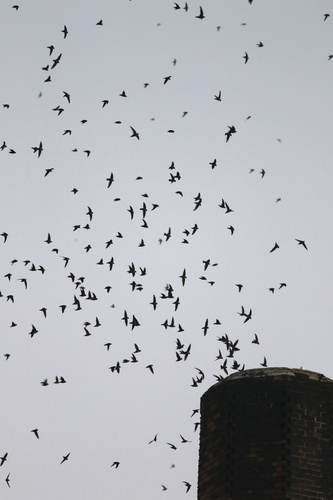
ノドジロハリオアマツバメ (Chaetura vauxi) ノドジロハリオアマツバメ

メディア

読み込み中…

要点

クロムジアマツバメとノドジロハリオアマツバメの最も信頼できるフィールドマークは、全体のサイズと構造です:クロムジアマツバメははるかに大きく、体重も重く、翼が広く、尾がわずかに分かれています。一方、ノドジロハリオアマツバメは著しく小さく、スリムで、短くて四角い尾を持っています。飛行中、クロムジアマツバメはすすけた暗い灰色の羽毛を示し、対照的に暗い肩がありますが、ノドジロハリオアマツバメは上面がくすんだ黒で、喉が淡い色、尻と腹部が灰色がかった色をしています。両種は葉巻型のシルエットを共有していますが、ノドジロハリオアマツバメは動きがよりコンパクトで迅速に見えます。年齢特有の上翼パターンはどちらの種にも記載されていないため、サイズ、尾の形、微妙な羽毛のコントラストに焦点を当ててください。

識別のコツ

  1. Size is the most immediate clue: クロムジアマツバメはノドジロハリオアマツバメよりもはるかに大きく、重いです。もしアマツバメがずんぐりしていて翼が広いように見えたら、クロムジアマツバメを疑ってください。
  2. Tail shape matters: クロムジアマツバメはわずかに分かれた尾を持っていますが、ノドジロハリオアマツバメの尾は短く、鈍く四角いです。これは、鳥が扇状になったり、バンキングしたりする時に特に目立ちます。
  3. Shoulder contrast in クロムジアマツバメ: クロムジアマツバメの翼の他の部分と比較して、明らかに暗い肩を探してください。これは良い光の中で微妙ですが一貫したマークです。
  4. Plumage contrast in ノドジロハリオアマツバメ: ノドジロハリオアマツバメは、淡い灰色から白っぽい喉(特に北部の鳥で)と灰色がかった茶色の腹部と尻を示し、くすんだ黒の上面とのコントラストを生み出します。クロムジアマツバメはより均一にすすけた灰色です。
  5. Juvenile ノドジロハリオアマツバメ throat: 若いノドジロハリオアマツバメは喉の羽毛にくすんだ基部を持ち、喉がまだらまたは汚れたように見えますが、これはクロムジアマツバメには見られません。
  6. Flight style: ノドジロハリオアマツバメは急速で硬い翼の羽ばたきと不安定な滑空で飛び、敏捷で落ち着きがないように見えます。クロムジアマツバメの飛行はより安定しており、遅く、より強力な羽ばたきです。
  7. Flock size and behavior: 特に煙突や都市のねぐらの周りでの大きな渦を巻く群れは、ほぼ常にノドジロハリオアマツバメです。クロムジアマツバメはそのような数や環境ではめったに見られません。
  8. Habitat context: 滝、崖、または峡谷の近くでアマツバメを見た場合は、クロムジアマツバメを優先してください。都市や森林地域、特に大きな煙突の近くでは、ノドジロハリオアマツバメの方が可能性が高いです。
  9. Vocalizations: 群れの中でのおしゃべり、きしむ音、ブンブンという呼び声はノドジロハリオアマツバメを示します。沈黙または時折の呼び声はクロムジアマツバメを示すかもしれませんが、これは確実ではありません。
  10. Overall jizz: クロムジアマツバメは、わずかに分かれた尾と安定した飛行を持つ大きく、暗く、広い翼のアマツバメとして見えます。ノドジロハリオアマツバメは小さく、コンパクトで、四角い尾とより激しい飛行を持っています。
  11. Mixed flocks: 両種が一緒に見られる場合(珍しいですが)、サイズと尾の形の違いは際立っています。
  12. Seasonal context: 渡りの際、ノドジロハリオアマツバメは大規模な共同ねぐらや群れを形成し、これはクロムジアマツバメには見られない行動です。
  13. No reliable age-specific upperwing patterns: どちらの種も、飛行中の分離を助ける特徴的な幼鳥や未成熟の上翼マークを示しません。
  14. Sexes similar: 両種は羽毛や構造においてほとんど性的二形性を示さないため、識別のために性別に頼らないでください。
  15. Beware lighting: 照明が悪い場合、両種は均一に暗く見えることがあります。羽毛のコントラストが見えにくいときは、構造とサイズを主要な手がかりとして使用してください。

大きさ

クロムジアマツバメはノドジロハリオアマツバメに比べて大きく、重い(体重約45.6g)です。この違いはフィールドで明らかです:クロムジアマツバメは広い翼を持ち、頑丈に見えますが、ノドジロハリオアマツバメは小さく、スリムで、繊細です。ノドジロハリオアマツバメは北アメリカで最も小さなアマツバメの一つであり、最大の亜種でさえもクロムジアマツバメよりはるかに小さいです。一緒に見たり、他のアマツバメと一緒に見たりすると、クロムジアマツバメはそのサイズと体格で際立ちます。

羽色

どちらの種にも年齢特有の上翼パターンは記載されていないため、全体の色合いや微妙なコントラストに焦点を当ててください。クロムジアマツバメは主にすすけた暗い灰色で、翼の他の部分と比較して明らかに暗い肩を持ち、均一な外観をしています。尾は短く、わずかに分かれています。ノドジロハリオアマツバメは上面がくすんだ黒ですが、腹部、尻、尾の覆羽は灰色がかった茶色で、喉は淡い灰色から白っぽい(特に北部の鳥で)です。若いノドジロハリオアマツバメは喉の羽毛にくすんだ基部を持ち、喉がまだらに見えることがあります。ノドジロハリオアマツバメの尾は短く、鈍く四角い形をしており、クロムジアマツバメの分かれた尾はありません。強い光の中では、ノドジロハリオアマツバメの暗い上面と淡い腹部/喉のコントラストが有用な手がかりとなることがあります。

行動

両種は空中の昆虫食者ですが、ノドジロハリオアマツバメは非常に群れを成し、大きな群れ(時には他のアマツバメ種とともに)を形成し、特に渡りの際に共同ねぐら行動を示します(例:ポートランドのチャップマンスクール現象)。クロムジアマツバメは小さなグループで採餌する傾向があり、大規模な渦を巻く群れで見られることは少ないです。ノドジロハリオアマツバメは硬い羽ばたきと不安定な滑空の混合で飛び、より激しく敏捷に見えますが、クロムジアマツバメの飛行はより安定しており、より強力で、その大きさにふさわしいです。

生息環境

両種は広く範囲が重なりますが、クロムジアマツバメは崖、滝、峡谷などの劇的な風景により多く関連しており、そこで巣を作ります。ノドジロハリオアマツバメはより柔軟で、森林、都市地域、特に共同ねぐらに使用される大きな煙突や空洞の木の近くで見られることが多いです。渡りの際、ノドジロハリオアマツバメは都市環境で大量に見られることがあり、これはクロムジアマツバメがめったに遭遇しない文脈です。

声

ノドジロハリオアマツバメは、特に群れの中でおしゃべり、ブンブン、きしむ音、チップなど、より多様で目立つ声のレパートリーを持っています。クロムジアマツバメは一般的に静かで声が少ないため、アマツバメの群れから多くのおしゃべりやきしむ音が聞こえると、ノドジロハリオアマツバメを示唆します。しかし、声は短い遭遇や距離のある場合には必ずしも診断的ではありません。

より良い説明を送る

比較と同じ項目を使ってください。文章はすぐに公開されます。

The most reliable field mark between Black Swift and Vaux's Swift is overall size and structure: Black Swift is much larger and heavier-bodied, with broader wings and a slightly forked tail, while Vaux's Swift is notably smaller, slimmer, and has a short, squared-off tail. In flight, Black Swift shows a sooty dark gray plumage with contrasting darker shoulders, whereas Vaux's Swift is dusky black above with a paler throat and greyish rump and underparts. Both species share a cigar-shaped silhouette, but Vaux's Swift appears more compact and rapid in its movements. Age-specific upperwing patterns are not described for either species, so focus on size, tail shape, and subtle plumage contrasts.

  1. Size is the most immediate clue: Black Swift is much larger and heavier than Vaux's Swift; if a swift looks bulky and broad-winged, suspect Black Swift.
  2. Tail shape matters: Black Swift has a slightly forked tail, while Vaux's Swift's tail is short and bluntly squared-off. This is especially noticeable when the birds are fanned or banking.
  3. Shoulder contrast in Black Swift: Look for distinctly darker shoulders compared to the rest of the wing in Black Swift, a subtle but consistent mark in good light.
  4. Plumage contrast in Vaux's Swift: Vaux's Swift shows a paler gray to whitish throat (especially in northern birds) and greyish brown underparts and rump, creating a contrast with the dusky black upperparts. Black Swift is more uniformly sooty gray.
  5. Juvenile Vaux's Swift throat: Young Vaux's Swifts have dusky bases to the throat feathers, giving a mottled or dirty look to the throat, which is not seen in Black Swift.
  6. Flight style: Vaux's Swift flies with rapid, stiff wingbeats and unsteady glides, looking agile and restless. Black Swift's flight is steadier, with slower, more powerful wingbeats.
  7. Flock size and behavior: Large swirling flocks, especially around chimneys or urban roosts, are almost always Vaux's Swift. Black Swift is rarely seen in such numbers or settings.
  8. Habitat context: If you see swifts near waterfalls, cliffs, or canyons, prioritize Black Swift. In urban or forested areas, especially near large chimneys, Vaux's Swift is more likely.
  9. Vocalizations: Chattering, squeaking, and buzzing calls in a flock point to Vaux's Swift. Silence or only occasional calls may indicate Black Swift, but this is not foolproof.
  10. Overall jizz: Black Swift appears as a large, dark, broad-winged swift with a slightly forked tail and steady flight. Vaux's Swift is small, compact, with a squared tail and more frenetic flight.
  11. Mixed flocks: If you see both species together (rare), the size and tail shape differences are striking.
  12. Seasonal context: During migration, Vaux's Swift forms massive communal roosts and flocks, a behavior not shared by Black Swift.
  13. No reliable age-specific upperwing patterns: Neither species shows distinctive juvenile or immature upperwing marks that aid separation in flight.
  14. Sexes similar: Both species show little to no sexual dimorphism in plumage or structure, so do not rely on sex for identification.
  15. Beware lighting: In poor light, both species can appear uniformly dark; use structure and size as primary clues when plumage contrast is hard to see.

Black Swift is significantly larger and heavier (body mass ~45.6 g) compared to Vaux's Swift (~18.5 g). This difference is readily apparent in the field: Black Swift appears broad-winged and robust, while Vaux's Swift is small, slim, and delicate. Vaux's Swift is one of the smallest swifts in North America, and even its largest subspecies are much smaller than Black Swift. When seen together or with other swifts, Black Swift stands out for its size and bulk.

There are no age-specific upperwing patterns described for either species, so focus on overall coloration and subtle contrasts. Black Swift is mostly sooty dark gray, with distinctly darker shoulders compared to the rest of the wing, and a uniform appearance. Its tail is short and only slightly forked. Vaux's Swift is dusky black above, but the underparts, rump, and tail coverts are greyish brown, and the throat is paler gray to whitish (especially in northern birds). Juvenile Vaux's Swifts have dusky bases to the throat feathers, which can make the throat appear mottled. The tail of Vaux's Swift is short and bluntly squared-off, lacking the fork of Black Swift. In strong light, the contrast between the dark upperparts and paler underparts/throat of Vaux's Swift can be a useful clue.

Both species are aerial insectivores, but Vaux's Swift is highly gregarious, often forming large flocks (sometimes with other swift species) and displaying communal roosting behavior, especially during migration (e.g., Portland's Chapman School phenomenon). Black Swift tends to forage in smaller groups and is less likely to be seen in massive swirling flocks. Vaux's Swift flies with a mixture of stiff wingbeats and unsteady glides, appearing more frenetic and agile, while Black Swift's flight is steadier and more powerful, befitting its larger size.

Both species overlap broadly in range, but Black Swift is more often associated with dramatic landscapes such as cliffs, waterfalls, and canyons, where it nests. Vaux's Swift is more flexible, often found near forests, urban areas, and especially around large chimneys or hollow trees used for communal roosting. During migration, Vaux's Swift can be seen in large numbers in urban settings, a context where Black Swift is rarely encountered.

Vaux's Swift has a more varied and noticeable vocal repertoire, including chattering, buzzes, squeaks, and chips, especially when in flocks. Black Swift is generally quieter and less vocal, so hearing a lot of chatter and squeaking from a swift flock suggests Vaux's Swift. However, vocalizations are not always diagnostic in brief encounters or at a distance.

変更を破棄しますか?

保存していない編集があります。今離れると失われます。

クロムジアマツバメ · ノドジロハリオアマツバメ · 苦手な鳥