

Motmot

クロジョウビタキ 対 ヨーロッパノビタキ

Phoenicurus ochruros 対 Saxicola rubicola

クロジョウビタキとヨーロッパノビタキのクイズ
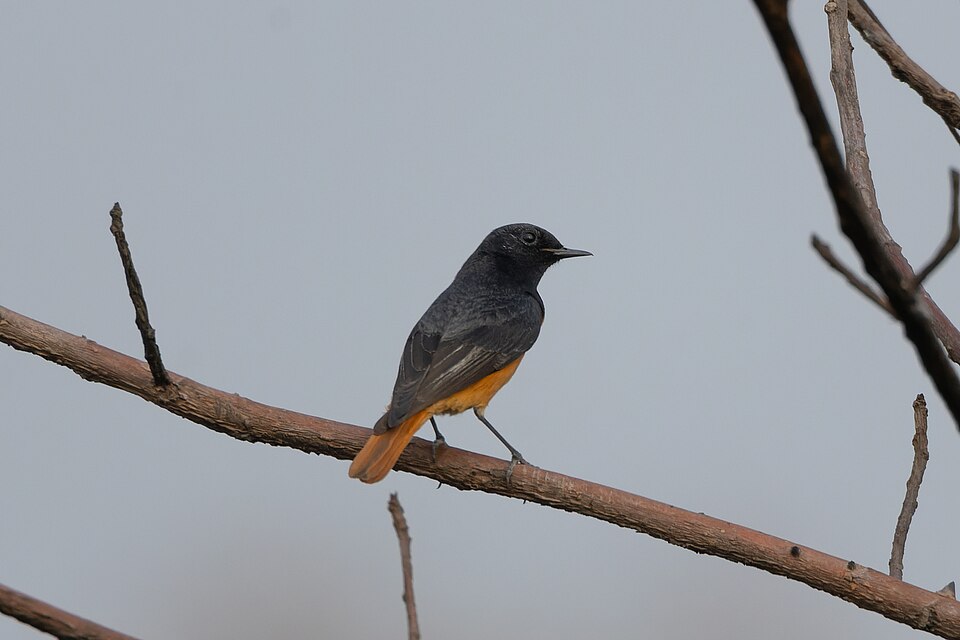
クロジョウビタキ (Phoenicurus ochruros) クロジョウビタキ
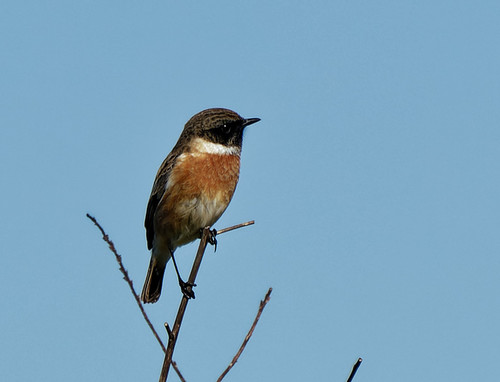
ヨーロッパノビタキ (Saxicola rubicola) ヨーロッパノビタキ

メディア

読み込み中…

要点

クロジョウビタキとヨーロッパノビタキの最も信頼できるフィールドマークは尾と臀部の色です:すべての年齢のクロジョウビタキは、暗い中央シャフトを持つ目を引くオレンジレッドの尾を示し、暗いまたは灰色の臀部と対比します。一方、ヨーロッパノビタキは暗い尾と臀部を持ち、この対比がありません。幼鳥と雌のクロジョウビタキは全体的に灰色または砂色で、淡いバフのアイリングがありますが、雌と未成熟のノビタキは茶色がかり、縞模様の外観でアイリングがありません。飛行中、クロジョウビタキの尾はしばしばルフス色にフラッシュし、暗い尾を持つノビタキとの重要な区別点となります。両種は小さく、直立した昆虫食性ですが、クロジョウビタキは岩や都市の構造物で見られる可能性が高く、ノビタキは低木の草地を好みます。

識別のコツ

  1. 尾の色は最も信頼できるマーク:すべての年齢のクロジョウビタキは、飛行中や光が悪い時でも、暗い中心を持つ明るいオレンジレッドの尾を示しますが、ヨーロッパノビタキの尾は暗い茶色から黒で、臀部と一致します。
  2. 臀部の色:クロジョウビタキの臀部は暗いまたは灰色で、ルフスの尾と対比します。ノビタキの臀部は暗く、尾と混ざり合っています(ただし、一部の淡い南部亜種を除き、決してルフスではありません)。
  3. 雌と幼鳥のアイリング:雌と幼鳥のクロジョウビタキは、明確な淡いバフのアイリングを示すことが多いですが、ノビタキのどの年齢にもアイリングはありません。
  4. 未成熟/雌の全体的な羽色のトーン:クロジョウビタキは淡い灰色がかった茶色または砂色で、しばしば均一な外観を持ちます。ノビタキは茶色がかりで、特に腹部に縞模様があります。
  5. 翼の白色:成鳥の雄のノビタキは小さな白い肩羽の斑点を持ち、一部の亜種では首に白いハーフカラーがあります。クロジョウビタキの雄は淡い翼の斑点を示すことがありますが、雌と未成熟のものは示しません。
  6. 雄の頭の模様:成鳥の雄のノビタキは、白いハーフカラーを持つ目を引く黒い頭を持ちます。クロジョウビタキの雄は暗い灰色から黒ですが、白い首の斑点はありません。
  7. 雄の腹部の色:クロジョウビタキの雄(特に東部亜種)は深いルフスの腹部を持つことがあります。ノビタキの雄は明るいオレンジ色の喉と胸、白い腹を持っています。
  8. 止まり方:クロジョウビタキはしばしば岩、壁、または屋根を選びますが、ノビタキは開けた国の低木や高い雑草を好みます。
  9. 尾の動き:クロジョウビタキは頻繁に尾を震わせたり、振ったりして、ルフスの色に注意を引きます。ノビタキも尾を振ることがありますが、暗い色のため効果はあまり目立ちません。
  10. 生息地の文脈:都市や岩のある地域ではクロジョウビタキを期待し、低木の草地やヒースではノビタキを期待します。
  11. 飛行中の視点:飛行中はクロジョウビタキのルフスの尾を探してください。ノビタキは均一な暗い尾と臀部を示します。
  12. 性別と季節:雌と幼鳥のノビタキは特にクロジョウビタキと混同されやすいですが、常に尾とアイリングを確認してください。
  13. 亜種の変異:両種は色の強度にいくつかの変異を示しますが、尾の色とアイリングは信頼できます。
  14. 声:ノートには記載されていないため、ここでの区別に呼び声を頼らないでください。
  15. サイズと構造:両者はサイズが似ており、直立した姿勢です。区別にはサイズだけを使用しないでください。

大きさ

両種はサイズが非常に似ており、クロジョウビタキとヨーロッパノビタキはどちらも長さ約11.5〜13 cm、体重は13〜17 gです [wikipedia]。フィールドで信頼できる診断的な大きさや比率の違いはありません。

羽色

幼鳥と雌のクロジョウビタキは全体的に淡い灰色がかった茶色または砂色で、しばしば明確なバフのアイリングと頭、後頭部、背中の均一な色を持っています。彼らの尾は常にオレンジレッドで、若い鳥でも暗い中央シャフトを持ち、臀部と対比します。それに対して、幼鳥と雌のヨーロッパノビタキは茶色がかりで、上面と下面に縞模様があり、明確なアイリングがなく、唯一の白は小さな、しばしばバフ色の肩羽の斑点です。尾と臀部はどちらも暗く、ルフスのフラッシュはありません。成鳥の雄のクロジョウビタキ(亜種によって異なる)は暗い灰色から黒で、ルフスの尾を持ち、淡い翼の斑点を持つことがあります。成鳥の雄のノビタキは黒い頭、オレンジ色の喉と胸、白い首の側面の斑点、暗い尾と臀部を持っています。飛行中、クロジョウビタキは常にルフスの尾を示しますが、ノビタキの尾と臀部は暗いままです。両種の亜種の変異は混乱を引き起こすことがありますが、尾の色は一貫しています。

行動

クロジョウビタキはしばしば岩、壁、または建物に止まり、昆虫のために短い飛び出しを行い、頻繁に尾を振ったり震わせたりしてルフスの色を示します。ヨーロッパノビタキは通常、開けた草地の低木、イバラ、または高い雑草に止まり、昆虫のために飛び出しますが、都市や岩のある場所を使用する可能性は低くなります。両種は直立して活発ですが、クロジョウビタキは都市や岩のある環境で見られる可能性が高く、ノビタキは低木のある開けた国に結びついています。

生息環境

クロジョウビタキは岩のある生息地、崖、石やコンクリートの構造物を持つ都市環境を好み、特に繁殖期に広くユーラシアと北アフリカに分布しています [wikipedia]。ヨーロッパノビタキは開けた草地、ヒース、沿岸の砂丘、散在する低木やイバラのある地域を好み、建物のある環境はほとんど使用しません。都市や建物で見られた場合、クロジョウビタキの方がはるかに可能性が高く、低木のある野原やヒースではノビタキが期待されます。

より良い説明を送る

比較と同じ項目を使ってください。文章はすぐに公開されます。

The most reliable field mark between Black Redstart and European Stonechat is the tail and rump color: Black Redstart of all ages shows a striking orange-red tail with a dark central shaft, contrasting with a dark or grey rump, while European Stonechat has a dark tail and rump, lacking this contrast. Juvenile and female Black Redstarts are overall greyer or sandier with a pale buff eye-ring, while female and immature Stonechats are browner with a streaked appearance and no eye-ring. In flight, Black Redstart’s tail often flashes rufous, a key separation from the darker-tailed Stonechat. Both species are small, upright insectivores, but Black Redstart is more likely to be seen on rocks or urban structures, while Stonechat prefers shrubby grassland.

  1. Tail color is the single most reliable mark: Black Redstart of all ages shows a bright orange-red tail with a dark center, even in flight or poor light, while European Stonechat’s tail is dark brown to black and matches the rump.
  2. Rump color: Black Redstart’s rump is dark or grey, contrasting with the rufous tail; Stonechat’s rump is dark, blending with the tail (except in some pale southern subspecies, but never rufous).
  3. Eye-ring in females and juveniles: Female and juvenile Black Redstarts often show a distinct pale buff eye-ring, lacking in Stonechats of any age.
  4. Overall tone of plumage in immatures/females: Black Redstart is pale grey-brown or sandy, often with a uniform look; Stonechat is browner and more streaked, especially on the underparts.
  5. White in the wing: Adult male Stonechats have a small white scapular patch and, in some subspecies, a white half-collar on the neck; Black Redstart males may show a pale wing patch, but females and immatures do not.
  6. Head pattern in males: Adult male Stonechat has a striking black head with a white half-collar; Black Redstart males are dark grey to black, but lack the white neck patch.
  7. Underpart color in males: Black Redstart males (especially eastern subspecies) may have deep rufous underparts; Stonechat males have a bright orange throat and breast with a white belly.
  8. Perching behavior: Black Redstart often chooses rocks, walls, or rooftops, while Stonechat prefers low shrubs or tall weeds in open country.
  9. Tail movement: Black Redstart frequently shivers or flicks its tail, drawing attention to the rufous color; Stonechat may flick its tail, but the effect is less striking due to the dark color.
  10. Habitat context: In urban or rocky areas, expect Black Redstart; in shrubby grassland or heath, expect Stonechat.
  11. Flight view: In flight, look for the rufous tail of Black Redstart; Stonechat shows a uniform dark tail and rump.
  12. Sex and season: Female and juvenile Stonechats are especially prone to confusion with Black Redstart, but always check for the tail and eye-ring.
  13. Subspecific variation: Both species show some variation in color intensity, but the tail color and eye-ring remain reliable.
  14. Voice: Not covered in the notes, so do not rely on calls for separation here.
  15. Size and structure: Both are similar in size and upright in posture; do not use size alone for separation.

Both species are very similar in size, with Black Redstart and European Stonechat both around 11.5–13 cm in length and weighing 13–17 g [wikipedia]. There is no significant difference in bulk or proportions that is reliably diagnostic in the field.

Juvenile and female Black Redstarts are pale grey-brown or sandy overall, often with a distinct buff eye-ring and a uniform color to the head, nape, and back. Their tail is always orange-red, even in young birds, with a dark central shaft, and contrasts with the rump. In contrast, juvenile and female European Stonechats are browner, with streaked upperparts and underparts, lacking a clear eye-ring, and the only white is a small, often buffy-white scapular patch. The tail and rump are both dark, without any rufous flash. Adult male Black Redstarts (depending on subspecies) are dark grey to black with a rufous tail and may have a pale wing patch; adult male Stonechats have a black head, orange throat and breast, white neck-side patches, and a dark tail and rump. In flight, Black Redstart always shows a rufous tail, while Stonechat’s tail and rump remain dark. Subspecific variation in both species can cause confusion, but the tail color is consistent.

Black Redstart often perches on rocks, walls, or buildings, making short sallies for insects and frequently flicking or shivering its tail, which shows the rufous color. European Stonechat typically perches on low shrubs, brambles, or tall weeds in open grassland, also sallying for insects but less likely to use urban or rocky sites. Both species are upright and active, but Black Redstart is more likely to be seen in urban or rocky settings, while Stonechat is tied to shrubby, open country.

Black Redstart favors rocky habitats, cliffs, and urban environments with stone or concrete structures, especially in breeding season, and is widespread in Eurasia and North Africa [wikipedia]. European Stonechat prefers open grassland, heathland, coastal dunes, and areas with scattered shrubs or bramble, rarely using built environments. If seen in a city or on a building, Black Redstart is far more likely; in shrubby fields or heath, Stonechat is expected.

変更を破棄しますか?

保存していない編集があります。今離れると失われます。

クロジョウビタキ · ヨーロッパノビタキ · 苦手な鳥