

Motmot

オオアナツバメ 対 アジアヤシアマツバメ

Aerodramus maximus 対 Cypsiurus balasiensis

オオアナツバメとアジアヤシアマツバメのクイズ
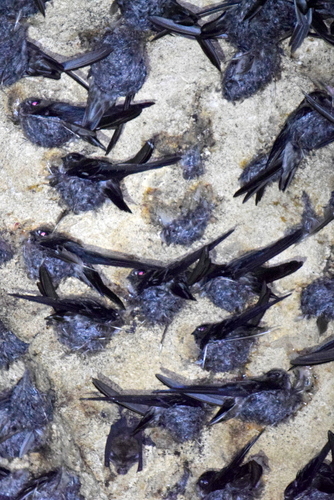
オオアナツバメ (Aerodramus maximus) オオアナツバメ
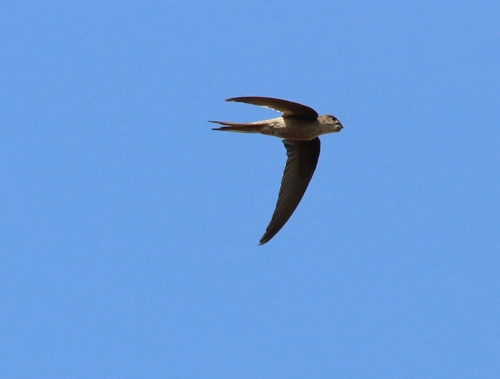
アジアヤシアマツバメ (Cypsiurus balasiensis) アジアヤシアマツバメ

メディア

読み込み中…

要点

オオアナツバメとアジアヤシアマツバメを区別する最も信頼できるフィールドマークは、構造と羽毛の組み合わせです:アジアヤシアマツバメは全体的に明らかに淡い茶色で、非常に細長く、長い翼を持ち、深く分かれた尾のシルエットをしています。一方、オオアナツバメはより暗く、よりコンパクトで、尾はそれほど深く分かれていません。飛行中、アジアヤシアマツバメは独特のブーメランまたは三日月形の翼のプロファイルと長く細い体を示し、オオアナツバメはよりずんぐりして暗く見えます。非常に長く、深く分かれた尾と淡い茶色の体色を持つツバメを見た場合、特にヤシの木や開けた土地の周りで見かけた場合、それはほぼ確実にアジアヤシアマツバメです。オオアナツバメは森林や山地の生息地にいる可能性が高く、ヤシアマツバメの極端な尾と翼の形状は持っていません。

識別のコツ

  1. Tail shape: アジアヤシアマツバメは非常に長く、深く分かれた尾を持ち、しばしば閉じた状態で保持されますが、それでもオオアナツバメよりも明らかに長く尖っています。これは成鳥に当てはまります;幼鳥は尾が短いですが、依然として分かれています。オオアナツバメの尾は短く、深く分かれていません。
  2. Wing shape: 飛行中、アジアヤシアマツバメは長く、後ろに流れる翼を持ち、三日月またはブーメランの形を形成し、非常に独特の姿勢を与えます。オオアナツバメの翼は短く、劇的に曲がっていません。
  3. Overall coloration: アジアヤシアマツバメは主に淡い茶色ですが、オオアナツバメは全体的にはるかに暗いです。このコントラストはすべての年齢と光条件で見ることができます。
  4. Body structure: アジアヤシアマツバメは非常に細長く、体が狭く、長い翼と尾を持っています。オオアナツバメはずんぐりしていて、よりコンパクトに見えます。
  5. Habitat context: アジアヤシアマツバメはほぼ常にヤシの木、開けた土地、または耕作された地域の周りで見られます。オオアナツバメは森林や山地の生息地に見られ、開けた場所やヤシが支配する地域にはめったに現れません。
  6. Perching behavior: アジアヤシアマツバメは垂直な表面(ヤシの葉など)にしかしがみつかず、地面に降りることはありません。オオアナツバメは洞窟に出入りしたり、洞窟の壁にしがみついているのが見られることがあります。
  7. Flight style: アジアヤシアマツバメは開けた場所の上を低く飛ぶことが多く、地面の近くで餌を取っているのが見られます。オオアナツバメは森林の上や洞窟の入り口の近くで高く飛んでいるのが見られる可能性が高いです。
  8. Vocalization: ツバメから大きく、鋭い悲鳴が聞こえた場合、それはおそらくアジアヤシアマツバメです。オオアナツバメの音声は診断には使えません。
  9. Nest location: アジアヤシアマツバメはヤシの葉の裏側に巣を作り、ヤシの周りでツバメを見かけた場合に視認できます。オオアナツバメは洞窟に巣を作り、通常はフィールドで視認できませんが、巣作りの行動を観察することで役立つかもしれません。
  10. Juvenile marks: 幼鳥のアジアヤシアマツバメは尾が短いですが、依然として淡い茶色で細長いです;オオアナツバメの幼鳥は詳細に記述されていませんが、成鳥のように暗くコンパクトであると予想されます。
  11. Sex differences: 両種は性別が似ているため、識別のために性別に頼らないでください。
  12. Confusion risk: 照明が悪い場合や距離がある場合は、尾の長さと分かれ、翼の形、全体の暗さと明るさに焦点を当ててください。アジアヤシアマツバメのシルエットはこの地域のツバメの中で独特です。
  13. Seasonal presence: 両種はそれぞれの範囲に常駐しているため、季節は強い区別要因ではありません。
  14. Group behavior: アジアヤシアマツバメは特にヤシの周りで群れで見られることが多いですが、オオアナツバメは洞窟や森林の端の近くで単独または小さな群れで見られることがあります。
  15. Feeding height: アジアヤシアマツバメは頻繁に低い位置で餌を取り、時には地面のすぐ上で見られます;オオアナツバメは通常、森林の樹冠の上で高く餌を取ります。

大きさ

アジアヤシアマツバメは小型のツバメで、成鳥の体重は約9.2gです [wikidata]。オオアナツバメの体重は提供されていませんが、全体的な構造は細長いアジアヤシアマツバメと比較してずんぐりしていてコンパクトです。フィールドでは、アジアヤシアマツバメは特に長い尾と翼のために、より繊細で細長く見え、オオアナツバメはより重く、尾が短いように見えます。

羽色

幼鳥のアジアヤシアマツバメは成鳥よりも尾が短いですが、それ以外は成鳥と未熟な個体は主に淡い茶色で、強いコントラストや模様はありません。彼らの翼は長く、後ろに流れ、飛行中に三日月またはブーメランの形を与えます。対照的に、オオアナツバメは全体的にずっと暗く、アジアヤシアマツバメの淡い茶色のトーンが欠けており、同じ翼や尾の形状を示しません。どちらの種にも特定の年齢に特有の上翼パターンは記述されていないため、分離は全体の暗さ(オオアナツバメ)と明るさおよび尾/翼の形状(アジアヤシアマツバメ)に依存します。

行動

アジアヤシアマツバメはほぼ常に飛んでいるのが見られ、垂直にヤシの葉にしがみつく以外はほとんど止まることはありません。彼らは開けた土地やプランテーションの上を低く飛び、しばしば地面の近くやヤシの周りで餌を取ります。オオアナツバメも空中の昆虫食者ですが、巣作りのために森林地域や洞窟により関連しています。アジアヤシアマツバメは開けた耕作された地域やヤシが豊富な環境で見られる可能性が高く、しばしば群れで見られますが、オオアナツバメは森林や山地の環境で見られる可能性が高いです。

生息環境

アジアヤシアマツバメは開けた土地、耕作、特に油ヤシに強く関連しており、しばしばヤシの葉の裏側に巣を作ります。オオアナツバメは亜熱帯または熱帯の湿った低地および山地の森林に見られ、ヤシや開けた生息地には結びついていません。ヤシのプランテーションや開けた地域でツバメを見かけた場合、アジアヤシアマツバメの可能性が高いです;密な森林や洞窟の近くでは、オオアナツバメがより良い候補です。

声

アジアヤシアマツバメは大きく、鋭い悲鳴を上げ、これはフィールドでの役立つ手がかりとなります。オオアナツバメについては音声情報が提供されていないため、声はアジアヤシアマツバメを確認するためにのみ役立ちます。

より良い説明を送る

比較と同じ項目を使ってください。文章はすぐに公開されます。

The most reliable field mark to separate Black-nest Swiftlet from Asian Palm Swift is the combination of structure and plumage: Asian Palm Swift is noticeably paler brown overall, with a very slender, long-winged, and deeply forked-tailed silhouette, while Black-nest Swiftlet is darker and more compact, with a less deeply forked tail. In flight, Asian Palm Swift shows a distinctive boomerang or crescent-shaped wing profile and a long, narrow body, whereas Black-nest Swiftlet appears chunkier and darker. If you see a swift with a very long, deeply forked tail and pale brown coloration, especially around palms or open country, it is almost certainly Asian Palm Swift. Black-nest Swiftlet is more likely in forested or montane habitats and lacks the extreme tail and wing shape of the palm swift.

  1. Tail shape: Asian Palm Swift has a very long, deeply forked tail, often held closed but still noticeably longer and more pointed than Black-nest Swiftlet. This is true for adults; juveniles have shorter tails but still show a fork. Black-nest Swiftlet's tail is shorter and less deeply forked.
  2. Wing shape: In flight, Asian Palm Swift shows long, swept-back wings forming a crescent or boomerang shape, giving a very distinctive jizz. Black-nest Swiftlet's wings are shorter and less dramatically curved.
  3. Overall coloration: Asian Palm Swift is mainly pale brown, while Black-nest Swiftlet is much darker overall. This contrast is visible in all ages and light conditions.
  4. Body structure: Asian Palm Swift is very slender and elongated, with a narrow body and long wings and tail. Black-nest Swiftlet appears chunkier and more compact.
  5. Habitat context: Asian Palm Swift is almost always seen around palms, open country, or cultivated areas. Black-nest Swiftlet is found in forests and montane habitats, rarely in open or palm-dominated areas.
  6. Perching behavior: Asian Palm Swift only clings to vertical surfaces (like palm leaves) and never settles on the ground. Black-nest Swiftlet may be seen entering or leaving caves or clinging to cave walls.
  7. Flight style: Asian Palm Swift often flies low over open areas and can be seen feeding near the ground. Black-nest Swiftlet is more likely to be seen higher over forests or near cave entrances.
  8. Vocalization: If you hear a loud, shrill scream from a swift, it is likely Asian Palm Swift. Lack of vocalization is not diagnostic for Black-nest Swiftlet.
  9. Nest location: Asian Palm Swift builds its nest on the underside of palm leaves, visible if you see swifts around palms. Black-nest Swiftlet nests in caves, which is not usually visible in the field but may help if you observe nesting behavior.
  10. Juvenile marks: Juvenile Asian Palm Swifts have shorter tails but are still pale brown and slender; Black-nest Swiftlet juveniles are not described in detail but are expected to be dark and compact like adults.
  11. Sex differences: Both species have similar sexes, so do not rely on sex for identification.
  12. Confusion risk: In poor light or at distance, focus on tail length and fork, wing shape, and overall darkness versus paleness. Asian Palm Swift's silhouette is unique among swifts in the region.
  13. Seasonal presence: Both species are resident in their ranges, so season is not a strong separator.
  14. Group behavior: Asian Palm Swifts often occur in flocks, especially around palms; Black-nest Swiftlet may be seen singly or in smaller groups near caves or forest edges.
  15. Feeding height: Asian Palm Swift frequently feeds low, sometimes just above ground level; Black-nest Swiftlet usually feeds higher over forest canopy.

Asian Palm Swift is a small swift, with an adult body mass around 9.2g [wikidata]. Black-nest Swiftlet's mass is not provided, but its overall structure is chunkier and more compact compared to the slender, elongated Asian Palm Swift. In the field, Asian Palm Swift will appear more delicate and elongated, especially due to its long tail and wings, while Black-nest Swiftlet will look heavier and shorter-tailed.

Juvenile Asian Palm Swifts have shorter tails than adults, but otherwise, both adults and immatures are mainly pale brown and lack strong contrast or markings. Their wings are long and swept back, giving a crescent or boomerang shape in flight. Black-nest Swiftlet, by contrast, is overall much darker, lacking the pale brown tones of Asian Palm Swift, and does not show the same wing or tail shape. No distinctive age-specific upperwing pattern is described for either species, so separation relies on overall darkness (Black-nest Swiftlet) versus paleness and tail/wing shape (Asian Palm Swift) in all plumages.

Asian Palm Swifts are almost always seen on the wing, rarely perching except clinging vertically to palm leaves. They feed low over open country and plantations, often near the ground and around palms. Black-nest Swiftlets are also aerial insectivores but are more associated with forested areas and caves for nesting. Asian Palm Swifts are more likely to be seen in open, cultivated, or palm-rich environments, often in flocks, while Black-nest Swiftlet is more likely in forested or montane settings.

Asian Palm Swift is strongly associated with open country, cultivation, and especially oil palms, often nesting on the underside of palm leaves. Black-nest Swiftlet is found in subtropical or tropical moist lowland and montane forests, and is not tied to palms or open habitats. If you see a swift in a palm plantation or open area, Asian Palm Swift is much more likely; in dense forest or near caves, Black-nest Swiftlet is the better candidate.

Asian Palm Swift gives a loud, shrill scream, which can be a helpful clue in the field. There is no vocalization information provided for Black-nest Swiftlet, so voice is only useful for confirming Asian Palm Swift.

変更を破棄しますか?

保存していない編集があります。今離れると失われます。

オオアナツバメ · アジアヤシアマツバメ · 苦手な鳥