

Motmot

コウライウグイス 対 ミナミコウライウグイス

Oriolus chinensis 対 Oriolus tenuirostris

コウライウグイスとミナミコウライウグイスのクイズ
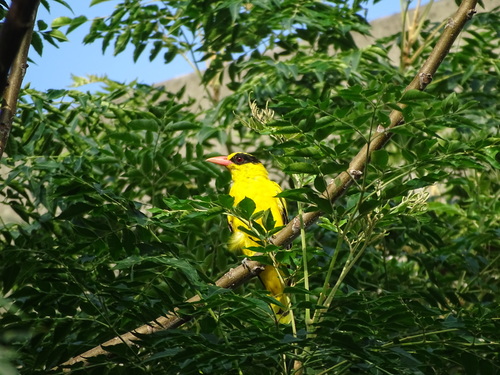
コウライウグイス (Oriolus chinensis) コウライウグイス
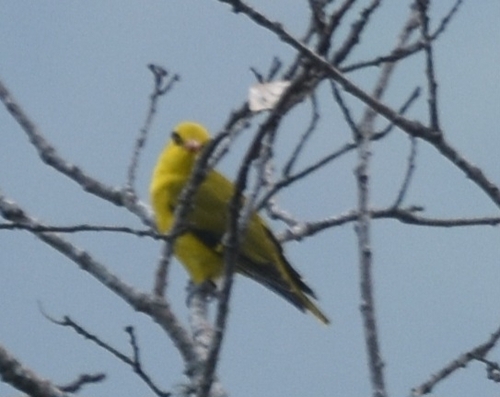
ミナミコウライウグイス (Oriolus tenuirostris) ミナミコウライウグイス

メディア

読み込み中…

要点

ブラックナペドオリオとスレンダービルドオリオを区別する最も信頼できるフィールドマークは、広い黒いマスクと後頭部です:ブラックナペドオリオは、後ろの首で広がり合流する顕著な黒いストライプを示し、完全な「後頭部」バンドを形成しますが、スレンダービルドオリオにはこの特徴がありません。両種はサイズと全体的な黄金色の黄色において似ていますが、ブラックナペドオリオは強いピンク色のくちばしを示す可能性が高く、雌や幼鳥では、背中と尾により緑がかったまたはオリーブ色のトーンが見られます。幼鳥のブラックナペドオリオはストライプのある腹部を示し、スレンダービルドにはこの特徴は記載されていません。生息地の重複は可能ですが、スレンダービルドオリオは森林の丘や山により制限されており、ブラックナペドは庭を含むより広範な森林生息地でよく見られます。呼び声や歌は異なる場合がありますが、フィールドでの区別は羽毛と構造に基づくのが最良です。

識別のコツ

  1. 広い黒い後頭部バンド(成鳥ブラックナペド): 後ろの首で広がり合流する黒いストライプを探してください。これはブラックナペドオリオの診断的な特徴であり、スレンダービルドにはありません。
  2. 幼鳥のストライピング(ブラックナペド): 幼鳥のブラックナペドオリオはストライプのある腹部と鈍い緑がかった上面を持ち、茶色のストライプがあります。スレンダービルドの幼鳥はストライプがあるとは記載されていないため、ストライプのある若いオリオはおそらくブラックナペドです。
  3. くちばしの色: ブラックナペドオリオは通常、強いピンク色のくちばしを持ち、良い光の中で有用なマークになる可能性があります。くちばしの形は異なる場合があり、スレンダービルドはより細いくちばしを持つ可能性がありますが、これはソースには詳細が記載されていません。
  4. 雌/未成熟の背中と尾: 雌および一部の未成熟なブラックナペドオリオは、特に南部の個体で緑がかったまたはオリーブ色の背中と尾を示します。スレンダービルドにはこの特徴があるとは記載されていません。
  5. 尾のパターン(ブラックナペド): 中央の尾羽は黄色の先端を持ち、側面のものはブラックナペドでより広く黄色です。スレンダービルドの尾のパターンは記載されていないため、これは補助的なマークになる可能性があります。
  6. 翼のパターン: 一部のブラックナペドの亜種では、翼はすべて黒で、黄色の一次覆羽のパッチがあります。これはスレンダービルドには言及されていません。
  7. 生息地の文脈: ブラックナペドオリオは庭、都市公園、さまざまな森林生息地で一般的です。スレンダービルドは森林の丘や山により制限されています。都市や開けた森林で見られた場合、ブラックナペドの可能性がはるかに高いです。
  8. 飛行スタイル: ブラックナペドオリオはダイビング飛行で知られています。これはスレンダービルドには記載されていませんが、微妙な行動の手がかりになるかもしれません。
  9. 声: ブラックナペドオリオは鼻にかかった「ニイー」または「ミャー」とフルートのような歌を発します。スレンダービルドの声は記載されていないため、両方に慣れている場合のみ使用してください。
  10. 地理的範囲: 東南アジアでは範囲が重なりますが、ブラックナペドはより広範で適応性があり、スレンダービルドは森林地域により局所的です。
  11. 性差異: 両種はある程度の性差を示しますが、ブラックナペドの雌だけが背中と尾により緑がかったまたはオリーブ色であると記載されています。
  12. 亜種の変異(ブラックナペド): 一部のブラックナペドの亜種(例:アンダマン、ニコバル)は、すべて黒い翼や非常に広い後頭部バンドを示し、これは印象的です。スレンダービルドにはそのような変異は記載されていません。
  13. 羽毛の明るさ: ブラックナペドオリオは黄色の明るさに地理的変異を示し、南部の鳥は鈍く緑がかっています。スレンダービルドの羽毛の変異は記載されていません。
  14. 落とし穴: 両種はサイズと全体的な黄金色の外観が似ています。全体の色やサイズに頼る前に、黒い後頭部バンドと幼鳥のストライピングを必ず確認してください。
  15. 疑わしい場合: 鳥が黒い後頭部バンドを欠き、下部がストライプされておらず、深い森林にいる場合、スレンダービルドの可能性が高くなりますが、範囲の重複と微妙な個体差に注意してください。

大きさ

両種はサイズがほぼ同じで、平均体重は82グラムです[wikidata]。フィールドでの区別に信頼できる全体の長さ、体格、または比率の違いは記載されていません。くちばしのサイズは微妙に異なる場合がありますが、スレンダービルドという名前が示すように、これは利用可能なソースには詳細が記載されていません。

羽色

幼鳥のブラックナペドオリオは、ストライプのある腹部と茶色のストライプがある鈍い緑がかった上面、さらに黄色がかった頭部と尾羽の覆羽で特徴的です。このストライピングはスレンダービルドオリオの幼鳥には記載されていないため、ストライプのある黄色がかった幼鳥のオリオはおそらくブラックナペドです。成鳥のオスのブラックナペドオリオは、後頭部で広がり合流する広い黒いマスクを示しますが、スレンダービルドにはこの特徴がありません。雌のブラックナペドオリオは、特に南部の個体で、背中と尾により緑がかったまたはオリーブ色であり、翼の二次覆羽に黄色の斑点がない場合がありますが、スレンダービルドにはそのような変異は記載されていません。ブラックナペドオリオの翼は、いくつかの亜種で黄色の一次覆羽のパッチを持つすべて黒ですが、これはスレンダービルドには詳細が記載されていません。ブラックナペドの尾のパターン:中央の羽は黄色の先端を持ち、側面のものはより広く黄色です。スレンダービルドにはそのような詳細は記載されていません。要約すると、黒い後頭部バンドとストライプのある幼鳥はブラックナペドの強い手がかりです。

行動

両種は樹冠に生息するオリオで、しばしば木の上層を移動しているのが見られます。ブラックナペドオリオはダイビング飛行で知られており、観察が良ければ区別に役立つかもしれませんが、スレンダービルドには記載されていません。採餌行動は似ており、両方とも果物や昆虫を食べます。ブラックナペドオリオは庭や開けた森林地域で見られる可能性が高く、スレンダービルドはより厳密に森林種です。

生息環境

ブラックナペドオリオは、アジア全体のさまざまな森林生息地、森林、庭、都市公園で見られ、シンガポールのような場所では都市の庭でも一般的です。スレンダービルドオリオは、特に東ヒマラヤや東南アジアの亜熱帯または熱帯の湿った低地および山地の森林により制限されており、開けたまたは都市の生息地で見られる可能性は低くなります。都市公園や庭で見られた場合、ブラックナペドの可能性がはるかに高いです。

声

ブラックナペドオリオの通常の呼び声は鼻にかかった「ニイー」または「ミャー」で、歌はフルートのような「イウィイウィイウィリャオ」です。一部のブラックナペドの亜種の呼び声はかなり異なると言われており、ニコバルの個体群はより調整された音を持っています。スレンダービルドオリオの特定の声の記述はソースにはないため、観察者が両種のレパートリーに慣れていない限り、声は信頼できる区別にはなりません。

より良い説明を送る

比較と同じ項目を使ってください。文章はすぐに公開されます。

The most reliable field mark to separate Black-naped Oriole from Slender-billed Oriole is the broad black mask and nape: Black-naped Oriole shows a conspicuous black stripe that widens and joins at the back of the neck, forming a full 'nape' band, while Slender-billed Oriole lacks this feature. Both species are similar in size and overall golden-yellow coloration, but Black-naped Oriole is more likely to show a strong pinkish bill and, in females and juveniles, more greenish or olive tones on the mantle and tail. Juvenile Black-naped Orioles also show a streaked underside, which is not described for Slender-billed. Habitat overlap is possible, but Slender-billed Oriole is more restricted to forested hills and mountains, while Black-naped is often found in a wider range of wooded habitats, including gardens. Calls and songs may differ, but field separation is best based on plumage and structure.

  1. Broad black nape band (adult Black-naped): Look for a black stripe that widens and joins at the back of the neck, forming a full collar—this is diagnostic for Black-naped Oriole and absent in Slender-billed.
  2. Juvenile streaking (Black-naped): Juvenile Black-naped Orioles have a streaked underside and dull greenish upperparts with brown streaks; Slender-billed juveniles are not described as streaked, so any streaked young oriole is likely Black-naped.
  3. Bill color: Black-naped Oriole typically has a strong pinkish bill, which may be a useful mark in good light. Bill shape may differ, with Slender-billed possibly having a more slender bill, but this is not detailed in the sources.
  4. Female/immature mantle and tail: Female and some immature Black-naped Orioles show a greenish or olive mantle and tail, especially in southern populations. Slender-billed is not described as having this feature.
  5. Tail pattern (Black-naped): Central tail feathers tipped yellow, lateral ones more broadly yellow in Black-naped; tail pattern for Slender-billed is not described, so this may be a supporting mark.
  6. Wing pattern: In some Black-naped subspecies, wings are all black with a yellow primary covert patch; this is not mentioned for Slender-billed.
  7. Habitat context: Black-naped Oriole is common in gardens, urban parks, and a wide range of wooded habitats; Slender-billed is much more restricted to forested hills and mountains. If seen in a city or open woodland, Black-naped is far more likely.
  8. Flight style: Black-naped Oriole is noted for a dipping flight; this is not described for Slender-billed, but may be a subtle behavioral clue.
  9. Voice: Black-naped Oriole gives a nasal 'niee' or 'myaa' and a fluty song; Slender-billed's voice is not described, so only use this if you are already familiar with both.
  10. Geographic range: While ranges overlap in Southeast Asia, Black-naped is more widespread and adaptable, while Slender-billed is more localized to forested regions.
  11. Sexual dimorphism: Both species show some sexual variation, but only Black-naped females are described as more greenish or olive on the back and tail.
  12. Subspecies variation (Black-naped): Some Black-naped subspecies (e.g., Andaman, Nicobar) show all-black wings or a very broad nape band, which can be striking; no such variation is described for Slender-billed.
  13. Plumage brightness: Black-naped Oriole shows geographic variation in yellow brightness, with southern birds duller and more greenish; Slender-billed's plumage variation is not described.
  14. Pitfalls: Both species are similar in size and overall golden coloration; always check for the black nape band and juvenile streaking before relying on overall color or size.
  15. When in doubt: If the bird lacks a black nape band, is not streaked below, and is in deep forest, Slender-billed becomes more likely—but beware of range overlap and subtle individual variation.

Both species are nearly identical in size, with an average body mass of 82 grams [wikidata]. There are no described differences in overall length, bulk, or proportions that would be reliable for field separation. Bill size may differ subtly, as the name 'Slender-billed' suggests, but this is not detailed in the available sources.

Juvenile Black-naped Orioles are distinctive with a streaked underside and dull greenish upperparts with brown streaks, plus yellowish head and undertail coverts. This streaking is not described for Slender-billed Oriole juveniles, so a streaked, yellowish juvenile oriole is likely Black-naped. Adult male Black-naped Orioles show a broad black mask that widens and joins at the nape, forming a full collar, while Slender-billed lacks this feature. Female Black-naped Orioles are more greenish or olive on the mantle and tail, especially in southern populations, and may lack yellow spots on the wing secondaries, while no such variation is described for Slender-billed. The wings of Black-naped Oriole are all black with a yellow primary covert patch in some subspecies, but this is not detailed for Slender-billed. Tail pattern in Black-naped: central feathers tipped yellow, lateral ones more broadly yellow; no such detail is given for Slender-billed. In summary, the black nape band and any streaked juvenile are strong clues for Black-naped.

Both species are canopy-dwelling orioles, often seen moving through the upper levels of trees. Black-naped Oriole is noted for a dipping flight, which may help in separation if observed well, but this is not described for Slender-billed. Feeding behavior is similar, with both taking fruit and insects. Black-naped Oriole is more likely to be seen in gardens and open wooded areas, while Slender-billed is more strictly a forest species.

Black-naped Oriole is found in a wide range of wooded habitats across Asia, including forests, gardens, and urban parks, and is often common even in city gardens in places like Singapore. Slender-billed Oriole is more restricted to subtropical or tropical moist lowland and montane forests, especially in the eastern Himalayas and Southeast Asia, and is less likely to be found in open or urban habitats. If seen in a city park or garden, Black-naped is much more likely.

The usual call of Black-naped Oriole is a nasal 'niee' or 'myaa', and the song is a fluty 'iwee wee wee-leeow'. Calls of some Black-naped subspecies are said to be quite different, with the Nicobar population having a more modulated note. No specific vocal description is available for Slender-billed Oriole in the sources, so voice is not a reliable separation unless the observer is familiar with both species' repertoires.

変更を破棄しますか?

保存していない編集があります。今離れると失われます。

コウライウグイス · ミナミコウライウグイス · 苦手な鳥