

Motmot

ズグロハタオリ 対 オウゴンチョウ

Ploceus melanocephalus 対 Euplectes afer

ズグロハタオリとオウゴンチョウのクイズ
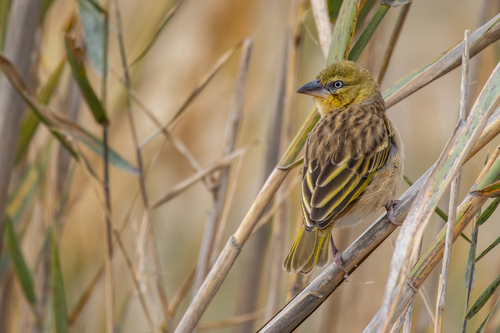
ズグロハタオリ (Ploceus melanocephalus) ズグロハタオリ
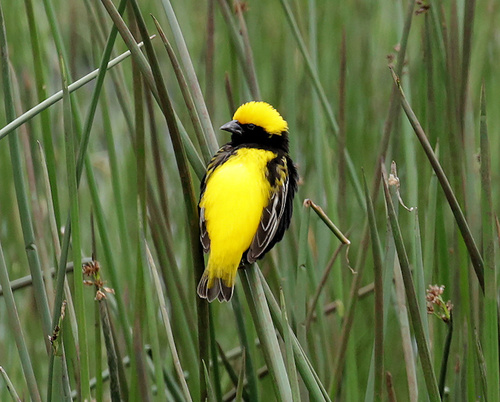
オウゴンチョウ (Euplectes afer) オウゴンチョウ

メディア

読み込み中…

要点

最も信頼できるフィールドマークは、繁殖期のオスの頭部パターンです:ズグロハタオリのオスは、黄色の襟を持つ真っ黒な頭を持ち、オウゴンチョウのオスは、鮮やかな黄色の冠と後頭部を持ち、はっきりとした黒い顔、喉、腹部を示します。繁殖期以外では、両種はより難しくなります。雌と非繁殖のオスは地味で縞模様ですが、オウゴンチョウは常にズグロハタオリの暗い目とくちばしを欠いています。飛行中または静止中、オウゴンチョウは小さくてコンパクトで、尾が短く、より丸みを帯びたフィンチのような形をしているのに対し、ズグロハタオリは長くて細身に見えます。幼鳥と非繁殖の鳥は最も混同されやすいですが、頭の色、くちばし、腹部のトーンに注意を払うことで区別できます。

識別のコツ

  1. 繁殖期のオスの頭部パターン: ズグロハタオリのオスは、黄色の襟を持つ真っ黒な頭と顔を持ち、オウゴンチョウのオスは、はっきりとした黒い顔と腹部を持つ明るい黄色の冠と後頭部を持っています。これは繁殖期における最も信頼できるフィールドマークです。
  2. 繁殖期のオスの腹部の色: ズグロハタオリのオスは、少し栗色の洗いがかかった淡い黄色の腹部を持ち、オウゴンチョウのオスは黒い腹部を持っています。
  3. 背中とマント: ズグロハタオリは無地の緑がかったマントを示し、オウゴンチョウは黄色い尾と背中を持ちますが、翼と尾は茶色です。
  4. くちばしの色(季節による): 繁殖期には、オウゴンチョウのオスは黒いくちばしを持ち、非繁殖期や雌では、くちばしは角色です。ズグロハタオリの雌と非繁殖のオスは、年間を通じて暗いくちばしを持っています。
  5. 目の色: 雌と非繁殖のズグロハタオリは、目が明らかに暗いですが、オウゴンチョウの目はそれほど目立ちません。
  6. 非繁殖期/雌の胸と腹部: ズグロハタオリは淡い胸の羽毛を示し、オウゴンチョウは下部がオフホワイトで、細かい暗い縞模様があります。
  7. 非繁殖期/雌の顔のパターン: オウゴンチョウは、より淡い眉毛とよりはっきりした顔のコントラストを持ち、ズグロハタオリはより地味な顔をしています。
  8. サイズと構造: オウゴンチョウは小さく、よりコンパクトで、尾が短く、フィンチのような形をしています。ズグロハタオリは大きく、尾が長く、より細長いです。
  9. 飛行スタイル: オウゴンチョウの飛行は弾むようで直接的で、しばしば草原の上を密集した群れで飛びます。ズグロハタオリは、木の間や水の上を飛ぶ可能性が高く、翼の動きはより安定しています。
  10. 生息地の文脈: 開けた草原や農地で見られた場合、特に木から離れている場合、オウゴンチョウの可能性が高いです。水の近くやアカシアの木の中、特にコロニーで見られた場合は、ズグロハタオリが好まれます。
  11. 上翼のパターン(幼鳥/未熟鳥): どちらの種にも特有の上翼のマークは見られないため、若い鳥の構造と微妙な羽毛の手がかりに頼ってください。
  12. 脚と足の色: オウゴンチョウは淡い茶色の脚と足を持ち、よく見られた場合には微妙な補助マークとなることがあります。
  13. 巣作りの行動: ズグロハタオリは、水の上の木に巣を編んでいるのがよく見られ、オウゴンチョウは決してそうしません。
  14. 落とし穴: 両種の非繁殖のオスと雌は縞模様で茶色ですが、オウゴンチョウは下部がより淡く、よりはっきりした淡い眉毛を持っています。ズグロハタオリはより淡い色合いで、顔は地味で、くちばしと目は暗いです。
  15. 季節による混乱: 繁殖期以外では、両種は鮮やかな色を失うため、くちばしの色、目の色、腹部のトーン、生息地に焦点を当てて区別してください。

大きさ

オウゴンチョウはズグロハタオリよりも明らかに小さく、軽いです。オウゴンチョウは体重が約14.5g [wikidata]で、長さはわずか95〜105mm [wikipedia]です。これにより、明らかによりコンパクトでフィンチのような外観を持っています。ズグロハタオリは大きく、より細長く、尾が長く、体格が重いですが、ここでは正確な測定値は提供されていません。混合群れや並んでいる場合、サイズの違いは通常明らかで、特に飛行中に顕著です。

羽色

行動

オウゴンチョウは開けた草原で見られる可能性が高く、しばしば草の茎に目立って止まったり、密集した弾むような群れで飛んだりします。彼らの飛行は弾むようで直接的で、急速な翼の動きと短い尾を持っています。ズグロハタオリはより樹上性で、特に水の近くのアカシアの木の中または近くで見られ、開けた草原では見られる可能性が低いです。ハタオリはより慎重に動く傾向があり、コロニーで巣を編んでいるのが見られることがあります。

生息環境

ズグロハタオリは湿ったサバンナを好み、しばしば水の近くにあり、特に水の上や陸から離れた木(特にアカシア)に巣を作ることが多いです。オウゴンチョウは、草原、湿地の端、雑草の生えた畑、農業地域(小麦やソルガムの畑など)で見られることが多いです。オウゴンチョウは木にあまり依存せず、開けた草地で見られる可能性が高いです。

より良い説明を送る

比較と同じ項目を使ってください。文章はすぐに公開されます。

The most reliable field mark is the male's head pattern in breeding season: Black-headed Weaver males have a solid black head with a yellow collar, while Yellow-crowned Bishop males show a brilliant yellow crown and nape with a sharply defined black face, throat, and underparts. Outside the breeding season, both species become trickier, as females and non-breeding males are drab and streaky, but the Bishop always lacks the Weaver's dark eye and bill. In flight or at rest, the Bishop is smaller and more compact, with a shorter tail and a more rounded, finch-like jizz, while the Weaver appears longer and more slender. Juvenile and non-breeding birds are most often confused, but careful attention to head color, bill, and underpart tone will separate them.

  1. Breeding male head pattern: Black-headed Weaver males have a solid black head and face with a yellow collar, while Yellow-crowned Bishop males have a bright yellow crown and nape with a sharply defined black face and underparts. This is the single most reliable field mark in breeding season.
  2. Underpart color in breeding males: Weaver males have pale yellow underparts with some chestnut wash; Bishop males have black underparts.
  3. Back and mantle: Weaver shows a plain greenish mantle; Bishop has a yellow rump and back but brown wings and tail.
  4. Bill color (seasonal): In breeding season, Bishop males have a black bill; in non-breeding and in females, the bill is horn-colored. Weaver females and non-breeding males have a darker bill year-round.
  5. Eye color: Female and non-breeding Weaver have a noticeably dark eye, while Bishop's is less striking.
  6. Breast and underparts in non-breeding/female: Weaver shows buffy breast plumage; Bishop is off-white below with fine dark streaks.
  7. Facial pattern in non-breeding/female: Bishop has a paler eyebrow and more pronounced facial contrast; Weaver is plainer-faced.
  8. Size and structure: Bishop is smaller, more compact, with a shorter tail and a rounder, finch-like shape. Weaver is larger, longer-tailed, and more elongated.
  9. Flight style: Bishop's flight is bouncy and direct, often in tight flocks over grassland. Weaver is more likely to fly between trees or over water, with steadier wingbeats.
  10. Habitat context: If seen in open grassland or agricultural fields, especially away from trees, Bishop is more likely. If seen near water or in Acacia trees, especially in colonies, Weaver is favored.
  11. Upperwing pattern (juveniles/immatures): No distinctive upperwing marks are noted for either species, so rely on structure and subtle plumage cues in young birds.
  12. Leg and foot color: Bishop has pinkish brown legs and feet, which can be a subtle supporting mark if seen well.
  13. Nesting behavior: Weaver is often seen weaving nests in trees over water, which is never shown by Bishop.
  14. Pitfalls: Non-breeding males and females of both species are streaky and brown, but Bishop is paler below and has a more pronounced pale eyebrow; Weaver is buffier and plainer-faced with a darker bill and eye.
  15. Seasonal confusion: Outside the breeding season, both species lose their bold colors, so focus on bill color, eye color, underpart tone, and habitat for separation.

Yellow-crowned Bishop is distinctly smaller and lighter than Black-headed Weaver. The Bishop averages about 14.5 g in body mass [wikidata], and is only 95–105 mm in length [wikipedia], giving it a noticeably more compact, finch-like appearance. The Weaver is larger and more elongated, with a longer tail and a heavier build, though exact measurements are not provided here. In mixed flocks or side-by-side, the size difference is usually apparent, especially in flight.

  • Breeding males:
  • Black-headed Weaver: Striking black head and face with a yellow nuchal collar (back of neck), plain greenish mantle, and pale yellow underparts variably suffused with chestnut. No yellow on the crown or forehead. [wikipedia]
  • Yellow-crowned Bishop: Brilliant yellow crown, forehead, and hindcrown, with a sharply defined black lower face, throat, breast, and belly. Wide black collar on the back of the neck, yellow patch on shoulder, yellow rump and back, brown wings and tail. [wikipedia]
  • Females and non-breeding males:
  • Black-headed Weaver: Lack black head; resemble female masked weaver but have dark eyes and a darker bill. Buffy breast plumage, plain greenish upperparts. [wikipedia]
  • Yellow-crowned Bishop: Pale brown upperparts with darker streaking, paler eyebrow, off-white underparts with fine dark streaks on breast and flanks. Bill is horn-colored, legs and feet pinkish brown. [wikipedia]
  • Juveniles/immatures:
  • Both species are streaky and brownish, but the Bishop is paler below and has a more pronounced pale eyebrow. The Weaver's darker bill and eye, and buffier breast, are subtle but useful.

Yellow-crowned Bishop is more likely to be seen in open grasslands, often perching conspicuously on grass stems or flying in tight, bouncing flocks. Their flight is bouncy and direct, with rapid wingbeats and short tail. Black-headed Weaver is more arboreal, often seen in or near Acacia trees, especially near water, and is less likely to be found in open grassland. Weavers tend to move more deliberately and may be seen weaving nests in colonies.

Black-headed Weaver prefers damp savanna, often near water and frequently nesting in trees (especially Acacia) that are situated over water or away from land to deter predators. Yellow-crowned Bishop is more often found in grasslands, marsh edges, weedy fields, and agricultural areas like wheat and sorghum fields. Bishops are less tied to trees and more likely to be seen in open, grassy habitats.

変更を破棄しますか?

保存していない編集があります。今離れると失われます。

ズグロハタオリ · オウゴンチョウ · 苦手な鳥