

Motmot

ズグロチャキンチョウ 対 シマアオジ

Emberiza melanocephala 対 Emberiza aureola

ズグロチャキンチョウとシマアオジのクイズ
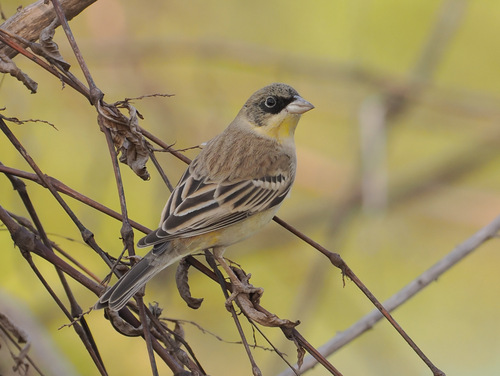
ズグロチャキンチョウ (Emberiza melanocephala) ズグロチャキンチョウ
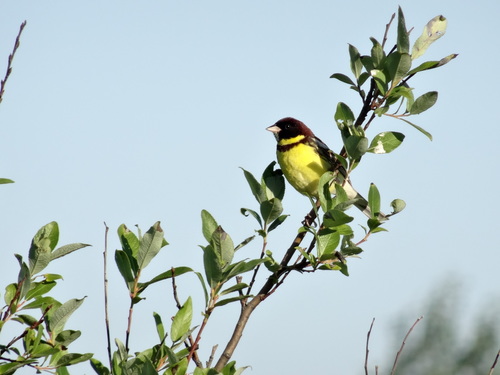
シマアオジ (Emberiza aureola) シマアオジ

メディア

読み込み中…

要点

ズグロチャキンチョウとシマアオジの最も信頼できる区別は、成鳥の繁殖オスにあります:ズグロチャキンチョウは目を引く黒いフードと明るい黄色の腹部、栗色の背中を示しますが、シマアオジは黒い顔と喉のバー、黒い側面の縞模様のある白い腹部、そしてピンクの下顎を持っています。雌と幼鳥ははるかに難しいですが、ズグロチャキンチョウは通常、腹部により多くの黄色があり、下部の縞模様が少ない傾向があります。一方、シマアオジの雌と幼鳥はより多くの縞模様があり、顔がより淡い色合いです。両種は構造とサイズが似ていることがありますが、ズグロチャキンチョウは平均してわずかに重く、尾が長いです。特に非繁殖期や若い鳥において、頭の模様、腹部の色、縞模様に注意を払ってください。

識別のコツ

  1. Adult breeding male ズグロチャキンチョウ: フルの黒いフード、明るい黄色の腹部、栗色の背中を探してください。この組み合わせは地域のチャキンチョウの中でユニークです。
  2. Adult breeding male シマアオジ: 黒い顔と喉のバー(フルのフードではない)、白い腹部で太い黒い側面の縞模様、そしてピンクの下顎に注意してください。背中は茶色で、栗色ではありません。
  3. Female and immature ズグロチャキンチョウ: 全体的に淡い色で、灰色がかった頭、黄色の腹部、下部の縞模様が少ないです。初年度のオスは灰色の冠と栗色と灰色の混合の背中を示すことがあります;初年度の雌は下背部よりも冠により多くの縞模様があります。
  4. Female and immature シマアオジ: 背中と腹部に強い縞模様があり、暗い冠、目、頬の縞模様がある白っぽい顔を持っています。幼鳥は全体的に淡い色で、特に顔と腹部により多くの縞模様があります。
  5. Yellow vent (ズグロチャキンチョウ): すべての年齢で、黄色の腹部はズグロチャキンチョウの有用な特徴であり、特にシマアオジのより淡い、より縞模様のある腹部と比較すると役立ちます。
  6. Head pattern: ズグロチャキンチョウの雌と幼鳥はより単純で灰色がかった頭を持っています;シマアオジの雌と幼鳥はより対照的で、暗い縞模様のある顔を持っています。
  7. Underpart streaking: シマアオジ(成鳥のオスを除くすべての年齢)は、特に側面と胸において、下部により強い縞模様があります。ズグロチャキンチョウは縞模様が少なく、よりきれいな黄色または淡い腹部を持っています。
  8. Bill color: 成鳥のオスのシマアオジはピンクの下顎を持ち、近距離での微妙ですが役立つ特徴です。
  9. Back color: ズグロチャキンチョウのオスは豊かな栗色の背中を持っています;シマアオジは茶色の背中を持ち、決して栗色ではありません。
  10. Tail and structure: ズグロチャキンチョウはわずかにがっしりしていて尾が長いですが、これは微妙で、直接比較で最もよく使用されます。
  11. Habitat and range: 東南ヨーロッパからイランにかけて、特に乾燥した草原や農地にいる場合、ズグロチャキンチョウの可能性が高いです。北ユーラシア、特に湿った草地や葦原ではシマアオジが期待されます。
  12. Flock composition: 両種は群れを形成しますが、混合群れは移動や冬季の範囲が重なる地域以外ではまれです。
  13. Voice: ズグロチャキンチョウの歌は大きくて厳しく、急に止まります;シマアオジの歌はここでは説明されていないので、他の情報源から知られていない限り、声に頼って区別しないでください。
  14. Season and molt: 両種は年に2回の換羽を行いますが、これはフィールドでの識別には役立ちません。
  15. Beware hybrids: 北イランではズグロチャキンチョウとチャキンチョウのハイブリッドが発生しますが、シマアオジとは発生しません;混乱は鈍い雌と幼鳥で最も可能性が高いので、腹部の色と顔の模様に焦点を当ててください。

大きさ

ズグロチャキンチョウはシマアオジ(17–26 g)よりもわずかに重い(28 g)とされ、尾が長い葦チャキンチョウよりも大きいとされています。シマアオジはその属にしては大きく、がっしりしたチャキンチョウで、長さは14–16 cmです。フィールドでは、両者はサイズが似て見えることがありますが、ズグロチャキンチョウは特に止まっているときに、少しがっしりしていて尾が長く見えることがあります。

羽色

成鳥の繁殖オスの場合、ズグロチャキンチョウはフルの黒いフード、明るい黄色の腹部、豊かな栗色の背中で目立ちます。シマアオジのオスは黒い顔と喉のバー(フルのフードではない)、太い黒い側面の縞模様のある白い腹部、そしてピンクがかった下顎を持っています。両種の雌と幼鳥ははるかに目立たない:ズグロチャキンチョウの雌は淡い色で、灰色がかった頭と黄色の腹部を持ち、シマアオジの雌は背中と腹部により強い縞模様があり、暗い冠、目、頬の縞模様がある白っぽい顔を持っています。幼いズグロチャキンチョウは黄色の腹部と下部の縞模様が少ないですが、幼いシマアオジは全体的に淡い色で、特に腹部と顔により多くの縞模様があります。初年度のズグロチャキンチョウのオスは灰色の冠と背中に栗色と灰色の混合を示し、初年度の雌は下背部よりも冠により多くの縞模様があり、黄色の腹部を持っています。これらの年齢に対する特異な上翼や飛行パターンの違いは説明されていません。

行動

両種は典型的なチャキンチョウで、開けた場所で群れで採餌しているのがよく見られます。ズグロチャキンチョウは特に繁殖期以外に草原で群れを形成することで知られ、両種は主に種を食べ、幼鳥に餌を与えるときには昆虫に切り替えます。フィールドで診断的な主要な行動の違いは強調されていません。

生息環境

ズグロチャキンチョウは東南ヨーロッパからイランで繁殖し、開けた草原や農業地域を好み、主にインドと東南アジアで越冬します。シマアオジは北ユーラシアで繁殖し、さらに南で越冬し、ボレアルおよび東パレアルクティック全体に分布しています。両者は開けた土地で見られることがありますが、ズグロチャキンチョウはより乾燥した草原や農地に関連し、シマアオジは繁殖範囲内の湿った草地、湿地の縁、葦原を好みます。移動や南アジアの越冬地以外では重複は考えにくいです。

声

ズグロチャキンチョウの歌は大きくて厳しいストローフで、いくつかの明確で濁った音があり、急に終わります;その冬の呼び声は単音のツイートまたは柔らかい「ズリット」です。これらのメモにはシマアオジの特定の声の説明はありませんので、提供された情報に基づいて声に頼って区別することはできません。

より良い説明を送る

比較と同じ項目を使ってください。文章はすぐに公開されます。

The most reliable separation between Black-headed Bunting and Yellow-breasted Bunting is in adult breeding males: Black-headed shows a striking black hood and bright yellow underparts with a chestnut back, while Yellow-breasted has a black face and throat bar, white underparts with black flank streaks, and a pink lower mandible. Females and immatures are much trickier, but Black-headed tends to have more yellow on the vent and less streaking below, while Yellow-breasted females and juveniles are more heavily streaked and have a buffier face. Both species can be similar in structure and size, but Black-headed averages slightly heavier and longer-tailed. Pay close attention to head pattern, underpart color, and streaking, especially in non-breeding or young birds.

  1. Adult breeding male Black-headed Bunting: Look for a full black hood, bright yellow underparts, and a chestnut back. This combination is unique among buntings in the region.
  2. Adult breeding male Yellow-breasted Bunting: Note the black face and throat bar (not a full hood), white underparts with bold black flank streaks, and a pink lower mandible. The back is brown, not chestnut.
  3. Female and immature Black-headed Bunting: Paler overall, with a greyish head, yellow vent, and less streaking below. First-year males may show a grey crown and mixed chestnut/grey back; first-year females have more streaking on the crown than the lower back.
  4. Female and immature Yellow-breasted Bunting: Heavily streaked on the back and underparts, with a whitish face marked by dark crown, eye, and cheek stripes. Juveniles are buffier overall and more streaked, especially on the face and underparts.
  5. Yellow vent (Black-headed Bunting): In all ages, a yellow vent is a useful mark for Black-headed Bunting, especially when compared to the buffier, more streaked underparts of Yellow-breasted.
  6. Head pattern: Black-headed Bunting females and immatures have a plainer, greyer head; Yellow-breasted Bunting females and immatures have a more contrasting, streaked face with dark stripes.
  7. Underpart streaking: Yellow-breasted Bunting (all ages except adult males) is more heavily streaked below, especially on the flanks and breast. Black-headed Bunting is less streaked, with cleaner yellow or pale underparts.
  8. Bill color: Adult male Yellow-breasted Bunting has a pink lower mandible, which can be a subtle but helpful mark at close range.
  9. Back color: Black-headed Bunting males have a rich chestnut back; Yellow-breasted Bunting has a brown back, never chestnut.
  10. Tail and structure: Black-headed Bunting is slightly bulkier and longer-tailed, but this is subtle and best used in direct comparison.
  11. Habitat and range: If in southeast Europe to Iran, especially in dry grasslands or farmland, Black-headed Bunting is more likely. In northern Eurasia, especially in wet meadows or reedbeds, Yellow-breasted Bunting is expected.
  12. Flock composition: Both species form flocks, but mixed flocks are rare outside migration or wintering areas where ranges overlap.
  13. Voice: Black-headed Bunting's song is loud and harsh with abrupt stops; Yellow-breasted Bunting's song is not described here, so do not rely on voice for separation unless known from other sources.
  14. Season and molt: Both species undergo two molts per year, but this is not helpful for field identification.
  15. Beware hybrids: In northern Iran, hybrids between Black-headed and Red-headed Bunting occur, but not with Yellow-breasted; confusion is most likely with dull females and juveniles, so focus on vent color and face pattern.

Black-headed Bunting is slightly heavier (28 g) than Yellow-breasted Bunting (17–26 g), and is described as larger than a reed bunting with a long tail. Yellow-breasted Bunting is a large, stocky bunting for its genus, measuring 14–16 cm in length. In the field, both can appear similar in size, but Black-headed may look a bit bulkier and longer-tailed, especially when perched.

For adult breeding males, Black-headed Bunting stands out with its full black hood, bright yellow underparts, and rich chestnut back. Yellow-breasted Bunting males have a black face and throat bar (not a full hood), white underparts with bold black flank streaks, and a pinkish lower mandible. Females and juveniles of both species are much less distinct: Black-headed Bunting females are paler, with a greyish head and yellow vent, while Yellow-breasted Bunting females are more heavily streaked on the back and underparts, with a whitish face marked by dark crown, eye, and cheek stripes. Juvenile Black-headed Buntings have a yellow vent and less streaking below, while juvenile Yellow-breasted Buntings are buffier overall and more streaked, especially on the underparts and face. First-year Black-headed Bunting males show a grey crown and a mix of chestnut and grey on the back, while first-year females have more crown streaking than lower back, with a yellow vent. No distinctive upperwing or flight pattern differences are described for these ages.

Both species are typical buntings, often seen foraging in flocks in open areas. Black-headed Bunting is noted for forming flocks in grasslands, especially outside the breeding season, and both species feed mostly on seeds, switching to insects when feeding young. No major behavioral differences are highlighted that are diagnostic in the field.

Black-headed Bunting breeds in southeast Europe to Iran, favoring open grasslands and agricultural areas, and winters mainly in India and southeast Asia. Yellow-breasted Bunting is found across the Boreal and East Palearctic, breeding in northern Eurasia and wintering further south. While both can be found in open country, Black-headed is more associated with drier grasslands and farmland, while Yellow-breasted prefers wetter meadows, marsh edges, and reedbeds in its breeding range. Overlap is unlikely except on migration or in wintering grounds in South Asia.

Black-headed Bunting has a song of loud, harsh strophes with some clear, slurred notes, ending abruptly; its winter call is a single note tweet or soft 'zrit'. No specific vocal description is available for Yellow-breasted Bunting in these notes, so voice is not a reliable separator based on the provided information.

変更を破棄しますか?

保存していない編集があります。今離れると失われます。

ズグロチャキンチョウ · シマアオジ · 苦手な鳥