

Motmot

クロライチョウ 対 ハイイロイワシャコ

Lyrurus tetrix 対 Alectoris graeca

クロライチョウとハイイロイワシャコのクイズ
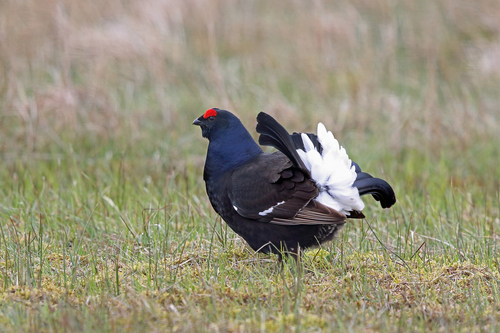
クロライチョウ (Lyrurus tetrix) クロライチョウ
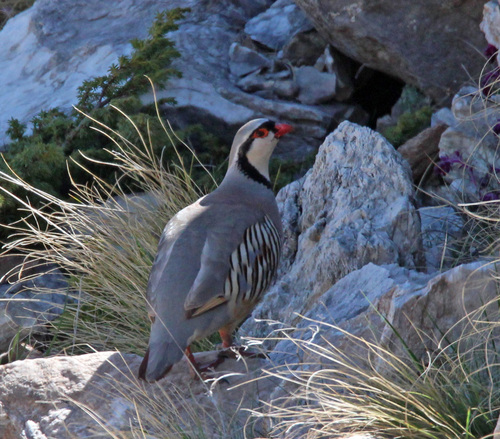
ハイイロイワシャコ (Alectoris graeca) ハイイロイワシャコ

メディア

読み込み中…

要点

クロライチョウとハイイロイワシャコを区別する最も信頼できるフィールドマークは、オスのクロライチョウの目を引く黒と深い青の羽毛、リラ型で外側に曲がった尾、そして大胆な白い翼の模様です。一方、ハイイロイワシャコは丸みを帯びた形状、淡い茶色の背中、灰色の胸、白い顔に鮮明な黒いゴルゲットを持っています。メスのクロライチョウはずっと地味ですが、ハイイロイワシャコの顔の模様や縞模様の側面は欠けています。クロライチョウはかなり大きく、尾も長く、オープンな湿原でディスプレイしている姿や木に止まっている姿がよく見られますが、ハイイロイワシャコは岩の斜面を走ることを好み、短い距離しか飛びません。大きくて黒っぽい鳥が豪華な尾を持っているのを見たら、それはクロライチョウです。小さくて丸い、淡い色の鳥で黒と白の顔を持っているのはハイイロイワシャコです。

識別のコツ

  1. Tail shape (all ages, especially males): クロライチョウのオスは長いリラ型の外尾羽を持ち、外側に曲がっています。メスはより一般的ですが、それでも比較的長い尾を持っています。ハイイロイワシャコは短く丸い尾を持ち、リラ型ではありません。
  2. Wing pattern in flight (all ages): クロライチョウは大胆な白い翼のバーを示し(特にオス)、止まっている時や飛んでいる時の両方で見えます。ハイイロイワシャコの翼は平坦で丸みを帯びており、白いバーはありません。
  3. Facial pattern (all ages): ハイイロイワシャコは白い顔に鮮明な黒いゴルゲット(首のバンド)を持っています。どの年齢・性別のクロライチョウもこの模様を示しません。
  4. Body shape: クロライチョウは大きくて細長い形状をしており、特にオスは尾が長いです。ハイイロイワシャコはコンパクトで丸みを帯びており、尾は短いです。
  5. Plumage color (adult males): クロライチョウのオスは光沢のある黒で深い青の光沢を持ち、白い尾羽の覆いと赤い皮膚を持っています。ハイイロイワシャコは淡い茶色、灰色、バフ色で、赤褐色の側面の縞模様と赤い脚を持っています。
  6. Female/immature confusion: メスのクロライチョウは茶色で縞模様があり、ハイイロイワシャコの顔の模様や縞模様の側面が欠けています。ハイイロイワシャコの両性は常に黒いゴルゲットと白い顔を示します。
  7. Leg color: ハイイロイワシャコは赤い脚を持っています。クロライチョウの脚は羽毛で覆われており、赤くありません。
  8. Behavior when flushed: クロライチョウは強く飛び、木に止まることができます。ハイイロイワシャコは走ることを好み、短い距離しか飛ばず、地面の上に止まることはめったにありません。
  9. Display behavior: クロライチョウのオスだけがレックでディスプレイし、尾を広げて白い翼の模様を見せます。ハイイロイワシャコはこのようにレックやディスプレイを行いません。
  10. Habitat context: クロライチョウは湿原、森林の端、時には木に止まっている姿が見られます。ハイイロイワシャコは岩のある開けた斜面や丘の側面に生息し、密な森林や木の中にはめったに見られません。
  11. Vocalization: クロライチョウの泡立つクー音と、ハイイロイワシャコの大きくておしゃべりな「チャケラ」の歌を聞き分けてください。
  12. Size in binoculars: クロライチョウはハイイロイワシャコよりもはるかに大きくてがっしりしています。もしその鳥が鳩のサイズかそれより小さいように見えたら、それはクロライチョウではありません。
  13. Sexual dimorphism: クロライチョウのオスだけが光沢のある黒と青でリラ型の尾を持っています。ハイイロイワシャコの性別は似ており、両方とも黒いゴルゲットと白い顔を示します。
  14. Seasonal context: クロライチョウは春にディスプレイしている姿(レック)や、冬に木に止まっている姿が見られることがあります。ハイイロイワシャコは年間を通じて岩の斜面を走っている姿が見られることが多いです。
  15. Common pitfalls: メスのクロライチョウは大きくて地味なゲームバードと間違えられることがありますが、常にハイイロイワシャコの大胆な顔の模様や縞模様の側面が欠けています。ハイイロイワシャコはリラ型の尾や白い翼のバーを示すことはありません。

大きさ

クロライチョウははるかに大きくてがっしりしており、平均体重は1050g(オスは最大1250g、時には2100gにもなる)ですが、ハイイロイワシャコは平均632.5gです。クロライチョウのオスは約60cmの長さに達し、メスは約45cmで、どちらもハイイロイワシャコよりも長いです。クロライチョウの尾は特に長く、オスではリラ型で、コンパクトで丸い体のハイイロイワシャコと比較して、さらに大きく細長く見えます。

羽色

すべての年齢と性別において、クロライチョウとハイイロイワシャコは羽毛において劇的に異なります。成鳥のオスのクロライチョウは光沢のある黒で深い青の光沢を持ち、大胆な白い翼のバーと純白の尾羽の覆いを持っています。彼らの外尾羽は長く、外側に曲がってリラ型を形成しています。メスは暗い茶色で縞模様があり、大胆な顔の模様は欠けています。ハイイロイワシャコの両性は上面が淡い茶色で、灰色の胸、バフ色の腹、赤褐色の縞模様の側面を持っています。顔は白で、鮮明な黒いゴルゲット(首のバンド)を持ち、脚は赤いです。クロライチョウのどの年齢や性別もハイイロイワシャコの顔の模様や縞模様の側面を示すことはありません。飛行中、クロライチョウは広い白い翼のストライプを示し(特にオス)、ハイイロイワシャコの翼は平坦で丸みを帯びています。幼鳥や未熟な羽毛はどちらの種についても詳細には説明されていませんが、主要な対比(尾の形、翼のバー、顔の模様)はすべての年齢に適用されます。

行動

クロライチョウは特に冬に木に止まっている姿や、春にオープングラウンド(レック)でディスプレイしている姿がよく見られ、尾を広げて白い翼の模様を見せます。彼らは強力な飛行者で、持続的な飛行が可能です。一方、ハイイロイワシャコは、動かされると走ることを好み、通常は地面にぴったりとくっついて短い距離しか飛びません。その飛行は迅速ですが短く、木に止まることはめったにありません。クロライチョウのディスプレイ行動(レック、尾を広げること)はユニークで、ハイイロイワシャコでは決して見られません。

生息環境

クロライチョウは湿原、ステップ、森林の端の生息地を好み、しばしば森林の近くに生息し、冬は密な針葉樹林で過ごします。ハイイロイワシャコは南ヨーロッパの岩のある斜面や開けた丘の側面に生息し、密な森林を避けます。もし開けた湿原や木に止まっている鳥を見つけたら、それはおそらくクロライチョウです。岩のある茂みの斜面、特に南ヨーロッパでは、ハイイロイワシャコの可能性が高いです。

声

クロライチョウのオスはディスプレイ中に長い泡立つクー音やささやきを出し、ハイイロイワシャコの騒がしく繰り返される「ガーガーガーガーチャケラーチャケラーチャケラー」とはまったく異なります。クロライチョウの歌はより柔らかく、引き延ばされており、ハイイロイワシャコの歌は大きくておしゃべりです。これらの声は聞こえた場合に特異で診断的です。

より良い説明を送る

比較と同じ項目を使ってください。文章はすぐに公開されます。

The most reliable field mark to separate Black Grouse from Rock Partridge is the male Black Grouse’s striking black-and-deep-blue plumage with a lyre-shaped, outwardly curving tail and bold white wing markings, versus the Rock Partridge’s rotund shape, pale brown back, grey breast, and sharply defined black gorget on a white face. Female Black Grouse are much drabber but still lack the Rock Partridge’s facial pattern and streaked flanks. Black Grouse are significantly larger and longer-tailed, often seen displaying in open moorland or perched in trees, while Rock Partridge prefers running on rocky slopes and only flies short distances. If you see a large, blackish bird with a fancy tail, it’s Black Grouse; a smaller, round, pale bird with a black-and-white face is Rock Partridge.

  1. Tail shape (all ages, especially males): Black Grouse males have long, lyre-shaped outer tail feathers that curve outward; females have a more conventional but still relatively long tail. Rock Partridge has a short, rounded tail with no lyre shape.
  2. Wing pattern in flight (all ages): Black Grouse shows a bold white wing bar (especially males), visible both perched and in flight; Rock Partridge’s wings are plain and rounded with no white bar.
  3. Facial pattern (all ages): Rock Partridge has a white face with a sharply defined black gorget (neck band); Black Grouse of any age/sex never shows this pattern.
  4. Body shape: Black Grouse is large and elongated, especially in males, with a long tail; Rock Partridge is compact, rotund, and short-tailed.
  5. Plumage color (adult males): Black Grouse males are glossy black with deep blue gloss, white undertail coverts, and red skin above the eye; Rock Partridge is pale brown, grey, and buff with rufous flank streaks and red legs.
  6. Female/immature confusion: Female Black Grouse is brown and barred, lacking the Rock Partridge’s facial pattern and streaked flanks; Rock Partridge of both sexes always shows the black gorget and white face.
  7. Leg color: Rock Partridge has red legs; Black Grouse legs are feathered and not red.
  8. Behavior when flushed: Black Grouse will fly strongly and can perch in trees; Rock Partridge prefers to run and only flies short distances, rarely perching above ground.
  9. Display behavior: Only Black Grouse males display at leks, fanning their tails and showing white wing markings; Rock Partridge does not lek or display in this way.
  10. Habitat context: Black Grouse is found in moorland, forest edge, and sometimes perched in trees; Rock Partridge is found on rocky, open slopes and hillsides, rarely in dense forest or trees.
  11. Vocalization: Listen for the bubbling coo of Black Grouse versus the loud, chattering 'chakera' song of Rock Partridge.
  12. Size in binoculars: Black Grouse is much larger and bulkier than Rock Partridge; if the bird seems pigeon-sized or smaller, it is not a Black Grouse.
  13. Sexual dimorphism: Only male Black Grouse is glossy black and blue with lyre tail; Rock Partridge sexes are similar, both showing the black gorget and white face.
  14. Seasonal context: Black Grouse may be seen displaying in spring (leks), perched in trees in winter; Rock Partridge is more likely seen running on rocky slopes year-round.
  15. Common pitfalls: Female Black Grouse can be mistaken for a large, drab gamebird, but always lacks the Rock Partridge’s bold facial pattern and streaked flanks; Rock Partridge never shows a lyre tail or white wing bar.

Black Grouse is much larger and bulkier, with an average mass of 1050 g (males up to 1250 g, sometimes even 2100 g), while Rock Partridge averages 632.5 g. Black Grouse males reach about 60 cm in length, females about 45 cm, both longer than Rock Partridge. The Grouse’s tail is especially long and lyre-shaped in males, making them appear even bigger and more elongated, compared to the compact, round-bodied Rock Partridge with a short tail and rounded wings.

For all ages and sexes, Black Grouse and Rock Partridge differ dramatically in plumage. Adult male Black Grouse are glossy black with deep blue gloss, bold white wing bars, and pure white undertail coverts; their outer tail feathers are long and curve outward, forming a lyre shape. Females are cryptically barred brown and lack any bold facial pattern. Rock Partridge of both sexes is pale brown above, with a grey breast, buff belly, and rufous-streaked flanks. The face is white with a sharply defined black gorget (neck band), and the legs are red. No age or sex of Black Grouse ever shows the Rock Partridge’s facial pattern or streaked flanks. In flight, Black Grouse shows a broad white wing stripe (especially males), while Rock Partridge’s wings are plain and rounded. Juvenile/immature plumages are not described in detail for either species, but the key contrasts (tail shape, wing bar, facial pattern) apply to all ages.

Black Grouse is often seen perched in trees, especially in winter, or displaying on open ground (leks) in spring, fanning its tail and showing off its white wing markings. They are strong fliers, capable of sustained flight. Rock Partridge, by contrast, prefers to run when disturbed and only flies short distances on rounded wings, usually hugging the ground. Its flight is rapid but brief, and it rarely perches in trees. The Grouse’s display behavior (lekking, tail fanning) is unique and never shown by Rock Partridge.

Black Grouse favors moorland, steppe, and forest edge habitats, often near wooded areas, and spends winters in dense coniferous forests. Rock Partridge is native to rocky slopes and open hillsides of southern Europe, avoiding dense forests. If you find the bird in open moorland or perched in a tree, it’s likely Black Grouse; on rocky, brushy slopes, especially in southern Europe, it’s more likely Rock Partridge.

Black Grouse males give a long, bubbling coo or murmur during their display, quite unlike the Rock Partridge’s noisy, repeated 'ga-ga-ga-ga-chakera-chakera-chakera'. The Grouse’s song is softer and more drawn out, while the Partridge’s is loud and chattering. These vocalizations are distinctive and diagnostic if heard.

変更を破棄しますか?

保存していない編集があります。今離れると失われます。

クロライチョウ · ハイイロイワシャコ · 苦手な鳥