
Motmot

クロライチョウ 対 コーカサスクロライチョウ

Lyrurus tetrix 対 Lyrurus mlokosiewiczi

クロライチョウとコーカサスクロライチョウのクイズ
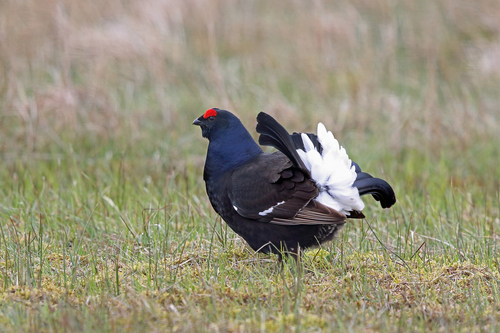
クロライチョウ (Lyrurus tetrix) クロライチョウ
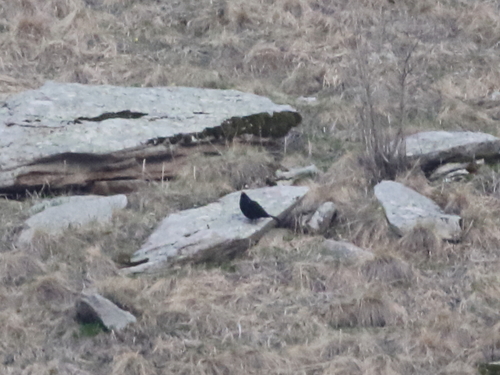
コーカサスクロライチョウ (Lyrurus mlokosiewiczi) コーカサスクロライチョウ

メディア

読み込み中…

要点

クロライチョウとコーカサスクロライチョウの最も信頼できるフィールドマークは、オスの尾の形と翼および尾の下部の対照的な白です:クロライチョウのオスは、太い白い翼のバーと尾の下部の覆羽を持つ印象的なリラ型の尾を示しますが、コーカサスクロライチョウのオスは深く分かれた尾を持ち、強い白の対照が欠けており、ディスプレイ中に一瞬の白い下翼のフラッシュのみを示します。両方の雌は隠蔽色ですが、クロライチョウの雌はより大きく、より赤褐色で、コーカサスクロライチョウの雌はより小さく、灰色で、より重いバーニングがあります。飛行中は、クロライチョウの白い翼のラインと広い白い尾の下部を探してください。対して、コーカサスクロライチョウの微妙で一瞬の下翼のフラッシュがあります。サイズと構造も役立ちます:クロライチョウは特にオスで明らかに重く、長いです。

識別のコツ

  1. Tail shape in males: クロライチョウのオスは外側の羽が外側に曲がったリラ型の尾を持ち、コーカサスクロライチョウのオスはリラの形がない深く分かれた尾を持っています。これは、ディスプレイ中または止まっているときに最も明らかです。
  2. White contrasts in flight (all ages): クロライチョウは太い白い翼のバーと広い白い尾の下部の覆羽を示し、止まっているときも飛んでいるときも見えます。コーカサスクロライチョウはこれを欠き、ディスプレイの飛行中に一瞬の白い下翼のフラッシュのみを示します。
  3. Plumage gloss (males): クロライチョウのオスは、特に良い光の下で、首と背中に深い青の光沢があります。コーカサスクロライチョウのオスは青の光沢がなく、より均一に黒いです。
  4. Female coloration: クロライチョウの雌はより大きく、暖かい赤褐色で、重いバーニングが少ないです。コーカサスクロライチョウの雌はより小さく、灰色で、より強くバーニングがあり、より冷たく、よりパターン化された外観を持っています。
  5. Size and bulk: クロライチョウは両性ともに重く、長いです。特に他のライチョウや既知の物体と比較する場合、クロライチョウはより大きく見えます。
  6. Display behavior: クロライチョウのオスはレクで騒がしく目立ち、尾を広げて鳴きます。コーカサスクロライチョウのオスははるかに静かで、ディスプレイは主に羽ばたきの跳躍と翼の笛から成ります。
  7. Geographic context: コーカサス地域の外では、黒いLyrurusのライチョウはほぼ確実にクロライチョウです。コーカサスクロライチョウはコーカサスおよび隣接地域に特有です。
  8. White undertail coverts: クロライチョウのオスだけが広く明るい白い尾の下部の覆羽を示し、コーカサスクロライチョウのオスは示しません。
  9. Wing bar: 白い翼のバーはクロライチョウでは強く明白で、コーカサスクロライチョウではディスプレイ中の一瞬の下翼のフラッシュを除いては欠けています。
  10. Lek size and noise: クロライチョウのレクは大きく非常に騒がしい場合がありますが、コーカサスクロライチョウのレクは小さく静かです。
  11. Habitat: クロライチョウは湿原や森林の端を好み、コーカサスクロライチョウはコーカサスの亜高山帯や高山帯により結びついています。
  12. Female structure: クロライチョウの雌はより大きく、より頑丈で、コーカサスクロライチョウの雌はより小さく、より繊細です。
  13. Flight jizz: クロライチョウは飛行中に強い白の対照とより重く、より鈍重な飛行を示し、コーカサスクロライチョウはより均一に暗く、空中での体積が少ないです。
  14. Red eye combs: 両方のオスは赤い目の冠を持っているため、これは有用な区別にはなりません。
  15. Hybridization: クロライチョウは範囲が重なる他のいくつかのライチョウやキジと交雑することができますが、これらの2種にとって一般的なフィールドの懸念ではありません。

大きさ

クロライチョウはより大きな種で、オスは平均約1050g(時にはもっと重い)で、雌もコーカサスクロライチョウより大きいです。オスのクロライチョウは約60cmの長さに達し、コーカサスクロライチョウのオスは50〜55cmです。雌も同様のサイズ差を示します:クロライチョウの雌は約45cm、コーカサスクロライチョウの雌は37〜42cmです。フィールドでは、クロライチョウは特に直接比較や経験がある場合に、より大きく頑丈に見えます。

羽色

行動

両方の種は春に群れでディスプレイ(レク)を行いますが、クロライチョウのディスプレイはより声が大きく、視覚的に劇的で、オスはリラ型の尾を広げて白い尾の下部と翼のバーを見せます。コーカサスクロライチョウのオスは静かで、ディスプレイは主に羽ばたき、跳躍、薄い翼の笛から成り、白い下翼のフラッシュのみです。クロライチョウは開けた湿原や森林の端で見られる可能性が高いですが、コーカサスクロライチョウはコーカサス地域とその特定の生息地により結びついています。

生息環境

クロライチョウはユーラシア大陸全体で湿原や森林の近くの草原で繁殖し、冬は密な森林で過ごします。コーカサスクロライチョウはコーカサス地域と隣接地域に制限され、亜高山帯や高山帯の生息地を好みます。コーカサスの外で見られた場合、その鳥はほぼ確実にクロライチョウです。重なりは最小限であるため、地理はしばしば強い手がかりとなります。

声

クロライチョウのオスはディスプレイ中に特に声が大きく、長い泡立つクーやささやきを生み出します。対照的に、コーカサスクロライチョウのオスはディスプレイ中ほとんど静かで、羽ばたくときに翼から出る薄い笛の音のみです。両方の種の雌は声が少ないですが、クロライチョウのレクは一般的にはるかに騒がしいです。

より良い説明を送る

比較と同じ項目を使ってください。文章はすぐに公開されます。

The most reliable field mark between Black Grouse and Caucasian Grouse is the male's tail shape and contrasting white in the wings and undertail: Black Grouse males show a striking lyre-shaped tail with bold white wing bars and undertail coverts, while Caucasian Grouse males have a deeply forked tail and lack the strong white contrasts, showing only a brief flash of white underwing in display. Females of both are cryptic, but Black Grouse hens are larger and more rufous, while Caucasian Grouse hens are smaller and greyer with heavier barring. In flight, look for the Black Grouse's white wingline and broad white undertail, versus the subtler, momentary underwing flash of the Caucasian Grouse. Size and structure also help: Black Grouse are noticeably heavier and longer, especially in males.

  1. Tail shape in males: Black Grouse males have a lyre-shaped tail with outer feathers curving outward; Caucasian Grouse males have a deeply forked tail without the lyre shape. This is most obvious when displaying or perched.
  2. White contrasts in flight (all ages): Black Grouse show a bold white wing bar and broad white undertail coverts, visible both perched and in flight. Caucasian Grouse lack these, showing only a brief flash of white underwing during display flights.
  3. Plumage gloss (males): Black Grouse males have a deep blue gloss on neck and back, especially in good light; Caucasian Grouse males are more uniformly black without blue gloss.
  4. Female coloration: Black Grouse hens are larger, warmer rufous-brown, and less heavily barred. Caucasian Grouse hens are smaller, greyer, and more strongly barred, giving a colder, more patterned look.
  5. Size and bulk: Black Grouse are heavier and longer in both sexes. If you have a sense of scale, especially with other grouse or known objects, Black Grouse will look bulkier.
  6. Display behavior: Black Grouse males are noisy and conspicuous at leks, fanning tails and calling. Caucasian Grouse males are much quieter, with display consisting of fluttering leaps and wing whistles.
  7. Geographic context: Outside the Caucasus region, a black Lyrurus grouse is almost certainly Black Grouse. Caucasian Grouse are endemic to the Caucasus and adjacent areas.
  8. White undertail coverts: Only Black Grouse males show broad, bright white undertail coverts; Caucasian Grouse males do not.
  9. Wing bar: The white wing bar is strong and obvious in Black Grouse, absent in Caucasian Grouse except for a fleeting underwing flash during display.
  10. Lek size and noise: Black Grouse leks can be large and very noisy; Caucasian Grouse leks are smaller and quieter.
  11. Habitat: Black Grouse favor moorland and forest edge; Caucasian Grouse are more tied to subalpine and alpine zones of the Caucasus.
  12. Female structure: Black Grouse hens are larger and more robust; Caucasian Grouse hens are smaller and more delicate.
  13. Flight jizz: Black Grouse in flight show strong white contrasts and a heavier, more ponderous flight; Caucasian Grouse are more uniformly dark and less bulky in the air.
  14. Red eye combs: Both males have red eye combs, so this is not a useful separator.
  15. Hybridization: Black Grouse can hybridize with several other grouse and pheasants where ranges overlap, but this is not a common field concern for these two species.

Black Grouse is the larger species, with males averaging around 1050 g (and sometimes much heavier), and females also larger than their Caucasian counterparts. Male Black Grouse reach about 60 cm in length, while Caucasian Grouse males are 50–55 cm. Females show a similar size gap: Black Grouse hens are about 45 cm, Caucasian Grouse hens 37–42 cm. In the field, Black Grouse appear bulkier and more robust, especially in direct comparison or with experience.

  • Males (adult breeding): Black Grouse males are glossy black with deep blue gloss on neck and back, a prominent white wing bar, and very conspicuous white undertail coverts. Their lyre-shaped tail is unique, with long, outwardly curving rectrices. Caucasian Grouse males are also all-black but lack the blue gloss and have a deeply forked tail rather than lyre-shaped. They do not show the broad white wing bar or undertail coverts; instead, the only white is a brief flash of underwing visible during display flights.
  • Females: Black Grouse hens are larger, more rufous-brown, and less heavily barred. Caucasian Grouse hens are smaller, greyer, and more heavily barred, giving a colder, more patterned appearance. Both are cryptic, but the tone and barring differ.
  • In flight (all ages): Black Grouse show a strong white wingline and broad white undertail, visible even in distant flight views. Caucasian Grouse lack these white contrasts except for a fleeting underwing flash during display; otherwise, their flight is more uniformly dark.
  • Juvenile/immature: No specific juvenile upperwing pattern is described for either species, so rely on adult-like contrasts and general structure.

Both species perform group displays (leks) in spring, but the Black Grouse's display is more vocal and visually dramatic, with males fanning their lyre-shaped tails and showing off white undertail and wing bars. Caucasian Grouse males are quieter, with displays consisting mostly of fluttering, leaping, and a thin wing whistle, and only a flash of white underwing. Black Grouse are more likely to be seen in open moorland or at forest edges, while Caucasian Grouse are more tied to the Caucasus region and its specific habitats.

Black Grouse breed across the Palearctic in moorland and steppe near woods, wintering in dense forests. Caucasian Grouse are restricted to the Caucasus region and adjacent areas, favoring subalpine and alpine habitats. If seen outside the Caucasus, a bird is almost certainly Black Grouse. Overlap is minimal, so geography is often a strong clue.

Black Grouse males are notably vocal during display, producing a long, bubbling coo or murmur. In contrast, Caucasian Grouse males are almost silent during display, with only a thin, whistling sound from their wings as they flutter. Females of both species are less vocal, but the Black Grouse's lek is generally much noisier.

変更を破棄しますか?

保存していない編集があります。今離れると失われます。

クロライチョウ · コーカサスクロライチョウ · 苦手な鳥