

Motmot

チャイロヤブモズ 対 チャガシラヤブモズ

Tchagra senegalus 対 Tchagra australis

チャイロヤブモズとチャガシラヤブモズのクイズ
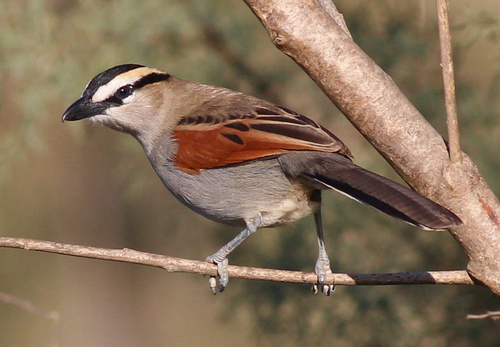
チャイロヤブモズ (Tchagra senegalus) チャイロヤブモズ
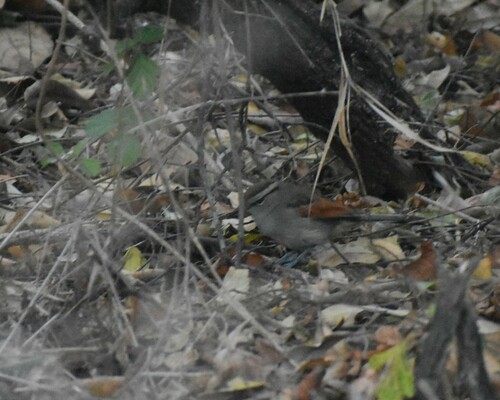
チャガシラヤブモズ (Tchagra australis) チャガシラヤブモズ

メディア

読み込み中…

要点

ブラッククラウンチャグラとブラウンクラウンチャグラを分ける最も信頼できる方法は、冠の色によるものです:ブラッククラウンチャグラは、広い白いスーペルシリウムを持つ大胆な黒い冠を示しますが、ブラウンクラウンチャグラにはこの黒い帽子がありません。幼鳥のブラッククラウンチャグラは混乱を招くことがあります。なぜなら、彼らの帽子は茶色ですが、くちばしは淡い黄色であり、大人の黒いくちばしとは異なるからです。両種はサイズと一般的な形状が似ていますが、頭の模様が重要なフィールドマークです。目を引く黒い冠と白い眉毛を持つ鳥を見たら、それはブラッククラウンです。冠が茶色で頭の模様が対照的でない場合、それはブラウンクラウンです。

識別のコツ

  1. 冠の色が主要なフィールドマークです: ブラッククラウンチャグラは黒い冠を持ち、ブラウンクラウンチャグラは茶色の冠を持っています。これはすべての季節の成鳥に当てはまります。
  2. スーペルシリウムの対照: ブラッククラウンチャグラは、黒い冠と目のストライプに対して際立つ広く明るい白いスーペルシリウム(眉毛)を示します。ブラウンクラウンチャグラのスーペルシリウムは、茶色の冠のために対照が少なくなります。
  3. 幼鳥の混乱: 幼鳥のブラッククラウンチャグラは茶色の帽子を持ち、ブラウンクラウンチャグラに似ることがあります。しかし、幼鳥のくちばしは淡い黄色であり、大人は黒いくちばしを持っています。若い鳥のくちばしの色を常に確認してください。
  4. くちばしの色: 成鳥のブラッククラウンチャグラは黒いくちばしを持ち、幼鳥は淡い黄色のくちばしを持っています。ブラウンクラウンチャグラのくちばしの色は記載されていませんが、成鳥の黒いくちばしは良いブラッククラウンのマークです。
  5. 腹部と上面: 両種は淡い灰色の腹部と淡い茶色の上面を持っているため、これらは分離に役立ちません。
  6. 翼と尾の模様: ブラッククラウンチャグラは栗色の翼と白い先端を持つ黒い尾を持っています。これはブラウンクラウンチャグラとの対照が記載されていないため、注意して使用してください。
  7. 頭の模様全体: ブラッククラウンチャグラの黒い冠、黒い目のストライプ、白いスーペルシリウムの組み合わせは、この2種の中でユニークです。
  8. 止まり木と飛行の視点: どちらの種についても特有の飛行や上翼の模様の違いは記載されていないため、すべての視点で頭の模様に頼ってください。
  9. 性差: 両種は両性において似た羽毛を持つと記載されているため、同定に性別に頼らないでください。
  10. サイズと構造: 両者はサイズと形状が似ているため、サイズを分離の基準として使用しないでください。
  11. 生息地の重複: 両種は似た生息地を占有しているため、生息地だけで同定しないでください。
  12. 鳴き声: 下降する笛のような歌(チー・チー・チー・チルー・チルー)が聞こえた場合、それはおそらくブラッククラウンチャグラですが、歌の不在は診断的ではありません。
  13. ディスプレイ飛行: ブラッククラウンチャグラのオスはスイッチバックのディスプレイ飛行を持っていますが、これはめったに観察されず、実用的なフィールドマークではありません。
  14. 亜種の変異: ブラッククラウンチャグラには背中、腹部、目のストライプの色にいくつかの変異を持つ多くの亜種がありますが、黒い冠と白いスーペルシリウムは信頼できます。
  15. 落とし穴: 幼鳥のブラッククラウンチャグラは茶色の帽子のためにブラウンクラウンと間違えられることがあります。常に幼鳥の淡い黄色のくちばしと全体の頭の模様を確認してください。

大きさ

両種は全体的なサイズが似ており、ブラッククラウンチャグラは長さ19〜22 cmです [wikipedia]。ブラウンクラウンチャグラの直接的な比較測定は提供されていませんが、フィールド経験と参考文献は、彼らが体格と長さで密接に一致していることを示唆しています。サイズだけでは信頼できる分離基準ではありません。

羽色

成鳥のブラッククラウンチャグラは、黒い冠、黒い目のストライプ、広い白いスーペルシリウムを持つ独特な存在です。上面は淡い茶色、腹部は淡い灰色、翼は栗色、尾は白い先端を持つ黒です。くちばしは黒です。幼鳥は茶色の帽子と淡い黄色のくちばしを持ち、ブラウンクラウンチャグラと混乱を招くことがありますが、淡いくちばしは有用な手がかりです。ブラウンクラウンチャグラは、その名前が示すように、黒ではなく茶色の冠を持ち、白いスーペルシリウムと黒い冠の際立った対照が欠けています。その他の全体的な色合いは似ていますが、頭の模様がすべての年齢で最も診断的な特徴です。利用可能なノートには、どちらの種についても特定の年齢に関連する上翼や飛行パターンの違いは記載されていません。

行動

両種はブッシュシュライクのように振る舞い、茂みの止まり木から昆虫や小さな獲物を狩ります。ブラッククラウンチャグラは、真のシュライクよりも目立たないとされ、しばしば密なカバーの中で静かに座っています。フィールドで両種を信頼できるように分ける行動の違いはノートにはありません。

生息環境

ブラッククラウンチャグラは、アフリカとアラビア半島のほとんどにわたる、スクラブ、開けた森林、半砂漠、耕作地を含む広範な生息地を占有しています。ブラウンクラウンチャグラもブッシュシュライクであり、生息地の好みが重なる可能性がありますが、ノートには両者の生息地利用における診断的な違いは提供されていません。両者は似た環境で見つかることができるため、生息地は信頼できる分離基準ではありません。

声

ブラッククラウンチャグラは、下降する笛のような歌を持ち、チー・チー・チー・チルー・チルーと表現され、この呼び声の模倣に反応します。ノートにはブラウンクラウンチャグラの鳴き声の記述は提供されていないため、ブラッククラウンの歌が聞こえ、マッチしない限り、鳴き声は信頼できる分離基準ではありません。

より良い説明を送る

比較と同じ項目を使ってください。文章はすぐに公開されます。

The most reliable way to separate Black-crowned Tchagra from Brown-crowned Tchagra is by the color of the crown: Black-crowned Tchagra shows a bold black crown with a broad white supercilium, while Brown-crowned Tchagra lacks this black cap. Juvenile Black-crowned Tchagra can be confusing, as their cap is brown, but their bill is pale yellow, unlike the adult's black bill. Both species are similar in size and general shape, but the head pattern is the key field mark. If you see a bird with a striking black crown and white eyebrow, it's Black-crowned; if the crown is brown and the head pattern less contrasting, it's Brown-crowned.

  1. Crown color is the primary field mark: Black-crowned Tchagra has a black crown; Brown-crowned Tchagra has a brown crown. This works for adults in all seasons.
  2. Supercilium contrast: Black-crowned Tchagra shows a broad, bright white supercilium (eyebrow) that stands out against the black crown and eye-stripe. Brown-crowned Tchagra's supercilium is less contrasting due to the brown crown.
  3. Juvenile confusion: Juvenile Black-crowned Tchagra has a brown cap, which can mimic Brown-crowned Tchagra. However, the juvenile's bill is pale yellow, while adults have a black bill. Always check bill color in young birds.
  4. Bill color: Adult Black-crowned Tchagra has a black bill; juveniles have a pale yellow bill. Bill color in Brown-crowned Tchagra is not described, but the black bill in adults is a good Black-crowned mark.
  5. Underparts and upperparts: Both species have pale grey underparts and pale brown upperparts, so these are not helpful for separation.
  6. Wing and tail pattern: Black-crowned Tchagra has chestnut wings and a black tail tipped with white. This is not contrasted with Brown-crowned Tchagra in the notes, so use with caution.
  7. Head pattern overall: The combination of black crown, black eye-stripe, and white supercilium in Black-crowned Tchagra is unique among these two species.
  8. Perched vs. flight views: No distinctive flight or upperwing pattern differences are described for either species, so rely on head pattern in all views.
  9. Sex differences: Both species are described as having similar plumage in both sexes; do not rely on sex for identification.
  10. Size and structure: Both are similar in size and shape; do not use size as a separator.
  11. Habitat overlap: Both species occupy similar habitats; do not use habitat alone for identification.
  12. Vocalizations: If you hear a descending whistling song (chee-chee chee cheroo cheroo), it is likely Black-crowned Tchagra, but absence of song is not diagnostic.
  13. Display flight: Black-crowned Tchagra males have a switchback display flight, but this is rarely observed and not a practical field mark.
  14. Subspecies variation: Black-crowned Tchagra has many subspecies with some variation in back, underparts, and eye-stripe color, but the black crown and white supercilium remain reliable.
  15. Pitfall: Juvenile Black-crowned Tchagra can be mistaken for Brown-crowned due to brown cap; always check for pale yellow bill in juveniles and overall head pattern.

Both species are similar in overall size, with Black-crowned Tchagra measuring 19–22 cm in length [wikipedia]. No direct comparative measurements are provided for Brown-crowned Tchagra, but field experience and references suggest they are closely matched in bulk and length. Size alone is not a reliable separator.

Adult Black-crowned Tchagra is distinctive with a black crown, black eye-stripe, and a broad white supercilium. The upperparts are pale brown, underparts pale grey, wings chestnut, and tail black tipped white. The bill is black. Juveniles have a brown cap and a pale yellow bill, which can cause confusion with Brown-crowned Tchagra, but the pale bill is a useful clue. Brown-crowned Tchagra, as the name suggests, has a brown crown rather than black, and lacks the striking contrast of the white supercilium and black crown. Both species have similar overall coloration otherwise, but the head pattern is the most diagnostic feature at all ages. No specific age-related upperwing or flight pattern differences are described for either species in the available notes.

Both species behave like bushshrikes, hunting insects and small prey from perches in bushes. Black-crowned Tchagra is noted for being less conspicuous than true shrikes, often sitting quietly in dense cover. There is no behavioral distinction in the notes that reliably separates the two species in the field.

Black-crowned Tchagra occupies a wide range of habitats including scrub, open woodland, semi-desert, and cultivated areas across most of Africa and the Arabian Peninsula. Brown-crowned Tchagra is also a bushshrike and likely overlaps in habitat preference, but the notes do not provide a diagnostic difference in habitat use between the two. Both can be found in similar environments, so habitat is not a reliable separator.

Black-crowned Tchagra has a descending whistling song, described as chee-chee chee cheroo cheroo, and responds to imitations of this call. There is no vocal description provided for Brown-crowned Tchagra in the notes, so vocalizations are not a reliable separator unless the Black-crowned's song is heard and matched.

変更を破棄しますか?

保存していない編集があります。今離れると失われます。

チャイロヤブモズ · チャガシラヤブモズ · 苦手な鳥