

Motmot

Black-crowned Tchagra vs Brown-crowned Tchagra

Tchagra senegalus contro Tchagra australis

Fai un quiz con Black-crowned Tchagra e Brown-crowned Tchagra
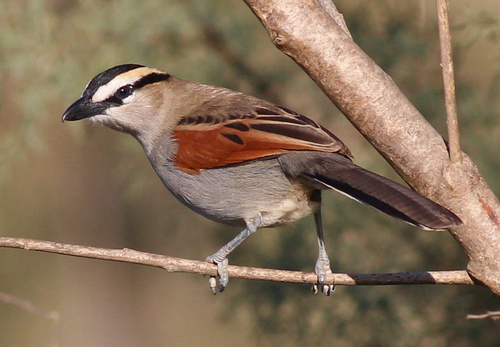
Black-crowned Tchagra (Tchagra senegalus) Black-crowned Tchagra
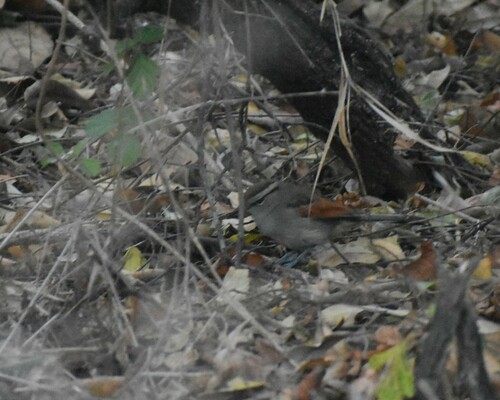
Brown-crowned Tchagra (Tchagra australis) Brown-crowned Tchagra

Media

Caricamento…

In breve

The most reliable way to separate Black-crowned Tchagra from Brown-crowned Tchagra is by the color of the crown: Black-crowned Tchagra shows a bold black crown with a broad white supercilium, while Brown-crowned Tchagra lacks this black cap. Juvenile Black-crowned Tchagra can be confusing, as their cap is brown, but their bill is pale yellow, unlike the adult's black bill. Both species are similar in size and general shape, but the head pattern is the key field mark. If you see a bird with a striking black crown and white eyebrow, it's Black-crowned; if the crown is brown and the head pattern less contrasting, it's Brown-crowned.

Consigli di identificazione

  1. Crown color is the primary field mark: Black-crowned Tchagra has a black crown; Brown-crowned Tchagra has a brown crown. This works for adults in all seasons.
  2. Supercilium contrast: Black-crowned Tchagra shows a broad, bright white supercilium (eyebrow) that stands out against the black crown and eye-stripe. Brown-crowned Tchagra's supercilium is less contrasting due to the brown crown.
  3. Juvenile confusion: Juvenile Black-crowned Tchagra has a brown cap, which can mimic Brown-crowned Tchagra. However, the juvenile's bill is pale yellow, while adults have a black bill. Always check bill color in young birds.
  4. Bill color: Adult Black-crowned Tchagra has a black bill; juveniles have a pale yellow bill. Bill color in Brown-crowned Tchagra is not described, but the black bill in adults is a good Black-crowned mark.
  5. Underparts and upperparts: Both species have pale grey underparts and pale brown upperparts, so these are not helpful for separation.
  6. Wing and tail pattern: Black-crowned Tchagra has chestnut wings and a black tail tipped with white. This is not contrasted with Brown-crowned Tchagra in the notes, so use with caution.
  7. Head pattern overall: The combination of black crown, black eye-stripe, and white supercilium in Black-crowned Tchagra is unique among these two species.
  8. Perched vs. flight views: No distinctive flight or upperwing pattern differences are described for either species, so rely on head pattern in all views.
  9. Sex differences: Both species are described as having similar plumage in both sexes; do not rely on sex for identification.
  10. Size and structure: Both are similar in size and shape; do not use size as a separator.
  11. Habitat overlap: Both species occupy similar habitats; do not use habitat alone for identification.
  12. Vocalizations: If you hear a descending whistling song (chee-chee chee cheroo cheroo), it is likely Black-crowned Tchagra, but absence of song is not diagnostic.
  13. Display flight: Black-crowned Tchagra males have a switchback display flight, but this is rarely observed and not a practical field mark.
  14. Subspecies variation: Black-crowned Tchagra has many subspecies with some variation in back, underparts, and eye-stripe color, but the black crown and white supercilium remain reliable.
  15. Pitfall: Juvenile Black-crowned Tchagra can be mistaken for Brown-crowned due to brown cap; always check for pale yellow bill in juveniles and overall head pattern.

Taglia

Both species are similar in overall size, with Black-crowned Tchagra measuring 19–22 cm in length [wikipedia]. No direct comparative measurements are provided for Brown-crowned Tchagra, but field experience and references suggest they are closely matched in bulk and length. Size alone is not a reliable separator.

Piumaggio

Adult Black-crowned Tchagra is distinctive with a black crown, black eye-stripe, and a broad white supercilium. The upperparts are pale brown, underparts pale grey, wings chestnut, and tail black tipped white. The bill is black. Juveniles have a brown cap and a pale yellow bill, which can cause confusion with Brown-crowned Tchagra, but the pale bill is a useful clue. Brown-crowned Tchagra, as the name suggests, has a brown crown rather than black, and lacks the striking contrast of the white supercilium and black crown. Both species have similar overall coloration otherwise, but the head pattern is the most diagnostic feature at all ages. No specific age-related upperwing or flight pattern differences are described for either species in the available notes.

Comportamento

Both species behave like bushshrikes, hunting insects and small prey from perches in bushes. Black-crowned Tchagra is noted for being less conspicuous than true shrikes, often sitting quietly in dense cover. There is no behavioral distinction in the notes that reliably separates the two species in the field.

Habitat

Black-crowned Tchagra occupies a wide range of habitats including scrub, open woodland, semi-desert, and cultivated areas across most of Africa and the Arabian Peninsula. Brown-crowned Tchagra is also a bushshrike and likely overlaps in habitat preference, but the notes do not provide a diagnostic difference in habitat use between the two. Both can be found in similar environments, so habitat is not a reliable separator.

Voce

Black-crowned Tchagra has a descending whistling song, described as chee-chee chee cheroo cheroo, and responds to imitations of this call. There is no vocal description provided for Brown-crowned Tchagra in the notes, so vocalizations are not a reliable separator unless the Black-crowned's song is heard and matched.

Invia una descrizione migliore

Usa le stesse sezioni del confronto. Il testo viene pubblicato subito.

The most reliable way to separate Black-crowned Tchagra from Brown-crowned Tchagra is by the color of the crown: Black-crowned Tchagra shows a bold black crown with a broad white supercilium, while Brown-crowned Tchagra lacks this black cap. Juvenile Black-crowned Tchagra can be confusing, as their cap is brown, but their bill is pale yellow, unlike the adult's black bill. Both species are similar in size and general shape, but the head pattern is the key field mark. If you see a bird with a striking black crown and white eyebrow, it's Black-crowned; if the crown is brown and the head pattern less contrasting, it's Brown-crowned.

  1. Crown color is the primary field mark: Black-crowned Tchagra has a black crown; Brown-crowned Tchagra has a brown crown. This works for adults in all seasons.
  2. Supercilium contrast: Black-crowned Tchagra shows a broad, bright white supercilium (eyebrow) that stands out against the black crown and eye-stripe. Brown-crowned Tchagra's supercilium is less contrasting due to the brown crown.
  3. Juvenile confusion: Juvenile Black-crowned Tchagra has a brown cap, which can mimic Brown-crowned Tchagra. However, the juvenile's bill is pale yellow, while adults have a black bill. Always check bill color in young birds.
  4. Bill color: Adult Black-crowned Tchagra has a black bill; juveniles have a pale yellow bill. Bill color in Brown-crowned Tchagra is not described, but the black bill in adults is a good Black-crowned mark.
  5. Underparts and upperparts: Both species have pale grey underparts and pale brown upperparts, so these are not helpful for separation.
  6. Wing and tail pattern: Black-crowned Tchagra has chestnut wings and a black tail tipped with white. This is not contrasted with Brown-crowned Tchagra in the notes, so use with caution.
  7. Head pattern overall: The combination of black crown, black eye-stripe, and white supercilium in Black-crowned Tchagra is unique among these two species.
  8. Perched vs. flight views: No distinctive flight or upperwing pattern differences are described for either species, so rely on head pattern in all views.
  9. Sex differences: Both species are described as having similar plumage in both sexes; do not rely on sex for identification.
  10. Size and structure: Both are similar in size and shape; do not use size as a separator.
  11. Habitat overlap: Both species occupy similar habitats; do not use habitat alone for identification.
  12. Vocalizations: If you hear a descending whistling song (chee-chee chee cheroo cheroo), it is likely Black-crowned Tchagra, but absence of song is not diagnostic.
  13. Display flight: Black-crowned Tchagra males have a switchback display flight, but this is rarely observed and not a practical field mark.
  14. Subspecies variation: Black-crowned Tchagra has many subspecies with some variation in back, underparts, and eye-stripe color, but the black crown and white supercilium remain reliable.
  15. Pitfall: Juvenile Black-crowned Tchagra can be mistaken for Brown-crowned due to brown cap; always check for pale yellow bill in juveniles and overall head pattern.

Both species are similar in overall size, with Black-crowned Tchagra measuring 19–22 cm in length [wikipedia]. No direct comparative measurements are provided for Brown-crowned Tchagra, but field experience and references suggest they are closely matched in bulk and length. Size alone is not a reliable separator.

Adult Black-crowned Tchagra is distinctive with a black crown, black eye-stripe, and a broad white supercilium. The upperparts are pale brown, underparts pale grey, wings chestnut, and tail black tipped white. The bill is black. Juveniles have a brown cap and a pale yellow bill, which can cause confusion with Brown-crowned Tchagra, but the pale bill is a useful clue. Brown-crowned Tchagra, as the name suggests, has a brown crown rather than black, and lacks the striking contrast of the white supercilium and black crown. Both species have similar overall coloration otherwise, but the head pattern is the most diagnostic feature at all ages. No specific age-related upperwing or flight pattern differences are described for either species in the available notes.

Both species behave like bushshrikes, hunting insects and small prey from perches in bushes. Black-crowned Tchagra is noted for being less conspicuous than true shrikes, often sitting quietly in dense cover. There is no behavioral distinction in the notes that reliably separates the two species in the field.

Black-crowned Tchagra occupies a wide range of habitats including scrub, open woodland, semi-desert, and cultivated areas across most of Africa and the Arabian Peninsula. Brown-crowned Tchagra is also a bushshrike and likely overlaps in habitat preference, but the notes do not provide a diagnostic difference in habitat use between the two. Both can be found in similar environments, so habitat is not a reliable separator.

Black-crowned Tchagra has a descending whistling song, described as chee-chee chee cheroo cheroo, and responds to imitations of this call. There is no vocal description provided for Brown-crowned Tchagra in the notes, so vocalizations are not a reliable separator unless the Black-crowned's song is heard and matched.

Scartare le modifiche?

Hai modifiche non salvate. Se esci ora, andranno perse.

Black-crowned Tchagra · Brown-crowned Tchagra · I miei uccelli difficili