

Motmot

ノドグロハチドリ 対 アンナハチドリ

Archilochus alexandri 対 Calypte anna

ノドグロハチドリとアンナハチドリのクイズ
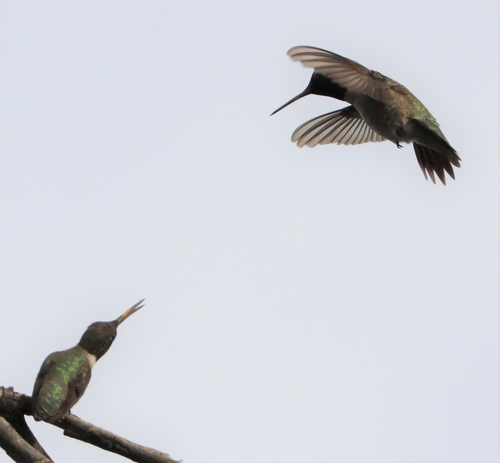
ノドグロハチドリ (Archilochus alexandri) ノドグロハチドリ
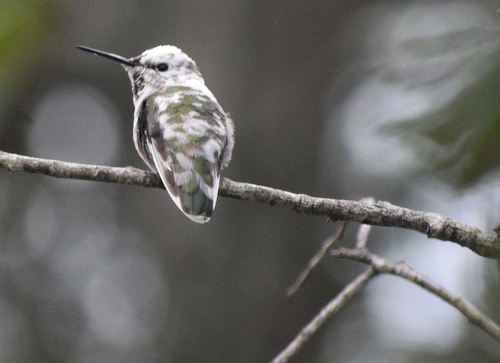
アンナハチドリ (Calypte anna) アンナハチドリ

メディア

読み込み中…

要点

ノドグロハチドリとアンナハチドリの最も信頼できるフィールドマークは、オスの頭部と喉の色彩です:ノドグロハチドリのオスは、光沢のある紫色のゴゲットを持つ黒い顔と顎を示し(良い光の下でのみ見える)、アンナハチドリのオスは、目を引く虹色の赤みがかったピンクの冠とゴゲットを持っています。メスと幼鳥はより難しいですが、アンナハチドリは喉に赤みを示すことがあり、やや大きく、がっしりとした体型をしています。特に幼鳥とメスにおいては、尾の形と模様も役立ちます:ノドグロハチドリのメスと幼鳥は白い先端を持つ丸い尾を持ち、アンナハチドリは外側の羽に白い先端を持つ暗い丸い尾を持っています。飛んでいる時や止まっている時、アンナハチドリは一般的に大きくてがっしりしています。両種は似たようなくちばしと緑色の上面を持っているため、区別するためには頭部、喉、尾の詳細に注目してください。

識別のコツ

  1. Male head and throat color (adults): アンナハチドリのオスは明るい赤みがかったピンク(マゼンタ)の冠とゴゲットを持ち、ノドグロハチドリのオスは黒い顔と顎に紫色のゴゲットを持っています(良い光の下でのみ見える)。冠に赤やピンクが見えたら、それはアンナハチドリです。
  2. Female and juvenile throat: アンナハチドリのメスと幼鳥は喉にいくつかの赤い虹色の斑点を示すことがあります;ノドグロハチドリのメスと幼鳥は赤や紫を欠いていますが、幼いオスは紫色の羽をいくつか示すことがあります。
  3. Tail shape (adult males): ノドグロハチドリのオスは明確に分かれた尾を持っています;アンナハチドリのオスはやや分かれたか、ほぼ四角い尾を持っています。
  4. Tail pattern (females and juveniles): 両種は白い先端を持つ尾羽を持っていますが、アンナハチドリは外側の羽にのみ白を示し、ノドグロハチドリはより広範囲に白い先端を持ち、より丸い尾を持っています。
  5. Size and structure: アンナハチドリはより大きく、がっしりしており、より広い翼幅と重い体型を持っています。
  6. Crown color (males): アンナハチドリだけが冠に虹色の赤やピンクを示し、ノドグロハチドリは常に暗い冠を持っています。
  7. Bill: 両者は長く、まっすぐで、細いくちばしを持っています;くちばしの形は区別には役立ちません。
  8. Back and flank color: 両者は金属的な緑色で上面と側面が緑色です;信頼できるマークではありません。
  9. Display behavior: アンナハチドリのオスははるかに高い(最大40 m)からダイブし、歌います;ノドグロハチドリのオスは低い振り子の弧でディスプレイし、歌いません。
  10. Mechanical sounds: アンナハチドリのオスはダイブの底で尾羽を使って「爆発的なきしみ音」を出します;ノドグロハチドリのオスはディスプレイ中に尾羽を使って高音のトリルを出します。
  11. Voice: アンナハチドリのオスは細く、ブザーのような歌を歌います;ノドグロハチドリは高音のチュンチュン音だけを使い、真の歌は決して歌いません。
  12. Habitat context: アンナハチドリは太平洋沿岸の海岸庭園や都市部にいる可能性が高いですが、ノドグロハチドリは内陸の乾燥したまたは山岳の生息地にいる可能性が高いです。
  13. Juvenile dorsal feather edges: ノドグロハチドリの幼鳥は背羽の周辺にバフの縁を持っています;アンナハチドリは持っていません。
  14. White on tail (perched birds): 鳥が止まって尾を広げている時に尾の白い先端の広がりと配置を探してください。
  15. When in doubt: 赤やピンクの冠を持つハチドリを見たら、それはアンナハチドリです。冠が暗く、ゴゲットが特定の光の下でのみ紫色であれば、それはノドグロハチドリです。

大きさ

アンナハチドリはノドグロハチドリよりも明らかに大きく、重いです。アンナハチドリは約9.9–10.9 cm(3.9–4.3 in)の長さで、約4.3 gの重さがありますが、ノドグロハチドリは約8.25 cm(3.25 in)と小さく(質量は示されていませんが、直接比較では常に軽いです)。アンナハチドリはまた、より広い翼幅(12 cm)を持ち、特に止まっている時にがっしりとした、より頑丈な外観を持っています。このサイズの違いはフィールドでは微妙ですが、両種が並んで見られる時や餌台で見られる時には明らかになることがあります。

羽色

行動

両種は非常に活発で、しばしば花や餌台の間をホバリングしたり急に飛び回ったりします。アンナハチドリのオスはノドグロハチドリのオス(10–15 m)よりもはるかに高い(最大40 m)から劇的なディスプレイダイブを行い、アンナハチドリのオスは求愛中に歌いますが、これは北アメリカのハチドリには珍しいことです。ノドグロハチドリのオスもダイブでディスプレイし、尾羽でトリル音を出しますが、彼らのディスプレイはより垂直ではなく、振り子のようです。両者は領土的であることがありますが、ノドグロハチドリは食料源が豊富な時にはあまり攻撃的ではありません。

生息環境

ノドグロハチドリは、アメリカ西部とメキシコ北部の砂漠、山の森、都市部を含む広範囲の生息地にいる可能性が高いです。アンナハチドリは太平洋沿岸、開けた森林、低木地、庭で最も一般的ですが、その範囲は一部の西部地域でノドグロハチドリと重なります。もしあなたがカリフォルニアの海岸や太平洋北西部の都市庭園にいるなら、アンナハチドリの方が可能性が高いです;乾燥した内陸の山岳地域ではノドグロハチドリの方が予想されます。

声

アンナハチドリのオスは求愛中に細く、きしむような、ブザーのような歌を歌い、最大10秒間続き、止まっている時にはきしむような金属的な呼び声も出します。ノドグロハチドリは歌わず、高音のチュンチュン音でコミュニケーションを取り、ディスプレイダイブ中に尾羽や翼羽でトリル音やウィーン音を出します。両種は求愛ダイブ中に尾羽で機械的な音を出しますが、アンナハチドリのダイブの底での「爆発的なきしみ音」は特徴的です。

より良い説明を送る

比較と同じ項目を使ってください。文章はすぐに公開されます。

The most reliable field mark between Black-chinned and Anna's Hummingbird is the male's head and throat coloration: Black-chinned males show a black face and chin with a glossy purple gorget (only visible in good light), while Anna's males have a striking iridescent reddish-pink crown and gorget. Females and immatures are trickier, but Anna's can show some red on the throat and have a slightly larger, bulkier build. Tail shape and pattern, especially in juveniles and females, is also helpful: Black-chinned females and juveniles have a rounded tail with white tips, while Anna's have a dark, rounded tail with white tips on the outer feathers. In flight or perched, Anna's is generally larger and stockier. Both species have similar bills and green upperparts, so focus on head, throat, and tail details for separation.

  1. Male head and throat color (adults): Anna's males have a bright reddish-pink (magenta) crown and gorget, while Black-chinned males have a black face and chin with a purple gorget (only visible in good light). If you see red or pink on the crown, it's Anna's.
  2. Female and juvenile throat: Anna's females and juveniles may show a few red iridescent spots on the throat; Black-chinned females and juveniles lack any red or purple, though juvenile males may show a few purple feathers.
  3. Tail shape (adult males): Black-chinned males have a distinctly forked tail; Anna's males have a slightly forked or nearly square tail.
  4. Tail pattern (females and juveniles): Both species have white-tipped tail feathers, but Anna's shows white only on the outer feathers, while Black-chinned has more extensive white tips and a more rounded tail.
  5. Size and structure: Anna's is larger and bulkier, with a broader wingspan and heavier build than the more slender Black-chinned.
  6. Crown color (males): Only Anna's shows iridescent red or pink on the crown; Black-chinned always has a dark crown.
  7. Bill: Both have long, straight, slender bills; bill shape is not useful for separation.
  8. Back and flank color: Both are metallic green above and green on the flanks; not a reliable mark.
  9. Display behavior: Anna's males dive from much higher (up to 40 m) and sing; Black-chinned males display in lower, pendulum arcs and do not sing.
  10. Mechanical sounds: Anna's males make an 'explosive squeak' with tail feathers at the bottom of their dive; Black-chinned males produce a high-pitched trill with tail feathers during their display.
  11. Voice: Anna's males sing a thin, buzzy song; Black-chinned uses only high-pitched chirps, never a true song.
  12. Habitat context: Anna's is more likely in coastal gardens and urban areas on the Pacific coast; Black-chinned is more likely in interior arid or mountainous habitats.
  13. Juvenile dorsal feather edges: Black-chinned juveniles have buff margins on dorsal feathers; Anna's do not.
  14. White on tail (perched birds): Look for the extent and placement of white tips on the tail when the bird is perched and fanning its tail.
  15. When in doubt: If you see a hummingbird with a red or pink crown, it's Anna's. If the crown is dark and the gorget is only purple in certain light, it's Black-chinned.

Anna's Hummingbird is noticeably larger and heavier than Black-chinned Hummingbird. Anna's measures about 9.9–10.9 cm (3.9–4.3 in) in length and weighs around 4.3 g, while Black-chinned is smaller at about 8.25 cm (3.25 in) (no mass given, but consistently lighter in direct comparison). Anna's also has a broader wingspan (12 cm) and a bulkier, more robust appearance, especially when perched. This size difference is subtle in the field but can be apparent when both species are seen side by side or at feeders.

  • Juveniles and Females: Both species have metallic green upperparts and pale underparts, but Black-chinned juveniles have buff margins on dorsal feathers and lack any red or purple on the throat, while Anna's juveniles and females may show a few red iridescent spots on the throat. Tail shape is key: Black-chinned females and juveniles have a rounded tail with white tips, while Anna's have a dark, rounded tail with white tips only on the outer feathers.

  • Adult Males: Black-chinned males have a black face and chin with a glossy purple gorget (only visible at certain angles), and a dark forked tail. Anna's males are unique among North American hummers in having both a bright reddish-pink (magenta) crown and gorget, which can look dull unless well-lit, and a dark, slightly forked tail.

  • Tail: Black-chinned adult males have a distinctly forked tail, while Anna's tail is only slightly forked. Females and juveniles of both species have rounded tails, but the pattern of white tips differs as above.

  • Bill: Both species have long, straight, slender bills; not a reliable field mark.

Both species are highly active, often hovering and darting between flowers or feeders. Anna's Hummingbird males perform dramatic display dives from much higher (up to 40 m) than Black-chinned males (10–15 m), and Anna's males sing during courtship, which is unusual for North American hummers. Black-chinned males also display with dives and produce trilling sounds with their tail feathers, but their display is less vertical and more pendulum-like. Both can be territorial, but Black-chinned Hummingbirds are less aggressive when food sources are abundant.

Black-chinned Hummingbird is more likely in a wide range of habitats, including deserts, mountain forests, and urban areas across the western US and northern Mexico. Anna's Hummingbird is most common along the Pacific coast, in open woodlands, shrubby areas, and gardens, but its range overlaps with Black-chinned in some western regions. If you are in coastal California or urban gardens in the Pacific Northwest, Anna's is more likely; in arid or interior mountain areas, Black-chinned is more expected.

Anna's Hummingbird males sing a thin, squeaky, buzzy song during courtship, lasting up to 10 seconds, and also give scratchy, metallic calls while perched. Black-chinned Hummingbirds do not sing but communicate with high-pitched chirps and produce trilling or whirring sonations with their tail and wing feathers during display dives. Both species produce mechanical sounds with their tail feathers during courtship dives, but Anna's 'explosive squeak' at the bottom of the dive is distinctive.

変更を破棄しますか?

保存していない編集があります。今離れると失われます。

ノドグロハチドリ · アンナハチドリ · 苦手な鳥