

Motmot

ハシグロカッコウ 対 マネシツグミ

Coccyzus erythropthalmus 対 Mimus polyglottos

ハシグロカッコウとマネシツグミのクイズ
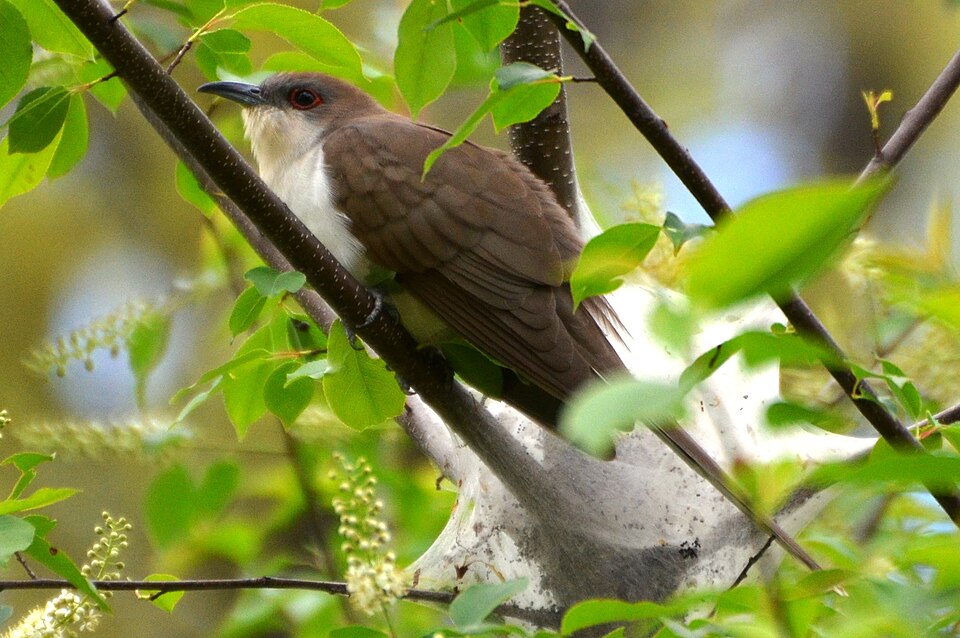
ハシグロカッコウ (Coccyzus erythropthalmus) ハシグロカッコウ
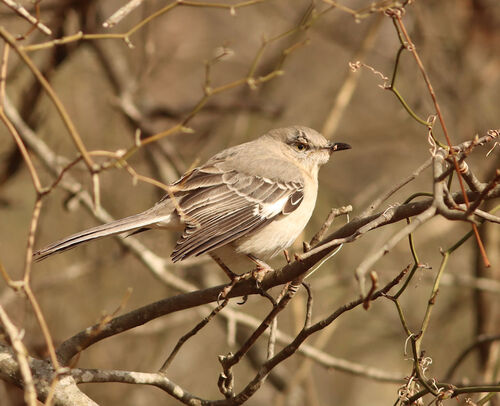
マネシツグミ (Mimus polyglottos) マネシツグミ

メディア

読み込み中…

要点

ブラックビルカッコウとマネシツグミを区別する最も信頼できるフィールドマークは、マネシツグミに見られる大胆な白い翼の斑点と外尾羽の存在です。特に飛行中や翼を広げたときに明らかで、カッコウには全く見られない特徴です。幼鳥のマネシツグミは背中と胸に特徴的な縞模様を示しますが、幼鳥のカッコウは地味で、翼に赤褐色があり、黄色の眼の輪があります。構造的には、カッコウはスリムで、長く段階的な茶色の尾と黒くわずかに下向きのくちばしを持ち、マネシツグミのより真っ直ぐなくちばしと相対的に長い脚と比較されます。両種は淡い腹部を持っていますが、マネシツグミは一般的に上面が灰色で、カッコウは茶色です。翼や尾に白い部分が見える鳥を見たら、それはマネシツグミです。尾がすべて茶色で、くちばしが黒く下向きであれば、それはカッコウです。

識別のコツ

  1. 白い翼の斑点と尾の縁(マネシツグミのみ): どの年齢や季節でも、翼に大胆な白い斑点や白い外尾羽が見える場合、特に飛行中や翼を広げたときは、マネシツグミを見ています。ブラックビルカッコウはこれらの領域に白を示しません。
  2. 幼鳥の羽毛: 幼鳥のマネシツグミは背中と胸に目立つ縞模様と斑点があり、灰色の虹彩を持っています。幼鳥のカッコウは地味で、翼に赤褐色があり、黄色の眼の輪があります。縞模様の幼鳥を見たら、それはマネシツグミです。
  3. くちばしの形と色: ブラックビルカッコウは細長く、完全に黒く、わずかに下向きのくちばしを持っています。マネシツグミのくちばしはより真っ直ぐで、黒く茶色の基部があり、基部でより重く見えます。くちばしの形は近距離または良い光の中で最もよく見えます。
  4. 尾の形と色: カッコウの尾は長く、段階的(長さが段階的に短くなる)で、均一に茶色です。マネシツグミの尾は長いですが、先端がより四角く、中央が黒く、飛行中や扇状に広げたときに白い外羽が見えます。
  5. 眼の輪の色: 成鳥のカッコウは狭い赤い眼の輪を持ち、幼鳥は黄色です。マネシツグミは淡い緑黄色または黄色の虹彩を持ち、時にはオレンジ色ですが、色付きの眼の輪はありません。
  6. 上面の色: カッコウは上面が茶色で、マネシツグミは灰色です。これは微妙ですが、良い光の中で役立つことがあります。
  7. 腹部の色: 両者は下部が淡いですが、マネシツグミはより一貫して白灰色で、カッコウは白です。
  8. 脚の長さと姿勢: マネシツグミは脚が長く、しばしば直立して立ったり、地面を走ったりします。カッコウはより水平に止まり、地面に来ることはほとんどありません。
  9. 行動: マネシツグミは大胆で、しばしば開けた場所にいて、翼を広げる行動を行います。カッコウは秘密主義で、密な葉の中で静かに餌を探し、めったに見せません。
  10. 生息地: マネシツグミは開けた、郊外の、または都市の地域で一般的で、カッコウはより密な森林や低木のある地域で見られることが多いです。
  11. 飛行スタイル: マネシツグミは跳ねるような直接的な飛行をし、頻繁に翼を打ち、白いフラッシュを見せます。カッコウはより直接的で静かに飛び、翼や尾に白は見えません。
  12. 巣立ち雛と幼鳥: 通常はフィールドでは関連性がありませんが、カッコウの雛はまばらな白い羽毛と奇妙なクリーム色の口の構造を持ち、マネシツグミの幼鳥は縞模様があり、2週間以内に止まり木に止まったり飛んだりし始めます。
  13. 鳴き声: ここでは説明されていませんが、マネシツグミは大きく多様で持続的な歌声で有名で、カッコウは一般的にずっと静かで鳴き声が少ないです。
  14. 季節的文脈: マネシツグミはその範囲のほとんどで年間を通じて居住しており、カッコウは渡り鳥で、春と夏には森林で見られることが多いです。
  15. 複数のマーク: 常にマークの組み合わせを使用してください—翼/尾の白と大胆な行動はマネシツグミを指し、茶色の秘密主義の鳥で、黒く下向きのくちばしを持ち、翼や尾に白がないのはカッコウです。

大きさ

マネシツグミは平均してやや重い(成鳥の質量は約48g [wikidata])ですが、両種は全体的なサイズと長さが似ており、マネシツグミは長さ20.5〜28cm、翼幅31〜38cm [wikipedia]です。カッコウの測定値はここでは指定されていませんが、構造的にはよりスリムで、より長く段階的な尾を持ち、マネシツグミは相対的に長い脚と短く四角い尾を持っているように見えます。フィールドでは、サイズだけでは強い区別にはなりませんが、マネシツグミはしばしばより頑丈で直立して見え、特に止まっているときにそう見えます。

羽色

幼鳥のマネシツグミは背中と胸に縞模様と斑点があり、灰色または灰緑色の虹彩を持っています。それに対して、幼鳥のブラックビルカッコウは地味で、翼に赤褐色があり、黄色の眼の輪があります。成鳥のマネシツグミは上面が灰色で、下面が白または白灰色で、飛行中や翼を広げたときに見える大胆な白い翼の斑点と白い外尾羽を持っています。成鳥のブラックビルカッコウは上面が茶色で、下面が白で、長く段階的な茶色の尾と狭い赤い眼の輪を持っています。カッコウは翼や尾に白を持ちません。マネシツグミのくちばしは黒く茶色の基部があり、カッコウのくちばしは完全に黒くわずかに下向きです。すべての羽毛において、マネシツグミの白い翼と尾のマーキングは診断的であり、カッコウには決して見られません。

行動

マネシツグミはしばしば目立ち、開けた場所に止まり、歌い、白い翼の斑点を見せる翼を広げる行動を行います。また、地面で時間を過ごし、走ったり跳ねたりし、特に繁殖期には領土意識が強く攻撃的です。ブラックビルカッコウはより秘密主義で、低木や木の中で静かに餌を探し、地面に来ることはほとんどありません。彼らの動きはより慎重で大胆さに欠け、開けた場所で見られたり、ディスプレイ行動を行ったりすることは少ないです。カッコウは脅威を感じると、特に幼鳥の時に直立したまま動かない姿勢を取ることがあります。

生息環境

マネシツグミは開けた地域、郊外の公園、庭、そして人間の居住地の近くで一般的です。北アメリカ、カリブ海、ハワイ [wikipedia]。ブラックビルカッコウはより密な森林の生息地を好み、特に毛虫の発生時には森林や低木のある地域で見られます。マネシツグミは都市や郊外の環境で見られることが多いですが、カッコウは通常、静かであまり干渉されない森林や低木の環境で遭遇します。

より良い説明を送る

比較と同じ項目を使ってください。文章はすぐに公開されます。

The most reliable field mark to separate Black-billed Cuckoo from Northern Mockingbird is the presence of bold white wing patches and outer tail feathers in the mockingbird, especially obvious in flight or when the bird flashes its wings—features entirely absent in the cuckoo. Juvenile mockingbirds also show distinctive streaking on the back and chest, while juvenile cuckoos are drabber with some rufous in the wing and a yellow orbital ring. Structurally, the cuckoo is slimmer, with a longer, graduated brown tail and a black, slightly downcurved bill, compared to the mockingbird’s straighter bill and proportionally longer legs. Both species have pale underparts, but the mockingbird is generally grayer above and the cuckoo browner. If you see a bird with white in the wings or tail, it is a mockingbird; if the tail is all brown and the bill is black and downcurved, it is a cuckoo.

  1. White wing patches and tail edges (mockingbird only): In any age or season, if you see bold white patches in the wings or white outer tail feathers, especially in flight or during wing-flashing, you are looking at a Northern Mockingbird. Black-billed Cuckoo never shows white in these areas.
  2. Juvenile plumage: Juvenile mockingbirds have noticeable streaks and spots on the back and chest, and a grayish iris. Juvenile cuckoos are plainer, with some rufous in the wing and a yellow orbital ring. If you see a streaky juvenile, it is a mockingbird.
  3. Bill shape and color: Black-billed Cuckoo has a slender, entirely black, slightly downcurved bill. Mockingbird’s bill is straighter, black with a brownish base, and appears heavier at the base. Bill shape is best seen at close range or in good light.
  4. Tail shape and color: Cuckoo’s tail is long, graduated (steps down in length), and uniformly brown. Mockingbird’s tail is long but squarer at the tip, black in the center with white outer feathers visible in flight or when fanned.
  5. Orbital ring color: Adult cuckoos have a narrow red orbital ring; juveniles have yellow. Mockingbirds have a pale green-yellow or yellow iris, sometimes orange, but lack a colored orbital ring.
  6. Upperpart color: Cuckoo is brown above; mockingbird is gray. This is subtle but can help in good light.
  7. Underpart color: Both are pale below, but mockingbird is more consistently whitish-gray, while cuckoo is white.
  8. Leg length and posture: Mockingbirds have longer legs and often stand upright or run on the ground. Cuckoos perch more horizontally and rarely come to the ground.
  9. Behavior: Mockingbirds are bold, often in the open, and perform wing-flashing. Cuckoos are secretive, foraging quietly in dense foliage and rarely displaying.
  10. Habitat: Mockingbirds are common in open, suburban, or urban areas; cuckoos are more likely in dense woods or thickets, especially during caterpillar outbreaks.
  11. Flight style: Mockingbirds have a bounding, direct flight with frequent wingbeats and show white flashes. Cuckoos fly more directly and quietly, with no white visible in the wings or tail.
  12. Nestlings and fledglings: Not usually relevant in the field, but cuckoo chicks have sparse white down and odd creamy mouth structures, while mockingbird fledglings are streaky and begin perching and flying within two weeks.
  13. Vocalization: Not described here, but mockingbirds are famous for loud, varied, and persistent singing, while cuckoos are much quieter and less vocal in general.
  14. Seasonal context: Mockingbirds are resident year-round in much of their range; cuckoos are migratory and more likely in woodlands during spring and summer.
  15. Multiple marks: Always use a combination of marks—white in wing/tail and bold behavior point to mockingbird, while a brown, secretive bird with a black downcurved bill and no white in the wings or tail is a cuckoo.

Northern Mockingbird is slightly heavier on average (adult mass around 48 g [wikidata]), but both species are similar in overall size and length, with the mockingbird measuring 20.5–28 cm in length and a wingspan of 31–38 cm [wikipedia]. The cuckoo’s measurements are not specified here, but structurally it is more slender and has a longer, more graduated tail, while the mockingbird appears bulkier with a proportionally longer leg and shorter, squarer tail. In the field, size alone is not a strong separator, but the mockingbird often looks more robust and upright, especially when perched.

Juvenile mockingbirds are marked by streaks and spots on the back and chest, and a gray or grayish-green iris. In contrast, juvenile Black-billed Cuckoos are drabber, with some rufous in the wing and a yellow orbital ring. Adult mockingbirds are gray above and white or whitish-gray below, with bold white wing patches and white outer tail feathers visible in flight or when wing-flashing. The adult Black-billed Cuckoo is brown above, white below, with a long, graduated brown tail and a narrow red orbital ring. The cuckoo lacks any white in the wings or tail. The mockingbird’s bill is black with a brownish base, while the cuckoo’s bill is entirely black and slightly downcurved. In all plumages, the mockingbird’s white wing and tail markings are diagnostic and never shown by the cuckoo.

Northern Mockingbirds are often conspicuous, perching in open view, singing, and performing wing-flashing displays that reveal their white wing patches. They also spend time on the ground, running and hopping, and are territorial and aggressive, especially during breeding season. Black-billed Cuckoos are more secretive, foraging quietly in shrubs or trees and rarely coming to the ground. Their movements are more deliberate and less bold; they are less likely to be seen in open spaces or performing display behaviors. Cuckoos may adopt an erect, motionless posture when threatened, especially as juveniles.

Northern Mockingbirds are common in open areas, suburban parks, gardens, and edges, often near human habitation across North America, the Caribbean, and Hawaii [wikipedia]. Black-billed Cuckoos prefer denser, more forested habitats and are more often found in woodlands or shrubby areas, especially where there are outbreaks of caterpillars. Mockingbirds are much more likely in urban or suburban settings, while cuckoos are typically encountered in quieter, less disturbed woodland or thicket environments.

変更を破棄しますか?

保存していない編集があります。今離れると失われます。

ハシグロカッコウ · マネシツグミ · 苦手な鳥