

Motmot

クロハラテリムク 対 シマオオナガテリムク

Notopholia corusca 対 Lamprotornis mevesii

クロハラテリムクとシマオオナガテリムクのクイズ
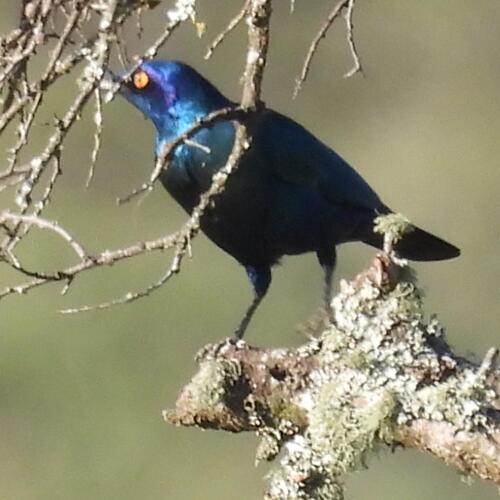
クロハラテリムク (Notopholia corusca) クロハラテリムク
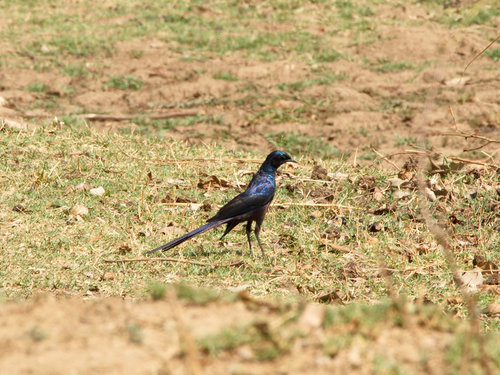
シマオオナガテリムク (Lamprotornis mevesii) シマオオナガテリムク

メディア

読み込み中…

要点

クロハラテリムクとシマオオナガテリムクを区別する最も信頼できるフィールドマークは尾です:シマオオナガテリムクははるかに長く、強くグラデーションのかかった尾を持ち、クロハラテリムクは短い尾を持っています。良い光の下では、シマオオナガテリムクは強い虹色の光沢を示し(亜種によって緑、青、または紫)、クロハラテリムクは光沢が少なく、暗い腹部を持っています。目の色も役立ちます:シマオオナガテリムクは暗い目を持ち、クロハラテリムクの虹彩は気分や行動によって色が変わることがあります。両種は南アフリカで重なることがあるため、尾の形状と光沢に注意を払うことが重要です。

識別のコツ

  1. Tail length and shape: シマオオナガテリムクは非常に長く、強くグラデーションのかかった尾を持ち、中央の羽は外側の羽よりもはるかに長いです。これは、止まっているときも飛んでいるときも見える最も信頼できるフィールドマークです。クロハラテリムクの尾は短く、グラデーションが少ないです。
  2. Iridescent gloss: シマオオナガテリムクは良い光の下で非常に虹色で、光沢の色は亜種によって異なります(緑青、紫、または鈍い茶色)。クロハラテリムクは光沢が少なく、全体的に暗く見えます、特に腹部で。
  3. Belly color: クロハラテリムクは特徴的に暗い(黒っぽい)腹部を持ち、これはシマオオナガテリムクにはありません。このマークは、鳥が止まっているときや良い光の下で最もよく見えます。
  4. Eye color: シマオオナガテリムクは一貫して暗い目を持っています。クロハラテリムクの虹彩は気分や行動によって色が変わることがあり、淡いまたは変化する虹彩はクロハラテリムクを示すかもしれませんが、これはフィールドでは常に信頼できるわけではありません。
  5. Size and structure: シマオオナガテリムクはより大きく、より細長い体型を持ち、尾が明らかに長く、全体的にスリムな外観です。クロハラテリムクはよりコンパクトです。
  6. Flight silhouette: 飛行中、シマオオナガテリムクの長い尾は明らかで、伸びた、ほぼカササギのような外観を与えます。クロハラテリムクは短い尾を持ち、よりテリムクのように見えます。
  7. Gloss color by region: 南西アンゴラにいる場合は、鈍い茶色のシマオオナガテリムク(亜種 benguelensis)を探してください。北ナミビアと南中アンゴラでは、シマオオナガテリムクは紫色の光沢を示すことがあります(亜種 violacior)。南東アンゴラ、北東ナミビア、ボツワナ、南東ザンビア、南マラウイ、北東南アフリカでは、非常に緑と青の光沢が期待されます(亜種 mevesii)。
  8. Habitat context: モパネの森林や河川流域にいる場合、特に季節的に洪水が発生する地域では、シマオオナガテリムクの方が見られる可能性が高いです。クロハラテリムクはこれらの生息地にあまり依存しません。
  9. Flocking behavior: シマオオナガテリムクは、小さな群れで見られることが多く、特に好む生息地で見られます。クロハラテリムクの群れ行動はあまり記述されていませんが、単独または小さなグループで見られることがあります。
  10. Geographic overlap: 両種はモザンビーク、南アフリカ、ジンバブエに生息しています。これらの地域での識別には、範囲だけでなく、構造的および羽毛のマークを使用してください。
  11. Juvenile/immature birds: 幼鳥の上翼や飛行パターンの違いは記述されていないため、尾の長さと全体的な光沢に頼って区別してください。
  12. Perched vs. flight views: 尾の長さとグラデーションは、止まっているときと飛行中の両方で見えますが、鳥が止まって尾を広げているときや枝の下にぶら下がっているときに判断しやすいです。
  13. Lighting conditions: 両種は悪い光の下で暗く見えることがありますが、シマオオナガテリムクは明るい光の下でより多くの虹色を示します。クロハラテリムクの腹部は照明に関係なく暗いままです。
  14. Potential pitfalls: 鈍い光の下では、シマオオナガテリムクがほぼ黒に見えることがあり、これがクロハラテリムクとの混同を引き起こす可能性があります。可能であれば、尾の長さと腹部の色を常に確認してください。
  15. Iris color as a secondary mark: クロハラテリムクの虹彩は色が変わることがありますが、これはフィールドでは常に見えるわけではなく、信頼できるわけでもありません。これは補助的な証拠として使用し、主要なフィールドマークとしては使用しないでください。

大きさ

シマオオナガテリムクは2種の中で大きく、体重は約79.6gです [wikidata]。全体的に明らかに長く(30–36 cm)、非常に長い尾によるものです。クロハラテリムクは小さく、よりコンパクトで、尾が短く、細長い外観が少ないです。フィールドでは、シマオオナガテリムクは一般的にスリムで伸びた印象を与え、特に止まっているときや飛んでいるときにそう見えます。

羽色

行動

シマオオナガテリムクは通常、小さな群れで見られ、モパネの森林や河川流域に生息し、雨季に洪水が発生する地域によく出没します。その長い尾は、飛行をより浮遊感があり、細長く見せることがあります。クロハラテリムクの行動は情報源ではあまり記述されていませんが、モパネの森林やシマオオナガテリムクの顕著な群れ行動との関連はありません。両種は社交的ですが、生息地の文脈と群れの構造が識別に役立つかもしれません。

生息環境

シマオオナガテリムクはモパネの森林を好み、特に河川流域や季節的に洪水が発生する地域に生息しています。南中アフリカ全体に広がっており、アンゴラ、ボツワナ、マラウイ、モザンビーク、ナミビア、南アフリカ、ザンビア、ジンバブエを含みます。クロハラテリムクはエスワティニ、ケニア、モザンビーク、ソマリア、南アフリカ、タンザニア、ジンバブエ全体のより広範な生息地に見られます。両種はモザンビーク、南アフリカ、ジンバブエで見られますが、シマオオナガテリムクはモパネの森林や河川生息地により依存しているのに対し、クロハラテリムクは情報源では生息地に特化していません。

より良い説明を送る

比較と同じ項目を使ってください。文章はすぐに公開されます。

The most reliable field mark to separate Black-bellied Starling from Meves's Starling is the tail: Meves's Starling has a much longer, strongly graduated tail, while Black-bellied Starling has a shorter tail. In good light, Meves's Starling shows strong iridescent gloss (often green, blue, or violet depending on subspecies), while Black-bellied Starling is less glossy and has a dark belly. Eye color is also helpful: Meves's Starling has dark eyes, while Black-bellied Starling's iris can change color with mood or behavior. Both species can overlap in southern Africa, so careful attention to tail shape and gloss is essential.

  1. Tail length and shape: Meves's Starling has a very long, strongly graduated tail, with the central feathers much longer than the outer ones. This is the single most reliable field mark, visible both perched and in flight. Black-bellied Starling's tail is shorter and less graduated.
  2. Iridescent gloss: Meves's Starling is intensely iridescent in good light, with gloss color varying by subspecies (green-blue, violet-purple, or duller brownish). Black-bellied Starling is less glossy and appears darker overall, especially on the belly.
  3. Belly color: Black-bellied Starling has a distinctively dark (blackish) belly, which is not present in Meves's Starling. This mark is best seen when the bird is perched or in good light.
  4. Eye color: Meves's Starling has consistently dark eyes. Black-bellied Starling's iris can change color depending on mood or behavior, so a pale or changing iris may indicate Black-bellied Starling, but this is not always reliable in the field.
  5. Size and structure: Meves's Starling is larger and more elongated, with a noticeably longer tail and overall lankier appearance. Black-bellied Starling is more compact.
  6. Flight silhouette: In flight, Meves's Starling's long tail is obvious and gives a stretched, almost magpie-like look. Black-bellied Starling appears shorter-tailed and more starling-like.
  7. Gloss color by region: If you are in southwestern Angola, look for duller, browner Meves's Starling (subspecies benguelensis). In northern Namibia and south-central Angola, Meves's Starling may show a violet-purple gloss (subspecies violacior). In southeastern Angola, northeastern Namibia, Botswana, southeastern Zambia, southern Malawi, and northeastern South Africa, expect intensely green-and-blue gloss (subspecies mevesii).
  8. Habitat context: If you are in mopane woodland or along a river basin, especially in areas that flood seasonally, Meves's Starling is more likely. Black-bellied Starling is less tied to these habitats.
  9. Flocking behavior: Meves's Starling is often seen in small flocks, especially in its preferred habitats. Black-bellied Starling's flocking habits are less described, but it may be seen singly or in smaller groups.
  10. Geographic overlap: Both species occur in Mozambique, South Africa, and Zimbabwe. Use structural and plumage marks rather than range alone for identification in these areas.
  11. Juvenile/immature birds: No distinctive upperwing or flight pattern differences are described for immatures, so rely on tail length and overall glossiness for separation.
  12. Perched vs. flight views: Tail length and graduation are visible in both perched and flight views, but are often easiest to judge when the bird is perched with the tail spread or hanging below the branch.
  13. Lighting conditions: Both species can look dark in poor light, but Meves's Starling will show more iridescence in bright light. Black-bellied Starling's belly remains dark regardless of lighting.
  14. Potential pitfalls: In dull light, Meves's Starling can appear almost black, which may cause confusion with Black-bellied Starling. Always check tail length and belly color if possible.
  15. Iris color as a secondary mark: While Black-bellied Starling's iris can change color, this is not always visible or reliable in the field. Use it as supporting evidence, not as a primary field mark.

Meves's Starling is the larger of the two, with a body mass around 79.6g [wikidata]. It is also noticeably longer overall (30–36 cm), largely due to its very long tail. Black-bellied Starling is smaller and more compact, with a shorter tail and a less elongated appearance. In the field, Meves's Starling will generally appear lankier and more stretched out, especially when perched or in flight.

  • Adults: Meves's Starling is highly iridescent, with the gloss color varying by subspecies (green-and-blue, violet-purple, or duller brownish with less gloss). Its tail is long and graduated, with the central feathers much longer than the outer ones. The eyes are dark. Black-bellied Starling, in contrast, is less glossy overall and has a distinctive dark (blackish) belly, which gives the species its name. Its tail is shorter and less graduated.

  • Immatures/Juveniles: No specific juvenile or first-winter upperwing or flight pattern differences are described in the sources for these two species. Therefore, separation in immature plumage relies mostly on structure (tail length and shape) and overall glossiness, which is reduced in young Meves's Starling but still longer-tailed than Black-bellied Starling.

  • In flight: Meves's Starling's long, graduated tail is obvious, while Black-bellied Starling appears more compact and short-tailed. Both species can look dark in dull light, but Meves's Starling will show more iridescence in good light.

Meves's Starling is typically found in small flocks, often in mopane woodland and along river basins, and is known to frequent areas that flood in the rainy season. Its long tail can make its flight appear more buoyant and elongated. Black-bellied Starling's behavior is less described in the sources, but it does not have the same association with mopane woodland or the pronounced flocking behavior of Meves's Starling. Both species are social, but the context of habitat and flock structure may help with identification.

Meves's Starling prefers mopane woodland, especially along river basins and in regions that flood seasonally. It is widespread in southern-central Africa, including Angola, Botswana, Malawi, Mozambique, Namibia, South Africa, Zambia, and Zimbabwe. Black-bellied Starling is found in a broader range of habitats across Eswatini, Kenya, Mozambique, Somalia, South Africa, Tanzania, and Zimbabwe. While both can be found in Mozambique, South Africa, and Zimbabwe, Meves's Starling is more tied to mopane woodland and riverine habitats, whereas Black-bellied Starling is less habitat-specific in the sources.

変更を破棄しますか?

保存していない編集があります。今離れると失われます。

クロハラテリムク · シマオオナガテリムク · 苦手な鳥