

Motmot

クロハラテリムク 対 コシアカテリムク

Notopholia corusca 対 Lamprotornis australis

クロハラテリムクとコシアカテリムクのクイズ
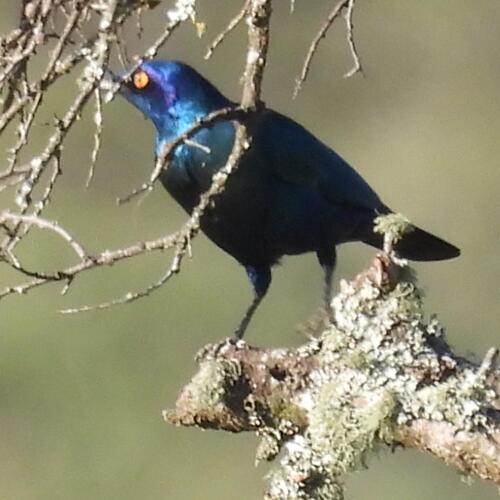
クロハラテリムク (Notopholia corusca) クロハラテリムク
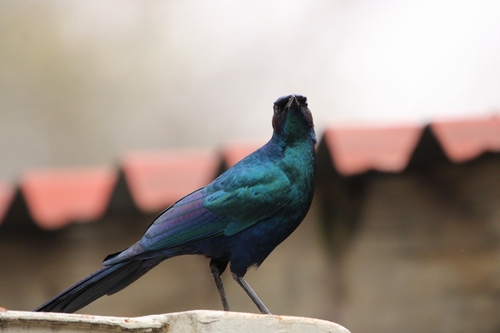
コシアカテリムク (Lamprotornis australis) コシアカテリムク

メディア

読み込み中…

要点

フィールドでクロハラテリムクとコシアカテリムクを区別する最も信頼できる方法は、羽毛に焦点を当てることです:クロハラテリムクは特徴的な暗い腹部を示し、コシアカテリムクは光沢があり、この特徴がありません。構造的な違いは微妙ですが、コシアカテリムクは明らかに重いです。両種は南アフリカに生息していますが、生息地の好みが役立つかもしれません:クロハラは東アフリカでより広く分布し、コシアカは乾燥した森林やサバンナに関連しています。クロハラテリムクの虹彩の色は気分によって変わることがありますが、コシアカでは見られません。特に鳥が止まっているときは、腹部の色と全体の光沢を最初のチェックとして使用してください。

識別のコツ

  1. 腹部の色は最も信頼できるフィールドマークです:クロハラテリムクは明確に暗いまたは黒い腹部を持ち、コシアカテリムクは全体が光沢があり、暗い腹部の斑点がありません。これは止まっている鳥に見られ、良い腹部の視点が得られれば飛行中でもしばしば見えます。
  2. 全体の光沢と色:コシアカテリムクはより均一に金属的な青緑または紫で、クロハラの対照的な腹部がありません。強い光の下では、コシアカはほぼ完全に虹色に見えることがあります。
  3. 虹彩の色(クロハラのみ):クロハラテリムクの虹彩は、血流の変化により気分や行動によって色が変わることがあります。変化するまたは異常な虹彩の色を持つ鳥を見た場合、それはおそらくクロハラです。コシアカはこの特性を示しません。
  4. サイズと体型:コシアカテリムクは重くてがっしりしており(約80g)、クロハラは軽くて細身です。これは両種を一緒に見るときや、彼らの典型的な姿に慣れているときに最も役立ちます。
  5. 生息地の文脈:南アフリカの乾燥した開けた森林やサバンナでは、コシアカが期待されます。クロハラは、より湿った地域や北/東にさらに広い範囲の生息地で見られる可能性があります。
  6. 特定の年齢に特有の翼や飛行マークはない:どちらの種もユニークな幼鳥や未熟な上翼パターンを持つとは記述されていないため、翼のパネルや飛行マークに頼って区別しないでください。
  7. 羽毛の落とし穴:両者は光沢のあるヒタキであり、距離や悪い光の中で似て見えることがあります。常に腹部と下部を明確に見るようにしてください。
  8. 止まっているときと飛行中の視点:腹部の色は止まっている鳥や鳥があなたに向かっているときに最も見やすいです。飛行中は、可能であれば下部のコントラストを探してください。
  9. 性別は似ている:どちらの種にも性的二形性は記載されていないため、すべてのフィールドマークはオスとメスの両方に適用されます。
  10. 季節的変化は診断的ではない:どちらの種についても、同定に影響を与える季節的な羽毛の変化は記述されていません。
  11. 声は記述されていない:ヒタキの声を聞いて不明な場合は、このペアのために視覚的なマークに頼ってください。
  12. 虹彩の色を行動の手がかりとして:特に興奮しているときに変化するまたは明らかに淡い虹彩を持つヒタキを見た場合、これはクロハラテリムクを支持します。
  13. 地理的重複:南アフリカでは両種が発生する可能性があるため、場所だけに頼らず、常に腹部の色を確認してください。
  14. 光沢のパターン:鳥が頭から腹部まで均一に光沢がある場合はコシアカを疑い、光沢が暗い腹部で急に終わる場合はクロハラです。
  15. 群れのサイズと行動:両種はペアまたは小さな群れで見られることがあり、群れ行動は信頼できる区別要因ではありません。

大きさ

コシアカテリムクはクロハラテリムクよりもかなり重い(約80g)ですが、ここでは質量は示されていませんが、一般的に軽くて細身の体型です。フィールドでは、コシアカは特に並んで見たり、似たような生息地で見たりすると、よりがっしりして見えることがあります。しかし、サイズだけでは直接比較しない限り判断が難しいことがあります。

羽色

羽毛の主な違いは腹部です:クロハラテリムクは暗い、ほぼ黒い腹部を持ち、光沢のある上部と対照的ですが、コシアカテリムクは対照的な暗い腹部なしに均一に光沢があります。両種は一般的に光沢があり金属的ですが、コシアカは体全体にわたってより均一に青緑または紫です。どちらの種についても年齢特有の翼や飛行パターンの違いは記述されておらず、両者は成鳥として典型的な光沢のあるヒタキです。利用可能なメモには、どちらの種の幼鳥や未熟な上翼のマークについての言及はありません。

行動

両種は行動において典型的なヒタキであり、しばしばペアまたは小さな群れで見られます。コシアカテリムクは一夫一妻制であり、定住している可能性が高いと記述されており、他のヒタキよりも大きな移動性の群れを形成する可能性が低いことを示唆しています。クロハラテリムクの行動は詳細には記載されていませんが、フィールドでの両者の間に劇的な行動の違いを示唆するものはありません。

生息環境

クロハラテリムクは東部および南部アフリカ(エスワティニ、ケニア、モザンビーク、ソマリア、南アフリカ、タンザニア、ジンバブエ)に広く分布していますが、コシアカテリムクは南アフリカに固有で、特に乾燥した森林や湿潤な森林およびサバンナに関連しています。南アフリカの乾燥した開けた森林やサバンナにいる場合、コシアカがより可能性が高いですが、より湿ったまたは多様な生息地や北/東に行くと、クロハラが可能です。しかし、南アフリカの一部では分布が重なっているため、生息地はあくまで補助的な手がかりです。

より良い説明を送る

比較と同じ項目を使ってください。文章はすぐに公開されます。

The most reliable way to separate Black-bellied Starling from Burchell's Starling in the field is by focusing on plumage: Black-bellied Starling shows a distinctive dark belly, while Burchell's Starling is glossy and lacks this feature. Structural differences are subtle but Burchell's is notably heavier. Both species occur in southern Africa, but habitat preferences may help: Black-bellied is more widespread in East Africa, while Burchell's is tied to drier woodlands and savannah. Iris color in Black-bellied Starling can shift with mood, which is not seen in Burchell's. Use belly color and overall gloss as your first checks, especially when birds are perched.

  1. Belly color is the single most reliable field mark: Black-bellied Starling has a distinctly dark or black belly, while Burchell's Starling is glossy throughout with no dark belly patch. This is visible on perched birds and often even in flight if you get a good ventral view.
  2. Overall gloss and color: Burchell's Starling is more uniformly metallic blue-green or purple, lacking the contrasting belly of Black-bellied. In strong light, Burchell's can appear almost entirely iridescent.
  3. Iris color (Black-bellied only): Black-bellied Starling's iris can change color with mood or behavior due to blood flow changes. If you notice a bird with a shifting or unusual iris color, it is likely Black-bellied. Burchell's does not show this trait.
  4. Size and build: Burchell's Starling is heavier and bulkier (about 80g), while Black-bellied is lighter and more slender. This is most useful when you see both species together or are familiar with their typical jizz.
  5. Habitat context: In dry, open woodlands or savannahs of southern Africa, Burchell's is expected. Black-bellied is more likely in a wider range of habitats, including moister areas and further north/east.
  6. No distinctive age-specific wing or flight marks: Neither species is described as having unique juvenile or immature upperwing patterns, so do not rely on wing panels or flight marks for separation.
  7. Plumage pitfalls: Both are glossy starlings and can look similar at a distance or in poor light. Always try to get a clear view of the belly and underparts.
  8. Perched vs. flight views: The belly color is easiest to see on perched birds or when the bird is facing you. In flight, look for the underbody contrast if possible.
  9. Sexes similar: No sexual dimorphism is noted for either species, so all field marks apply to both males and females.
  10. Seasonal variation not diagnostic: No seasonal plumage changes are described for either species that would affect identification.
  11. Voice not described: If you hear a starling and are unsure, rely on visual marks rather than calls for this pair.
  12. Iris color as a behavioral clue: If you see a starling with a noticeably pale or changing iris, especially if it seems to shift with agitation, this supports Black-bellied Starling.
  13. Geographic overlap: In southern Africa, both species can occur, so do not rely solely on location—always check the belly color.
  14. Gloss pattern: If the bird appears uniformly glossy from head to vent, suspect Burchell's; if the gloss abruptly ends at a dark belly, it's Black-bellied.
  15. Group size and behavior: Both species can be seen in pairs or small groups; flocking behavior is not a reliable separator.

Burchell's Starling is significantly heavier (about 80g) than Black-bellied Starling, which is not given a mass here but is generally lighter and more slender in build. In the field, Burchell's may appear bulkier and more robust, especially when seen side by side or in similar habitat. However, size alone can be hard to judge unless you have direct comparison.

The key plumage difference is the belly: Black-bellied Starling has a dark, almost black belly contrasting with its iridescent upperparts, while Burchell's Starling is uniformly glossy without a contrasting dark belly. Both species are generally glossy and metallic, but Burchell's is more uniformly blue-green or purple across the body. No age-specific wing or flight pattern differences are described for either species, and both are typical glossy starlings as adults. There is no mention of distinctive juvenile or immature upperwing marks for either species in the available notes.

Both species are typical starlings in behavior, often seen in pairs or small groups. Burchell's Starling is described as monogamous and likely sedentary, suggesting it may be less likely to form large, mobile flocks than some other starlings. Black-bellied Starling's behavior is not detailed, but nothing in the notes suggests a dramatic behavioral difference between the two in the field.

Black-bellied Starling is found across a broad range in eastern and southern Africa (Eswatini, Kenya, Mozambique, Somalia, South Africa, Tanzania, Zimbabwe), while Burchell's Starling is native to southern Africa and is especially associated with dry and mesic woodlands and savannah. If you are in a dry, open woodland or savannah in southern Africa, Burchell's is more likely; in more humid or varied habitats, or further north/east, Black-bellied is possible. However, ranges overlap in parts of southern Africa, so habitat is only a supporting clue.

変更を破棄しますか?

保存していない編集があります。今離れると失われます。

クロハラテリムク · コシアカテリムク · 苦手な鳥