

Motmot

カオジロガン 対 オオハクチョウ

Branta leucopsis 対 Cygnus cygnus

カオジロガンとオオハクチョウのクイズ
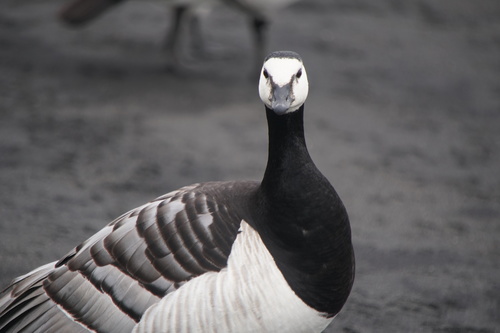
カオジロガン (Branta leucopsis) カオジロガン
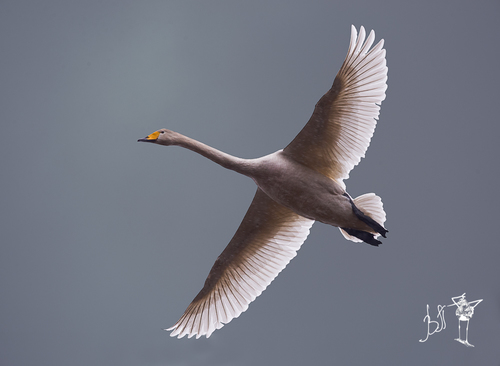
オオハクチョウ (Cygnus cygnus) オオハクチョウ

メディア

読み込み中…

要点

カオジロガンとオオハクチョウを区別する最も信頼できる方法は、サイズと構造です:オオハクチョウは非常に大きく、長い首と巨大な黄色と黒のくちばしを持っていますが、カオジロガンは短い黒いくちばしと特徴的な白黒の羽毛を持つコンパクトな中型のガンです。飛行中、カオジロガンは黒と白のバーがある銀灰色の上翼と大胆な白い尾羽を示しますが、オオハクチョウは全体が白色(頭/首に rust の染みがある可能性を除いて)で、暗い翼の模様はありません。幼鳥のカオジロガンは成鳥に非常によく似ていますが、やや丸みを帯びた背中と脇羽を持ち、一方、幼鳥のオオハクチョウは均一な淡い灰色です。遠くからでも、スワンの巨大な体、長い首、全白の翼は、より小さく、模様のあるガンと対照的に際立ちます。

識別のコツ

  1. サイズは最も明らかな手がかり:オオハクチョウはカオジロガンの約7倍の重さです。スワンサイズに見える鳥を見たら、それはカオジロガンではありません。
  2. 首の長さと姿勢:オオハクチョウは非常に長く、まっすぐな首を持ち、飛行中はしばしば直立または伸ばされています。カオジロガンは、ガンに典型的な短くて太い首を持っています。
  3. くちばしの形と色:オオハクチョウは、主に黄色で黒い先端を持つ長いくさび形のくちばしを持っています。カオジロガンは短くて太い黒いくちばしを持っています。
  4. 羽毛の模様(成鳥):カオジロガンは白い顔、黒い頭/首/胸、銀灰色の背中に黒と白のバー、白い腹を示します。オオハクチョウは純白(時々頭/首に rust の染みがある)、黒や灰色の模様はありません。
  5. 幼鳥の羽毛:幼鳥のカオジロガンはまだ黒、白、灰色で、丸みを帯びた背中/脇羽を持っています。幼鳥のオオハクチョウは均一な淡い灰色または灰褐色で、黒や白の顔の模様はありません。
  6. 飛行パターンと翼の模様:飛行中、カオジロガンは大胆な白い尾羽、銀灰色の下翼、黒と白のバーがある上翼を示します。オオハクチョウは飛行中全体が白で、対照的な翼の模様はありません。
  7. 尾の形:オオハクチョウは短くて丸い尾を持っています(コブハクチョウのように長く尖ってはいません)。カオジロガンは短い尾を持っていますが、これはスワンのものほど特徴的ではありません。
  8. 脚の色:カオジロガンは黒い脚を持っています;オオハクチョウの脚も黒ですが、通常は鳥が歩いているか立っているときでないと見えません。
  9. 声:オオハクチョウは深く、共鳴するトランペットのような鳴き声を出します;カオジロガンは高い音の、吠えるようなまたはキャンキャンとした鳴き声を出します。もし「クルークルークルー」という音を聞いたら、それはスワンです。
  10. 採餌行動:オオハクチョウはしばしば頭と首を水中に沈めて餌を食べます;カオジロガンは典型的なガンのように陸で草を食べます。
  11. 生息地の文脈:大きな白い鳥がいる広い水域はオオハクチョウを持つ可能性が高い;小さく模様のあるガンがいる草地や塩湿地はカオジロガンを持つ可能性が高いです。
  12. 群れの構成:オオハクチョウはしばしば家族群で、成鳥と子スワンの間に明確なサイズの違いがあります;カオジロガンの群れはサイズと構造がより均一です。
  13. 幼鳥のくちばしの模様:幼鳥のオオハクチョウはピンクと黒っぽい灰色のくちばしを持ち、成鳥の黄色と黒ではありません;カオジロガンの幼鳥は成鳥と同じ黒いくちばしを持っています。
  14. 顔の模様:カオジロガンだけが黒い頭/首を持つ白い顔を持っています;オオハクチョウの顔は全て白いです(rust の染みがある可能性を除いて)。
  15. 迷ったときは:もし鳥が全て白くてスワンサイズなら、それはオオハクチョウです。もしそれが小さく、白い顔と黒い首を持っているなら、それはカオジロガンです。

大きさ

オオハクチョウは最も重い飛ぶ鳥の一つで、オスは平均11 kg以上、メスは8–9 kgで、長さは140–165 cm、翼幅は最大275 cmです。カオジロガンははるかに小さく、約1.7 kgで、長さは55–70 cm、翼幅は120–145 cmです。サイズの違いは劇的です:オオハクチョウはカオジロガンを圧倒し、遠くからでもほぼスワンサイズに見えますが、カオジロガンはマガモよりわずかに大きいだけです。一緒に見られた場合、サイズに重複はありません。

羽色

行動

オオハクチョウは、特に移動中や冬に家族群や大きな群れで見られることが多く、飛び立つ前にさまざまな合図の動きを示します(頭を上下に動かしたり、振ったり、翼をはためかせたりします)。彼らは力強く、安定した飛行者で、深い翼のビートと長い首を伸ばして飛びます。カオジロガンも群れを形成しますが、よりコンパクトで機敏に見え、短い首とより直接的で迅速な飛行を持っています。スワンはしばしば頭と首を水中に沈めて餌を食べますが、カオジロガンは典型的なガンのように草を食べます。

生息環境

両種は移動中や冬に湿地、湖、河口で見られますが、オオハクチョウはより大きく、深い水域と開けた風景を好み、カオジロガンは草地、塩湿地、沿岸の草地で餌を食べることが多いです。冬の生息地での重複は可能ですが、スワンの開水の好みとガンの草地の好みは、文脈で彼らを区別するのに役立ちます。

声

オオハクチョウは非常に声が大きく、三つまたは四つのグループで「クルークルークルー」と表現される大きく共鳴するトランペットのような鳴き声を持ち、Bewick’s Swan よりも低い音で共鳴します。カオジロガンは高い音の、吠えるようなまたはキャンキャンとした鳴き声を持ち、スワンの深いバグリングとはかなり異なります。声だけでも、よく聞こえれば彼らを区別するのに十分です。

より良い説明を送る

比較と同じ項目を使ってください。文章はすぐに公開されます。

The most reliable way to separate Barnacle Goose from Whooper Swan is by size and structure: Whooper Swan is vastly larger, with a long neck and massive yellow-and-black bill, while Barnacle Goose is a compact, medium-sized goose with a short black bill and distinctive black-and-white plumage. In flight, Barnacle Goose shows a silvery-grey upperwing with black-and-white bars and a bold white rump patch, while Whooper Swan is entirely white (except for possible rusty staining on head/neck) with no dark wing markings. Juvenile Barnacle Geese closely resemble adults but have slightly rounder mantle and flank feathers, whereas juvenile Whooper Swans are uniform pale grey. Even at a distance or in poor light, the swan’s sheer bulk, long neck, and all-white wings will stand out against the smaller, more patterned goose.

  1. Size is the most obvious clue: Whooper Swan is nearly seven times heavier than Barnacle Goose. If you see a bird that looks swan-sized, it is not a Barnacle Goose.
  2. Neck length and posture: Whooper Swan has a very long, straight neck, often held upright or outstretched in flight. Barnacle Goose has a much shorter, stubbier neck, typical of geese.
  3. Bill shape and color: Whooper Swan has a long, wedge-shaped bill that is mostly yellow with a black tip. Barnacle Goose has a short, stubby black bill.
  4. Plumage pattern (adults): Barnacle Goose shows a white face, black head/neck/breast, silvery-grey back with black-and-white bars, and a white belly. Whooper Swan is pure white (sometimes rusty-stained on head/neck), with no black or grey patterning.
  5. Juvenile plumage: Juvenile Barnacle Geese are still black, white, and grey, with rounded mantle/flank feathers. Juvenile Whooper Swans are uniform pale grey or greyish-brown, lacking any black or white face pattern.
  6. Flight pattern and wing markings: In flight, Barnacle Goose shows a bold white rump, silvery-grey underwings, and black-and-white barred upperwing. Whooper Swan is all white in flight, with no contrasting wing markings.
  7. Tail shape: Whooper Swan has a short, rounded tail (not long and pointed like Mute Swan). Barnacle Goose has a short tail, but this is less distinctive than the swan’s.
  8. Leg color: Barnacle Goose has black legs; Whooper Swan’s legs are also black but are usually not visible unless the bird is walking or standing.
  9. Voice: Whooper Swan gives deep, resonant trumpeting calls; Barnacle Goose gives higher-pitched, barking or yapping calls. If you hear a bugling 'kloo-kloo-kloo', it is a swan.
  10. Feeding behavior: Whooper Swans often feed with their heads and necks submerged in water; Barnacle Geese graze on land more like typical geese.
  11. Habitat context: Large, open water with big white birds is likely to hold Whooper Swans; grassy meadows or saltmarshes with smaller, patterned geese are more likely to have Barnacle Geese.
  12. Group composition: Whooper Swans are often in family groups with clear size differences between adults and cygnets; Barnacle Geese flocks are more uniform in size and structure.
  13. Bill pattern in juveniles: Juvenile Whooper Swans have pink and blackish-grey bills, not the yellow-and-black of adults; Barnacle Goose juveniles have the same black bill as adults.
  14. Face pattern: Only Barnacle Goose has a white face with black head/neck; Whooper Swan’s face is all white (except for possible rusty staining).
  15. When in doubt: If the bird is all white and swan-sized, it is a Whooper Swan. If it is smaller, with a white face and black neck, it is a Barnacle Goose.

Whooper Swan is one of the heaviest flying birds, averaging over 11 kg for males and 8–9 kg for females, with a length of 140–165 cm and a wingspan up to 275 cm. Barnacle Goose is much smaller, weighing around 1.7 kg, with a length of 55–70 cm and a wingspan of 120–145 cm. The size difference is dramatic: a Whooper Swan dwarfs a Barnacle Goose, appearing nearly swan-sized even at a distance, while Barnacle Goose is only slightly larger than a mallard. If seen together, there is no overlap in size.

  • Juvenile/immature birds: Juvenile Barnacle Geese look like adults but can be told by their rounded mantle and flank feathers; their plumage is still black, white, and grey, with the same bold face and wing pattern. Juvenile Whooper Swans are uniform pale grey to greyish-brown all over, lacking any black or white face pattern, and have a duller bill (pink and blackish-grey rather than yellow and black).
  • Adults: Barnacle Goose adults show a striking white face, black head, neck, and upper breast, white belly, and silvery-grey upperparts with black-and-white bars. In flight, look for the V-shaped white rump and silvery underwing linings. Whooper Swan adults are pure white overall (sometimes with rusty staining on head/neck from feeding), with no dark markings on the wings or body. The bill is long and mostly yellow with a black tip.
  • Flight views: Barnacle Goose in flight shows strong contrast between dark and pale areas, especially the white rump and barred upperwing. Whooper Swan is all white in flight, with no contrasting patches except possible staining on the head/neck.

Whooper Swans are often seen in family groups or large flocks, especially during migration and winter, and display a variety of signaling movements (head bobs, shakes, wing flaps) before taking flight. They are powerful, steady fliers with deep wingbeats and long necks outstretched. Barnacle Geese also form flocks but appear more compact and agile, with shorter necks and a more direct, rapid flight. Swans often feed with their heads and necks submerged, while Barnacle Geese graze more like typical geese.

Both species can be found in wetlands, lakes, and estuaries during migration and winter, but Whooper Swans prefer larger, deeper bodies of water and open landscapes, while Barnacle Geese are more often seen grazing on grasslands, saltmarshes, and coastal meadows. Overlap is possible in wintering areas, but the swan’s preference for open water and the goose’s for grassy fields can help separate them in context.

Whooper Swan is very vocal, with a loud, resonant trumpeting call described as 'kloo-kloo-kloo' in groups of three or four, lower-pitched and more resonant than Bewick’s Swan. Barnacle Goose has a higher-pitched, barking or yapping call, quite different from the swan’s deep bugling. Voice alone is usually enough to separate them if heard well.

変更を破棄しますか?

保存していない編集があります。今離れると失われます。

カオジロガン · オオハクチョウ · 苦手な鳥