

Motmot

ムナオビイロムシクイ 対 マユイロムシクイ

Apalis thoracica 対 Apalis ruddi

ムナオビイロムシクイとマユイロムシクイのクイズ
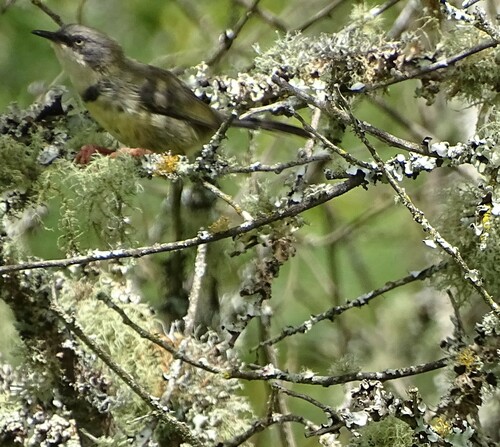
ムナオビイロムシクイ (Apalis thoracica) ムナオビイロムシクイ
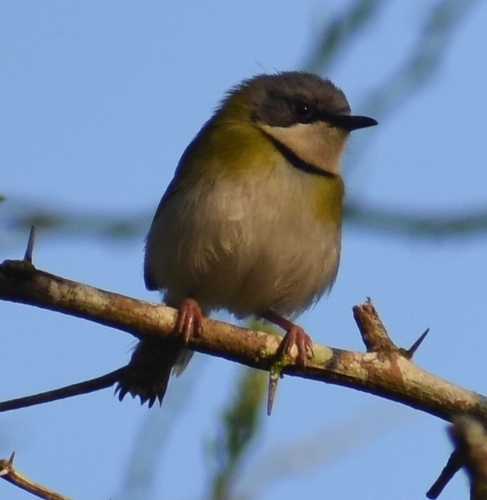
マユイロムシクイ (Apalis ruddi) マユイロムシクイ

メディア

読み込み中…

要点

バートローテッドアパリスとラッズアパリスを区別する最も信頼できるフィールドマークは、すべてのバートローテッドアパリスに存在する狭い黒い胸帯であり、ラッズアパリスにはこれが欠けています。バートローテッドアパリスはまた、白い外尾羽と明らかに淡い目を示しますが、ラッズアパリスは利用可能な記述にこれらの特徴がありません。幼鳥のバートローテッドアパリスは、よりバフ色の腹部と不完全な胸帯を示すことがあり、混乱を引き起こす可能性がありますが、それでも胸帯のヒントは役立ちます。両種は細長く、長い尾を持つシスティコリダですが、バートローテッドアパリスは上面の色(灰色または緑色)や下面のトーン(白または淡い黄色)においてより多くの変異を示す傾向があり、ラッズアパリスは利用可能なメモではあまり変動しません。生息地も助けになります:バートローテッドアパリスは東部および南部アフロトロピクスに広く分布していますが、ラッズアパリスはモザンビークおよび隣接地域により局所的です。

識別のコツ

  1. 胸帯が鍵:バートローテッドアパリスは常に狭い黒い胸帯を示します(ただし、幼鳥では不完全または薄い場合や、雌では狭くなることがあります);ラッズアパリスにはこの特徴がありません。常に鳥の前面で胸帯を確認してください。
  2. 幼鳥の混乱:幼鳥のバートローテッドアパリスは、よりバフ色の腹部と不完全な胸帯を持つことがありますが、胸帯のヒントがあればバートローテッドを支持します。ラッズの幼鳥は胸帯を持っているとは記述されていません。
  3. 尾のパターン:バートローテッドアパリスは白い外尾羽を持ち、飛行中または尾が扇状に広げられたときに見ることができます;ラッズアパリスにはこの特徴が記載されていません。
  4. 目の色:バートローテッドアパリスは淡い目を持ち、近距離での有用なマークとなります。ラッズアパリスの目の色は指定されていないため、明らかに淡い目はバートローテッドを支持します。
  5. くちばしの形:バートローテッドアパリスはかなり長く、細く、わずかに曲がった黒いくちばしを持っています。ラッズアパリスは構造が似ていますが、よく見た場合の微妙な違いを確認してください。
  6. 上面の色:バートローテッドアパリスは亜種によって灰色または緑色の上面を持つことがあります;ラッズアパリスは詳細に記述されていませんが、変動は少ないと思われます。鳥が上面に緑がかったトーンを示す場合、バートローテッドの可能性が高いです。
  7. 下面の色:バートローテッドアパリスは下面が白または淡い黄色であることがあります;ラッズアパリスは記述されていないため、強い黄色または白の下面はどちらも排除しませんが、変動はバートローテッドを支持します。
  8. 性差:雌のバートローテッドアパリスは雄よりも狭い胸帯を持っていますが、依然として存在します。ラッズアパリスはどちらの性でもこの特徴を示しません。
  9. 分布:モザンビーク、南部マラウイ、または隣接する南アフリカ/エスワティニの外にいる場合、ラッズアパリスは可能性が低いです。バートローテッドははるかに広く分布しています。
  10. 生息地:ラッズアパリスのコア範囲内の乾燥した森林や湿った低木地では、両種を考慮してくださいが、常に胸帯を確認してください。
  11. 構造:両者は細長く、長い尾を持っているため、全体の形状に頼って区別しないでください。
  12. 飛行中の視点:どちらの種にも特有の上翼や飛行マークは記載されていないため、飛行中に見た場合は尾のパターンと下面の特徴に焦点を当ててください。
  13. 羽毛の落とし穴:バートローテッドアパリスの亜種間の変異は混乱を引き起こす可能性があります(上面の灰色と緑、下面の白と黄色)が、胸帯は一貫しています。
  14. 豊富さ:バートローテッドアパリスは一般的により一般的で広く分布しています;ラッズアパリスは局所的で、コア範囲を除いては可能性が低いです。
  15. 鳴き声:利用可能なメモには診断的な違いは提供されていないため、現在の情報での区別には声に頼らないでください。

大きさ

バートローテッドアパリスの体重は10.5gと測定されていますが、ラッズアパリスの直接的な測定値はありません。両者は小さく、細長い構造を持つ鳥で、サイズも似ている可能性が高いため、サイズだけではフィールドでの信頼できる区別にはなりません。

羽色

すべての年齢のバートローテッドアパリスは狭い黒い胸帯(ただし、これは幼鳥では不完全または薄い場合があります)、白い外尾羽、および淡い目を示します。上面は灰色または緑色で、下面は白または淡い黄色であり、いくつかの亜種間の変異があります。雌は雄に似ていますが、胸帯は狭くなります。幼鳥は下面がバフ色であり、部分的な胸帯しか持たないことがあります。対照的に、ラッズアパリスは利用可能なメモに胸帯、白い外尾羽、または淡い目を持つとは記述されていません。したがって、胸帯の有無は最も一貫した羽毛の違いであり、特に止まっている鳥や前面からよく見える鳥において重要です。どちらの種にも特有の年齢別の上翼や飛行マークは記載されていません。

行動

両種は細長く、長い尾を持つと記述されており、アパリス属の典型的な特徴であり、葉の中で活発で敏捷である可能性が高いです。利用可能な情報源には特有の行動の違いは記載されていません。

生息環境

バートローテッドアパリスは東部および南部アフロトロピクスに広く分布し、さまざまな生息地を占めています。ラッズアパリスはより制限されており、主にモザンビーク、南部マラウイ、南アフリカおよびエスワティニの隣接部分に見られ、亜熱帯または熱帯の乾燥森林や湿った低木地を好みます。ラッズアパリスのコア範囲の外で見られた場合、バートローテッドの可能性がはるかに高いです。南部アフリカでは生息地の重複が可能ですが、生息地だけでは診断的ではなく、範囲が強力な支持の手がかりとなることがあります。

より良い説明を送る

比較と同じ項目を使ってください。文章はすぐに公開されます。

The most reliable field mark to separate Bar-throated Apalis from Rudd's Apalis is the presence of a narrow black breast band on all Bar-throated Apalis, which is absent in Rudd's Apalis. Bar-throated Apalis also shows white outer tail feathers and a distinctly pale eye, while Rudd's Apalis lacks these features in the available descriptions. Juvenile Bar-throated Apalis can show a buffier underside and an incomplete breast band, which may cause confusion, but even then, the hint of a breast band is helpful. Both species are slender, long-tailed cisticolids, but Bar-throated Apalis tends to show more variation in upperpart color (grey or green) and underpart tone (white or pale yellow), while Rudd's Apalis is less variable in the available notes. Habitat can help: Bar-throated Apalis is widespread in eastern and southern Afrotropics, while Rudd's is more localized to Mozambique and adjacent regions.

  1. Breast band is key: Bar-throated Apalis always shows a narrow black breast band (though it may be incomplete or faint in juveniles and narrower in females); Rudd's Apalis lacks this feature. Always check for a breast band on the front of the bird.
  2. Juvenile confusion: Juvenile Bar-throated Apalis can have buffier underparts and an incomplete breast band, but even a hint of a band favors Bar-throated. Rudd's juveniles are not described as having any breast band.
  3. Tail pattern: Bar-throated Apalis has white outer tail feathers, which can be seen in flight or when the tail is fanned; Rudd's Apalis is not noted to have this feature.
  4. Eye color: Bar-throated Apalis has a pale eye, which can be a useful mark at close range. Eye color for Rudd's Apalis is not specified, so a distinctly pale eye supports Bar-throated.
  5. Bill shape: Bar-throated Apalis has a fairly long, slender, slightly curved black bill. Rudd's Apalis is similar in structure but check for subtle differences if seen well.
  6. Upperpart color: Bar-throated Apalis can be grey or green above, depending on subspecies; Rudd's Apalis is not described in detail but is likely less variable. If the bird shows greenish tones above, Bar-throated is more likely.
  7. Underpart color: Bar-throated Apalis can be white or pale yellow below; Rudd's Apalis is not described, so strong yellow or white underparts do not rule out either, but variation favors Bar-throated.
  8. Sex differences: Female Bar-throated Apalis has a narrower breast band than the male, but still present. Rudd's Apalis does not show this feature in either sex.
  9. Range: If you are outside Mozambique, southern Malawi, or adjacent South Africa/Eswatini, Rudd's Apalis is unlikely. Bar-throated is much more widespread.
  10. Habitat: In dry forest or moist shrubland in the Rudd's Apalis core range, consider both species, but always check for the breast band.
  11. Structure: Both are slender and long-tailed, so do not rely on overall shape to separate them.
  12. Flight views: No distinctive upperwing or flight marks are described for either species, so focus on tail pattern and underpart features if seen in flight.
  13. Plumage pitfalls: Subspecific variation in Bar-throated Apalis can cause confusion (grey vs green above, white vs yellow below), but the breast band remains consistent.
  14. Abundance: Bar-throated Apalis is generally more common and widespread; Rudd's is local and less likely except in its core range.
  15. Vocalization: No diagnostic differences are provided in the available notes; do not rely on voice for separation with current information.

Bar-throated Apalis has a measured body mass of 10.5g [wikidata], but there is no direct measurement available for Rudd's Apalis. Both are small, slender birds of similar structure and likely similar size, so size alone is not a reliable separator in the field.

Bar-throated Apalis of all ages shows a narrow black breast band (though this can be incomplete or faint in juveniles), white outer tail feathers, and a pale eye. The upperparts can be grey or green, and the underparts white or pale yellow, with some subspecific variation. Females resemble males but have a narrower breast band. Juveniles are buffier below and may have only a partial breast band. Rudd's Apalis, by contrast, is not described as having a breast band, white outer tail feathers, or a pale eye in the available notes. Thus, the presence or absence of the breast band is the most consistent plumage difference, especially in perched birds or those seen well from the front. No distinctive age-specific upperwing or flight marks are described for either species.

Both species are described as slender and long-tailed, typical of the genus Apalis, and are likely to be active and agile in foliage. No distinctive behavioral differences are noted in the available sources.

Bar-throated Apalis is widespread in the eastern and southern Afrotropics and occupies a range of habitats. Rudd's Apalis is more restricted, found primarily in Mozambique, southern Malawi, and adjacent parts of South Africa and Eswatini, favoring subtropical or tropical dry forest and moist shrubland. If seen outside the core range of Rudd's Apalis, Bar-throated is far more likely. Habitat overlap is possible in southern Africa, so habitat alone is not diagnostic, but range can be a strong supporting clue.

変更を破棄しますか?

保存していない編集があります。今離れると失われます。

ムナオビイロムシクイ · マユイロムシクイ · 苦手な鳥